
What to Wear to a Funeral Viewing or Visitation: A Gentle Guide to Attire and Colors
Choosing an outfit for a visitation can feel like a heavy, silent task amid your grief. I am here to help you find a respectful choice with ease.
This guide offers clear, compassionate advice drawn from my time supporting families. We will explore appropriate attire for men and women, discuss the meaning behind colors like black and navy, and explain how to follow common dress codes.
Key Takeaways: Comfort and Respect in Your Attire
Let me first ease your mind. Your goal is to show respect, not to showcase perfect fashion. The family will feel your support, not critique your style.
Focus on three simple ideas. Choose modest clothing that covers your shoulders and knees. Pick subdued colors like black, navy, or gray. Ensure everything is neat and clean.
These choices create a quiet, unified atmosphere. They show you considered the solemnity of the day.
If you feel unsure, lean toward slightly more formal attire. A dark suit or a simple, conservative dress is always a safe and respectful choice. It communicates your care without a single word.
A Note on Etiquette: Your Presence Matters Most
Your attire is one gesture among many. It is a visual way to honor the deceased and stand with the grieving family. Think of it as putting on a cloak of respect for a few hours.
When you speak to the family, keep your words simple and sincere. Saying “I’m so sorry for your loss” or “I’m thinking of you” is often enough. From my own losses, I know the weight of a few genuine words.
Many people fear getting it wrong. I understand that worry. Your sincere effort to be present and respectful is what truly counts to those in grief. Families remember the warmth of your presence long after the color of your tie is forgotten.
Personal Perspective: Dressing with Intention
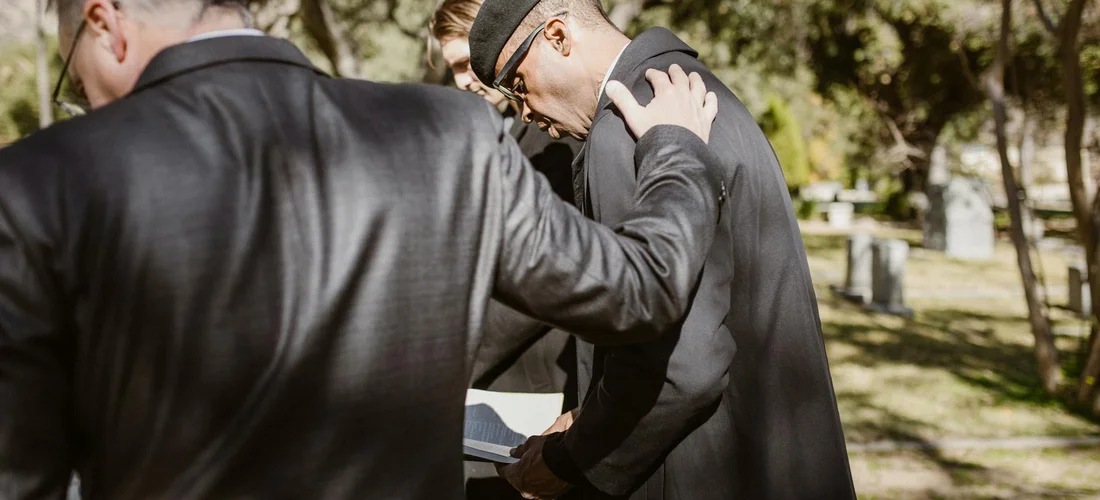
I remember standing in my closet before my aunt’s visitation. Choosing an outfit felt like my first real task in grief, a small act of care for her and for myself.
Putting on a respectful dress helped me mentally prepare. The simple black fabric felt like a shield, giving me a quiet moment to gather my thoughts before facing the room.
What we wear becomes part of the ritual, a visual sign of the dignity we hold for the occasion and the person we are there to remember. It is a silent promise of support.
Understanding Funeral Viewings and Visitations
A funeral viewing or visitation is a quiet gathering. Friends and family come together to offer comfort, share stories, and sometimes, for those who wish, to see the person who has died one last time. These pre-funeral events provide an opportunity for collective mourning and remembrance.
Attire for a viewing is deeply respectful, but it can be slightly less formal than the main funeral service. A dark collared shirt with trousers is often just as suitable as a full suit. A formal-casual funeral dress code can guide choices toward simplicity and restraint. Keep colors muted and avoid flashy accessories to maintain a respectful appearance.
When considering what do you wear to a viewing for a funeral, focus on modesty and understated colors. Your clothing should allow you to blend into the background of support, not distract from it.
Is There a Difference Between a Viewing, Visitation, and Wake?
These terms can overlap. A viewing usually means the casket is present. A visitation focuses on time with the grieving family. A wake is often a more social gathering, sometimes held at a home.
The expectations for your attire remain consistent across all these gatherings: conservative, dark-colored, and respectful. The common thread is honoring a life and comforting the living.
General Guidelines for Appropriate Funeral Viewing Attire
Appropriate attire for a funeral viewing is clothing that shows respect and follows funeral attire etiquette. It helps you blend into the background, allowing the focus to remain on honoring the person who has died and supporting their family.
Think of it as dressing for a solemn, important occasion. Your clothing should be clean, pressed, and fit you well.
- Cover your shoulders and choose tops with higher necklines.
- Select skirts or dresses with hemlines at or below the knee.
- Wear closed-toe shoes, like flats, loafers, or simple pumps.
- Choose dark, muted colors over bright or patterned ones.
The level of formality often falls between business casual and formal. When in doubt, it is better to be slightly overdressed than underdressed. The family’s wishes, the location, and cultural traditions will shape the final expectation.
Consider the season. A lightweight, dark dress or a linen suit is suitable for summer. In winter, a dark sweater or blazer over your attire provides warmth and remains respectful.
When the Family Requests Specific Attire
Always follow any dress code mentioned by the family or in the obituary. This request is a personal part of how they wish to celebrate their loved one’s life.
If they ask for “casual attire,” think neat and tidy, like dark-colored trousers and a plain polo shirt. A request for “colorful clothing” means choose softer, respectful colors-a lavender blouse or a deep green tie-not neon or party wear. Following their guidance is one of the most direct ways to show you care.
Choosing Colors: Beyond Black
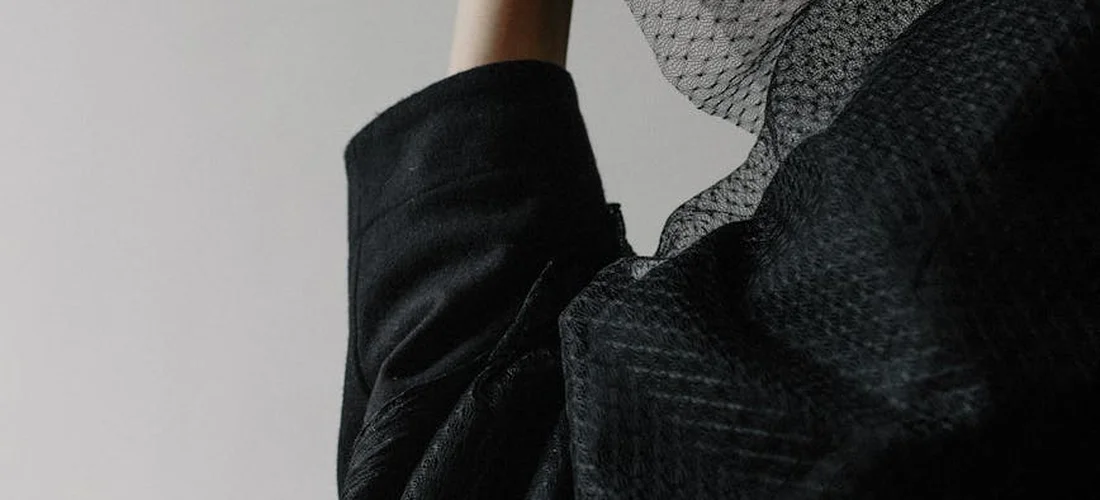
Many people ask, “What colors are appropriate for a funeral visitation?” Black is traditional, but it is rarely the only option. Subdued, dark colors are universally seen as a sign of respect.
You can confidently wear:
- Black
- Navy blue
- Charcoal or dark gray
- Deep purple or burgundy
- Soft earth tones like brown or dark green
Your goal is to choose clothing that does not loudly announce your presence. Avoid overly bright, neon, or flashy patterns. These can feel disruptive in a space meant for quiet reflection.
The Meaning of Color in Mourning
Color carries different meanings across cultures. In many Western traditions, black symbolizes mourning. In some Eastern cultures, white is the color of grief and purity.
This is why opting for a subdued hue is a safe, respectful choice in many settings. It is a quiet visual signal that you understand the gravity of the occasion.
Decoding the Dress Code: Formal, Business Casual, or Casual?
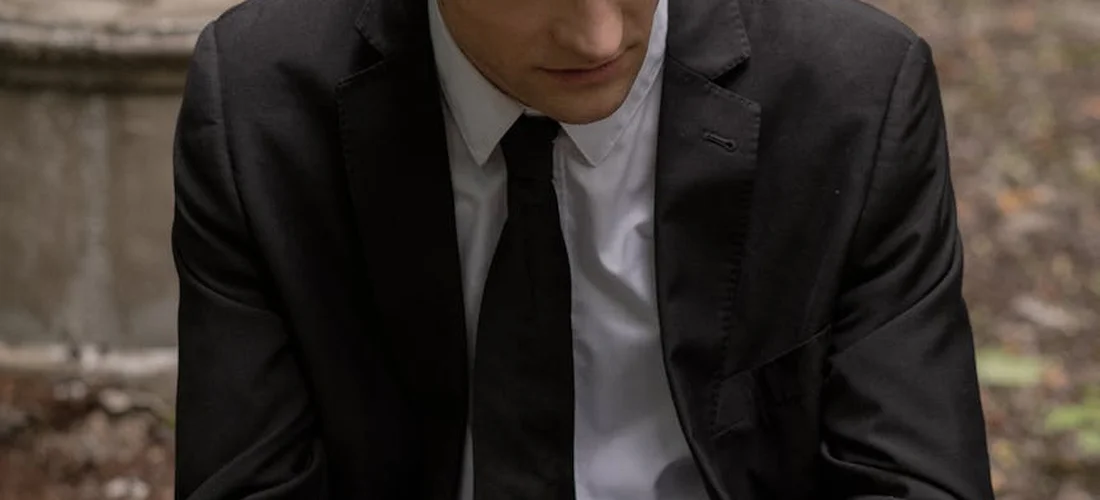
Wondering what to wear to a funeral viewing often comes down to decoding the expected level of formality. Here is a practical guide on funeral attire and when a suit is appropriate.
Formal or Traditional: This often means a dark suit and tie for men, and a dark dress or a suit for women. It is common for religious services or very traditional families.
Business Casual: This is a frequent standard. For men, think dress slacks, a collared shirt, and a blazer. For women, a skirt and blouse, dress pants with a conservative top, or a simple dress works well.
Casual (if requested): This does not mean workout clothes or beachwear. It means neat, clean, and modest. Dark, non-denim trousers and a plain, collared shirt are a good example.
What Not to Wear: Items to Avoid
This list is not about rules, but about helping you feel confident that your clothing shows respect. Generally, it is wise to avoid:
- Jeans, shorts, or tank tops
- T-shirts with logos, slogans, or graphics
- Athletic wear, like sweats or gym shoes
- Overly revealing clothing (low necklines, very short hemlines)
- Loud, sparkling, or distracting accessories
When you choose to avoid these items, you quietly honor the space and the people in it.
Attire Guidance for Women and Men
Let’s break this down with specific, practical options to eliminate guesswork.
For Women:
A dark, knee-length dress or a skirt and blouse ensemble is always appropriate. Dress pants with a conservative, neat top is another excellent choice. Keep jewelry simple and minimal. Choose closed-toe shoes with a low heel or flats.
For Men:
A suit in a dark color is the most traditional choice. If you do not own a suit, wear dress slacks with a collared shirt, a tie, and a blazer. A dark sweater over a shirt is also suitable. Ensure your shoes are clean and dressy, like loafers or oxfords.
For everyone, grooming matters. Neat, clean hair and a restrained appearance are part of the gesture.
For Immediate Family Members
If you are a spouse, child, parent, or sibling of the person who died, you may feel additional pressure. Your role is different, and your attire often reflects that.
Many close family members choose to dress more formally or in traditional mourning colors like black. Your primary concern is your own comfort and grief, not perfection. Choose clothing that is dignified but that you can bear to wear for many hours. A wrinkle or a simple outfit is far less important than your presence.
Cultural and Religious Considerations for Funeral Attire
Attire expectations can vary greatly across cultures and faiths. What is standard in one tradition may be different in another.
Here are a few common examples:
- In many Christian services, dark, conservative clothing is typical.
- At a Hindu funeral, guests often wear white, and families may wear simple white clothes.
- For Islamic and Jewish traditions, modesty is paramount. This means covered shoulders, arms, and legs for all attendees.
When you are attending a service outside your own tradition, a small effort to learn shows profound respect.
When You Are Unsure About Customs
If you are unfamiliar with the customs, it is okay to ask. You can gently ask a family member who is not in the immediate circle of grief, or call the funeral home.
A simple question like, “I want to be respectful of your traditions, is there anything specific I should know about attire?” is usually met with appreciation. Your willingness to ask and adapt is a kindness in itself.
Decoding the Dress Code: Formal, Business Casual, or Casual?
When you ask, “What do you wear to a funeral viewing,” you are showing care. I have helped many families, and this question often comes from a place of wanting to honor the person who has died. Let me break down the common levels of formality you might encounter.
Think of these dress codes as a spectrum of respect. Your choice often depends on the family’s wishes, the location, or the person’s life.
For a formal viewing, imagine attending a solemn ceremony. This typically means dark, tailored clothing that shows deep respect for the occasion. For men, a dark suit with a tie is standard. For women, a modest dress or a suit in a subdued color is appropriate.
Business casual is a common expectation for many visitations. It balances respect with a slightly less rigid feel. You might choose dress slacks and a collared shirt with a blazer, or a conservative skirt and blouse. The fabrics should be neat, and the colors should remain muted, like gray, navy, or dark brown.
A casual dress code is sometimes requested to reflect the deceased’s personality. Even then, your clothing should be clean, pressed, and free of loud patterns. What you wear to a funeral viewing in a casual setting could be dark, clean trousers and a simple, solid-colored sweater. It is still a time for reverence, not for everyday leisure wear. Casual doesn’t mean loud or playful. Casual funeral attire etiquette favors muted colors and modest cuts to keep the focus on the ceremony.
What Not to Wear: Items to Avoid
This is not about strict rules. It is about helping you feel confident that your attire brings comfort, not distraction. I have seen how the right clothing can quietly support a grieving family.
Some items are generally best avoided because they can draw attention away from the purpose of gathering. Jeans, shorts, and t-shirts with logos or graphics often feel too informal for a setting of remembrance. Athletic wear, like sweatpants or gym shoes, usually does not convey the solemnity of the moment.
Overly revealing clothing or items with bright, flashy colors can feel disrespectful. Loud accessories or excessive jewelry might clatter or shine in the quiet space of a funeral home. Your goal is to blend in with a sense of dignity, allowing the focus to remain on the life being honored.
Attire Guidance for Women and Men
Separate advice can make your decision simpler. The core principle is the same: choose clothing that is modest, subdued, and neat.
For women, practical options include a dark dress with sleeves or a high neckline. A skirt and blouse in a soft fabric is another respectful choice. Dress pants with a conservative top is a perfectly acceptable outfit for a funeral viewing. Footwear should be closed-toe and comfortable for standing, like low heels or flats. In complement to these guidelines for women, funeral attire guidelines men women typically recommend a dark suit and muted tie for men. Across both genders, avoiding bright colors or flashy accessories helps maintain a respectful, solemn tone.
Keep accessories minimal. A simple necklace or watch is enough. For grooming, aim for a tidy appearance. Your hair and makeup should be understated, reflecting the calm of the environment.
For men, a suit in a dark color is the most traditional option. If a full suit feels too formal, dress slacks with a collared shirt and a blazer is a smart alternative. A dark sweater over a button-down shirt can also be a warm and respectful choice. Ensure your shoes are polished dress shoes, not sneakers or sandals.
A tie is often expected, but a simple, dark one will suffice. Grooming matters here, too. A clean shave or trimmed beard shows you have taken care with your appearance. Your clothing should feel like a quiet embrace for the family, not a statement of your own.
For Immediate Family Members
If you are a spouse, child, or sibling, your experience is different. You are balancing profound personal grief with a public role. I have walked with many families through this, and the weight of expectation can feel heavy.
Immediate family often dresses more formally or traditionally. This might mean a dark suit for men or a dark, simple dress for women. Your attire can serve as a protective shell, a uniform of sorts that helps you navigate the formalities of the day. Some families choose to wear a piece of the deceased’s jewelry or a specific color as a personal tribute. For immediate family funeral attire, the emphasis is on respectful, subdued tones and timeless styles. These choices help you blend with the ceremony and support others in mourning.
Do not let perfect clothing add to your burden. Comfort is crucial when you will be greeting people for hours. The most important thing is that you feel a sense of dignity in your grief, whatever you wear. Your presence, marked by love, is what truly matters to those who come to support you.
Cultural and Religious Considerations for Funeral Attire
What we wear to a funeral is often guided by unseen hands of tradition and faith. These expectations can vary greatly from one community to another, offering a familiar rhythm in a time of disarray.
I have stood with families from many backgrounds, and I have seen how these customs provide a soft anchor. Here are a few brief pointers I have learned.
- In many Christian services, black attire is a common sign of mourning and respect. It is a visual expression of shared sorrow.
- For Hindu ceremonies, white clothing is traditionally worn. This color symbolizes purity and the soul’s release.
- Islamic and Jewish traditions typically emphasize modesty. This often means attire that covers the shoulders, arms, and legs for all attendees.
If these customs are unfamiliar to you, please take a moment to ask or to look them up. Seeking guidance is not a sign of ignorance, but a profound act of respect for the family and their grief.
When You Are Unsure About Customs
Uncertainty is a natural feeling, especially when you wish to do no harm. A gentle inquiry can lift this weight. You might ask the funeral director, as they are accustomed to such questions and can provide clear advice.
If you know a friend of the family, you could ask them quietly for guidance. Your simple willingness to learn speaks volumes, offering comfort through your attentiveness.
Frequently Asked Questions
What is the most important rule for funeral viewing attire?
Choose clothing that is modest, subdued, and neat to show respect. Your sincere presence matters far more than achieving perfect fashion.
Are colors other than black acceptable to wear?
Yes, dark and muted colors like navy, charcoal, deep burgundy, or soft earth tones are perfectly appropriate. The goal is to avoid bright or distracting patterns.
How do I interpret a requested dress code, like “business casual”?
For business casual, think neat, collared shirts with trousers or a conservative dress. When in doubt, leaning toward slightly more formal attire is always a safe and respectful choice.
Honoring Through Your Attire
Let your clothing be a quiet gesture of respect, chosen for its modesty and solemnity more than any strict rule. Your presence, dressed with care, is the most meaningful contribution you can offer to a gathering of remembrance.
Approaching Funeral Care and Funeral Needs with dignity includes considering gentle, eco-friendly practices where possible. Carrying these questions forward about Funeral Questions allows you to meet moments of loss with both practicality and heart.
Emiliana Dieter
Emiliana is an author at The Valedictory. She is an experienced funeral care advisor and arranged and organized many funerals as part of her end of life consulting services. She has over 8+ years in the funeral industry managing her family funeral business and helping families cope with the loss of their loved ones. Her articles answer any and all questions you might have regarding funeral arrangements, costs, preparations, etc so you can make this a seamless experience.