
Islamic Funeral and Burial Rules for Women: Ghusl, Shrouding, and Prayer
Preparing for the funeral of a Muslim woman involves sacred duties that bring comfort and honor. I understand how these rituals can provide solace during a time of loss.
This guide will explain the key Islamic practices for women after death. We will cover the ritual washing (ghusl), the shrouding (kafan), and the funeral prayer (salat al-janazah).
Key Takeaways: Compassionate Guidance for a Difficult Time
When a woman passes away in Islam, her body is honored through three sacred rituals. These acts are performed with gentle hands and focused intention.
Ghusl is the ritual washing that purifies the body for its return to Allah. For a woman, this purification is always performed by other women, often relatives or respected members of the community. The process is quiet and reverent, using clean water and whispered prayers.
Kafan refers to the simple white shroud that wraps the body in dignity. A woman’s shroud typically consists of five pieces of cloth: a loin wrap, a long tunic, a head veil, and two large sheets. The plain white fabric reminds us that all are equal in the eyes of the Creator.
Salat al-Janazah is the funeral prayer, a collective plea for Allah’s mercy. While the prayer is traditionally led by men, women are encouraged to attend and pray, often standing in separate rows or behind the men. This prayer is the community’s final farewell.
I have seen how this careful sequence brings a quiet comfort to families. These rules are not burdens; they are a spiritual embrace, ensuring her journey is met with respect and peace.
Step-by-Step Checklist: Immediate Actions After a Death
In the first blur of loss, practical steps can feel impossible. Let this list be your anchor.
- Gently notify the closest family members and contact your local mosque or imam. They are your first source of support and religious guidance.
- Reach out to a funeral home experienced in Islamic funeral rites. A knowledgeable director will handle details while honoring your traditions.
- Arrange for the Ghusl to be performed promptly. This should be done by women who knew her or are trusted within your community, in a private and dignified setting.
- Prepare the Kafan shroud. Ensure the five pieces of clean, white cloth are laid out and ready. Many mosques or Islamic centers have these prepared for such times.
- Coordinate with the mosque to schedule the Salat al-Janazah prayer. This is usually held before burial, allowing the community to gather and pray.
You are not meant to carry this weight by yourself. Please, lean on your local Muslim community; they will share in the preparation and offer you strength.
Understanding Ghusl: The Ritual Purification for a Deceased Woman
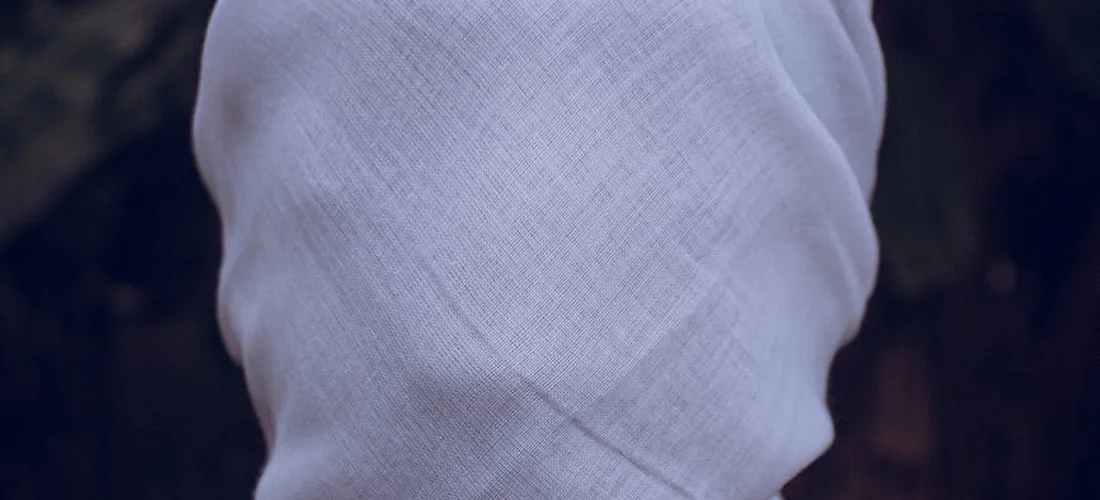
Ghusl is the ritual washing of the body after death. It is a final act of physical and spiritual cleansing, preparing the soul to return to its Creator. Performing it with care is considered a great blessing and an honored responsibility.
The process is gentle and methodical. The body is washed with clean, warm water, often mixed with leaves from the lotus or cedar tree for a subtle, clean fragrance. The water is poured with respect, ensuring every part is purified. The room is kept quiet, with prayers whispered softly.
This sacred duty is typically performed by a female Muslim family member, such as a daughter, sister, or mother. If family is not present, a trusted and pious woman from the community may take on this role. The act is performed by those who shared a bond of love or faith in life, continuing that care in death.
Common questions arise about the rules of Ghusl. The body’s modesty, or ‘awrah’, must always be covered with a light sheet during washing. The intention of the washers should be purely to fulfill this religious obligation. Only clean, plain water is used, free of any perfumed soaps or chemicals.
The Specific Steps and Intentions Behind Ghusl
The procedure follows a clear, reverent order. First, the body is placed on a washing table and the private parts are covered. The washer begins by declaring a sincere intention for the act.
- Gently clean the mouth and nose with a soft cloth.
- Wash the face, then the arms up to the elbows.
- Wipe the head and carefully wash the ears.
- Wash the right side of the body, followed by the left side.
- Finally, wash the feet. The body is then rinsed with clean water three times.
A calm, private setting is vital. It allows the washers to focus and offers dignity to the deceased. Reciting prayers, such as “Bismillah” (In the name of God), is encouraged throughout. This turns a physical act into one of spiritual devotion.
Who is Permitted to Perform This Sacred Duty?
Islamic law is specific about who may perform Ghusl. For a deceased woman, the hands that wash her must be the hands of another woman. A mahram, a close male relative like a husband, father, or son, may organize and oversee the process, but he does not directly perform the washing. This rule honors the modesty cherished in life.
If no qualified woman is available, the situation is met with compassion. The principle of ‘Tayammum’, or dry purification, may be performed. This involves gently tapping clean earth or dust and wiping the face and hands. It is a merciful provision, ensuring the deceased is not delayed and their dignity remains intact.
The Sacred Act of Shrouding (Kafan) for Women
Shrouding, or Kafan, is the wrapping of the body in simple white cloth. It is the final garment, reflecting the equality of all souls before God. Its simplicity strips away worldly status, leaving only faith and humility.
The shroud for a woman traditionally consists of five pieces of clean, white cloth. Cotton or linen is preferred for its simplicity and natural quality. The pieces are a loincloth, a large shirt, a head veil, a winding sheet for the upper body, and another for the lower body.
These materials are required to be plain, unused, and affordable. The typical five-piece ensemble covers the body with modesty and care. The white cloth symbolizes purity and the shared journey every soul must take.
A woman’s shroud differs from a man’s. A man’s shroud is typically three pieces. The extra pieces for a woman, the head veil and the separate shirt, ensure her modesty is honored in a specific, dignified way. The wrapping style is similar, but the layers acknowledge her distinct honor.
Preparing and Dressing the Shroud with Dignity
After Ghusl, the body is carefully dried with a clean towel. The shrouding cloths are laid in order, often scented with a mild, non-alcoholic fragrance like camphor or rose water.
- The largest winding sheet is spread on the table.
- The upper body sheet is placed on top, followed by the shirt.
- The body is dressed in the loincloth and the shirt. Her hair is placed over the shirt’s chest.
- The head veil is placed over her face and head.
- The upper sheet is wrapped over the right side, then the left. The lower sheet is wrapped in the same manner.
- Finally, the large outer sheet is wrapped tightly around the entire body. The ends are secured with ties.
The use of light fragrances is a final, tender act of care. It prepares the body for the funeral prayer and burial. Each fold of cloth is a gesture of letting go, wrapped in love and respect.
Offering the Funeral Prayer (Salat al-Janazah) for a Woman
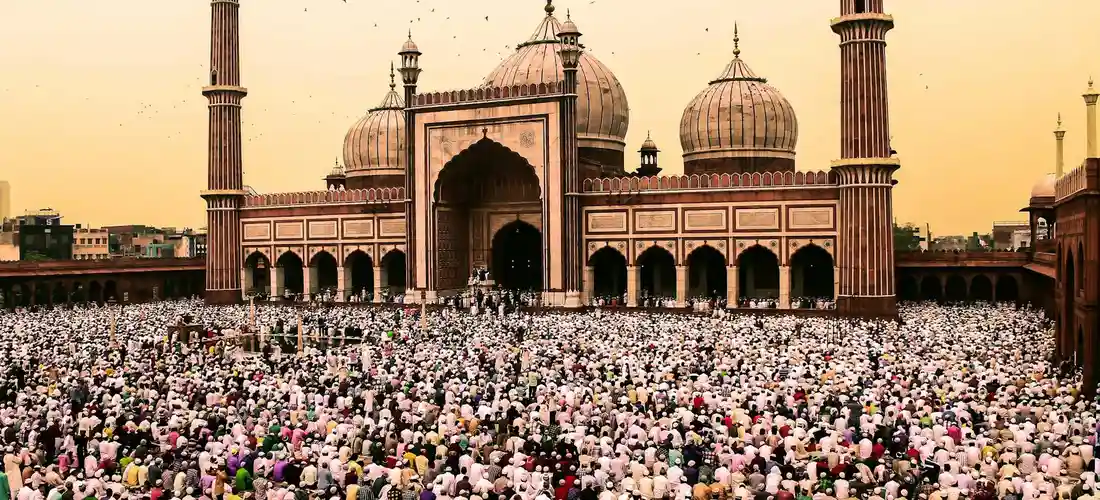
This prayer is a final, collective plea for Allah’s mercy upon the deceased. I have seen how this act binds a community, turning individual grief into a shared supplication for peace and forgiveness.
The prayer is performed standing, without the bows or prostrations of daily prayers. Everyone forms rows behind an Imam, who leads the congregation in silent intentions and recited supplications.
You might wonder, can a woman attend a funeral in Islam? Women are generally encouraged to participate in Salat al-Janazah to seek mercy for the deceased. The question of are women allowed in Muslim funerals is often rooted in concern for their comfort, not exclusion from this sacred duty. Additionally, funeral attire guidelines for both men and women emphasize modest, subdued dress. This helps attendees participate with reverence.
The specific words prayed are focused wholly on seeking divine mercy and forgiveness. These supplications are the same whether offered for a man or a woman, reflecting the equal worth of every soul before God.
The Congregation and Its Role in Seeking Mercy
The gathering for this prayer is open to all who wish to join this act of mercy. Men and women come together, their shared silence holding a profound weight of collective hope.
In practice, women often stand in rows behind the men or in a designated separate space within the prayer area. This variation respects modesty while ensuring everyone can partake in the congregation’s unified request for grace.
Note on Etiquette: Guidance for Attendees and Mourners
Dress in modest, respectful clothing. For women, this typically means loose garments that cover the arms and legs, with a headscarf. The focus is on humility and reverence, not fashion.
When offering condolences, a simple touch on the hand or a gentle embrace can mean more than many words. Speak from the heart, and be present without needing to fill the silence. In supporting mourners, funeral etiquette—timing, space, and respectful gestures—matters and can ease the moment. Small, thoughtful acts that honor etiquette show care without intruding.
At the home or prayer service, maintain a calm and respectful demeanor. Your quiet presence is a powerful form of support for a family navigating raw grief, whether at home or during a funeral service.
The question, are women allowed at burial islam, involves local custom and scholarly interpretation. Some traditions gently discourage women from the graveside to spare them the intensity of the interment, while others permit it. I advise you to approach this with compassion for the family’s wishes and the community’s practice. These questions invite Muslim funeral etiquette reflections on who participates and how rites are observed. Such reflections can help communities navigate tradition with compassion and respect.
Instead of strained clichés, offer simple, supportive phrases. You could say, “I am holding you in my thoughts,” or use the Islamic condolence, “May Allah grant her the highest paradise.” What matters is the sincerity behind your words.
Addressing Common Questions on Women’s Participation
Can Women Attend the Funeral Prayer and Burial?
This is one of the most common and heartfelt questions families face. The answer is not a simple yes or no, as scholarly opinions and community practices vary.
Some interpretations, based on certain sayings of the Prophet Muhammad (peace be upon him), discourage women from attending the burial site. The reasoning often centers on protecting women from the raw intensity of grief at the graveside, a moment considered overwhelmingly difficult.
Other scholars and many contemporary communities see no prohibition, especially for the funeral prayer (Salat al-Janazah) which occurs before proceeding to the cemetery. In interfaith funeral etiquette discussions, these practices are framed to respect diverse beliefs while preserving core observances. This context helps guide respectful engagement among mourners from different traditions. What is universally agreed upon is that the core intention must always be respect for the deceased and compassion for the living.
Understanding Different Practices
In my experience, I have seen a beautiful spectrum of practice. In some communities, women participate fully in the prayer and then remain at the mosque or family home while the men proceed to the burial. In others, close female relatives stand at a respectful distance from the grave during various religious rites.
These differences often stem from local tradition and interpretation, not from a lack of devotion. The variation in practice across cultures usually springs from a shared root: a deep desire to honor the deceased while safeguarding the mourners in their most vulnerable state. In funeral rites and religious ceremonies, these aims take shape in distinct cultural forms. They reflect how culture and faith guide farewell rituals.
The act of burial itself is physically demanding and involves specific rituals. The focus on male participation in the physical interment is typically about fulfilling a religious obligation (Fard Kifayah), not about excluding women’s grief. Within Islamic funeral customs, burial follows rites like ghusl (ritual washing) and kafan (shrouding) before interment. These practices influence how communities participate in the ceremony and support the grieving process.
Seeking Guidance for Your Situation
If you are uncertain about what is appropriate for you or your family, the most reliable step is to speak with your local imam or a trusted scholar. They understand the nuances of your community’s practice.
Explain your relationship to the deceased and your desire to participate in a respectful manner. A compassionate imam can provide guidance tailored to your specific circumstances, balancing religious principles with the very human need to say goodbye. This may also involve funeral customs and religious services. Familiarity with these practices can help you participate respectfully.
Your wish to be present is a testament to your love. Seeking clarity is an act of respect, both for the traditions you hold dear and for your own heart.
Compassionate Guidance: Your Questions Answered
Who is permitted to perform Ghusl on a deceased woman?
This sacred purification is performed only by women, typically close relatives or trusted, pious women from the community. A mahram male relative, such as a husband or son, may oversee the process but does not participate in the washing, ensuring her modesty is honored.
Are there specific materials or cloths required for a woman’s shroud?
Yes, a woman’s kafan traditionally includes five pieces of clean, white, unused cloth, like cotton or linen. These layers provide dignified coverage, symbolizing purity and equality before Allah.
Are there any specific supplications or verses recited during the funeral prayer for a woman?
No, the supplications are the same as for men, focusing entirely on seeking Allah’s mercy and forgiveness. This uniformity reflects the equal spiritual worth of every soul in its return to the Creator.
Parting Reflections on Islamic Funeral Rites for Women
The heart of this guidance is to entrust Ghusl, shrouding, and prayer to those who can perform them with reverent care and protect the deceased’s privacy. These sacred acts are a final honor, offering peace to the soul and solace to those left behind.
Providing dignified care means considering burial choices that respect both Islamic principles and the natural world. Thinking ahead about preparing body burial traditions can help families honor faith-driven rituals and practical needs. It guides choices like ritual washing, burial shrouding, and timely burial. I encourage you to keep exploring Funeral Care, Funeral Needs, and Funeral Questions, building knowledge that serves as a gentle support in times of loss.
Deep Dive: Further Reading
- Ghusl – MUSLIM FUNERAL SERVICES
- Washing and Shrouding (The GHUSL Procedure)
- How to perform Ghusl on a deceased Muslim? – Qabr
- Islamic Funeral Traditions: Ghusl, Kafan, and Salat al-Janazah
- How is the bathing of the dead (Ghusl) carried out? – Islamic Association of Raleigh
- Islamic funeral – Wikipedia
- Shrouding and Washing – National Burial Council
- How to Give Ghusl to the Deceased – Madeenah.com
Emiliana Dieter
Emiliana is an author at The Valedictory. She is an experienced funeral care advisor and arranged and organized many funerals as part of her end of life consulting services. She has over 8+ years in the funeral industry managing her family funeral business and helping families cope with the loss of their loved ones. Her articles answer any and all questions you might have regarding funeral arrangements, costs, preparations, etc so you can make this a seamless experience.