
How to Raise Money and Accept Donations for Funeral Expenses
The weight of funeral costs can feel heavy when you are grieving. This guide offers a gentle path forward.
I will walk you through practical, dignified ways to secure financial support. You will learn about online fundraising platforms, traditional community methods, and how to accept help with grace.
Key Takeaways: Compassionate Guidance for Starting
In the quiet shock that follows a loss, the thought of asking for money can feel like an added weight. Please understand this stress is completely normal. Reaching out for help is not a burden, it is an act of love and a practical step many caring people must take.
You are not alone in this. The main paths forward include online fundraising platforms, leaning on your community through traditional methods, and exploring financial assistance programs. Each offers a way for people who care to lend their support, both emotionally and practically.
Many, many families need to seek contributions to provide a dignified farewell. This article will walk you through immediate first steps, how to set up a fundraiser, and ways to graciously accept the help your community wants to give.
Immediate Steps: A Checklist for the First 48 Hours
When everything feels overwhelming, a simple list can provide a little steadiness. These are the most urgent actions to consider.
- Contact a funeral home for a basic cost estimate. You do not need to make all decisions now. A simple conversation can give you a clear financial picture to share with loved ones.
- Identify immediate funds for a deposit. This might come from a checking account, a trusted family member, or a small, quick collection from close friends.
- Appoint one trusted person to manage donation inquiries. This could be a sibling, a best friend, or an adult child. Having a single point of contact shields you from well-meaning but repetitive questions during this raw time.
- If considering online fundraising, ask your appointed helper to research a few reputable platforms. They can note setup fees and withdrawal times for you to review later.
- Allow yourself to rest. Drink water. Accept a meal. Delegate every task you possibly can, because managing your energy is as important as managing the arrangements.
| Service Type | Typical Price Range (U.S. Average) | What’s Generally Included |
|---|---|---|
| Direct Cremation | $2,000 – $3,000 | Basic services fee, transportation, cremation process, simple container. No viewing or ceremony. |
| Traditional Burial with Viewing | $7,000 – $10,000+ | Basic services, embalming, viewing/visitation, ceremony, hearse, casket, burial vault. |
| Immediate Burial | $3,000 – $5,000 | Basic services, transportation, burial container, direct interment without a viewing. |
This table shows why a clear estimate is your first step. You cannot know how much to raise until you know what you need to pay for. These are national averages, a starting point for thought.
Your final cost depends entirely on your location, the funeral home you choose, and the specific items selected. Always ask for a detailed, itemized price list from any funeral home you contact. This document, called a General Price List, is your roadmap and the true foundation for your fundraising goal, especially when dealing with high funeral expenses.
How to Raise Money for Funeral Expenses

Asking for help with funeral costs can feel overwhelming. I want you to see it differently. It is an invitation for your community to show their love in a tangible way. People often want to help but do not know how. Giving them a clear, respectful path to contribute is an act of care in itself. Paying for funeral expenses can be a significant relief in difficult times.
This process flows best when you move from a private plan to a public appeal, always guided by sensitivity.
Creating a Plan and Setting a Realistic Goal
Start with the paperwork. Gather every estimate and invoice. Sit with the funeral director’s itemized statement. This is your core cost. A quick look at the funeral costs expenses guide can help you understand the line items.
Then, look beyond it. Consider other immediate expenses that may arise.
- Flowers or charity donation designations
- Obituary publication fees
- Travel for immediate family
- Cemetery or crematory fees not on the funeral home contract
- Certified death certificates (get several)
Add these numbers to the funeral home total. This sum is your baseline goal.
I advise setting your public fundraising goal ten to fifteen percent higher than this calculated total. This buffer covers unforeseen fees, last-minute needs, or simply the peace of mind that comes from not scraping the very bottom of the fund. It is a practical kindness to your future self.
How to Ask for Funeral Contributions with Heart
This is the hardest part for most people. The words feel heavy in your mouth. Remember your purpose: you are not begging. You are facilitating support during a time of collective loss.
How do you ask for money for funeral expenses? With clarity, context, and gratitude. Be direct about the need while centering the person you are honoring.
Tailor your approach. A text to a close friend will differ from a community announcement.
For close family and friends, a personal message often works best. You might say, “We are arranging a simple service for Mom and are managing the costs together. If you feel moved to contribute, it would help us greatly. No pressure at all, just wanted you to know.” This acknowledges the need while offering an easy exit.
For a wider community, an online fundraising page can serve as a gentle, central hub. When sharing the link, frame it around the person. “In honoring [Name]’s memory, we’ve created a fund to help cover funeral arrangements. Any support is deeply appreciated as we navigate this time.”
The key is to lead with the person, not the price tag. People give to honor a relationship, not to settle a bill. Your honesty about need preserves dignity when it is coupled with reverence for the life lived. Say “your contribution will help us give her the peaceful farewell she deserves,” not “we can’t afford to bury her.” The former invites partnership; the latter may unintentionally shame.
Always, always express thanks. A future note about how their gift provided specific comfort, like covering the flowers she loved or ensuring family could gather, turns a transaction into a continued shared memory.
Using Online Platforms for Funeral Fundraising
Many people find that an online fundraiser is the most effective way to gather support quickly. It allows friends and family, no matter where they live, to contribute easily.
You might wonder which platform is best. There are three main types to consider. General crowdfunding sites are well known and handle many kinds of campaigns. Dedicated memorial donation platforms are designed specifically for funeral and tribute fundraising. Some funeral homes also offer their own secure donation service, which can simplify coordination.
Each type has its own strengths, and the right choice depends on your comfort with technology and your specific needs.
Choosing the Right Platform for Your Needs
Take a quiet moment to compare a few key details before you create a page. These details will affect how much money you receive and how quickly you can access it.
Look at the platform fees and the timeline for withdrawing funds. Consider how easy the site is to set up and use. Check the privacy controls to see if you can make the page visible only to those with a link.
Many well known platforms offer features helpful for funeral campaigns. These often include the ability to write a tribute story, share photos, and post updates directly to donors. Some may allow you to collect donations without a specific deadline, which can be a comfort.
Crafting a Compassionate Fundraising Appeal
The words you write will connect people to your cause. Start with the full name of your loved one. Share a short, uplifting story that gives a glimpse of their spirit. It could be about their kindness, their laughter, or a simple hobby they loved.
Be clear about the specific financial need and explain exactly how the funds will be used, such as for the service, burial, or other final expenses. Always include your sincere thanks for any support, large or small.
Choose a warm, recent photo where their personality shines through. Write in your own voice, as if you are speaking to a friend. Authenticity matters far more than perfect grammar.
Sharing Your Online Fundraiser Respectfully
When it is time to share, begin with your closest circle of family and friends. Ask them to share it within their own networks. This creates a widening ring of support.
Share the link in relevant community or neighborhood social media groups. A personal message to individuals often feels more respectful and receives a better response than a public post on your profile.
Post gentle updates to keep donors informed, like when you reach a milestone or when the service is scheduled. This shows gratitude and keeps the story alive, which often encourages people to share the fundraiser again.
Alternative and Offline Donation Methods

Not everyone is comfortable giving online. Offline methods can feel more personal and are a vital way to include an entire community in offering support.
These methods answer the need for alternatives to online donations. They are valuable for reaching those who prefer to give in person or who wish to offer help in other ways. A community event can also provide a space for shared grieving and remembrance.
Organizing Community-Based Fundraisers
A community event turns financial support into a gesture of collective love. Consider a memorial bake sale, a simple benefit dinner at a local hall, or a collection taken at a place of worship.
Do not try to organize it alone. The first step is to ask a few trusted friends or family members to volunteer. They can handle the logistics, like finding a venue or coordinating food.
Keep the event simple and focused on remembrance; its primary purpose is to ease your burden, not add to it. People are usually eager to help when they know what is needed.
Accepting Checks, Cash, and Direct Transfers
For direct donations, you can set up a dedicated “memorial fund” or account at your bank. This keeps all funeral-related gifts separate and secure, especially when managing financial contributions for funerals.
Inform people how to give by including clear wording in an obituary or service program. You might say, “Memorial contributions can be made to the [Name] Memorial Fund, care of [Your Name] at [Bank Name].” Making sure the language in the obituary is clear helps ensure donations are directed appropriately.
If you accept cash, keep a meticulous notebook recording every donor’s name and the amount given. This is crucial for sending thank-you notes later and for your own peace of mind. Always have two people present when counting any cash collected.
Legal, Ethical, and Assistance Considerations
Managing these donations is an act of responsible stewardship. It protects the goodwill of those who give and ensures the funds honor your loved one as intended.
This brings together key questions on taxes, legal care, and finding extra help. My aim is to guide you through this with clarity and respect.
Navigating Taxes and Basic Legal Protections
Let’s address a common concern first. Donations made directly to a family or an individual are generally not tax-deductible for the donor.
It is honest to let contributors know their gift is a personal support, not a charitable tax deduction.
Funds raised for a specific purpose should be used just for that. I advise keeping a simple record of what comes in and what goes out.
Clear, basic record-keeping fosters transparency and shows donors their trust was well-placed.
Be mindful of fundraising fraud. If a third party or platform is involved, take a moment to verify their credibility.
Checking an organizer’s reputation helps safeguard everyone’s generosity during a vulnerable time.
Handling Excess Funds with Integrity
An overflow of generosity, while touching, presents a decision. If donations exceed the final funeral costs, you have several dignified paths.
You might donate the surplus to a cause or charity your loved one cared about. It could also cover a headstone, cemetery fees, or other related expenses.
Offering refunds is another possibility, though it requires careful communication and tracking.
Whatever choice you make, share it with your donors. A brief update thanking them and explaining the use of extra funds completes the circle of their kindness.
Finding Funeral Expense Assistance and Grants
Do not overlook formal assistance programs. These can provide crucial support alongside personal fundraising.
Veterans’ benefits often cover burial costs for those who served. Many states and counties have indigent burial programs for families with financial need. It’s important to have all the necessary paperwork in order, such as the DD214 forms, when applying for these benefits.
Nonprofit organizations and local faith-based groups are also potential sources of aid or grants.
The application process typically asks for proof of need and a death certificate, so gathering these documents early is wise. It can also be helpful to gather other important funeral financial documents related to the estate.
Start your inquiries soon. I have found that beginning early opens doors to relief when it is needed most.
Frequently Asked Questions
Are donations for funeral expenses tax-deductible?
Donations made directly to a family or individual are considered personal gifts and are not tax-deductible for the donor. It is considerate to gently inform contributors of this, framing their support as a generous personal gesture.
How do I accept offline donations for funeral expenses?
You can accept checks made out to a family member or establish a dedicated “memorial fund” bank account. For cash gifts, keep a secure, detailed log of each donor’s name and amount to ensure proper acknowledgment and transparency. This approach aligns with the funeral gifts etiquette guide, which covers respectful handling of monetary gifts. In the guide, you’ll find tips on acknowledgment and donor communication.
What should I do if donations exceed the funeral costs?
Surplus funds can be used for related expenses, like a headstone, or donated to a cause meaningful to your loved one. Communicating your decision to donors closes the loop with gratitude and honors their intent.
Parting Reflections on Raising Funeral Funds
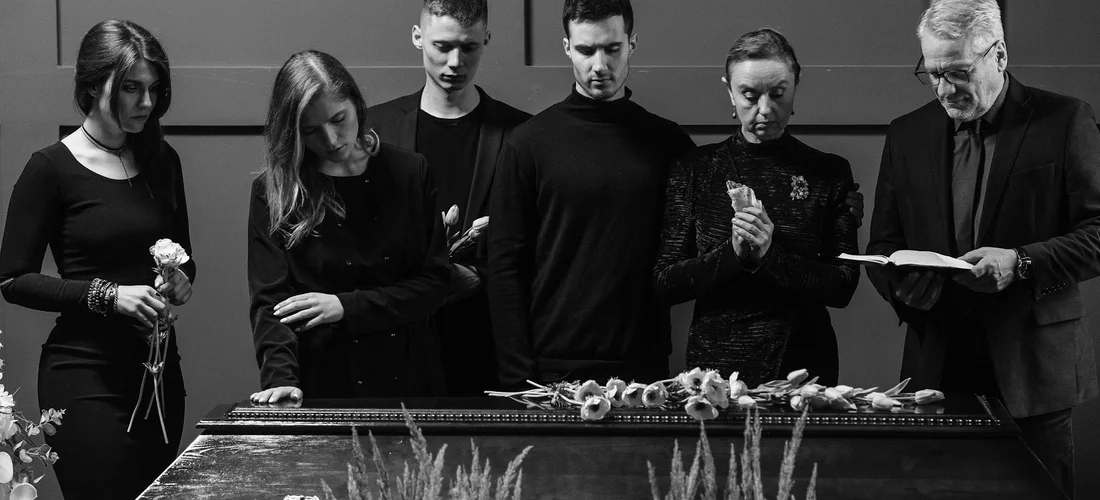
I believe the most valuable step is to approach fundraising with gentle honesty about your situation. Clear communication invites support and transforms a financial need into a shared act of care.
Please consider dignified, eco-friendly choices as a final gesture of respect. Choosing green funeral options can further honor your values by reducing environmental impact. Your ongoing attention to Funeral Care, Funeral Needs, and Funeral Questions honors your loved one through informed and compassionate decisions.
Expert Resources and Citations
- 10 Fundraising Ideas for Memorial and Funeral Costs
- Give A Hand | Start a Funeral fundraiser in 5 mins
- Don’t Make These Four Crowdfunded Funeral Mistakes
Emiliana Dieter
Emiliana is an author at The Valedictory. She is an experienced funeral care advisor and arranged and organized many funerals as part of her end of life consulting services. She has over 8+ years in the funeral industry managing her family funeral business and helping families cope with the loss of their loved ones. Her articles answer any and all questions you might have regarding funeral arrangements, costs, preparations, etc so you can make this a seamless experience.