Religious and Cultural Views on Cremation: Hinduism, Buddhism, and Other Traditions
If you are arranging a funeral, you might ask how cremation respects a loved one’s faith. This is a natural and caring question.
Here, we walk through the beliefs and practices of several major traditions. We will cover the central, spiritual importance of cremation in Hinduism, the diverse and contemplative approaches found in Buddhism, and the spectrum of views from other world religions like Christianity, Islam, and Judaism.
Key Takeaways: A Compassionate Summary
If you are reading this while grieving, please know your search for understanding is a respectful and loving act. I have sat with many families in this quiet space of questioning.
- In Hinduism and Buddhism, cremation is not merely disposal but a profound spiritual process. Views in other traditions, like Christianity or Islam, can vary from acceptance to prohibition.
- Your own personal belief and your family’s traditions are the most important guides you have. There is no universal rule that outweighs the heart of your loved one’s faith or your cultural heritage.
- This guide aims only to foster understanding and respect, not to prescribe one right way. My role is to offer clarity, so you can make choices that feel dignified and true.
Hinduism and Cremation: Releasing the Soul
To directly address the question, cremation in Hinduism is a sacred release, not an end. It is the most common practice, rooted in ancient scripture.
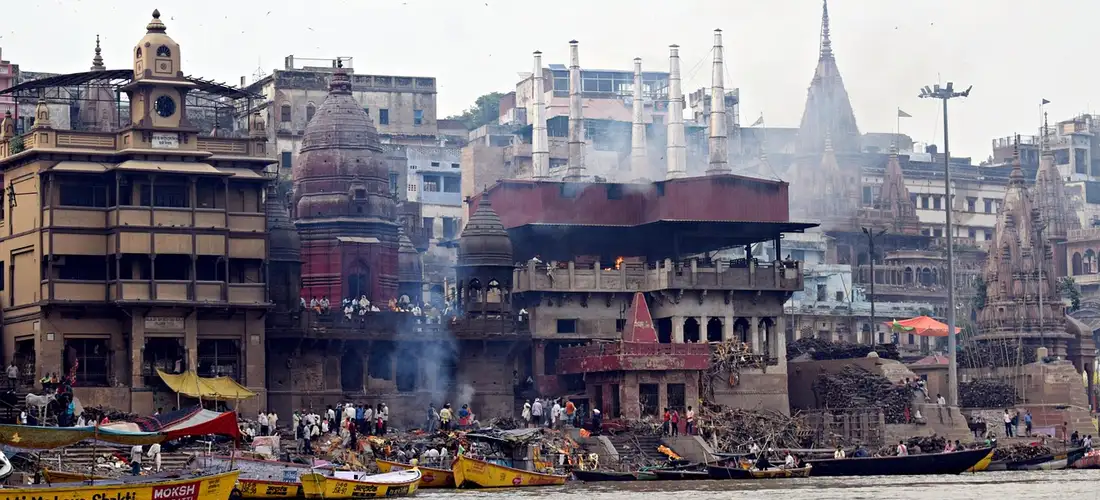
The core belief centers on the Atman, the eternal soul. The physical body is a temporary shell. Fire is considered the purest element to swiftly free the soul from its earthly attachment, allowing it to continue its journey toward rebirth or moksha, liberation.
Traditional rituals are rich with symbolism. The eldest son or a close male relative typically lights the funeral pyre. This act is a final offering, or “antyesti,” representing the conscious return of the five elements-earth, water, fire, air, and space-back to the universe. Ashes are often collected and later scattered in a sacred river like the Ganges.
So, are Hindus buried or cremated? The vast majority are cremated. But do all Hindus cremate? No. Meaningful exceptions exist for infants, saints (sadhus), and in some regions where burial is practiced for children or specific communities. These practices highlight the diversity within a shared faith.
Buddhism and Cremation: Impermanence and Compassion
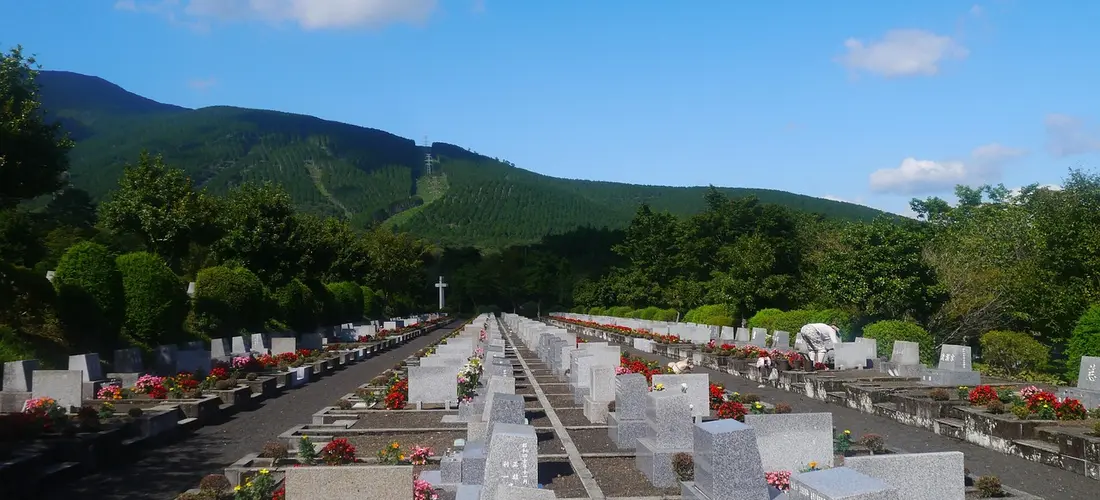
Many people come to me with a gentle question: what are the religious and cultural views on cremation in Buddhism? The view is often one of acceptance. Cremation is widely practiced as a dignified end that aligns with spiritual truth.
Cremation directly reflects the Buddhist teaching of Anicca, or impermanence. This core idea reminds us that all things, including the physical body, are transient. Letting the body go through fire is a final lesson in non-attachment.
I have seen how this perspective can soften the sharp edges of grief. It frames loss as part of a natural, compassionate process.
This leads to a common practical question: are Buddhists cremated or buried? Cremation is generally preferred, but you will find exceptions. Local customs, family wishes, and available resources all influence the final choice.
Anicca is not a cold philosophy. It is a gentle truth, like watching a candle flame go out. Cremation makes this release tangible and respectful.
Practices do vary between the major traditions. It helps to understand these differences.
In Theravada Buddhism, common in Southeast Asia, cremation is the standard practice. Monks lead chanting ceremonies that focus on the deceased’s peaceful transition.
Mahayana traditions, found in East Asia, also strongly favor cremation. In some Himalayan regions like Tibet, sky burial or water burial are practiced instead, often due to the scarcity of wood for cremation fires.
Within Vajrayana Buddhism, cremation is sometimes reserved for high lamas or monks. The ceremony is seen as a powerful fire offering that aids the consciousness in its journey.
So, are Buddhists cremated? In the vast majority of cases, the answer is yes. It is a practice deeply woven into the fabric of Buddhist life and death.
Common funeral rites provide a container for sorrow. There is often a period of chanting, such as reciting the Heart Sutra, before the cremation. The sounds are low and rhythmic, filling the space.
Families may sit in meditation together. They focus on generating compassion for their loved one and for all beings. This quiet time is a gift.
After cremation, the ashes are treated with utmost respect. They might be placed in a columbarium, scattered in a meaningful place, or interred with proper etiquette in a family plot. The act is always performed with mindful care.
Cremation in Abrahamic Faiths: Christianity, Islam, and Judaism
Christian Perspectives on Cremation
For centuries, most Christian traditions preferred burial over cremation. This preference is deeply rooted in the theological belief in the physical resurrection of the body. Examining biblical views on cremation and burial helps illuminate why these practices have been held in such communities. In some scriptural accounts, burial is presented as a preferred method, shaping longstanding tradition.
Many saw the body as a temple to be returned to the earth, awaiting a future resurrection.
In recent decades, views have softened considerably within many Protestant and Catholic communities. The Catholic Church, for instance, permitted cremation in 1963 and provided updated guidelines in 2016. However, there are still specific church protocols for Catholic funerals and cremations that need to be followed.
These guidelines stress that ashes must be treated with the same respect as a body, kept intact, and interred in a sacred place like a cemetery columbarium, not scattered or kept at home.
This shift reflects a focus on the spiritual intent behind the practice, rather than the method itself.
Yet, a strong preference for burial remains in Eastern Orthodox Christianity and some conservative Protestant denominations. In these traditions, cremation is often still discouraged or not permitted.
Islamic Views on Cremation
In Islam, cremation is strictly forbidden, considered Haram. The human body is believed to be sacred, a trust from God, and must be treated with the utmost dignity.
The belief in a physical resurrection on the Day of Judgment makes preserving the body’s integrity a profound matter of faith.
Islamic funeral rites emphasize a swift and respectful burial, usually within 24 hours if possible. The body is washed, shrouded in simple white cloths, and buried directly in the earth according to Islamic funeral customs.
The face of the deceased is turned toward Mecca, and the community gathers for a prayer, known as Salat al-Janazah, asking for God’s mercy.
For Muslim families, choosing cremation would cause deep distress and is seen as a violation of divine law. It is vital for caregivers and funeral homes to understand this absolute position to provide appropriate, respectful support.
Jewish Views on Cremation
Traditional Jewish law, or Halakha, prohibits cremation. Jewish practice emphasizes prompt burial in the earth, following the biblical precedent of “dust to dust,” contrasting with some Jewish views on cremation.
The body is viewed as belonging to God, and hastening its destruction through fire is traditionally considered a desecration.
Some liberal movements, like Reform Judaism, may be more lenient and will often officiate at memorial services following a cremation. Even within these communities, however, traditional burial is usually encouraged.
The historical memory of the Holocaust, where cremation was used as a weapon, has forged a deep cultural and emotional connection to earth burial for many Jewish people.
Choosing burial is often seen as an affirmation of life and dignity in the face of that history. For a traditional Jewish funeral, the community focuses on simplicity, speed, and the sacred duty of accompanying the deceased to their final resting place.
Cremation in Indigenous and Eastern Traditions
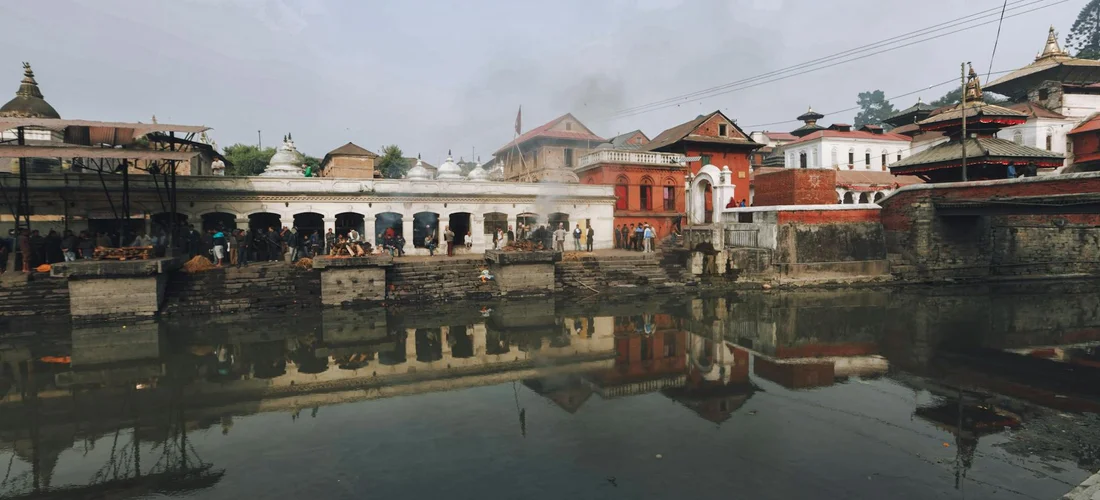
You might wonder how other cultures approach cremation beyond the more familiar traditions.
Practices vary deeply, shaped by beliefs about the spirit and the earth.
I have learned that the only universal rule is respect for the community’s way of honoring life.
Native American practices show remarkable diversity across hundreds of distinct tribes.
Did Native Americans cremate their dead? Yes, some did, but it was never a single custom.
For instance, the Chumash people along the California coast often used cremation.
They believed it helped release the soul to the afterlife.
Other tribes, like the Lakota, traditionally practiced scaffold or tree burial, often called sky burial.
This means your understanding must always begin with a specific family or tribal custom, not a general assumption.
The choice between earth, air, and fire was a sacred response to the land itself.
In Shinto, Japan’s indigenous tradition, cremation is now the common practice.
It is seen as a purification rite, helping the deceased become an ancestral spirit.
The ashes are often placed in a family grave, maintaining a connection across generations.
Zoroastrianism presents a different view, where cremation is traditionally avoided.
Followers believe the elements of fire, earth, and water are sacred and should not be polluted by death.
Instead, bodies are exposed in structures called Towers of Silence for sky burial.
This contrast reminds us that the same act can hold opposite meanings in different faiths.
The incredible diversity in these traditions can feel overwhelming when you are making arrangements.
I always advise families to speak directly with community elders or religious leaders.
These customs are not just rituals; they are a final act of love and identity.
Your most compassionate step is to honor the specific practice that brings peace to the bereaved.
Addressing Common Questions: Are Buddhists Buried or Cremated?
Many families come to me with this very question, their voices tinged with both grief and a desire to do right. The most direct answer is that Buddhists may be buried or cremated, but cremation is far more common. The choice often depends on the specific Buddhist sect and the cultural practices of the community.
In Theravada traditions, like those in Thailand or Sri Lanka, cremation is typical. The flames are seen as a powerful symbol of life’s impermanence. I remember a service where the gentle scent of sandalwood filled the air, a sensory reminder of letting go.
Mahayana practices in countries like Japan or Vietnam also strongly favor cremation. Yet, in some Tibetan communities, sky burial or water burial might be observed. These variations show how local customs shape final rites.
For our Hindu friends, the view is similar but distinct. Cremation is the strongly preferred method, understood as a sacred release. However, this is not an absolute rule, as burial may be chosen for infants, saints, or in certain regional customs.
What I have learned, above all, is that faith provides a framework, not a rigid command. Within every tradition, families find their own path, blending reverence with personal need. Your choice, made with love and respect, is what honors a life best.
Alternative Options: Beyond Traditional Cremation and Burial
For many people, the choice is not simply between a casket and an urn. Other paths exist that honor a person’s values, especially a deep connection to the earth.
Green or Natural Burial
Green burial seeks to allow the body to return to the earth with minimal interference. There is no concrete vault, and the casket or shroud is made from biodegradable materials like bamboo, wicker, or simple pine. This method stands in contrast to traditional burial practices, which often involve more artificial elements.
The gravesite often becomes part of a natural landscape, like a meadow or a forest. This choice reflects a desire for environmental harmony, focusing on natural decomposition rather than preservation. It feels less like an interruption of the landscape and more like a quiet return to it.
Water Cremation (Alkaline Hydrolysis)
Water cremation, known formally as alkaline hydrolysis, is an emerging alternative. The process uses a combination of warm water, flow, and alkaline salts to gently break down the body, leaving only bone minerals.
It uses less energy than flame-based cremation and creates no direct air emissions. While not yet universally available, it is gaining acceptance in some communities as a gentle, earth-conscious option. Some find its peaceful nature comforting.
Blending Traditions and Timing
Modern families often create their own meaningful rituals. A person might choose a direct cremation for its simplicity, then hold a separate memorial service at a favorite place. This allows time for family to gather without the immediate pressure of bodily disposition.
Elements from different faiths or cultural backgrounds can be woven together. Separating the physical farewell from the communal gathering provides flexibility, which can be a great relief during grief. It lets the ceremony focus wholly on remembrance.
The Path of Personalization
There is no single correct way to say goodbye. Your choices can reflect the unique life being honored, whether through music, location, or the method of care for the body.
What feels most truthful and respectful to the person you loved? That is the question to hold close. Personalizing a farewell is a valid and deeply respectful path, a final act of love that honors a singular story.
Note on Etiquette: Honoring Different Funeral Practices
Walking into a funeral service for a faith not your own can feel like entering a quiet, unfamiliar room. I have guided many families through these moments, and I always say that your respectful presence is the first gift you bring.
For Hindu antim-sanskar, or last rites, white or light-colored clothing is customary. Avoid black, which holds different meanings across cultures. Offer condolences with simple, heartfelt words like “I share in your sorrow.” Dressing modestly and speaking gently honors the focus on peace and transition.
At Buddhist ceremonies, wear conservative attire in subdued tones. You may hear the soft chant of sutras or periods of reflective silence. A small offering of fresh flowers or fruit is often appropriate. Observing these quiet rituals without interruption shows deep respect for the path to enlightenment.
Other traditions have their own nuances. In some, you might avoid physical contact with the body; in others, a gentle touch is a farewell. The key is to watch and learn from the family. Following their lead in action and demeanor is a universal sign of support.
When you feel unsure, a quiet question to a family member beforehand is a kind act. A little research can also ease your mind. Taking this small step shows you care about honoring their loved one correctly. It transforms anxiety into shared understanding.
Remember, grief is softened by companionship. Your sincere presence and compassionate silence often mean more than any perfect gesture. In my experience, families remember who showed up, not what they wore or said.
Compassionate Guidance: Your Questions Answered
Why is cremation the preferred practice in Hinduism?
It is seen as a sacred, purifying act that releases the eternal soul from the physical body, allowing it to continue its spiritual journey. Honoring this practice supports a final rite of profound meaning for the family.
How does the Buddhist view of cremation influence funeral planning?
The focus on impermanence encourages ceremonies centered on peaceful remembrance and letting go, rather than on the body itself. This can guide families toward creating a service that feels contemplative and compassionate.
What should I consider if my family’s traditions differ on cremation?
Open and respectful communication about each person’s beliefs is the most important first step. A funeral director experienced in multi-faith services can help you navigate these conversations to find a harmonious path forward.
Parting Reflections on Cremation Across Traditions
When planning a cremation, the single most important step is to center the religious and cultural beliefs of the deceased and their family. This respect transforms the act into a deeply meaningful tribute that honors a life and a legacy.
Providing dignified care includes considering eco-friendly options as part of responsible Funeral Care for all Funeral Needs. Gently seeking answers to your Funeral Questions is a practical way to care for both the departed and those who grieve.
Emiliana Dieter
Emiliana is an author at The Valedictory. She is an experienced funeral care advisor and arranged and organized many funerals as part of her end of life consulting services. She has over 8+ years in the funeral industry managing her family funeral business and helping families cope with the loss of their loved ones. Her articles answer any and all questions you might have regarding funeral arrangements, costs, preparations, etc so you can make this a seamless experience.