
How to Sell a Burial Plot: A Gentle, Step-by-Step Guide
The thought of selling a cemetery space can bring up quiet feelings of uncertainty. I want to help you move forward with confidence and respect.
This guide will walk you through the entire process, from your first decision to the final paperwork. We will explore checking cemetery rules, setting a fair price, finding a buyer, and handling the legal transfer.
First Thoughts and Gentle Considerations
Deciding to sell a burial plot is more than a financial transaction. It can feel like letting go of a plan you made for yourself or a loved one.
You might feel a quiet sense of relief mixed with something harder to name. That is a normal and valid way to feel.
Selling an unused cemetery space is a common and practical choice for many people. Life circumstances change, families relocate, and plans evolve. This decision is about responding to your current reality with clarity.
Before you look at paperwork, take a quiet moment. Consider your reasons for selling. Are you managing an estate, simplifying your own affairs, or addressing a financial reality? Knowing your ‘why’ will guide you through the steps with a steadier heart.
Is It Legal to Sell My Burial Plot?
Let’s answer the central question directly. Yes, in most cases, you can sell or transfer an unused burial plot you own, even if you bought it to reserve for future use.
A burial plot is considered a form of real property. Your proof of ownership is a document called a burial plot deed or certificate of ownership. This deed functions much like a deed for a house, granting you specific rights to that space. In some cemeteries, ownership is paired with a burial plot ownership lease that outlines use, duration, and renewal options. Knowing the lease terms helps you understand your long-term rights and duties for the plot.
Those rights almost always include the ability to sell or transfer the plot to another person. You should always review your specific deed and the cemetery’s rules first, as a few cemeteries retain a right of first refusal or have specific transfer procedures.
You generally have three primary paths forward. You can sell to a private buyer, sell the plot back to the cemetery itself, or donate it to a qualified organization or individual. Each option might be better suited depending on the type of burial plot you have.
Essential Documents and Information You Will Need
Gathering these items first will make the entire process smoother. Think of it as creating a small, important file for this task.
- The Original Burial Plot Deed: This is your most critical document. If it’s lost, contact the cemetery immediately to request a duplicate.
- Cemetery Details: The full name, physical address, and phone number of the cemetery where the plot is located.
- Plot Identification: The exact section, lot, and plot numbers. This is like the plot’s address within the cemetery grounds.
- Cemetery Rules & Regulations: A copy of the cemetery’s bylaws. This outlines any restrictions on sales or transfers you must follow.
- Personal Identification: Your government-issued photo ID. If you inherited the plot, you may also need a copy of the death certificate of the original owner to prove your legal right to sell.
Your Immediate Step-by-Step Checklist
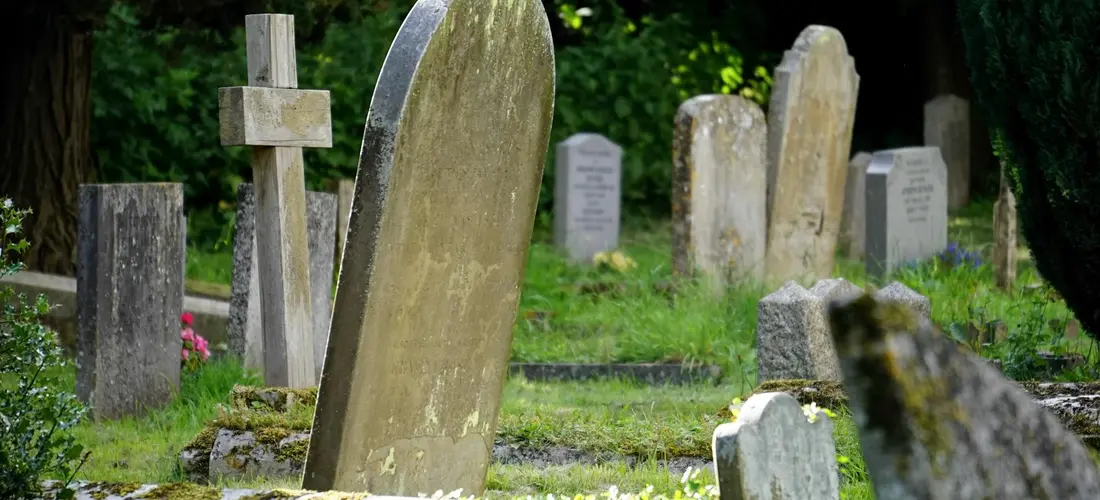
Let’s begin with a simple, actionable plan. Having a clear path forward can make a difficult process feel more manageable.
First, locate your plot deed and every piece of paper from the original purchase. This document, often called a Certificate of Ownership or Deed of Interment, is your proof. Check it for any special notes or restrictions.
Your next call is to the cemetery’s administrative office. Cemeteries have their own specific rules for transfers. Understanding cemetery plot burial regulations can help you ask informed questions. These regulations cover ownership rights, transfer processes, and eligibility. Ask them directly: “What is your process for an owner reselling a plot?” Listen carefully and take notes.
Knowing the cemetery’s rules from the start will prevent costly misunderstandings later.
While you have them on the phone, request their current price list for new plots. Ask specifically for the section where your plot is located. This number is your most important pricing tool.
Gather everything into one physical folder: your deed, purchase paperwork, cemetery rules, and the price list. Having it all in one place saves time and reduces stress when a potential buyer appears.
Finally, pause. This is more than a transaction. Reflect on what a fair outcome means for you, considering both the financial aspect and the weight of letting go.
How to Determine a Fair Price for Your Plot
Setting a price can feel strange. You are not just selling property, you are releasing a place meant for remembrance. Be gentle with yourself during this step.
The most reliable benchmark is the cemetery’s current retail price for a new, comparable plot. If a new plot in your section sells for $5,000, your used plot will be worth less. This is the ceiling for your asking price, especially considering burial plot costs can vary by region.
Your plot’s resale value typically falls between 50% and 90% of what the cemetery charges for a new one today.
Look at online marketplaces dedicated to burial plots. See what sellers are asking for spaces in your area or similar cemeteries. This research gives you a sense of the market, but remember, asking prices are not always selling prices. Compare these with the typical burial plot cost and pricing to gauge if they are reasonable.
Several factors influence value. A plot on a gentle hill under a tree is often more desirable than one in a central, flat area. Spaces in a dedicated religious or veteran’s section can also hold different value for the right buyer.
Think of it like selling a home in a quiet neighborhood. Location, view, and peacefulness matter. Your pricing should honestly reflect what your specific plot offers.
Where and How to List Your Plot for Sale

Specialized online marketplaces are your most effective channel for reaching a national audience of interested buyers. Websites dedicated to this purpose connect sellers with people specifically looking for plots, often in certain regions or cemeteries. You will likely find this more productive than general real estate sites.
Local classifieds or community bulletin boards can still yield results, especially in smaller towns. Some people prefer to buy a final resting place close to family or in a familiar community. Think about local newspapers, both in print and online, or community Facebook groups.
Your listing must be detailed to attract serious inquiries. I advise including the following:
- The full, exact name of the cemetery and its city.
- The precise section, lot, and plot number from your deed.
- Clear photos of the plot’s setting and any permanent marker.
- Whether it is a single, double, or companion plot.
Always protect your privacy and personal safety when dealing with private buyers. Use the communication tools within the listing platform initially. Meet in a public place, like the cemetery office, if an in-person meeting is needed. Trust your instincts if an interaction feels uncomfortable.
Common Mistakes to Avoid When Selling
The first and most common error is not speaking with the cemetery. You must understand their specific transfer process and all associated fees before you list anything. This prevents surprises and delays later.
Pricing requires a clear head. The emotional value you attach to the plot is not part of its market value. Research what similar plots in that cemetery have recently sold for to set a realistic, competitive price — just like you shouldn’t let emotion cloud your judgment on funeral home pricing.
Do not forget that cemetery transfer or recording fees are typically the seller’s responsibility. Factor these costs into your final price calculation so you are not left covering them out of pocket.
Vague listings waste everyone’s time. A post for “a grave plot in Springfield” is useless. “Garden of Memories, Springfield, Section Eternal Peace, Lot 12, Plot D” provides the clarity a genuine buyer needs.
Never complete a private sale without the cemetery’s involvement. Exchanging money and a handshake does not legally transfer ownership. The cemetery must process the paperwork to officially change the name on the deed.
What Happens When You Have a Buyer?
Once you agree on a price with a buyer, the final process is straightforward but formal. You will both sign a simple bill of sale document. Then, you must complete the cemetery’s own transfer paperwork together. The office staff can guide you through their specific forms.
The sale is not final until the cemetery records the new owner on their official books and issues a new deed. This legal step is what truly transfers the rights from you to the buyer. Do not consider the transaction complete until you have confirmation this is done.
Use a secure payment method. A cashier’s check or a bank wire transfer provides a clear paper trail. Always provide the buyer with a receipt upon payment, and keep a copy for your own records.
You may wonder, can you simply sell the plot back to the cemetery itself? Some cemeteries do have repurchase policies, but they are not universal. If they offer it, the repurchase price is often significantly below retail market value. It can be a faster, simpler option if available, but contacting them to ask is the only way to know.
If Selling Feels Difficult: Other Compassionate Options
The process of selling a burial plot can feel heavy. For some, the idea of a transaction connected to loss is simply too much to bear. If that is where you find yourself, please know you have other dignified paths forward. Some may also wish to explore practical steps like buying, selling, or investing in a burial plot as part of a careful plan. We can walk you through these options with sensitivity and respect.
Your feelings are valid, and your choice deserves respect.
Donating the Plot Back
Many cemeteries have programs to accept the return of an unused plot. They may call it a “donation” or a “re-conveyance.” You contact the cemetery office, sign some paperwork (different from plot ownership renewal), and they take the deed back into their inventory.
This act can lift a practical burden from your shoulders while ensuring the space will serve another family in the future. Some charitable organizations also accept donated plots to assist families in need. Always ask for a formal receipt if you choose this route, as it may provide a tax deduction based on the plot’s current market value.
Formally Disclaiming an Inherited Plot
You may have inherited a plot you never wanted and feel no connection to. In this case, you can formally disclaim or refuse the inheritance. This is a legal process, not just walking away.
You file a written disclaimer with the probate court or the estate’s executor within a specific time frame. By disclaiming, the plot passes to the next eligible heir as if you never inherited it, cleanly removing your legal and financial responsibility. Consulting with an estate attorney is the best way to ensure this is done correctly for your situation.
The Validity of Your Choice
Holding onto a grave site out of guilt serves no one. Releasing it, whether by sale, donation, or disclaimer, is not an act of forgetting. It is a practical decision made with the clarity of your present life in mind.
Choosing an alternative is a valid and often kind decision for yourself and your family. It allows you to honor memory in your own way, free from the weight of an unused piece of land. Your peace is what matters most.
Frequently Asked Questions
What are the best platforms to sell a burial plot online?
Specialized online marketplaces dedicated to cemetery properties are the most effective. These platforms connect you directly with serious buyers and often provide guidance to ensure a secure and respectful transaction.
What final costs should I expect as the seller?
As the seller, you are typically responsible for the cemetery’s transfer or recording fees. It is important to factor these costs into your pricing so the final sale meets your financial expectations.
Is selling my plot locally a better option than selling online?
Selling locally can be ideal for buyers wishing to be near family, and it simplifies the transfer process. A local sale often fosters a personal connection, knowing the plot will serve someone within your own community.
Parting Reflections on Selling a Burial Plot
The single most important step is to move forward with gentle patience and a firm grasp of the cemetery’s specific requirements. By prioritizing clear communication and thorough documentation, you can navigate this process with respect for both the space and your own peace of mind.
As you look ahead, I encourage you to explore dignified care and eco-friendly options within Funeral Care, Funeral Needs, and Funeral Questions. Continued learning in these areas supports compassionate and responsible planning for yourself and those you love.
Industry References
- Buy and Sell Cemetery and Burial Plots Online | BurialLink
- r/askfuneraldirectors on Reddit: Advice on selling burial plots
- Best Advice on Selling an Extra Burial Plot
- Buy and sell cemetery lots and burial plots for thousands less online at Gravesolutions.com The national cemetery database. Listings added daily.
Emiliana Dieter
Emiliana is an author at The Valedictory. She is an experienced funeral care advisor and arranged and organized many funerals as part of her end of life consulting services. She has over 8+ years in the funeral industry managing her family funeral business and helping families cope with the loss of their loved ones. Her articles answer any and all questions you might have regarding funeral arrangements, costs, preparations, etc so you can make this a seamless experience.