
How to Find a Specific Burial Plot or Grave in a Cemetery
Searching for a grave often brings a quiet ache, mixed with a need for connection. I have stood where you stand, and I can help you find your way.
This guide will walk you through practical steps, drawn from my experience. Key points include:
- Gathering essential information before your visit
- Contacting cemetery offices for records and maps
- Using online grave locators and databases
- Navigating the cemetery and reading physical markers
Key Takeaways: Before You Begin Your Search
Locating a grave is often a quiet journey of both memory and paperwork. From my experience, a successful search is built on three pillars.
You need good information from home, the right contacts at the cemetery, and a patient strategy for when you walk the grounds.
The cemetery office is your most authoritative source. They maintain the official plot records and maps that public databases might not show. For families tracing ancestors, these records can reveal burial locations that other sources miss. From there, you can consult nearby archives and church records to fill gaps and build a fuller ancestral map.
I know this task can bring a swell of feelings. The simple act of looking for a stone can feel heavy. Consider inviting a trusted friend to join you, not just for help, but for comfort.
Step-by-Step Checklist: How to Find a Burial Plot
-
Gather your information at home. Start with any funeral documents, obituaries, or old letters. Look for the full name of the deceased, the death date, and the cemetery’s name. Even a vague memory of the section, like “near the old oak,” is a useful clue.
-
Call the cemetery office. This is your most important call. Have your notes ready. A staff member can often look up the plot location in their records while you’re on the phone. Ask for the section, lot, and plot numbers.
-
Request a map. If the office provides one, ask them to mark the general area or email you a copy. If records are older or unclear, ask about the best time to visit for assistance.
-
Plan your visit. Choose a time when the office is open, even if you plan to search on your own. Wear comfortable shoes and consider the weather. Bring a notebook, the map, and a pen to mark your path.
-
Begin your on-site search. Start at the office to confirm details. Then, proceed to the noted section. Look for landmarks first, like trees or pathways, then scan row by row. Names on headstones can fade; take your time and look closely.
-
Practice kindness with yourself. This is not a race. If you feel overwhelmed, pause. Sit on a bench. It is perfectly fine if this process takes you more than one day. Your care in finding them is what matters most.
Gathering Your Information: What You Need to Know First

Before you set out, gather what you know. The right details make the search smoother and gentler on you.
These four pieces of information are your compass:
- The person’s full name, including maiden name if applicable.
- Their precise date of death.
- The full and correct name of the cemetery.
- Any existing plot deed, certificate, or lot number.
Start your search at home. Look through old family files and important papers. Check the paperwork from the original funeral service, often kept with other vital documents. Family bibles, old letters, and dated photographs sometimes hold handwritten notes about these matters, especially related to funeral financial documents for the estate.
Reach out to other relatives. An aunt may remember the section of the cemetery, or a cousin might have a copy of the obituary. Sharing this task can ease the burden and bring its own comfort.
Necessary Paperwork and Information
Having physical documents in hand is very helpful when you make official inquiries. Look for these specific items.
- The official death certificate: This is the most authoritative record and will contain the place of burial.
- A burial plot deed or certificate of interment: This legal document lists the exact plot, lot, and block numbers.
- The original funeral home contract or statement: This paperwork always records the cemetery name and often the plot location.
Do not overlook simpler items. A saved obituary notice or a memorial prayer card from the service almost always names the cemetery, providing your first crucial clue.
Who to Contact: Your Most Important Resources
The cemetery office is your most vital resource. They maintain the official maps and burial records, called internment records. A phone call or visit there is often the final step.
To find their contact information, search online for the cemetery’s name and location. If you cannot find it, try calling the local public library or the city clerk’s office in the town where the cemetery is located. They usually know how to reach the caretakers.
Contact the funeral home that handled the arrangements. Even if it was decades ago, reputable homes keep meticulous archival records. They can often confirm the cemetery details and may even have the plot number on file, saving you a step. If you’re still trying to find funeral arrangements, a quick search of local providers can guide you to the right contact. The next steps may include links to resources that help you locate current services.
Do churches keep records of burial plots? Yes, absolutely. For a churchyard cemetery or a denominational cemetery, the associated church office or parish hall is the right place to call. They typically keep their own registers of burials in their grounds.
Asking the Right Questions When You Call
When you call, being prepared helps the staff assist you quickly. Have your gathered information in front of you. Speak clearly and politely.
You can use a simple script like this: “Hello, I’m hoping you can help me locate a burial plot. I’m looking for [Full Name], who passed on [Date of Death]. I believe they are interred in your cemetery. Could you check your records for the specific plot location?”
Always ask if they can provide the information in a helpful format. Many modern cemetery offices can email you a map with the plot marked or direct you to an online grave locator tool on their website. This allows you to see the location before you visit, which can make the journey easier.
Understanding Cemetery Records and Layouts

Most cemeteries are organized like a quiet city. Think of it as a grid. The cemetery itself is often divided into large sections, sometimes named after saints, trees, or flowers. Those sections are then broken into blocks and rows, with each individual plot having a unique number. Your search always begins with this simple address: Section, Block, Row, Plot.
Are burial plots public record? The answer is nuanced. Deeds and ownership records are private contracts between the cemetery and the plot owner, not typically filed in a public county database. However, many deaths and burials are recorded in public vital records. The most complete record of who is buried where is almost always the cemetery’s own private office. They maintain the definitive map and ledger. For researchers, public burial and cremation records can provide broader context beyond the cemetery’s own files. Access to these records varies by jurisdiction and may involve privacy or archival rules.
You can start your search from home. Online databases like Find a Grave or BillionGraves are built by volunteers and can be incredibly helpful. They are a good first step to locate a general area. Always view these online tools as helpful clues, not final answers, as they can contain errors or be incomplete.
Common Ways Cemeteries Organize Plots
Picture different neighborhoods in a town. A “garden section” might have winding paths and varied monuments, like an older, historic district. A “lawn crypt” area often feels like a serene park, with flat markers set flush into the ground. A mausoleum is a building, with crypts arranged in walls, much like a library for the departed.
As you walk, use the stones themselves as guides. Tall obelisks or ornate statues can act as landmarks. Look for patterns in the headstones; often, families purchased plots in a sequence, so you might find related names clustered together in a row. A newer, blank stone next to an older one can mark a recent burial in a family plot.
Your Visit to the Cemetery: A Practical and Gentle Guide
When you arrive, your first stop should be the cemetery office, if one exists and is open. The staff there can provide you with the precise location and often a small map. If the office is closed, look for a large map posted near the entrance gates. Taking a moment to get your bearings at the start can save you a long, disorienting walk later.
Please be kind to yourself during this visit. Wear sturdy, comfortable shoes for uneven ground. Allow yourself plenty of time, without rushing. The search can take longer than you expect, and you may wish to sit for a while once you find the place. Bringing a simple pencil and paper to make a rubbing of the inscription can be a quiet, tactile way to connect.
Finding a family plot involves looking for a shared surname or a large, central monument. Individual graves within a family plot are usually arranged in a specific order, such as by date of death or the spouse’s position, which the office can clarify. It is a profound moment, seeing generations resting side by side.
If the Grave is Difficult to Locate On-Site
Do not be distressed if the plot number from your notes does not seem to match what you see. Markers can sink, become overgrown, or sometimes were never placed. I have seen old, sunken stones hidden by grass, waiting to be found again.
If you are struggling, look for a groundskeeper tending the lawns. These individuals know every inch of the land with an intimate, quiet knowledge that office maps sometimes lack. They can often point you directly to a spot, remembering recent mowing patterns or the location of an unmarked grave.
There is no shame in returning to the office for more help. It is a common request. You can say, “I was looking for plot J-45, but I’m having trouble. Could you show me on the map again, or is there someone who could walk out with me?” Your search is a act of remembrance, and asking for guidance is part of that respectful journey.
When the Search is Challenging: Next Steps and Compassion for Yourself
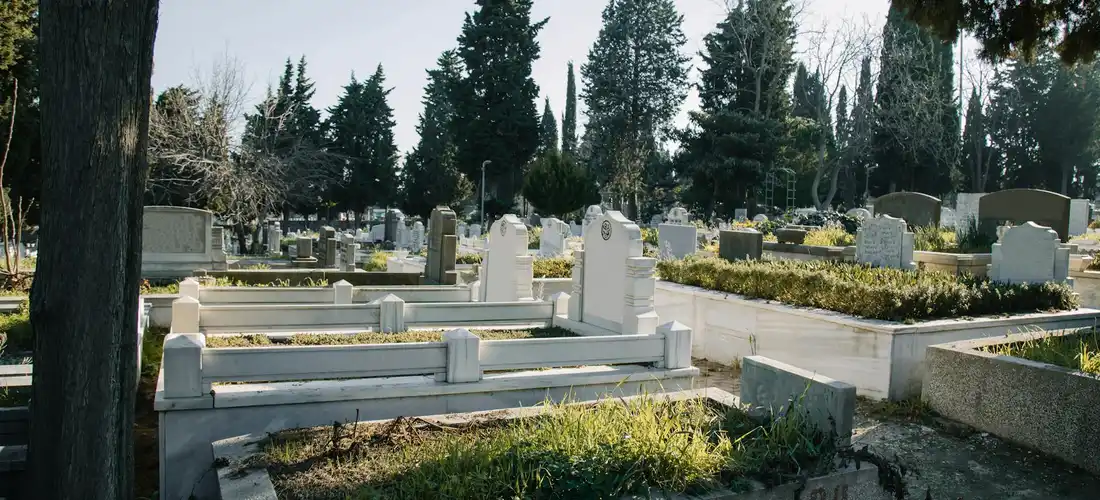
Not finding the grave you seek can feel like a fresh loss. Frustration and sadness are common companions in this search. Please be gentle with yourself if this happens.
Your journey to remember them is valid, even when the path is unclear. The difficulty does not diminish your love or their memory.
Alternative Paths for Research
When cemetery records are incomplete, other community resources can hold answers. These places often preserve details that official logs may have missed.
Local historical societies are guardians of a town’s story, frequently keeping burial transcripts, old maps, and family files. A volunteer there may recognize a name or plot section that points you in the right direction.
Public library archives, especially in the area where the person lived, are another essential stop. Look for collections of old local newspapers. Death notices and obituaries from the time often listed burial locations. These obituaries are often archived online or in microfilm collections, making it easy to find full notices from earlier decades. A focused search for old historical obituaries can widen your clues about burial locations and family ties.
Do not overlook the power of community memory. Speaking with longtime staff at nearby funeral homes or even older neighbors can sometimes unearth a crucial detail.
The Search as an Act of Remembrance
It helps to view this process not solely as a logistical task, but as a form of connection. Each phone call made and each archive visited is a testament to your care.
You are gathering the fragments of their story, piecing together a history that deserves to be known. This work has meaning, regardless of the immediate outcome.
Sometimes, the search itself becomes the memorial. The effort you expend, the questions you ask, they all honor the bond that remains. Carry that truth with you as you look.
Frequently Asked Questions
I don’t have any documents. How do I begin my search?
Begin by contacting the cemetery office with any details you remember, such as the person’s full name. They can often search records with minimal information, and reaching out to family or local historical societies may provide helpful clues.
I’m not a family member. Is it appropriate for me to visit a grave?
Yes, visiting as a friend or colleague is a respectful gesture of remembrance. Simply maintain a quiet, considerate presence to honor the site and any others who may be grieving nearby.
What tools can help me navigate the cemetery once I’m there?
Many cemeteries provide maps at the entrance or through mobile apps with grave locator features. A simple compass or GPS on your phone can also assist in orienting yourself to sections and rows.
Parting Reflections on Your Search
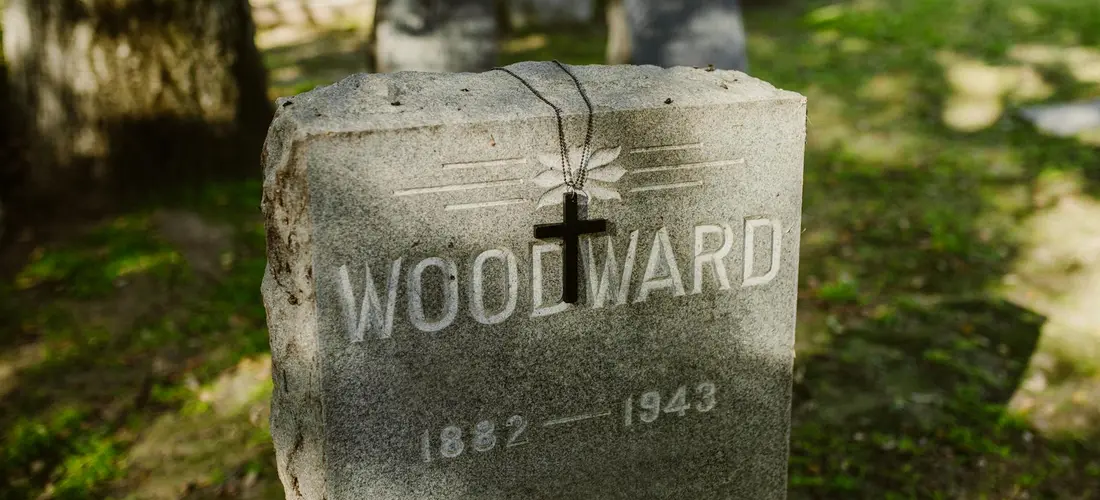
From my years in funeral care, I find that the most reliable path begins with a single, calm call to the cemetery office. Their records and compassionate guidance are the surest way to honor your intent and find the specific place you seek. It’s often just one step among many in your journey, including selecting the right funeral home services that resonate with your needs.
Tending to a gravesite with dignity is a profound act of remembrance; I often see families find comfort in exploring gentle, eco-conscious care. May your journey through questions of Funeral Care, Funeral Needs, and Funeral Questions be met with both practical support and personal peace.
Industry References
- Find a Grave – Millions of Cemetery Records
- Grave Locator and Urn or Plaque – Search
- Name Lookup
- New York Cemeteries • FamilySearch
Emiliana Dieter
Emiliana is an author at The Valedictory. She is an experienced funeral care advisor and arranged and organized many funerals as part of her end of life consulting services. She has over 8+ years in the funeral industry managing her family funeral business and helping families cope with the loss of their loved ones. Her articles answer any and all questions you might have regarding funeral arrangements, costs, preparations, etc so you can make this a seamless experience.