
Funeral Home Services and Locations: A Compassionate Guide for IDs 593, 690, 1145, and 1195
Searching for funeral homes with specific identifiers can feel both urgent and lonely. I want to help you find clear answers with care.
In this article, I will share my professional experience to guide you through the details.
- The common services offered by homes like these
- How to locate them using their IDs
- What to consider when planning with compassion
Key Takeaways for a Gentle Start
I want you to know you are not alone in this search. Many families come to me feeling overwhelmed, and I always start by offering a quiet moment of reassurance.
Funeral homes provide a gentle spectrum of care, from simple, direct services to more traditional gatherings with visitation. This means you can choose what feels right, not what you think is expected.
When we talk about location, it is more than an address on a map. A funeral home’s place in the community is about convenience for your family and a connection to shared memories and support.
You will find clear, upfront pricing. Costs are presented transparently, and there are respectful options for every budget. No one should carry the added worry of hidden fees.
A guiding professional handles the complex legal paperwork and logistical details, allowing you space to grieve and remember. I have seen the relief this brings, letting families focus on being together.
Understanding Different Types of Funeral Homes
A community funeral home often feels like an extension of the neighborhood. The approach is warm and family-centered, with staff who might know your story and can offer a familiar, comforting presence.
Celebration of life funeral homes focus on personalization and the unique joy of the person being honored. The atmosphere here might feel lighter, filled with music, photographs, and stories that truly reflect a lived life.
A full-service funeral home provides a comprehensive path. This model typically manages every step, from the initial care and visitation to the final burial or cremation service. It is for those who find structure helpful during uncertainty.
Think about which environment brings your family comfort. The right choice often comes down to whether you seek intimate local care, a personalized celebration, or a single source for all traditional arrangements.
What is a Community Funeral Home & Sunset Cremations?
This specific model combines the close, personal care of a local funeral home with on-site cremation services. Imagine a peaceful, dedicated space where all care happens under one familiar roof.
This integration simplifies planning immensely by removing the need to coordinate between separate facilities. It reduces logistical stress during a time when even small tasks can feel heavy, allowing for a more seamless and gentle process.
Common Funeral Home Services Explained

From my years in funeral care, I know that understanding these services can bring a measure of calm. They are designed to carry the weight of logistics so you can bear the weight of grief.
Core Services: The Foundation of Care
Every arrangement begins with a few essential acts. Transfer of care is the first, quiet step where we bring your loved one into our respectful custody. Preparation follows, which may involve washing, dressing, or embalming, always performed with dignity.
We file all necessary legal permits, like the death certificate. Handling this paperwork is a crucial service that protects you from administrative burdens during a sensitive time. Throughout, our staff offers steady guidance, answering your questions with patience and clear information.
Burial Services: Earthly Return
A traditional burial involves several coordinated parts. We work directly with the cemetery to secure a plot and schedule the interment. This coordination includes arranging for the opening and closing of the grave.
The graveside service itself is a moment of profound closure. These rites, whether simple or elaborate, provide a physical space for final goodbyes, often marked by personal words, music, or silence. The feel of the earth, the scent of flowers, and the gathered community all honor the life that was lived.
Cremation Services: A Different Path
Cremation is a process of reduction using respectful, high heat. The body is placed in a special chamber, and what remains are bone fragments, which are then processed into a fine ash. This body cremation process is described in more detail in the next sections. More information about the steps involved will be provided there.
Afterward, you have many choices for the ashes. You might keep them in a selected urn, scatter them in a meaningful location, or even divide them among family members. This flexibility allows you to create a memorial that feels deeply personal and comforting. We can discuss every option to find what brings you peace.
Immediate Need Services: When Time is Short
Sometimes, a death requires swift action due to religious custom, family circumstance, or personal wish. Immediate need services are structured for these moments. We mobilize quickly to manage the transfer, essential preparation, and all legal filings.
Even when moving with urgency, we never compromise on the compassionate care and dignity your loved one deserves. The process feels streamlined, not rushed, allowing you to focus on being together rather than on details.
Pre-arranged Planning: A Gift of Love
Planning your own funeral in advance is one of the most considerate acts you can undertake. It involves making your wishes known for services, burial, or cremation, and often setting aside funds to cover costs. Pre-planning funeral arrangements can ease the burden on your loved ones during a difficult time.
I have witnessed the relief this brings to families. Pre-arranging is a final kindness that spares your loved ones from difficult guesses and financial stress during their grief. It is a quiet gift of love, a roadmap left behind that says, “I have thought of you.”
A Quick Snapshot of Service Options and Costs
Every family’s needs are different, and most funeral homes offer a few core service options to meet them. The table below outlines three common choices. This is a general guide. If you’re in the process of choosing funeral home services, this framework can simplify the decision. It also helps you compare options and prepare questions for your next discussion with providers. The exact services and costs will vary, but this gives you a helpful starting point for any discussion.
| Service Type | Typically Includes |
|---|---|
| Direct Cremation | Basic services of staff, securing necessary permits, transportation of the deceased from the place of death to the funeral home, a simple container for cremation, and the cremation itself. No ceremony is held beforehand. |
| Basic Service Fee | This covers the essential professional services of the funeral director and staff. It includes planning, securing permits, death certificate filing, and overhead costs. It is usually added to the cost of any other service or package you select. |
| Full Traditional Funeral | Includes the basic service fee, embalming and other care of the deceased, use of facilities for a visitation and funeral ceremony, transportation vehicles (hearse, family car), and coordination with the cemetery or crematory. |
Please remember that merchandise like caskets, urns, or burial vaults is almost always a separate cost. The items listed in the table are for professional services and the basic containers required by law.
I encourage you to use this table as a reference. When you speak with a funeral director, you can point to these categories and ask, “What does this look like here, and what are the associated costs?” It helps frame your conversation and ensures you understand what you are paying for.
Finding the Right Location for You

You are not required by law to use a funeral home in your immediate town or city. Many families choose a provider in a different community for personal reasons.
Perhaps a loved one wished to return to a hometown. Maybe you now live far from other family members. Your choice is valid.
There are practical comforts in selecting a home nearby. A location close to family reduces travel during a difficult time. It allows neighbors to offer support more easily.
Funeral homes near hospitals are familiar with the necessary procedures and paperwork. This can smooth a difficult transition. Homes near a place of worship can facilitate a unified service, though it’s important to understand the differences between funeral home and church services.
If the deceased was a veteran, a funeral home near a military base often has deep experience. Their staff usually understands the specifics of veterans’ benefits and burial honors, which can relieve a significant burden from the family.
Starting a search can feel overwhelming. Be gentle with yourself. You do not need to call every listing today.
Begin by simply noting a few names that appear in your community. Drive by their buildings when you are out. See if the setting feels peaceful or respectful to you.
Ask a trusted friend to look at websites with you. Your first step is just observation, not a commitment.
Considering a Community Funeral Home & Sunset Cremations in Orlando
Let us consider a specific example. Imagine you are seeking care in Orlando and find a provider like Community Funeral Home & Sunset Cremations.
This name suggests a focus on local families and a specific service, cremation. It hints at a possible range of options from traditional funerals to simpler arrangements.
One of the most revealing things you can do is visit their website. Look beyond the service prices and facility photos.
Read the recent obituaries they have posted. Notice the language they use. Do the tributes feel personal and warm, or are they very brief and formal?
The way a funeral home helps families honor a life tells you more about their compassion than any advertisement ever could. It shows their role in the community.
When to Call a Funeral Director for Professional Guidance

When a death occurs, the physical act of moving your loved one is a regulated and sensitive task. Transferring a loved one from the place of death requires the care and authority of a licensed funeral professional. I have always found that families breathe easier knowing this duty is in trained, respectful hands.
Filing the death certificate forms the legal backbone for all that follows, from closing accounts to settling an estate. A funeral director assumes the critical role of completing this and other vital documents accurately and promptly. This allows you to step back from bureaucracy and simply be with your grief.
Arranging a cremation or transporting someone across state lines involves a web of specific permits and authorizations. Navigating these requirements demands expertise that a funeral director provides, ensuring every legal detail is properly addressed. They handle the complexities so you do not have to.
In the fog of loss, coordinating a service with clergy, a cemetery, musicians, or florists can feel overwhelming. A funeral director’s support in managing these vendors and logistics relieves an immense practical burden from a family. This coordination creates the space for you to gather, remember, and begin to heal.
Arranging Meaningful Tributes and Flowers
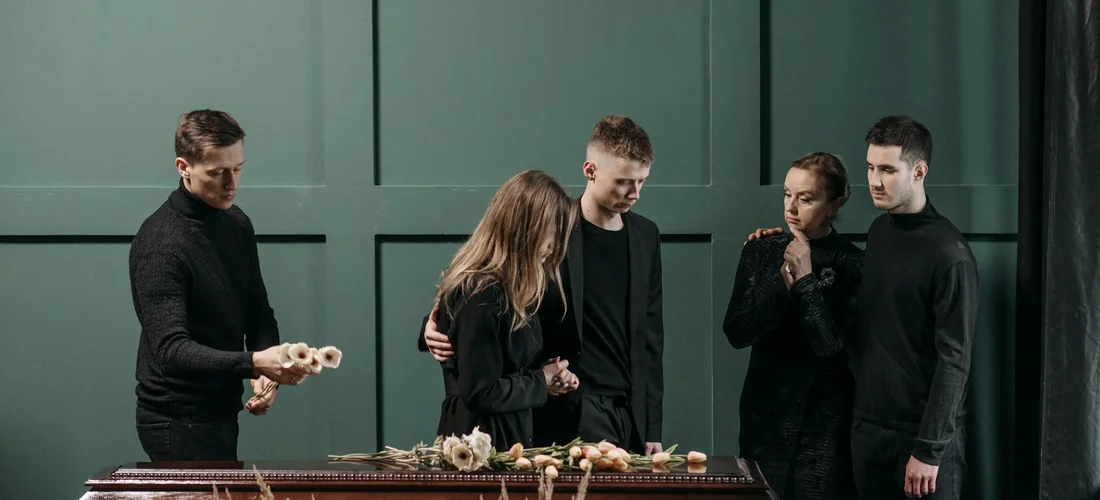
Planning a service feels overwhelming when grief is fresh. I suggest you focus on one choice at a time. Break the process into small, manageable steps.
- First, decide on the type of gathering. Will it be a traditional funeral, a memorial service, or a simple celebration of life?
- Next, choose a location. The funeral director can guide you to chapels, churches, or peaceful outdoor spaces they work with regularly.
- Then, consider the tone. Select music, readings, or speakers that feel true to the person you are honoring.
Taking each step slowly allows you to create a service that feels right, not rushed.
Flowers bring a softness, a touch of living beauty, into the space. For local options, the funeral home can provide a list of florists they trust. These shops understand funeral timings and appropriate floral tributes.
Online flower services are a practical choice for family spread across the country. Many websites offer sympathy arrangements designed specifically for funerals. Look for options that guarantee delivery dates timed appropriately for funeral services.
Whether you call a neighborhood shop or order online, clear communication about the funeral date is key.
Sending flowers directly to the [funeral home](https://thevaledictory.com/address-funeral-flowers-cards-delivery) is straightforward. When you place your order, provide the full, correct address of the funeral home. You must include the full name of the deceased.
Specify that the delivery is for a funeral service and mention the date and time of the visitation or ceremony. This helps the florist coordinate with the funeral home staff for a graceful arrival.
Always include your name and a brief message so the family knows the tribute came from you.
Your choices do not need to be elaborate to be meaningful. I have seen a simple jar of wildflowers from a granddaughter speak volumes. A single candle lit in silence can hold as much love as the largest floral spray.
What matters is the intention behind your tribute. It is a quiet act of remembrance, a way to say what words sometimes cannot.
In grief, even the smallest gesture carries the full weight of your care.
Accessing Ongoing Grief Resources and Support
Many funeral homes provide grief resources because our care for you does not end when the service is over. We understand that the days and weeks following a funeral can feel especially hollow, and having a trusted place to turn for guidance is a small but meaningful form of continued support. Managing grief after the service is an ongoing journey. We’re here to help you navigate the funeral service and the days ahead. Offering these materials is a natural extension of the compassion we strive to show every family.
It is very common to need more support long after the final arrangements are complete. The initial rush of planning and gathering gives way to quiet, and that is when the reality of loss often settles in most deeply. Reaching out for help in the months that follow is not a sign of weakness, but a step toward healing.
If you are wondering what kind of support might be useful, here are resources you can often find through a funeral home. You do not need to navigate this alone.
- Printed booklets and pamphlets that address common grief reactions and offer gentle coping strategies for different age groups.
- Schedules for local grief support groups, which provide a space to share your experience with others who truly understand.
- Private referrals to licensed grief counselors or therapists who specialize in bereavement.
- Recommendations for helpful books, websites, or community programs tailored to specific types of loss.
- A simple, open invitation to call the funeral home if you have questions or just need to talk to someone familiar with your story.
Frequently Asked Questions About Funeral Homes with Specific IDs
What do ID numbers like 593, 690, 1145, and 1195 mean for a funeral home?
These IDs are typically unique reference numbers used by funeral planning directories or guides to help you pinpoint specific providers. Think of them as a compassionate tool to simplify your search during a difficult time.
How can I find the exact location and services for a funeral home if I only have its ID?
We recommend reaching out to the organization or database that provided the ID, as they can directly supply the funeral home’s contact and service details. You may also gently cross-reference the ID with trusted online funeral home listings to confirm the information.
Should I expect different levels of care from funeral homes identified by such numbers?
No, these numbers do not reflect the quality or scope of care; they are simply identifiers for reference. Every funeral home is committed to providing personalized, compassionate services that honor your loved one with dignity.
Honoring Your Path in Funeral Planning
The most important guidance I can offer is to let both specific services and thoughtful location guide your choice of a funeral home. Finding a place that aligns with your practical needs and emotional comfort can bring profound peace during a difficult time.
Please consider the dignity of care and the value of eco-friendly options as you reflect on Funeral Care, Funeral Needs, and Funeral Questions. Continuing to learn about these matters is a respectful and responsible step toward honoring a life fully.
Emiliana Dieter
Emiliana is an author at The Valedictory. She is an experienced funeral care advisor and arranged and organized many funerals as part of her end of life consulting services. She has over 8+ years in the funeral industry managing her family funeral business and helping families cope with the loss of their loved ones. Her articles answer any and all questions you might have regarding funeral arrangements, costs, preparations, etc so you can make this a seamless experience.