
Dove Release at a Funeral: Symbolism and Planning Guidance
When words feel insufficient, the sight of doves ascending can express what hearts often cannot. I have found this tradition offers a gentle moment of release for those saying goodbye.
This article will walk you through the meaning and practicalities of a dove release. • The profound symbolism of doves in mourning and remembrance • How to responsibly arrange a release with a professional • Essential logistics, from timing to location • Thoughtful ways to personalize the moment
Key Takeaways: Compassionate First Steps
The white dove symbolizes three main things. It represents a wish for peace for the departed and those left behind. It visualizes the soul’s journey onward. And it stands for a love that continues, even after goodbye.
Your first step is always a conversation. Speak with your funeral director or clergy member. They can tell you if a release is possible at your chosen location and connect you with a reputable handler for funeral committal services.
This is a deeply personal choice, and there is no right or wrong answer. Some families find profound comfort in the gesture, while others may prefer a different tribute. Your funeral home is there to guide you through all the options with care, ensuring that the family member funeral tribute reflects your unique sentiments.
What Are Dove Releases at Funerals?
You see a quiet moment, often at the end of a graveside service. A handler opens a woven basket or a small cage. One, or several, pure white doves step out into the light. After a brief moment, they beat their wings and rise into the sky together.
Attendees often feel a collective pause, a shared breath. The sight provides a visual focus for powerful, wordless emotions. This tradition is chosen by families seeking a symbolic, moving conclusion to a service. It is a real practice that some find meaningful.
People often wonder about the birds. These are specially trained homing pigeons, not wild doves. After their flight, they circle to get their bearings and then fly directly back to their home loft, where they are cared for.
A Gentle Tradition Explained
Think of it as a ceremonial act, a final shared gesture. It typically happens as the last formal part of the service, offering a sense of closure. The focus shifts from the ground to the open sky.
The sound is a soft rustle, then the clear beat of wings. The white forms grow smaller against the blue or gray, until they seem to disappear. It is a brief, beautiful moment that can feel like a physical release of emotion.
How Common Are Dove Releases?
This practice is not universal, but it is widely recognized. You will find it in many communities, often intertwined with various cultural and religious traditions that view the dove as a sacred messenger.
Your funeral director is your best resource for local customs and regulations. They will know if local parks or cemeteries allow it and can recommend trusted professionals who prioritize the birds’ welfare. They are also familiar with funeral home director regulations that cover arranging services, permits, and required documentation. This knowledge helps keep your plans compliant and makes the process less overwhelming during a difficult time.
The Meaning Behind the Moment: Symbolism of Funeral Doves
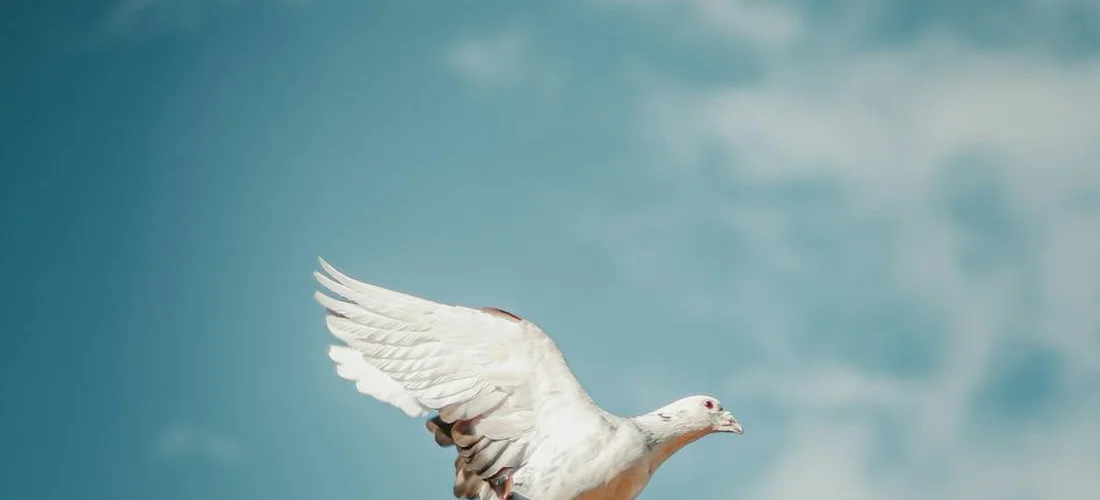
Across cultures, the white dove carries a quiet weight. It is more than a bird, it is a symbol. For many, its appearance speaks directly to the heart’s need for peace and a glimmer of hope in a time of darkness.
Watching the doves lift into the sky creates a powerful, wordless metaphor. It can feel like witnessing the soul’s own transition, a gentle release from earthly bounds. That single, shared moment of looking upward can unite everyone in a final, visible farewell.
Doves as Symbols of Peace and Transition
From ancient stories to modern imagery, the dove represents peace. It is a symbol found in many religions and cultures, often appearing after a storm. At a funeral, the release is not a performance. It is a visual prayer, a collective wish for your loved one’s journey to be a peaceful one.
The simple act of letting go mirrors our own need to release sorrow. Seeing the doves fly away offers a tangible sense of a journey beginning. It turns an inner feeling of hope into something you can see with your eyes.
The Soul’s Flight: A Visual Metaphor
Grief can feel heavy and confined. The sight of doves soaring upward breaks that feeling. It provides a focal point, something beautiful and alive to concentrate on amidst the sadness.
For many families, the ascending doves represent the spirit being set free, finding its way home. This symbolism does not erase pain, but it can offer a profound comfort. It gives a shape to the intangible, helping hearts begin to process the loss.
Cultural and Religious Interpretations
In Christianity, the dove is a powerful symbol of the Holy Spirit and the soul’s return to God. Other faiths and traditions also see birds as messengers or symbols of liberation.
Yet the most important meaning is the one you and your family feel. Whether rooted in faith or personal sentiment, the ritual’s power lies in the intention you give it. It is a moment for your private reflections and shared memories.
How to Plan a Dove Release: A Step-by-Step Guide
Planning a tribute like this while grieving can feel overwhelming. Breaking the process into clear steps can help. The most important first call is to your funeral director, as they can guide coordination with the venue and answer any funeral details questions.
First Steps: Deciding If It’s Right for You
Begin by quietly reflecting. Consider the setting, like a graveside or garden, and the weather. Think about your loved one’s personality, would they have appreciated such a gesture?
Discuss the idea with immediate family to find consensus. This moment is for everyone, and shared agreement brings its own peace. There is no right or wrong choice, only what feels fitting for your farewell.
Finding and Vetting a Reputable Provider
Your funeral director is your best resource for referrals to experienced, ethical handlers. A professional provider is essential for the birds’ welfare and a smooth ceremony.
When you speak to a handler, ask key questions. How are the doves trained and cared for? What is their homing instinct guarantee? This is also the time to ask how many doves are released at a funeral, as providers offer symbolic numbers, like a single dove or a flock representing family.
Understanding Timing, Location, and Permits
The most common moment for the release is just after the final prayer or benediction, as people are gathering their thoughts. It serves as a poignant closing to the service.
You must check local regulations and venue rules; some public parks and cemeteries prohibit animal releases. Your provider and funeral director can often help with this, but confirming it yourself prevents a painful last-minute issue, especially when handling post-funeral events and legal steps.
Coordinating with the Funeral Service
Provide your funeral director with the dove handler’s contact details early. They will coordinate the vendor’s access and arrival time.
Decide where the doves will be kept before the release, often in a discreet, ventilated vehicle or a designated quiet area. A simple plan ensures the focus remains on the meaning of the moment.
The Day-of Timeline and Sequence
A typical timeline is straightforward. The handler arrives early to assess the location and prepare. They will often place the doves in a beautiful presentation box near the gathering.
Designate one family member to be the point of contact for the handler. This person gives the final cue, often a simple nod, after the officiant signals the end of the service. The handler then guides the family, sometimes inviting them to open the cage.
Cost Considerations and What to Expect
Costs vary based on your location, the number of doves, and the handler’s travel. You can expect a range that is often comparable to other floral tributes.
The fee typically includes the handler’s time, the trained doves, and a presentation vessel. A reputable provider will explain all costs upfront and focus on creating a respectful, seamless tribute for your family.
Common Mistakes to Avoid When Planning a Dove Release
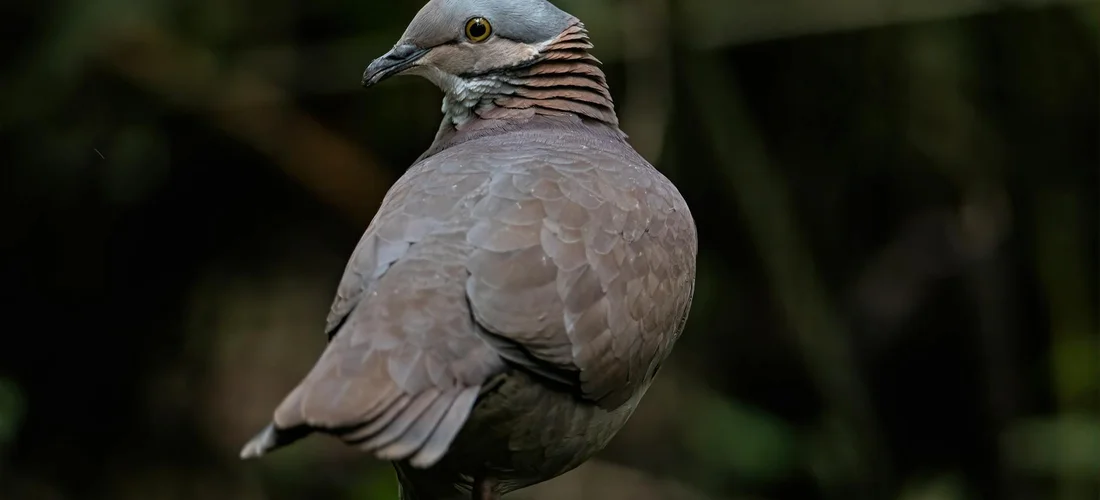
In the tender space after a loss, we often reach for symbols that feel pure and comforting. A dove release is one of those gestures. Planning it, however, requires a practical mind alongside a grieving heart. A few overlooked details can turn a moment of peace into one of stress.
I have seen families encounter unexpected hurdles. They usually stem from three areas: not checking rules, misunderstanding the birds themselves, or making a quick emotional decision without a plan. Being aware of these points will help you create the serene moment you envision.
Overlooking Local Regulations and Venue Rules
This is the most common, and potentially disruptive, oversight. The poetry of the moment exists within a framework of local laws and property rules. What feels like a universal gesture of peace may not be permitted everywhere.
Many cities and counties require a permit for any animal release. It is your responsibility, or that of your funeral director, to secure it. Do not assume the dove handler will handle this.
Furthermore, always check with the venue directly. Many cemeteries, public parks, and even some churches have strict policies against animal releases for safety and ecological reasons. A last-minute denial at the graveside is a hardship no one should bear.
Misunderstanding Dove Behavior and Care
There is a gentle truth many are surprised to learn. When you ask, “do doves released at funerals come back,” the answer reveals a practice built on animal welfare. True white doves would be lost and vulnerable if simply set free.
Reputable services use specially trained, pure white homing pigeons. These birds have a powerful instinct to return to their loft, often miles away. The birds you see flying gracefully heavenward are, in fact, going home. This ensures their safety and allows them to be part of many meaningful ceremonies.
Always ask a provider about their birds’ care, training, and transportation. You should hear a clear commitment to their well-being. This respect for life honors the spirit of your tribute.
Emotional Spending Without a Clear Plan
Grief can make us want to seize on any gesture that promises comfort. In that vulnerable state, it is easy to book a service immediately, hoping it will solidify a feeling. This can lead to complications if the logistics are not confirmed first. Understanding how to manage grief through thoughtful funeral service planning can provide practical support during this time. A guided approach to funeral management helps align decisions with your needs and values.
Do not sign a contract or pay a deposit until you have verified the release is allowed at your specific time and location. Confirm all details in writing. A clear agreement prevents surprise fees and ensures everyone understands their role on a sensitive day.
This practical step is not a negation of your love. It is an act of care for yourself and the other mourners, protecting the moment you wish to create.
When to Call a Funeral Director for Help
If the idea of a dove release speaks to you, your very first call should be to your funeral director. I say this not as a point of business, but as a point of care. They are your navigator for this specific journey.
A good funeral director has seen it all. They know which local venues are accommodating, which vendors are reliable, and what the common pitfalls are. Leaning on their expertise is not a burden; it is the wise and normal way to plan a meaningful service. They can translate your wish into a workable plan. They can help you compare funeral reception planning venues—from intimate chapels to larger halls—to fit your vision and budget. This groundwork makes selecting and coordinating the reception a natural next step.
Situations Requiring Professional Guidance
Some scenarios particularly benefit from a director’s steady hand. If your ceremony will be at a cemetery or a public park, the rules can be complex and vary by the hour. Your director knows how to get clear answers efficiently.
Call them if you are unsure how to weave the release into the service’s order. Should it come after the eulogy? As people depart? They can suggest what flows most naturally.
Most importantly, call them if you feel overwhelmed. When grief makes even small decisions feel immense, delegating logistics is an act of self-preservation. A director can manage these details so you can focus on being present.
How a Funeral Director Can Simplify the Process
Think of your funeral director as the central coordinator. Once you express your wish, they can reach out to trusted dove release handlers on your behalf. They will ask the questions you might not think of, like arrival times and backup plans for bad weather.
They will communicate clearly with the venue about the plan. Often, they can handle the permit application process directly or give you exact instructions. On the day itself, they will ensure the handler is in the right place at the right time, creating one less thing for you to oversee.
Their role is to build a bridge between your heartfelt symbolism and the reality of the day. Allowing them to do that work is a gift to your future self.
Considering Alternatives: Balloons, Lanterns, and More
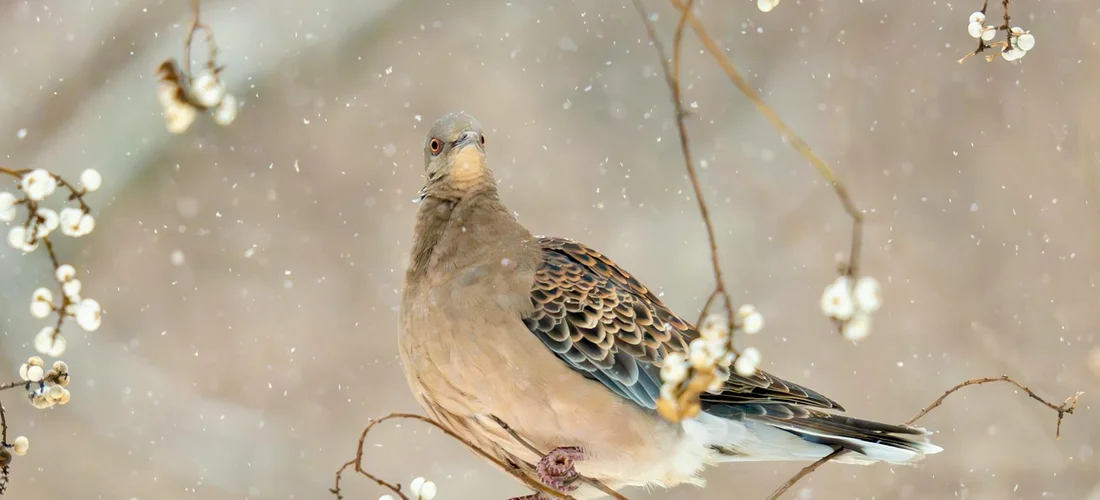
A dove release is a beautiful tradition, but it may not suit every person, place, or budget. Some venues have strict rules, and others prefer a different kind of tribute.
I am often asked, ‘can you release balloons at a funeral?’ While balloons can symbolize letting go, they pose serious risks to wildlife and the environment. Many communities now ban them.
The good news is many other symbolic acts provide that same profound sense of release and tribute. Your gesture can be just as meaningful.
Why Some Choose Alternatives to Doves
Practical considerations often guide this choice. Urban locations, cemetery regulations, or severe guest allergies can make a live release impossible.
For some, personal preference leans toward a simpler, or more stationary, memorial. I have also noticed a growing desire for eco-friendly gestures.
Choosing an alternative is not a lesser tribute, but a personal one that respects practical realities and individual values.
Balloon Releases: Symbolism and Considerations
Releasing balloons can feel like visually sending love skyward. The act of letting them go mirrors the emotional release we seek in grief.
Yet, what comes down can harm animals and litter natural spaces. Latex balloons, even when labeled biodegradable, take years to break down and are dangerous when ingested.
If balloons feel essential, consider using them as stationary decor. You could tie them to a memorial bench or fill a room with them, then responsibly deflate and dispose of them after the service.
Other Meaningful Gestures of Release
You might plant a tree or a perennial flower. Watching it return each year creates a living, growing tribute that honors a cycle of life.
Scouting wildflower seeds in a meaningful place is another gentle act. So is a group moment of silent prayer or song as everyone looks to the sky together.
Lighting a single candle or floating a petal on water can be deeply moving. The intention behind your gesture is what gives it weight and comfort.
The most fitting tribute always reflects the unique spirit of the person you are honoring and the collective heart of those who mourn them.
Thoughtful Considerations: A Brief Dove Release FAQ
How can family members be included in the release itself?
Many handlers offer a gentle, guided role for the family, such as opening the basket door together. This participatory act can provide a tangible moment of shared farewell and closure for those who wish it.
What happens if the weather is bad on the day?
A professional handler will have a clear contingency plan, which may include a symbolic indoor presentation. Your safety and the birds’ welfare are the top priorities, ensuring the tribute remains respectful.
Are the doves treated ethically by release services?
Reputable providers use specially trained homing pigeons that return safely to their loft. It is appropriate to ask any handler about their birds’ care, training, and homing process to ensure their practices align with your values.
Parting Reflections on a Dove Release
The most meaningful dove release flows from its symbolism of peace and spiritual journey, offering a moment of collective hope. Secure this intention by choosing an experienced, ethical handler who manages every practical detail with respect.
Such a choice honors dignified care and can align with eco-friendly values, reflecting thoughtful funeral planning. A green, eco-friendly funeral emphasizes sustainable practices and mindful resource use. Consider how your final arrangements can honor memory while protecting the environment. I encourage your continued exploration of Funeral Care, Funeral Needs, and Funeral Questions, as each informed decision supports a path toward healing.
Emiliana Dieter
Emiliana is an author at The Valedictory. She is an experienced funeral care advisor and arranged and organized many funerals as part of her end of life consulting services. She has over 8+ years in the funeral industry managing her family funeral business and helping families cope with the loss of their loved ones. Her articles answer any and all questions you might have regarding funeral arrangements, costs, preparations, etc so you can make this a seamless experience.