
Jewish Funeral Attire: A Gentle Guide on What to Wear
Wondering what to wear to a Jewish funeral shows your deep respect. Let me offer clear, compassionate guidance from my years of supporting families.
This article will walk you through the traditions with care.
- The importance of modesty and subdued colors
- Specific expectations for men’s and women’s clothing
- Items and styles to avoid as a sign of respect
- Practical advice if you are uncertain or grieving
Key Takeaways: Compassionate Guidance at a Glance
When choosing what to wear, remember your primary goal is to show respect and offer comfort to the mourners. Your attire is a visible sign of your support, helping to create a space where grief can be shared with dignity.
The universal principles are modesty and subdued colors. Choose clothing that covers your shoulders and knees, and avoid anything too tight or revealing. Traditional colors like black, navy, or dark gray are best, as they reflect the solemnity of the occasion without drawing attention.
Please do not worry excessively about getting every detail perfect. Your sincere intention to honor the deceased and comfort the family is what people will feel most deeply. Small mistakes are understood with grace.
I have attended many services in my career. There is a quiet dignity in a room filled with people dressed simply and respectfully; it feels like a collective embrace for those who are hurting. The soft fabrics and muted tones allow the focus to stay where it should be-on memory and love.
A Note on Etiquette: Beyond Clothing
What you wear is only one part of showing respect. Your behavior and your calm presence are equally powerful. Simply being there, listening, and offering a steady presence can be the greatest comfort of all.
When you speak to the grieving family, keep your words simple and heartfelt. Avoid saying things like “I know how you feel” or “They’re in a better place now.” A gentle “I’m so sorry for your loss” or “I am thinking of you” acknowledges their pain without trying to fix it. Sometimes, a warm handshake or a nod says everything.
Many people ask, should non-Jews wear a yarmulke at a funeral? Here is a clear way to navigate this custom. Wearing a head covering (kippah or yarmulke) is a standard sign of respect at Jewish funeral services for men. When you arrive, look for a basket of them near the entrance. If you see one, please place it on your head. If you are unsure, quietly observe what others are doing or ask a family member. Following this practice shows your respect for their traditions and your focus on mourning.
Other points of etiquette include arriving on time, silencing your phone, and preparing to participate in any rituals, like the tearing of a garment (kriah) if it is done communally. Your respectful attire sets the tone, but your attentive and compassionate presence completes the act of honoring both the departed and the living. Being mindful of funeral etiquette expectations helps you in attending with dignity and support for the mourners. It also provides guidance on appropriate conduct, seating, and participation during the service.
The Guiding Principles: Modesty, Color, and Respect

At a Jewish funeral, clothing is a quiet language of respect. It speaks to the solemnity of the occasion and shows consideration for the grieving family. The core values guiding your choice are simple: modesty, subdued color, and a neat appearance that avoids drawing attention. This is especially important when following funeral attire color traditions.
Think of the atmosphere as hushed and focused. It is a time for reflection, not for personal display. Your attire should help create that respectful space, allowing the community to come together in shared loss without distraction.
Your clothing should be a background gesture, allowing the focus to remain on honoring the person who has died and supporting those who mourn.
What Does Modesty Mean in This Context?
Modesty here is about coverage and conservatism. For both men and women, it means choosing attire that is not revealing. A good frame of reference is traditional business or formal wear. It is clothing that covers the shoulders, chest, and legs without being tight or flashy.
For women, this typically means dresses or skirts that fall below the knee, or trousers paired with a modest top. Necklines should be high, and sleeves should cover the elbows. For men, it means a full shirt, a jacket, and trousers that are not overly casual.
Choosing the Right Colors
Color sets the tone. Dark, muted shades are the standard because they reflect the gravity of the moment. They are a visual sign of mourning and respect.
- Appropriate Colors: Black, navy blue, charcoal gray, and deep brown. These somber tones are always safe and considered respectful.
- Colors to Avoid: Bright whites, red, orange, yellow, or any neon or pastel shade. Avoid loud patterns, bold prints, or anything with sparkle or sequins. These can feel celebratory or distracting in a space meant for grief.
When in doubt, choose the darkest, most conservative garment you own. It is better to be slightly understated than to risk causing offense with a color that feels too bright or cheerful for the setting.
What to Wear: A Practical Guide for Men
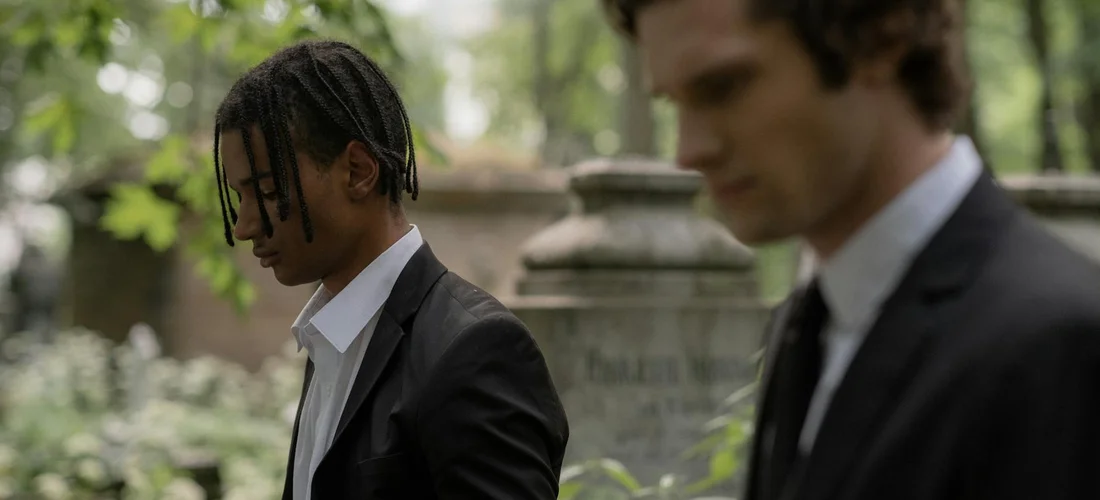
For male attendees, the question of what to wear has a clear answer. The goal is to look neat, polished, and respectful. A dark suit is the most traditional and appropriate choice. It shows you have made a conscious effort to honor the occasion.
If you do not own a suit, do not worry. You can assemble an outfit from separate pieces that follow the same principles of darkness, modesty, and neatness. The key is to avoid anything you would wear for casual leisure, like a sport, yard work, or a weekend outing.
Essential Components of Men’s Attire
Think of dressing in layers, each one contributing to a composed whole.
- Jacket and Trousers: A matching suit in wool or a similar fine fabric is ideal. If you are wearing separates, ensure both are dark-colored and of a formal weight, like dress trousers and a blazer.
- Shirt: A long-sleeved dress shirt in white, light blue, or another solid, subtle color. The collar should be neat, and the shirt should be tucked in.
- Tie: A tie is recommended. Choose one in a solid dark color or a very subdued pattern. It completes the formal look.
- Footwear: Wear clean, polished dress shoes. Black or dark brown leather shoes are best. Avoid sneakers, sandals, or boots that appear worn or casual.
A complete, dark suit communicates a deep level of respect without a single word being spoken.
For Non-Jewish Male Guests
These guidelines are for every attendee. The standards of respect are universal. As a non-Jewish guest, following this dress code is a powerful way to show you care. It demonstrates that you respect the family’s traditions and the solemnity of their loss. Your thoughtful attire will be seen and appreciated.
What to Wear: A Practical Guide for Women
For female attendees, the most appropriate attire is conservative and modest. Your clothing should not draw attention. It is a quiet statement of respect for the deceased and their family. Funeral attire guidelines generally emphasize simplicity and somber colors.
Choose a dark-colored, simple dress, a skirt and blouse, or a suit. Navy, charcoal gray, and black are always safe choices. I often suggest that clients think of what they might wear to a serious business meeting or a religious service.
The goal is to dress in a way that allows you to focus on the purpose of the gathering: to honor a life and support the mourners.
Keep jewelry simple and minimal. A single necklace or plain earrings are fine. Choose closed-toe, low-heeled shoes that are comfortable for standing. In some traditional settings, married women may cover their heads with a scarf or hat. It is a sign of reverence.
Essential Components of Women’s Attire
You can wear a dress or separates. Both are acceptable if they meet the standards of modesty central to Jewish funeral custom.
Dresses and skirts should fall at least to the knee. Sleeves should cover the shoulders and reach at least to the elbow. A jacket or cardigan over a sleeveless dress can also work well.
Opt for solid, subdued colors and avoid shiny fabrics, bold patterns, or loud prints. Soft, matte fabrics like wool, cotton, or jersey are respectful and appropriate. They do not distract from the solemn atmosphere.
Navigating Personal Style with Respect
You do not need to buy a completely new outfit. Look in your own closet for your most conservative pieces. A dark-colored, knee-length dress you own can be perfect.
If your usual style is more colorful, this is a moment to adapt. Choose your darkest, simplest items. Your personal expression takes a back seat to communal respect, and this temporary choice is a profound gesture of care.
Special Considerations: Head Coverings and Service Variations
Head coverings are a visible sign of respect in Jewish tradition. For men, this is the yarmulke, or kippah. For women, in Orthodox and some Conservative settings, a hat, scarf, or lace covering may be worn.
Non-Jewish attendees are often provided with a head covering at the entrance if one is required. Wearing it is a simple act of honoring the family’s customs. It shows you are willing to step into their world of grief.
The type of service matters. Expectations can vary between Orthodox, Conservative, and Reform Jewish funerals. The location matters too. Attire for a service held in a synagogue may be slightly more formal than one at a funeral home. Different funeral service types reflect distinct religious rites and customs. Understanding these options can help families plan with sensitivity and clarity.
Understanding the Yarmulke (Kippah)
The yarmulke is a small, round skullcap. It symbolizes an awareness of a higher power above. At a funeral, it is almost universally worn by Jewish men, and often provided for all male attendees.
If you are a man and a basket of yarmulkes is offered at the door, please take one and place it on the crown of your head. There is no specific side or angle; simply wear it so it stays on respectfully. You can return it to the basket as you leave.
Other Head Coverings and Accessories
In traditional services, married women may cover their heads with a scarf, hat, or even a piece of lace. If you are unsure, carry a simple dark scarf in your purse. You can observe what other women are doing or ask a family member quietly.
Beyond head coverings, keep all accessories subdued. Leave flashy handbags, bright ties, or statement jewelry at home. Your presence, not your possessions, is what provides comfort.
Attire for Different Jewish Traditions
In Orthodox services, standards for modesty are strict. Women will be expected to have covered shoulders and knees, and married women will cover their hair. Men must wear a yarmulke.
Conservative services follow similar guidelines, though sometimes with slightly more flexibility. Reform services may have the least formal requirements, but dark, conservative business attire is still the wisest and most respectful choice.
When in doubt, err on the side of more formality and modesty. If you are uncertain, a quick, quiet question to the funeral director or a family friend can provide perfect clarity. They will appreciate your thoughtful concern.
Common Questions About Jewish Funeral Attire

What is the most common misconception about Jewish funeral attire?
Many believe only black is acceptable, but dark, muted colors like navy or gray are equally respectful. The primary aim is to avoid bright or festive shades that might detract from the solemn atmosphere.
As a non-Jewish attendee, how can I ensure I’m respecting the customs?
Adhere to the principles of modesty and subdued colors, and wear a head covering if offered at the service. Your thoughtful effort to honor these traditions provides meaningful comfort to the grieving family.
What should I do if I’m unable to find appropriate attire in time?
Opt for the darkest, most conservative outfit you already own, ensuring it covers shoulders and knees. Your calm, supportive presence is the greatest gift, so do not let clothing concerns add to your stress.
Parting Reflections on Jewish Funeral Attire
The most important guidance is to choose modest, dark-colored clothing that shows respect for the deceased and their family. Simple, conservative outfits honor the solemnity of the occasion and align with Jewish customs. Make sure you also consider appropriate attire for funeral viewings if you haven’t yet.
As you navigate Funeral Care, Funeral Needs, and Funeral Questions, consider dignified and eco-friendly choices that reflect your values. Continuing to learn about these aspects can provide comfort and practical support during difficult times.
Sources and Additional Information
- Jewish Funerals: What to Expect When You Go | My Jewish Learning
- What to Wear to a Jewish Funeral | Attire & Etiquette Guide
- Jewish Funeral Etiquette Guide | What to Wear to a Funeral
- What to Expect at a Jewish Funeral – The first-time visitor’s guide to the levaya – Chabad.org
- Attending a Jewish Funeral When You’re Not Jewish | Horan & McConaty
- r/Judaism on Reddit: Hello friends, I will be attending a Jewish funeral soon. What should I know?
- I’m going to a funeral tomorrow. I was taught that a man should always wear a black suit on that occasion. It’s a Jewish service that is supposed to be ‘A Celebration of Life”. Is my black suit still the best option? – Quora
Emiliana Dieter
Emiliana is an author at The Valedictory. She is an experienced funeral care advisor and arranged and organized many funerals as part of her end of life consulting services. She has over 8+ years in the funeral industry managing her family funeral business and helping families cope with the loss of their loved ones. Her articles answer any and all questions you might have regarding funeral arrangements, costs, preparations, etc so you can make this a seamless experience.