
What Are the Differences Between a Funeral Wake, Viewing, Visitation, and Calling Hours?
Planning a funeral or paying respects can make terms like wake, viewing, visitation, and calling hours seem confusing. I want to help clarify these traditions for you with gentle, straightforward guidance.
This article will walk you through each gathering, highlighting their distinct purposes and practices. We will define a funeral wake, explain a viewing, describe a visitation, and outline calling hours.
Key Takeaways: A Compassionate Summary
If you find these terms confusing, you are not alone. They often overlap in meaning, and what matters most is the local custom and the specific wishes of the family.
All these gatherings share one heart. They are times to offer support, share memories, and express your condolences to those who are grieving.
The most common difference is that a “wake” often implies a vigil or watch, while a “viewing” specifically refers to a time to see the person who has died.
There is no single right way to do this. Your focus should be on the intention of your care and your physical presence, which holds more comfort than any label.
What Is a Funeral Wake? Meaning and Tradition
A funeral wake definition centers on a gathering to watch over the deceased. It springs from the old tradition of a vigil, keeping company with the person who has died, often held the night before the funeral.
This is most commonly a wake before a funeral. You might sometimes hear of a wake after a funeral, which is less common and serves as a time for shared reflection after the service.
The atmosphere can feel quiet and somber or be filled with the soft murmur of shared stories. It varies deeply with the family’s culture and their way of honoring a life.
I have always found a particular comfort in the quiet companionship of a wake. It is a shared silence that acknowledges loss, a gentle reminder that we do not grieve alone.
The Viewing: A Time for Final Farewells
A viewing funeral is a specific period, usually at a funeral home, where the casket is open. It allows you to see the person who has died one last time. In some cases, families choosing cremation still arrange an open casket viewing beforehand, for a final farewell.
Its primary function is to provide a sense of closure and to help make the reality of the loss feel tangible. For many, this visual farewell is a necessary step in grieving.
A viewing is often a part of a larger event, like a visitation or a wake. It might be scheduled for a certain hour within those broader calling hours.
Do these events typically involve an open casket? For a viewing, yes, that is its defining feature. For other gatherings, the casket may be open or closed based on the family’s choice.
Visitation and Calling Hours: Gathering to Offer Support
Visitation is a general term for a set time when friends and family can visit with the bereaved. It is a window for offering comfort in person, a chance to simply be there.
Calling hours is another name for visitation. In modern practice, comparing visitation vs. calling hours shows no real difference. They are used interchangeably.
Functionally, they are the same: a scheduled time to gather, share condolences, and support the grieving family.
During visitation or calling hours, the casket may be open for a viewing, or it may be closed. The focus rests on the living, on the shared embrace of community when words are hard to find.
Comparing a Wake vs. a Viewing: Key Distinctions
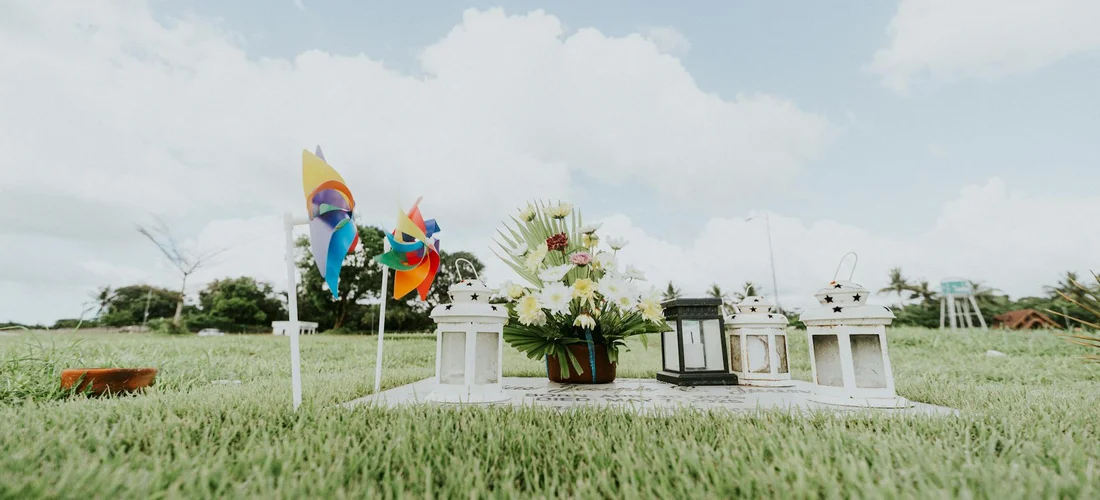
When you search for “a wake vs a funeral,” you are often seeking clarity on two separate gatherings that honor a loved one. A wake typically occurs before the funeral service itself, while the funeral is the formal ceremony. Understanding this difference can help you navigate your own plans or attendance with more confidence.
A wake centers on the act of keeping vigil and the comfort of community. It is a time for family and friends to gather, share memories, and simply be together in grief. The presence of the deceased is common, but the focus rests on mutual support. A viewing, in contrast, specifically refers to the opportunity to see the body of the loved one for a final time. This act can be a deeply personal step toward acceptance for many people.
Think of a wake as the entire gathering of remembrance, filled with quiet conversations and shared silence. A viewing is one specific, meaningful act that might happen during that gathering. It is like the moment you all look at a cherished photograph together within a longer evening of stories.
In practice, a viewing often takes place during the scheduled hours for a wake or a visitation. You might come to pay your respects at a wake and choose, when you feel ready, to approach the casket for a private viewing. This blending is natural, and I have seen it offer people a gentle path to saying goodbye. Sometimes, it’s comforting to have a better understanding of how the body is presented in the casket before attending the viewing.
Practical Details: Location, Host, and Duration
Where you gather matters. The setting shapes the feeling of the event.
A wake is most often held in a family home. This creates an intimate, personal atmosphere. Viewings and visitations are typically hosted in the quiet, prepared spaces of a funeral home. Some families choose a church hall or community center instead.
The immediate family, supported closely by the funeral director, hosts and organizes each of these events. We handle the logistics, from setting chairs to coordinating flowers, so your family can focus on being present with guests. We also help plan funeral arrangements, outlining options and timelines to keep decisions clear.
Durations vary, reflecting the different purposes of each gathering.
- A traditional wake may last several hours, or even extend through the night.
- A viewing or visitation is usually a defined block of time, often one to four hours in the evening.
- Calling hours are a specific type of visitation, typically two to three hours long, held just before the funeral service.
This leads to a common question: are viewings and funerals the same day? Usually, they are not. A separate viewing or visitation is often scheduled for the day or evening before the funeral ceremony. This gives everyone dedicated time to offer condolences without the immediate pressure of the formal service. These pre-funeral events—often called wakes or visitations—give families a quiet space to gather, share memories, and support one another before the ceremony. They’re a common part of pre-funeral planning that help set the tone for the day.
Timing Relative to the Funeral Service
The sequence of events is a gentle procession from private grief toward public farewell. The viewing or visitation acts as a quiet prelude. It is the chapter before the main service, allowing for personal connection.
Holding the visitation on a separate day provides essential space for both the family and friends to grieve at their own pace. It prevents the day of the funeral from becoming too overwhelming.
Other timing questions naturally arise from this. For instance, are funerals and burials on the same day? Often, yes. A committal service at the graveside typically follows the funeral ceremony directly. Similarly, are bodies cremated the same day as the funeral? This is less common. Cremation usually occurs after the funeral service, often in the following days. Your funeral director will guide you through this delicate schedule with great care.
Religious and Cultural Nuances in Terminology
You might wonder if certain words are tied to specific faiths or backgrounds. The terms for gathering before a funeral often carry echoes of tradition, but their use today is wonderfully flexible. I find that knowing a little history can ease your mind when you hear different words used.
Consider the word “wake.” Its roots reach deep into Catholic and Irish customs, where staying awake with the body was a vigil of prayer and community. Today, many families from all backgrounds use “wake” simply to mean a time for sharing stories and support. The sound of quiet conversation in a room, the sight of hands held-these moments of connection have grown beyond any single tradition.
On the other hand, “viewing” often finds its place in Protestant traditions or in communities where embalming is a common practice. This term gently highlights the chance to see your loved one for a final farewell, a moment that can bring a feeling of closure. It is a quiet, personal act of recognition that many find comforting.
In the end, the choice of words is a personal one. Families select the term that feels right, whether it draws from their faith, their region, or simply their own hearts. I have seen a family of no particular religion call it a wake, and a Catholic family opt for visitation. What matters is the respect and comfort the word provides for you.
Attending with Grace: A Note on Etiquette
Walking into a room heavy with grief can feel daunting. Your intention to be there is what matters most. Focus on offering simple, human comfort.
-
Choose clothing in subdued colors like navy, grey, black, or muted earth tones. The goal is to dress respectfully, not to stand out. Clean, modest attire shows you have honored the occasion with thought.
-
When offering condolences, a few genuine words from your heart mean more than a rehearsed speech. You can simply say, “I am so sorry for your loss,” or “I am thinking of you.” It is okay to admit, “I don’t have the right words, but I care.” Being mindful of funeral condolence phrases etiquette can help you choose words that are comforting and appropriate. These guidelines keep your message respectful and meaningful during a difficult time.
-
Your quiet presence is often the greatest comfort you can offer. You do not need to fill the silence. A warm handshake, a shared memory spoken softly, or simply sitting with someone is a powerful gesture of support.
-
Follow the family’s lead as a guide for your actions. Sign the guest book so the family knows you came. If there is an open casket, observe whether the immediate family is receiving visitors there. You may approach to pay your respects, or you may choose to offer your condolences from a respectful distance. Be mindful of funeral etiquette and how it can help you support mourners during these difficult times.
A Personal Perspective: The Gift of Presence
In my years of arranging and attending these gatherings, I have seen the same truth surface again and again. The specific name for the event matters far less than the quiet act of people showing up.
These hours are about human connection in its rawest form. They are a space for shared silence, for the weight of a hand on a shoulder, for the collective acknowledgment of a life that mattered. It is in these moments that grief, often so isolating, finds a doorway to community.
Do not let worry over terminology keep you from offering support. Whether it is called a wake, a viewing, or visitation, your purpose is the same. You are there to witness, to remember, and to embody compassion for those navigating a profound loss.
Compassionate Guidance: Your Questions Answered
Is there a difference in formality between these events?
Yes, a funeral wake can sometimes feel less formal, rooted in family gathering and vigil. A visitation or viewing at a funeral home often carries a slightly more structured, public atmosphere of receiving guests. There’s a notable funeral wake–vigil difference in tone and timing. Understanding this difference can help attendees know what to expect and how to participate.
Who is responsible for hosting each type of event?
The immediate family are the hosts, supported by the funeral director who manages the logistics. This partnership allows the family to focus on receiving comfort from their community.
How long do these gatherings typically last?
Calling hours are usually a set 2-3 hour block. A visitation may be similar, while a wake can be more fluid, sometimes lasting several hours or into the evening as friends and family come and go.
Parting Reflections on Funeral Gatherings
When planning a farewell, remember that the most meaningful choice honors your personal traditions and provides comfort to those grieving. Let your understanding of these gatherings guide you toward a moment that feels respectful and true.
In your approach to Funeral Care, seek out dignified and eco-conscious practices that reflect a deep respect for life and memory. Continue to gently explore Funeral Needs and Funeral Questions, allowing your knowledge to support compassionate decisions. Addressing funeral details and questions can provide clarity and assurance during challenging times.
Emiliana Dieter
Emiliana is an author at The Valedictory. She is an experienced funeral care advisor and arranged and organized many funerals as part of her end of life consulting services. She has over 8+ years in the funeral industry managing her family funeral business and helping families cope with the loss of their loved ones. Her articles answer any and all questions you might have regarding funeral arrangements, costs, preparations, etc so you can make this a seamless experience.