
Seasonal Funeral Attire: What to Wear with Respect in Winter, Spring, Summer, and Fall
Standing before your closet, unsure what to wear to a funeral, can feel like an added burden during a difficult time. I want to help you find an answer that brings a small measure of peace.
This guide offers compassionate, practical advice for dressing appropriately in any weather. We will focus on selecting dignified layers for winter, choosing adaptable pieces for spring, prioritizing breathable fabrics for summer, and finding balanced attire for fall.
Key Takeaways: Compassionate Guidance at a Glance
Choosing what to wear is an act of respect, not a test you can fail. The goal is to be present and supportive, not perfect.
Dark, subdued colors like navy, charcoal, gray, or deep burgundy are a safe and respectful choice regardless of the season. They show solidarity with the mourning family without drawing attention.
Your own comfort is a quiet act of self-care on a difficult day. Practical choices, like shoes you can stand in or a layer you can remove, help you focus on why you are there.
Modest clothing that suits the setting is the most important guideline. A graveside service in July calls for different practicalities than a church service in January.
A Gentle Note on Funeral Attire Etiquette
Your clothing is a quiet, non-verbal language. It speaks of your respect for the person who has died and your care for those left grieving.
A universal principle is modesty. This means avoiding clothing that is overly casual, revealing, or flashy. Think of it as a way to ensure all focus remains on remembrance and support.
If you know the service has specific religious or cultural customs, it is thoughtful to consider them. A call to the funeral home or a family member can provide gentle guidance, especially for religious funeral services.
When you feel uncertain, it is always kinder to err on the side of being slightly more formal. A simple, dark outfit shows you made a considered effort, which is always understood and appreciated.
How to Dress for a Funeral: Foundational Principles
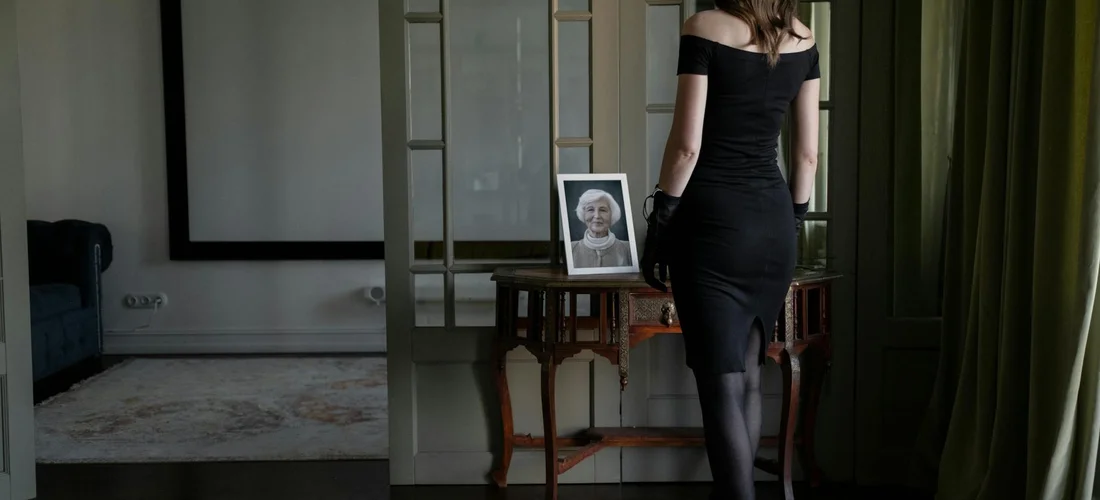
Start with dark, subdued colors like black, navy, charcoal, or deep gray. These tones are a quiet signal of respect and solidarity. Choosing a dark color is a simple way to show you honor the solemnity of the gathering. I have always found that this common thread helps people feel united in their grief.
Your choice of fabric matters for both appearance and comfort. Look for materials like wool, cotton, or structured suit blends that hold their shape. A polished fabric helps you present a respectful appearance while allowing you to move with ease. A wool jacket or a cotton dress, for instance, can feel substantial and dignified.
Pay close attention to your shoes. Select closed-toe footwear that is clean and in good repair. Comfortable shoes are essential, as you will likely be standing or walking on what can be a long, difficult day. I remember how a supportive pair made a tangible difference during services.
When you consider how to dress for a funeral, let these core principles guide you. Your attire is a personal gesture of care, meant to provide comfort to others and to yourself. It is a quiet act of respect that speaks when words are hard to find. Adhering to funeral attire etiquette ensures that your clothing reflects the appropriate solemnity of the occasion.
What to Wear to a Funeral in Winter
What should you wear to a funeral in winter? The answer balances warmth with respect. Your goal is to stay comfortable in the cold while honoring the solemnity of the occasion through dignified, layered clothing. For a concise reference, the funeral viewing attire guide covers winter-appropriate options. It helps translate warmth and respect into appropriate, understated choices.
For women wondering how to dress for a funeral in winter, think of a dark dress or suit paired with opaque tights and a warm sweater. A long, dark wool coat and a simple scarf provide essential warmth. Men can layer a thermal undershirt beneath a dark suit, with a classic overcoat and a muted scarf, especially when questioning suit appropriateness for funerals.
The foundation is smart layers. Thermal underlayers in black or skin tones are invisible but effective. A fine-knit sweater or a cardigan over your blouse or shirt adds another respectful barrier against the chill.
Staying Warm with Dignity: Layers and Outerwear
Choose an outer coat that is formal enough to wear inside. A knee-length wool coat in black, navy, or charcoal is ideal. This ensures you remain appropriately dressed if you need to keep your coat on during an indoor gathering.
Sweaters, cardigans, or a elegant shawl are perfect middle layers. They can be removed if you become too warm but maintain a polished look on their own. Stick to solid, dark colors or very subtle patterns.
Accessories like gloves and hats should be simple. Choose black leather gloves or a dark knitted pair. A plain beanie or cloche hat in a dark color keeps you warm without drawing attention.
Winter Footwear and Practical Considerations
When planning how to dress for a winter funeral, footwear is a critical practical step. Select formal shoes with a durable sole that can handle snow, slush, or wet pavement. For women, a closed-toe, low-heeled pump or a sleek ankle boot works. Men should opt for sturdy, polished leather shoes. Make sure to choose appropriate funeral shoes that complement your outfit.
Consider bringing a pair of indoor shoes in a bag. You can change into them at the venue, keeping your outdoor boots clean and dry. This small act of preparation helps you focus on the service, not the weather.
Focus on warmth, dignity, and practicality. Your presence, comfortable and composed, is the most meaningful gesture you can offer.
What to Wear to a Funeral in Spring
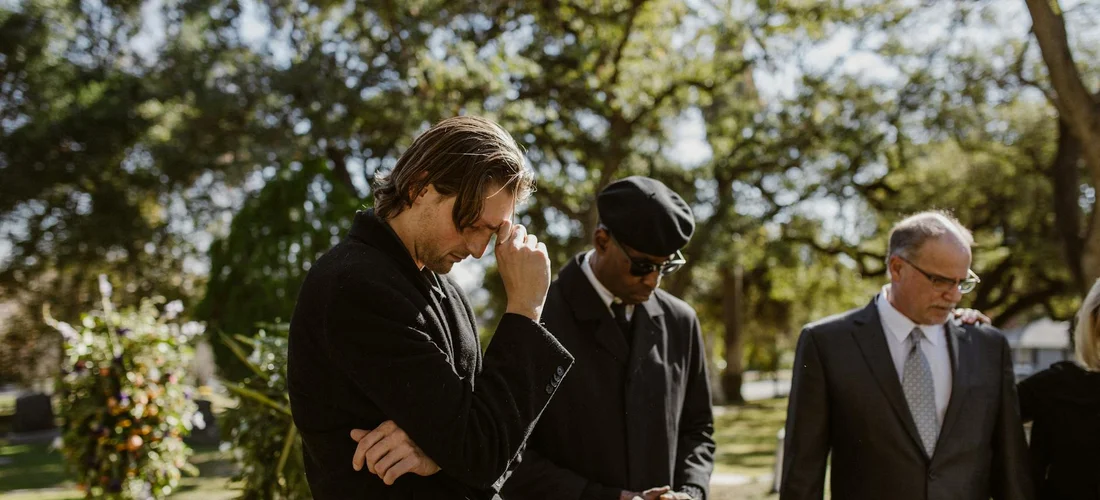
Many people ask, what should you wear to a funeral in spring? The season brings a shift, not just in nature but in how we approach this somber occasion. It is a time of transition, and your attire can thoughtfully reflect that change, blending funeral attire meaning and tradition.
Move away from the heavy wools and thick fabrics of winter. Spring calls for lighter layers that offer comfort and respect. You are balancing the formality of the event with the need for practicality in changeable weather.
Traditional dark colors like black, navy, or charcoal gray remain a perfect choice. They convey solemnity and respect. Softer dark hues, such as deep plum, forest green, or a rich burgundy, can also be acceptable and feel appropriate for the season.
Always consider the setting. Spring services are often held outdoors at a graveside. Your outfit should account for standing on grass that may be damp or in a breeze that carries a chill.
Navigating Spring Weather and Colors
Choose fabrics that breathe. A cotton blouse, a light wool blend suit, or a simple dress in a substantial material will serve you well. These materials provide warmth without weight and comfort without appearing casual.
A lightweight wrap, cardigan, or tailored jacket is a wise companion. Spring temperatures can dip unexpectedly, especially during early morning or evening services. Having a layer you can put on or take off allows you to focus on the ceremony, not the cold.
While spring inspires bright florals, save them for another day. Avoid overly bright or pastel colors. Steer toward muted, darker tones that feel dignified. The goal is to blend in with reverence, not to stand out.
What to Wear to a Funeral in Summer
You might be asking, ‘What should you wear to a funeral in summer?’ or ‘how to dress for a funeral in hot weather’. I have seen how summer heat can weigh on already heavy hearts.
Modesty remains key, even when temperatures rise. Avoid shorts, tank tops, or overly casual wear like flip-flops. Your clothing should quietly honor the person being remembered.
Focus on breathable, lightweight fabrics that still convey formality. This practical choice helps you stay present and respectful during the service.
Choosing Breathable Fabrics and Respectful Silhouettes
When deciding how to dress for a summer funeral, begin with your material. Linen, light cotton, and crepe are ideal for suits and dresses. They allow air to move freely, offering a soft, cool feeling against your skin. For funeral wake burial attire, breathable fabrics help you stay comfortable and presentable during the ceremony. Choosing these materials ensures a respectful, polished look appropriate for the occasion.
For women, a dress with sleeves at least to the elbow and a higher neckline is a respectful choice. Men might select a linen blazer or a light cotton dress shirt with trousers. These silhouettes maintain dignity without trapping heat.
A simple, dark outfit in these fabrics always answers the question of how to dress for a funeral in the summer. It is a gesture of quiet respect that requires no extra thought.
Staying Cool and Comfortable
Practical comfort matters when you are grieving. Moisture-wicking undergarments can make a significant difference. They help manage perspiration so you can focus on the service.
Consider carrying a small, plain handkerchief or a handheld fan. You can use them discreetly if you feel a wave of heat. I often keep one in my pocket during outdoor services.
A simple, dark dress or suit is always appropriate and removes any worry about being underdressed. Your presence, comfortable and composed, is the most meaningful tribute you can offer.
What to Wear to a Funeral in Fall
As the air turns crisp, you might wonder what to wear to a funeral in fall. I find this season invites a gentle shift toward clothing that feels both protective and respectful. A formal-casual funeral dress code often strikes the right balance—polished enough for ceremonies, comfortable enough for long days of paying respects. It suggests neat, modest pieces in dark or muted tones that still let your personal style show through in subtle ways.
Fall attire is a return to layered, richer fabrics and colors. Think of wool, tweed, and dark cottons in shades like charcoal, navy, or deep brown. These choices honor the occasion while acknowledging the changing weather.
You can incorporate seasonal layers like blazers, cardigans, and scarves respectfully. The key is to ensure each layer is modest and not overly bright or patterned. A simple, solid-color sweater under a jacket maintains a solemn appearance.
For an outdoor service amid falling leaves and cooler breezes, practical warmth is considerate. Choose a coat that is clean and formal, something you would not mind wearing in a sacred space. Your preparedness allows you to focus on remembrance, not the chill.
Layering for Autumn Comfort
Start with a versatile base piece like a dark blazer or a tailored jacket. This provides structure and can be easily adapted for different parts of the day.
Earth-toned accessories in deep, muted shades offer a subtle nod to the season. Consider a wool scarf in burgundy or a tie in forest green. These muted tones add warmth without drawing attention away from the purpose of gathering.
Transitioning from an outdoor graveside service to an indoor reception is straightforward with layers. You might remove your overcoat indoors, revealing a respectful sweater or blazer underneath. I often advise choosing an inner layer that is complete and appropriate on its own, so you feel comfortable throughout.
Personal Perspective: A Pro-Tip from Experience
-
After many years of guiding families, I believe the core of appropriate attire is intentional simplicity. The right clothes act as a quiet uniform of respect, freeing your mind from distraction so your heart can be fully present in the moment.
-
I remember a woman who wore a soft, warm shawl to a winter service; she seemed comforted by its gentle weight, able to listen and weep without shivering. That small comfort allowed her to offer a more steady support to others, which is the deepest form of respect.
Final Thoughts on Respect and Comfort
The most important thing you bring is your presence. Your intention to show respect and offer support is what truly matters to a grieving family.
It is visible in your quiet demeanor and your willingness to simply be there. Do not let anxiety over clothing add to the weight of the day.
If you are feeling uncertain, be gentle with yourself and choose a simple, dark outfit. It is a kind and universally correct choice that allows you to focus on the reason you are there.
Taking care of your own physical comfort, whether that means a warm coat or cool, breathable fabric, is not selfish. It is practical.
When you are comfortably dressed for the weather and setting, you are better able to offer steady support to others. Your own ease allows you to be fully present, which is the greatest comfort you can give.
Respectful Funeral Attire: Your Questions Answered
How can I dress appropriately if the service moves between indoors and outdoors?
The key is versatile, smart layering. A classic blazer or cardigan over your base outfit allows you to adapt respectfully to changing environments without compromising your appearance.
Are dark colors other than black acceptable to wear?
Yes, subdued tones like navy, charcoal, deep burgundy, or forest green are universally respectful choices. These colors convey solemnity while offering a gentle, seasonal appropriateness.
How can I balance personal comfort with the need to be respectful?
Choosing dignified, season-appropriate fabrics and well-fitting, modest clothing is the perfect balance. Your physical comfort enables you to be fully present and offer steady support, which is the most meaningful gesture.
Parting Reflections on Seasonal Funeral Attire
The single most important guide is to choose attire that reflects respect for the service and the deceased, while practically addressing the season’s weather. Your thoughtful selection allows you to offer quiet presence and comfort, free from discomfort or distraction. Knowing funeral attire guidelines for men and women helps keep the focus on the ceremony. This awareness guides choices that are respectful and appropriate for all attendees.
Approaching Funeral Care with dignity includes considering sustainable materials and mindful choices that honor both memory and our world. I encourage continued learning about Funeral Needs and Funeral Questions, as this understanding builds a foundation for compassionate and informed support.
Emiliana Dieter
Emiliana is an author at The Valedictory. She is an experienced funeral care advisor and arranged and organized many funerals as part of her end of life consulting services. She has over 8+ years in the funeral industry managing her family funeral business and helping families cope with the loss of their loved ones. Her articles answer any and all questions you might have regarding funeral arrangements, costs, preparations, etc so you can make this a seamless experience.