
A Compassionate Guide to Funeral Customs for Hindu, Parsi, Masonic, and Other Faiths
When you are invited to a funeral from a faith unfamiliar to you, it is normal to feel a mix of respect and uncertainty.
I will walk you through the specific customs, rituals, and expected behavior for services including Hindu funeral rites, Parsi death ceremonies, Masonic funeral services, and key aspects of other religious observances.
Key Takeaways for Compassionate Understanding
If you are feeling anxious about attending a service, please take a deep breath. No matter the faith, every funeral ritual is built on a foundation of respect for the departed and care for the living. The customs are simply different languages for the same human emotions.
Your primary task is not to memorize every detail. Your simple, respectful presence is the greatest comfort you can offer to a grieving family. Focus on showing support through your attentive and gentle demeanor.
In the following sections, we will walk through specific traditions together. Knowing what to expect can quiet your worries and help you offer more meaningful support. We begin with the ancient and beautiful rites of a Hindu funeral.
The Heart of a Hindu Funeral: Customs and Guidance
Hindu funeral practices are guided by the quest for Moksha, the soul’s final liberation. Cremation is the standard custom, viewed as a sacred release of the spirit from its physical form. This is considered the last offering, or samskara, in a person’s life.
A priest, or pundit, conducts the service with rhythmic Sanskrit mantras. You might hear the gentle flow of Vedic hymns and smell the earthy scent of sandalwood incense during the rites. The most poignant moment is often the lighting of the funeral pyre, a duty performed by the eldest son with solemn focus.
As an attendee, choose modest, simple attire in white or other light colors. Offer condolences with a soft-spoken word or a silent nod, as the family may be immersed in prayer. It is customary to bring a handful of rice or flowers to place near the deceased as a final, personal tribute.
The immediate family observes a mourning period, typically thirteen days. Following this, the Shraddha ceremony honors all ancestors, ensuring the departed soul’s peaceful journey. This reflects a profound sense of ongoing connection and duty.
What to Expect at a Hindu Funeral Service
The body is usually washed, dressed in simple white cloth, and adorned with flowers. The service often starts at the family home, where close relatives gather for initial prayers before proceeding to the cremation ground. The atmosphere is one of quiet reverence, punctuated by the priest’s chants.
Appropriate Attire and Conduct for Attendees
Wear conservative clothing. Traditional white attire is common, but any subdued, simple color is acceptable; avoid black or flashy garments. Maintain a quiet presence, remove your shoes when entering a home or sacred space, and follow the family’s lead in any actions. Your respectful stillness speaks volumes.
The Significance of Cremation and Subsequent Rites
Cremation, or Antyesti, is a final sacrificial offering to Agni, the fire god. The fire symbolizes transformation, freeing the soul from the body to continue its spiritual journey. Afterward, the ashes are collected and, in a separate rite, often scattered in a holy river, completing the cycle of return to the elements.
Parsi Funerals: The Zoroastrian Path to Peace
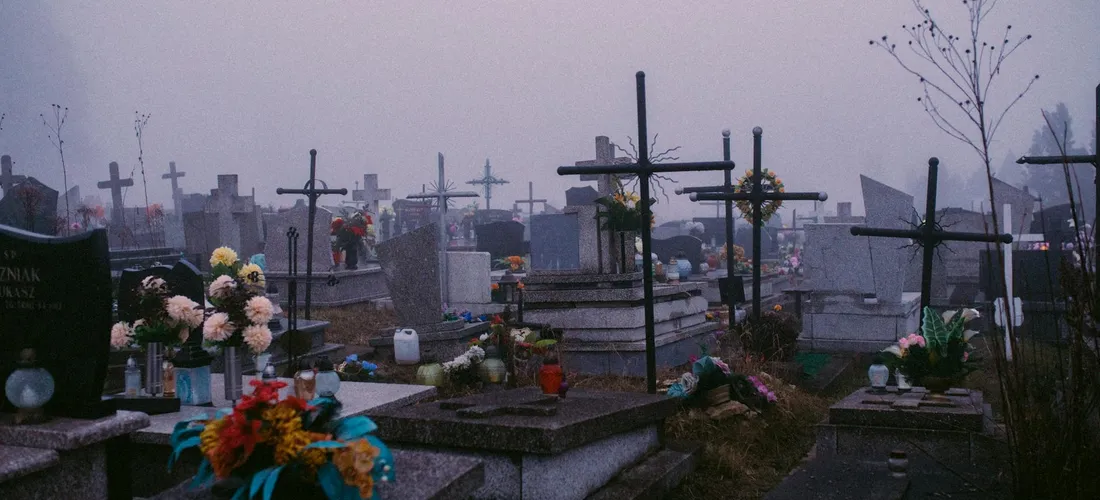
Zoroastrian faith sees death as a natural return. The physical body, once the soul has departed, is considered impure. Central to Parsi funeral customs is the belief that earth, fire, and water are sacred elements that must not be contaminated by the deceased. This profound respect guides every ritual.
The focus is on a dignified and rapid return to nature. Traditional practice involves exposure to the sun and scavenging birds. I have always found this a stark, honest partnership with the natural world. It underscores a deep ecological reverence within the grief.
The Role of the Tower of Silence (Dakhma)
The traditional ritual centers on the dakhma, or Tower of Silence. This is a raised, circular structure open to the sky. The body is placed there so that vultures can swiftly perform the work of consumption, freeing the bones from flesh. The process is handled with immense care and specificity.
Specialized attendants called nassesalars, or corpse bearers, conduct the rites. They wash and shroud the body in simple white muslin. After prayers at the family home, the nassesalars carry the deceased to the tower. These bearers are trained to move with reverence, ensuring the impurity of death does not touch the living community. The final exposure is silent and private, a quiet yielding to the elements.
Why Parsi Funeral Rites Are Typically Private
Attendance at the dakhma is almost always restricted to initiated Zoroastrians. This is a matter of sacred protocol, not exclusion. The rituals involve precise mantras and actions known only to the faithful, meant to protect both the soul’s journey and the community’s purity. It is a boundary born of deep religious observance.
For non-Parsi friends, this means you will not be expected at the tower or the preceding ceremonies. I advise seeing this not as a closed door, but as a protected space. The family is honoring a tradition that stretches back millennia. Your understanding of this privacy is the first and most important act of respect you can offer.
How to Offer Condolences as a Non-Parsi Friend
Your support is deeply needed, just directed differently. Understanding funeral etiquette for supporting mourners helps you offer comfort without intruding. This awareness guides the way you show up for the family after the service. Visit the family home after the funeral rites are complete. Your presence there is the appropriate and cherished way to show you care. Speak simply from the heart about your memories of the person who died.
Listen more than you talk. Avoid questions about the specifics of the ritual unless the family brings it up. A comforting hand, a shared silence, or a simple offering of food are gestures that transcend any religious boundary. In my experience, grief finds its common language in these quiet, practical moments of human connection.
Masonic Funerals: Honor and Brotherhood
A Masonic funeral is a lodge service conducted to honor a departed brother’s life and virtues. It focuses on his commitment to the fraternity’s principles, rather than being a religious sacrament.
This service is a final act of brotherhood, a promise kept between Masons. The customs are deeply rooted in the fraternity’s traditions of honor, integrity, and charitable fellowship.
Unlike a standard religious funeral led by a clergy member, a Masonic service is conducted by members of the lodge. The focus shifts from a theological journey to a celebration of a life lived with moral character and service.
The Structure of a Masonic Funeral Service
The service often follows a defined ritual. Members wear their Masonic regalia, which includes aprons, collars, and gloves, creating a solemn and unified visual presence.
Specific prayers are offered, and passages from the lodge’s ritual are recited. A central moment is the presentation of evergreen sprigs, often acacia, which are placed on the casket. This act symbolizes the eternal nature of the soul and the enduring memory of the brother.
The Master of the lodge typically leads the ceremony, assisted by other officers. The tone is one of dignified remembrance, filled with the respectful language of the craft.
Symbolism: The Lambskin Apron and the Acacia Sprig
Two symbols are profoundly meaningful. The lambskin apron, the first gift a Mason receives, represents purity and is often displayed during the service. It is a reminder of the brother’s entry into the fraternity and his lifelong commitment to its values.
The acacia sprig carries its own weight. In Masonic tradition, acacia signifies both immortality and innocence. Placing it on the casket is a quiet, powerful gesture of hope and everlasting remembrance. To a Mason, these are not mere decorations; they are a language of the heart.
Is a Masonic Funeral Open to All? Guidance for Non-Masons
Yes, these services are generally open to the public and the family’s other guests. You do not need to be a Mason to attend and pay your respects.
As a non-Mason, your role is one of respectful observation. You may see symbolic gestures or hear phrases unfamiliar to you. Simply observe quietly. There is no expectation for you to participate in the Masonic portions of the rite; your presence as a supportive guest is what matters most.
Stand when the family stands, and follow the lead of the officiants. The experience can be a moving glimpse into a bond that provided great meaning to your loved one’s life.
Buddhist, Sikh, and Jain Funeral Traditions
When a death occurs, the rituals of Buddhist, Sikh, and Jain faiths share a common focus on spiritual peace. Yet their paths to achieving it differ in meaningful ways. Buddhism often emphasizes guiding the consciousness, Sikhism centers on prayerful acceptance, and Jainism prioritizes utmost simplicity and non-harm.
You may wonder what typical rituals look like in these services. Buddhist services often involve chanting and meditation to aid the deceased’s transition, while Sikh funerals center on prayers and community support before cremation. Jain rites are characterized by quiet reflection and a commitment to non-violence in all practices.
Buddhist Funeral Services: Chanting for Peaceful Transition
Common Buddhist funeral customs are designed to generate merit for the deceased and guide their consciousness toward a favorable rebirth. The body is usually present, and the atmosphere is one of calm reflection rather than overt lamentation.
The service itself is meditative. Monastics or family members lead chanting from sutras, like the Heart Sutra or Metta Sutta. This chanting is not a lament; it is a spiritual offering. The sound is meant to create a peaceful environment for the departing consciousness.
Attendees often participate in silent meditation or listen to a dharma talk. The central ritual is the transfer of merit, where good deeds and peaceful thoughts are dedicated to the one who has died. This act provides comfort, feeling you are actively helping your loved one’s journey.
Customs vary by culture. In a Japanese Buddhist funeral, for instance, you might witness the ritual of kotsuage. After cremation, family members use special chopsticks to transfer bone fragments from the ashes to an urn. It is a final, collective act of care.
Sikh Funerals: Prayer, Cremation, and Community Langar
A Sikh funeral, or Antam Sanskar, is a ceremony of acceptance. It is seen as a reunion of the soul with Waheguru, the universal God. The customs are straightforward, revolving around prayer and communal support. The religious aspects of Sikh funerals and Antam Sanskar emphasize the impermanence of life and the soul’s journey beyond the physical world.
The service itself is a prayer ceremony called Kirtan Sohila and readings from the Guru Granth Sahib, the Sikh holy scripture. The core rituals are prayers for the soul’s peaceful journey and the commitment to cremation, as burial is not traditionally practiced. The body is bathed, dressed in clean clothes, and accompanied by prayers to the crematorium.
Flowers and rituals like singing hymns are a part of the ceremony. After the cremation, there is no ritual collection of ashes; they are often disposed of in flowing water or buried.
The community aspect is vital. It is common for a langar, a free communal meal, to be served to all attendees. This practice embodies the Sikh principles of equality, service, and togetherness in grief.
Jain Funeral Rites: Simplicity and Spiritual Release
Jain funeral rites are deeply influenced by the principle of ahimsa, or non-violence. The customs aim to minimize attachment and allow the soul to be released from the cycle of rebirth without disturbance.
The rituals are marked by solemn simplicity. The body is washed with purified water, not with materials like milk or yogurt that involve harm to other beings. Great care is taken to avoid any practice that might cause violence, even symbolically, reflecting a profound respect for all life. Elaborate displays of flowers or loud mourning are discouraged.
The funeral service involves chanting of mantras and prayers by monks or knowledgeable family members. The focus is on contemplating the transient nature of the physical body and the eternal nature of the soul. Cremation is the standard practice, conducted as soon as possible.
After the cremation, the ashes may be collected and placed in a river. The period that follows is for quiet reflection. The emphasis remains on spiritual release, for both the deceased and those left behind, encouraging a peaceful detachment from worldly sorrow.
A Gentle Note on Etiquette: Showing Respect Across Faiths
Many people ask me what general etiquette guidelines apply across various religious funeral services. I understand that worry. Walking into an unfamiliar ritual can feel like entering a room where everyone knows a language you do not. Your intention to show respect, however, is the universal key that opens every door. To help you navigate these moments, funeral etiquette behavior guidelines can provide clear, respectful steps you can follow. These guidelines vary by tradition but share a core aim: showing respect quietly and considerately.
Grief wears many cultural garments, but the heart beneath them beats the same. A few gentle principles can guide you through any service. Your quiet presence alone is a profound offering to those in mourning.
Universal Principles: Attire, Demeanor, and Condolences
Choose clothing that is modest and subdued. For many Christian, Jewish, or secular services, dark colors like black or grey are traditional. At a Hindu funeral, white is the color of mourning and peace. When in doubt, select clean, conservative attire that covers your shoulders and knees. This helps ensure respectful participation across traditions.
Your demeanor should be calm and observant. Speak in soft tones. Silencing your phone before entering is a simple act of reverence. The space is for collective sorrow, not private conversation.
Offering condolences requires no elaborate words. A simple “I am so sorry,” or “My heart is with your family,” is enough. I have learned that grieving people often remember the warmth in your eyes more than the specific phrases you use. It’s more about the gesture than finding the perfect funeral condolence phrases.
Navigating Participation in Unfamiliar Rituals
It is normal to feel anxious about when to kneel, bow, or recite an unfamiliar prayer. I have felt that uncertainty myself, standing in a Parsi fire temple or during Masonic rites.
Watch the actions of the family and other attendees. If they stand, you stand. If they bow their heads, you bow yours. You are never expected to know the words to a prayer or hymn from another faith; your silent, respectful attention is participation enough.
If a specific act, like taking communion, conflicts with your personal beliefs, it is perfectly respectful to remain seated or let the ritual pass by you. A gentle, still presence communicates your support without words.
The Most Important Rule: Follow the Family’s Lead
Every family navigates loss differently. Some may want to share stories loudly; others may move in a quiet, private haze. Your role is to mirror their energy and needs.
Observe the immediate family. If they invite you to join a ritual washing or a shared meal, consider it a gift. If they seem withdrawn, a soft touch on the arm may be more fitting than a long conversation. Your flexibility and attentiveness are the truest forms of respect you can offer.
I remember a service where the rituals were entirely foreign to me. I simply stood when others stood and listened. Later, the bereaved spouse told me that seeing familiar faces in the crowd was their only comfort that day. It was a powerful reminder that showing up is often the entire gesture.
When to Call a Funeral Director: Ensuring Dignity and Compliance

A funeral director serves as your steady guide through the practical maze of loss. I see my role as facilitating the sacred space for grief, no matter the faith. These duties include guiding families, coordinating services, and handling the details behind the scenes. We handle the complex logistics so you can focus on ceremony and memory.
Certain tasks always require a licensed professional’s hand. These are not just chores but acts of legal and emotional care. You must rely on a director for the death certificate, permits, and the respectful transport of your loved one. They coordinate directly with crematoriums, cemeteries, and other essential services.
I work closely with priests, rabbis, imams, and other leaders. My job is to listen and then ensure their rituals are followed with precision. This partnership guarantees that every prayer and custom meets both spiritual needs and local laws.
In families blending different faiths, grief can feel tangled with confusion. A director becomes your compassionate ally in these moments. We help weave separate traditions into a single, respectful farewell.
Legal and Logistical Necessities
The law requires specific steps after a death, like filing paperwork with the state. Think of these documents as a final, quiet signature for your loved one. Navigating these requirements alone, while grieving, is an immense burden.
Transporting the body is another area bound by strict regulation. It is not simply a car journey. A licensed director ensures this passage is safe, dignified, and legally sound. They manage timelines with cemeteries or crematoriums, which often have their own sets of rules.
How Directors Support Cultural and Religious Specifics
I have learned the quiet rhythms of many traditions. For a Hindu service, this means preparing for a swift cremation and ensuring the family can perform last rites. We provide the space and items needed for washing, dressing, and applying sacred oils.
A Parsi funeral involves unique protocols for the dokhma, or Tower of Silence. My role is to coordinate with the community and the facility. This requires careful timing and a deep respect for their ancient customs of sky burial.
Masonic services have their own symbolism and rites performed by lodge brothers. I facilitate their access and arrange the setting they require. Supporting these specifics is about quiet observation and precise action. The goal is always to honor the departed’s beliefs without a single misstep.
Finding a Director Experienced with Diverse Traditions
Start by asking direct questions when you first call. Inquire if they have arranged services for your specific faith. A good director will describe past services with detail and respect, not just a simple yes.
You can also seek recommendations from your religious community or leader. They often know which local homes have proven trustworthy. Look for a professional who listens more than they speak, especially when you explain your customs. I have found that this patience is the truest mark of experience.
Answering Common Questions About Attendance and Inclusion
When someone we know passes away, our first instinct is often to offer support. I have seen how this simple act can bring comfort in deep grief. You might feel uncertain about whether your presence is appropriate at a service outside your own faith.
Let’s address some common worries directly.
Many ask, ‘Can a non-Jehovah’s Witness attend a Jehovah’s Witness funeral?’ The services are almost always open to all who wish to pay their respects. The ceremony itself is a simple, scripture-based talk that focuses on hope and resurrection, rather than a eulogy for the person who died. I have attended several, and the atmosphere is one of quiet reflection. These elements illustrate Jehovah’s Witness funeral practices, which emphasize scriptural hope and a straightforward, respectful service. They reflect a distinct approach to mourning within the faith.
Another frequent question is, ‘Can a non-Mormon attend a Mormon funeral?’ These services are generally public and are commonly held in a local Church of Jesus Christ of Latter-day Saints chapel. The structure typically includes hymns, prayers, and family talks that celebrate the deceased’s life and faith. As a visitor, you are welcome to observe and listen.
From an Islamic perspective, the question ‘Can Muslims attend non-Muslim funerals?’ requires thoughtful guidance. The primary intention is to offer sincere condolences to the bereaved family. Many Islamic scholars permit attendance at the funeral service or visitation to express sympathy, while advising Muslims to avoid rituals that conflict with Islamic practice, such as bowing or other acts of worship. In interfaith settings, this approach embodies respectful funeral etiquette that honors both faith communities. Muslims can extend support while upholding Islamic boundaries, focusing on compassion and shared humanity. It is a gesture of shared humanity.
Your desire to show respect is almost always met with gratitude. If you are unsure, a gentle inquiry shows you care. We will talk more about how to do that later.
Open vs. Closed Services: Knowing the Difference
Most religious funerals are open to the community. They are a public acknowledgment of loss. Think of them as an invitation to gather and remember. Across different cultures and religions, funeral ceremonies express the rites and beliefs that give meaning to farewell. These rituals reveal how communities honor the deceased and mark the transition of life.
Some services are closed or private. This is often true for immediate family rites or certain religious ceremonies. A private service is usually indicated on the obituary or communicated directly by the family. It is not a reflection on your relationship, but a choice for intimacy.
I remember a service that was for family only. The silence in the larger community was palpable, but we found other ways to send our love. Respecting this boundary is a final act of kindness.
Guidance for Interfaith Attendance
Attending a service of another faith can feel like entering a room where you don’t know the customs. It is okay to feel that way. Your presence alone speaks volumes.
Observe quietly and follow the lead of others. Stand when they stand, sit when they sit. You are not expected to participate in prayers or rituals that are not your own, and it is perfectly respectful to remain seated or silent during those moments. Your dignified presence is participation enough.
Dress modestly and conservatively. Dark, subdued colors are a safe choice across most traditions. I often advise people to think of it as dressing for a solemn and important meeting. It shows you honor the occasion.
How to Inquire About Attendance Policies Respectfully
If you are not sure about the protocol, asking is better than staying away. The key is to be direct and gentle.
Reach out to a close family member or the funeral home. You can say something simple like, “I am thinking of you and would like to pay my respects. Could you tell me if the service is open to friends?” Phrasing it as a question about your ability to support them centers their needs and your compassion. It is rarely seen as intrusive.
Listen to the answer without pressing for details. If it is a private service, express your condolences sincerely and ask if there is another way to show your support, perhaps with a card or a meal. Genuine care transcends the walls of any service. I have seen flowers and notes become a great comfort when someone could not be there in person.
Preparing Your Heart and Mind: A Final Thought
Across every ritual and prayer, the quiet purpose remains the same. We gather to honor a life that mattered and to offer a simple, human shelter to those left in grief’s raw wake. The specific customs are the vessel, but the shared intention to comfort is what fills them.
Attending any funeral, especially one outside your own tradition, can weigh on your heart. Your own sorrow needs room to breathe. It is not selfish to step outside for a moment of quiet or to speak a few kind words to a friend; it is how you refill your own cup so you can remain present for others. Being mindful of funeral etiquette expectations can help you navigate the service with grace. Simple acts like speaking softly, following the family’s lead, and observing when to stay or step out keep the focus on the mourners.
Remember that your respectful attendance is itself a profound gift. In a time of deep loneliness for the bereaved, your face in the crowd is a tangible sign of love. A hand on a shoulder, a shared silence, or a simple “I am here” often speaks louder than any perfect words could.
The support you offer does not end when the final prayer is spoken. Grief stretches long past the final rite. True companionship begins as the crowd disperses and the quiet emptiness settles in. Consider these gentle ways to extend your care:
- Send a message or make a call in the weeks that follow, not just the days.
- Offer a specific help, like bringing a meal or running an errand, rather than a general “let me know.”
- Mention the person who died by name when you speak to their loved one, keeping their memory alive in conversation.
By carrying this compassionate awareness with you, you move from being a spectator to a true participant in healing. Your sustained presence becomes a gentle light in the long days that follow.
Frequently Asked Questions
What general etiquette applies when attending any religious funeral service?
Focus on modest, conservative attire and a calm, observant demeanor. Your primary role is to offer silent support and follow the lead of the grieving family and other attendees.
How should I participate in rituals that are unfamiliar to me?
You are not expected to perform unfamiliar prayers or actions. It is perfectly respectful to observe quietly; following postural cues like standing or sitting is enough to show your respect.
Are funeral services in these faiths open for anyone to attend?
Most services are public, though some, like traditional Parsi rites, are private. When in doubt, you can respectfully ask a close family member or the funeral home for guidance on attendance.
Parting Reflections on Funeral Customs
The single most important guidance is to approach any service with quiet respect, following the lead of the family or community. Your attentive presence and sincere effort to honor their traditions provide genuine comfort during grief.
When considering Funeral Care, exploring dignified and eco-friendly options can reflect personal values and environmental stewardship. Thoughtfully addressing Funeral Needs and seeking answers to Funeral Questions helps ensure arrangements are both meaningful and respectful.
Emiliana Dieter
Emiliana is an author at The Valedictory. She is an experienced funeral care advisor and arranged and organized many funerals as part of her end of life consulting services. She has over 8+ years in the funeral industry managing her family funeral business and helping families cope with the loss of their loved ones. Her articles answer any and all questions you might have regarding funeral arrangements, costs, preparations, etc so you can make this a seamless experience.