
Becoming a Licensed Funeral Director: Your Path to a Caring Career
If you feel drawn to work that offers solace and practical support during loss, you might be wondering how to begin. I have walked this path myself, and I can help you understand the steps ahead.
This article will explain the process with clarity and compassion. We will cover the typical career path, educational and apprenticeship requirements, state licensing exams, and the personal qualities that sustain you in this role.
Key Takeaways: A Compassionate Overview
Becoming a funeral director is a journey that honors both the technical science and the human heart of the work. It asks you to hold space for profound grief while managing precise legal details. This path weaves formal education with a deep, personal commitment to service.
- The career is a structured blend of accredited education, hands-on apprenticeship, and state licensing exams. You must demonstrate proficiency in both compassionate caregiving and exacting legal procedures to be entrusted with this role.
- Your education will cover embalming sciences, restorative arts, ethics, and business law. This knowledge is the foundation for your practice.
- An apprenticeship, often lasting one to two years, is where theory meets reality. You will learn the rhythms of a funeral home and the quiet weight of supporting families.
- Every state has its own licensing board with specific requirements. While the process is structured, your journey is ultimately built on a foundation of compassion and respect for the dignity of every life.
Your Step-by-Step Checklist to Begin
If you feel called to this work, here is a practical path for your first days of exploration. This checklist addresses both the logistical and the personal questions you must consider.
- Sit quietly and ask yourself the foundational questions. Can you offer steady presence in the face of raw emotion? Are you meticulous with paperwork and timelines? Your honest answers will guide your next steps.
- Research your state’s specific licensing requirements. Contact your state’s funeral service licensing board directly. Their website and a phone call will give you the exact blueprint you must follow.
- Investigate accredited mortuary science programs. Look for programs accredited by the American Board of Funeral Service Education (ABFSE). Consider if you need an associate or bachelor’s degree, and explore online or in-person options.
- Reach out to a local funeral home. Ask if you can speak briefly with a director about their path. Many are willing to share their experience with sincere individuals wondering how do I become a funeral director. This conversation can be invaluable.
- Reflect on the financial and time investment. Review tuition costs for programs and understand the typical apprenticeship period, which is often paid but at a trainee rate. Plan realistically.
- Journal your thoughts after these actions. Notice if your sense of purpose grows clearer or if doubts emerge. This early self-reflection is a crucial part of the journey.
When to Call a Funeral Director: Understanding the Professional Role

In the quiet hours after a death, family and friends often provide the first comfort. They may bring food, hold a hand, or simply sit in shared silence. This human kindness is the foundation of care. There comes a specific point, however, where this personal care must be joined by professional expertise for both legal and practical reasons.
A licensed funeral director is required by law to perform several critical tasks. These are not merely services, but legal obligations that protect the family and honor the person who has died. Understanding funeral director legal requirements helps families know what to expect. These requirements cover licensing, disclosures, and the proper handling of remains to ensure compliance.
- Filing the official death certificate with the state.
- Transporting the deceased from the place of death.
- Obtaining necessary permits for burial or cremation.
- Providing safe, sanitary care for the deceased, known as mortuary care.
Think of these duties as the necessary architecture of death in our society. They are the paperwork and procedures that allow a family to legally close a chapter and begin memorializing a life.
Families rely on directors to navigate this architecture because grief makes complex details feel impossible. A missed signature on a form can delay benefits or a burial. A misunderstood transport rule can cause profound distress. The funeral director’s role is to carry this bureaucratic weight so the family does not have to, ensuring every regulation is met with precision and care.
They handle the phone calls to medical certifiers. They coordinate the timing with cemeteries and crematories. They know the specific rules for your state, county, and even individual cemeteries. This expertise turns a maze of requirements into a clear path.
So when does a caring volunteer step aside? The moment the death must be moved from a private event into the public record. If you are asking “What form is needed?” or “Who is legally allowed to transport?” it is time to call a professional.
This is not a failure of love or support. It is a wise transition. The loving hands of family provide emotional shelter. The trained hands of a director provide legal and logistical shelter. Both are forms of profound respect.
Ultimately, this system exists to protect grieving families. It ensures dignity for the deceased through proper care. It provides a framework of accountability that guards against errors and fraud. Licensing exists not to create a barrier, but to build a trusted guide for life’s most difficult transition.
Calling a funeral director is an act of love. It is choosing to place complex, weighty matters into the hands of someone sworn to handle them with skill and reverence. They can assist in making the difficult decisions and offer support during challenging times. Finding the right funeral home director can bring peace of mind.
The Educational Foundation: Do You Need a Degree?
To become a licensed funeral director, you need formal education. Most states require a degree. You will typically need either an associate or bachelor’s degree in mortuary science or funeral service. Beyond education, funeral directors face important responsibilities and challenges. They must coordinate services, handle regulatory compliance, and provide compassionate support to grieving families.
These programs combine classroom learning with practical skills. You will study sciences like anatomy and chemistry. You will also learn about embalming, funeral arrangements, and grief counseling.
Your program must be accredited. Always choose one accredited by the American Board of Funeral Service Education (ABFSE). State licensing boards require this accreditation. It ensures your education meets a national standard.
Requirements differ globally. For instance, in the UK, you would pursue qualifications approved by the British Institute of Funeral Directors. Your first step, no matter your location, is to check the specific rules set by your local licensing authority. Regulations vary widely, so it’s crucial to understand the specific criteria you’ll need to meet for funeral home licensing in your area.
Core Subjects You Will Study
The curriculum is designed to prepare you for every aspect of care. You will encounter subjects that are both technical and deeply human.
- Restorative Arts: This is the practice of caring for and presenting the deceased. It requires a steady hand and an artist’s eye for dignity.
- Pathology and Microbiology: Understanding disease and sanitation protects everyone’s health.
- Funeral Service Law: You will learn state and federal regulations. This knowledge allows you to guide families correctly through paperwork and procedures.
- Ethics and Counseling: Courses here focus on compassion. You learn how to listen, support, and make ethical decisions with grieving families.
- Business Management: A funeral home is also a small business. You will study operations, finance, and respectful client service.
This knowledge is not just for passing tests. It is the foundation for providing competent, compassionate care when a family needs it most.
Addressing the Question of Qualifications
Many people ask if you need formal qualifications. The answer is defined by law. A sincere desire to help is vital, but it is not enough by itself.
State law dictates the exact path. In nearly all cases, a degree in mortuary science is the primary educational qualification. Think of your degree as the essential first chapter in a longer story.
It provides the theory and foundational skills. After graduation, you will enter an apprenticeship. There, you will apply what you learned under the guidance of a licensed professional. The degree qualifies you to begin that hands-on journey.
The Licensing Journey: Steps, Time, and State Rules

So, how long does this path take? For most, the full journey from education to licensure spans two to four years. The exact timeline depends heavily on your state’s rules.
The process everywhere rests on three pillars: formal education, a supervised apprenticeship, and passing board exams. Think of it as learning the theory, then the practice, and finally proving your competence.
An apprenticeship is your hands-on training under the wing of a licensed professional. It transforms textbook knowledge into real-world skill.
Completing a Supervised Apprentership
An apprentice does not just observe. You become an active part of the funeral home’s daily rhythm. You will assist with visitations, learn the careful procedures for preparing the deceased, help with paperwork, and witness the quiet logistics of a service.
This period, typically lasting one to three years, is where compassion meets practical skill. You learn to steady your voice when a family’s grief is raw and to ensure every detail is handled with dignity.
Your relationship with your supervising funeral director is crucial. A good mentor does more than sign off on your hours. They model how to listen, how to guide families through difficult choices, and how to maintain professionalism in moments of profound sorrow.
Passing Required Examinations
After your education and apprenticeship, you must demonstrate your knowledge through exams. The primary test is the National Board Exam (NBE), which covers key areas like funeral service arts, sciences, and law.
Passing the NBE is a major milestone, proving you have mastered the foundational knowledge required for the role. Many states also require their own, separate jurisprudence exam focused on local laws and regulations.
These exams ensure that every licensed director has a baseline of proficiency. They are not meant to be barriers, but safeguards for the families who will one day place their trust in you.
Navigating State-Specific Licensing Requirements
This is the most variable part of the process. No two states have identical rules. Your apprenticeship hours, required exam scores, and even the need for a background check will be dictated by your state’s licensing board.
Your first and most important step is to find your state’s official board website. Search for “[Your State] Funeral Service Board” or “[Your State] Cemetery and Funeral Bureau.” This agency publishes the exact statutes and application forms. Be aware that legal requirements can vary quite a bit from state to state, so it’s crucial to ensure you meet all home funeral legal requirements.
When you review your state’s requirements, pay close attention to three common variables: the exact number of apprenticeship hours, the passing scores for both national and state exams, and any specific moral character or background stipulations. Following these instructions precisely is the surest way forward.
A Day in the Life: The Funeral Director’s Role and Career Path
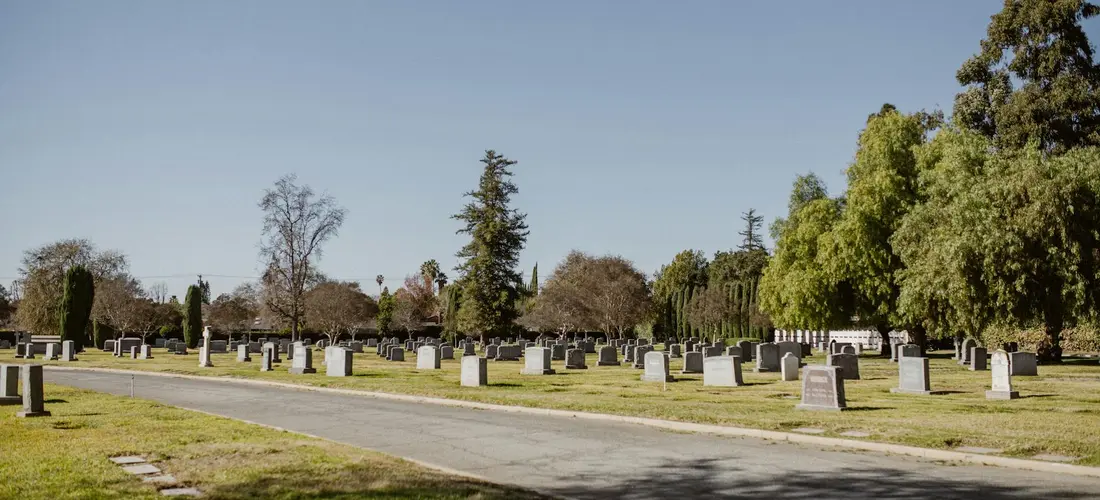
A funeral director’s day often begins before sunrise. The first call comes in, the voice on the line thick with grief and uncertainty. My role, in that moment, is to listen. To absorb the shock and offer the first thread of guidance. The work is a rhythm of profound stillness and meticulous action.
From that first conversation, the duties unfold. I meet with families in quiet rooms, navigating their sorrow to plan a ceremony that feels true. There are documents to file, permits to secure, and clergy to coordinate. I might gently arrange personal items around a casket, ensuring a photograph is placed just so. Later, I could be adjusting the temperature in a visitation room or speaking softly with a pallbearer about their steps.
The work stretches from that first call to long after the final prayer, following up with families to ensure they have the support they need. It is equal parts logistical precision and profound human connection. You learn to hold space for tears while managing the unflinching timeline of death.
The Difference Between a Director and an Embalmer
People often confuse these roles. Think of embalming as a specialized technical skill, a science of restoration and care for the physical body. The embalmer’s focus is in the preparation room, working with reverence to honor a person’s form. In this phase, careful handling and preparation of the body’s organs are part of the process, carried out with the same respect and precision. These steps integrate with the broader goal of dignified preservation and care.
A funeral director’s role is broader, encompassing the care of the living. It is the art of ceremony, logistics, and heart. We guide families, plan services, and handle the legal and business affairs. We are the steady presence from the first meeting to the final farewell.
Many professionals are dual-licensed, trained in both the technical and compassionate arts, but in larger homes, these roles are often separate. One person may provide the meticulous physical care, while another tends to the emotional and ceremonial needs of the family. Both are essential, two pillars supporting the same sacred purpose.
Typical Career Advancement
This career is a journey of deepening trust. It often starts as an apprentice or intern. You shadow a licensed director, learning the rhythms of the home. You see the weight of the paperwork and the grace of a well-chosen word. This apprenticeship is your foundation.
After completing your education and passing board exams, you become a licensed funeral director. You now manage cases yourself, building relationships with families. With experience, you may advance to a management role, overseeing daily operations or mentoring new apprentices. This sets you up for a rewarding funeral home employment career. Future opportunities include leadership roles and specialized paths.
For some, the path leads to becoming a funeral home owner, a steadfast pillar of the community. You grow from a guide for individual families to a custodian of a place where generations come to mourn and remember. The progression is not about climbing a ladder, but about rooting yourself more deeply in service. You begin by learning the steps, and in time, you become the person others lean on to find their way.
The Heart of the Work: Essential Skills and Ongoing Commitment
Becoming a licensed funeral director is more than completing a checklist. It is a promise to guide people during their most vulnerable days. It also involves duties like obtaining death certificates and coordinating with authorities. These steps support families through a difficult transition.
This path asks for a specific blend of personal qualities and a practical commitment to lifelong learning. You must balance deep empathy with precise attention to administrative and legal details.
The common questions I hear-about necessary skills, the costs involved, and ongoing education-all point to this core truth. The work demands your whole heart and a dedication that does not end with a diploma.
The Indispensable Skills for Success
The technical knowledge from school is vital. Yet, the skills that truly sustain you and comfort families are often learned through quiet observation and practice.
These are the capacities you will call upon every single day.
Compassionate communication is your primary tool. It is the ability to explain the embalming process to a shocked spouse in clear, gentle terms. It is listening, truly listening, when a daughter needs to tell the same story about her father three times.
Meticulous attention to detail honors the person who has died and protects the family. It means checking the spelling on a death certificate until it is perfect. It is ensuring a favorite hymn is cued at the exact right moment during the service, because that detail was everything to the widow.
Logistical coordination is the unseen architecture of care. While a family mourns, you are synchronizing with cemeteries, florists, clergy, and musicians. It is managing a hundred small tasks so the family has space for one large emotion: grief.
Emotional resilience is your necessary anchor. You will absorb waves of sorrow, anger, and confusion without being swept away. This is not about being stoic. It is about creating a calm, steady presence that allows others to fall apart, knowing you will hold the space together.
Understanding the Costs and Continuing Education
Pursuing this career requires a financial investment. You should plan for the costs of your associate or bachelor’s degree program, which includes tuition, books, and supplies.
After graduation, there are fees for the national board exam and your state’s licensing application. Apprenticeship periods, often one to two years of paid work, may come with their own associated costs for registration or oversight.
Your license is not a one-time achievement. It is a living credential maintained through a commitment to continual growth.
Every state mandates continuing education hours for license renewal. You will take courses on changing health regulations, updates in consumer protection law, and evolving ethical considerations in funeral service.
This ongoing learning is a direct extension of your care for families. It ensures your advice on green burial options or the latest pre-planning laws is accurate and respectful. It is how you honor the trust a grieving family places in you, by vowing to never stop learning how to serve them better.
The journey does not end when you receive your license. In many ways, that is when the real work, and the real honoring, begins.
Common Questions About the Funeral Director’s Path
What is the difference between a funeral director and an embalmer?
An embalmer is a specialist focused on the technical care and preparation of the deceased. A funeral director manages the overall service, guiding families through legal, logistical, and emotional needs, and many professionals are dual-licensed as morticians and funeral directors.
How much does it cost to become a licensed funeral director?
Costs include tuition for an accredited degree program, fees for required national and state exams, and licensing application expenses. Planning for these investments is a key practical step in your journey.
What are the continuing education requirements for funeral directors?
All states require licensed directors to complete continuing education hours to renew their license. These courses ensure your knowledge of laws, ethics, and practices remains current, directly supporting the families who trust you.
Parting Reflections on a Funeral Director’s Vocation
The most important step is to approach your state’s specific requirements with patience and respect, building a foundation of genuine skill. This dedicated preparation is what allows you to offer families guidance that is both knowledgeable and kind.
Your license is a pledge to provide dignified Funeral Care, which includes honoring personal wishes and exploring gentle, eco-friendly options for modern Funeral Needs. I encourage you to never stop learning, so you may always meet the heartfelt Funeral Questions you will hear with both assurance and empathy.
Emiliana Dieter
Emiliana is an author at The Valedictory. She is an experienced funeral care advisor and arranged and organized many funerals as part of her end of life consulting services. She has over 8+ years in the funeral industry managing her family funeral business and helping families cope with the loss of their loved ones. Her articles answer any and all questions you might have regarding funeral arrangements, costs, preparations, etc so you can make this a seamless experience.