
How to Preserve Funeral Flowers as Meaningful Keepsakes
The flowers you carried home from the service are soft with memory. Holding onto them is a natural, gentle wish.
I will guide you through several tender methods I have shared with families over the years. This includes pressing, air drying, using silica gel, resin casting, and creating shadow box displays.
Key Takeaways: Comfort and First Steps
Those flowers you brought home hold more than petals. They hold a moment, a feeling, a person. Preserving them is an act of love, a quiet way to hold on a little longer.
The simplest methods are often the most profound. Pressing a single rose in a book your loved one read, or hanging a spray of baby’s breath to dry, creates a keepsake you can touch for years.
Time is gentle, but it does move. For the best color and form, try to begin within two or three days. Please, be just as gentle with yourself if the days slip by. This work is for your heart, not for perfection.
A preserved flower is a quiet companion. It becomes a tangible connection, a small, solid piece of memory you can keep on a shelf or in a frame, lasting for many seasons.
Your First 48 Hours: A Gentle Checklist
You do not need to preserve the entire bouquet. Let your heart guide you. Choose one perfect bloom, a cluster of petals, or a few leaves that feel most significant to you.
- Carefully remove any plastic wrap, ribbons, or wet floral foam. These hold moisture that will speed decay.
- With clean scissors, trim the stem to a manageable length, about an inch or two below the bloom.
- Gently blot the flower head and stem with a soft paper towel to absorb any surface dew or drops.
Find a cool, dark spot for them while you gather your thoughts. A closet shelf or an unlit cabinet is ideal. This slows the wilting and gives you a quiet space to breathe and decide.
Think about which method calls to you, then gather a few supplies. For hanging, you’ll need string. For pressing, a heavy book. For silica gel, an airtight container. You likely have what you need at home already.
If your energy is low, simply placing a chosen flower between the pages of a book is a perfect and complete start. There is no wrong way to begin this process of care.
A Personal Note on Holding Onto Beauty
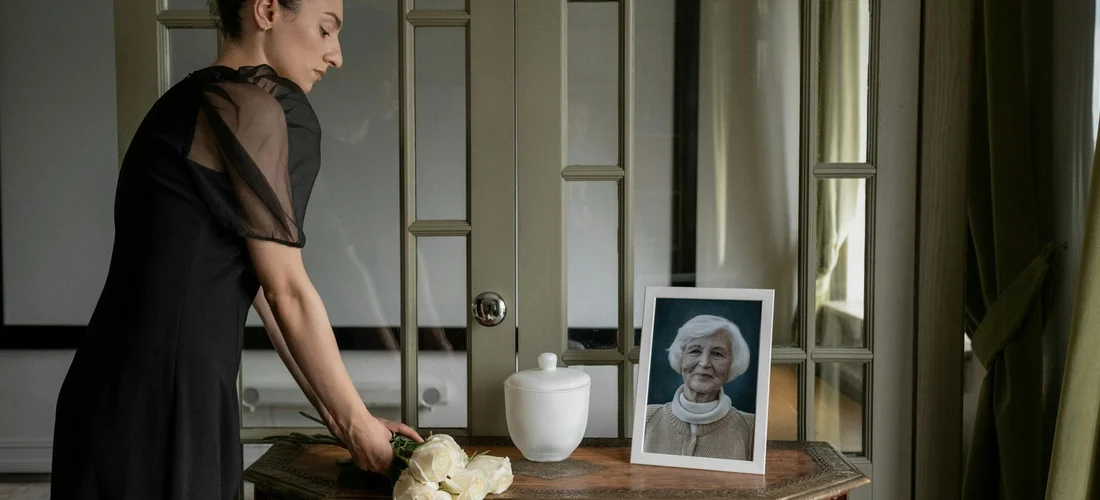
In my own home, a single dried rose sits on a bookshelf. It arrived on a day of deep sorrow. Now, years later, its quiet presence can still soften the edges of a hard morning.
I sometimes lift it carefully to my nose. There is no sweet perfume, only a faint, papery scent of time and memory. The petals feel delicate and crisp, like ancient parchment.
This preservation is not a household chore, it is a gentle ritual of remembrance. The simple act of caring for these flowers is a way to care for your own heart. It is a quiet way to say, “You were loved, and this beauty remains.” Gently tending funeral flower arrangements at home is part of the remembrance ritual. It is a quiet, ongoing way to honor the memory you carry with you.
How Do You Dry Flowers from a Funeral?
Drying is the most common way to keep flowers. You remove their moisture, which stops the process of decay. This lets you hold onto their form and color for a long time.
There are a few reliable methods. Each one suits different types of flowers and timelines.
- Air-Drying is classic and requires no special supplies.
- Silica Gel is best for preserving the delicate shapes of fragile blooms.
- Microwave Drying offers a quick result for petals or small flowers.
Air-Drying: The Traditional Method
This method works beautifully for hardy flowers. Roses, lavender, baby’s breath, and statice are perfect candidates. If you’re purchasing funeral flowers, these sturdy blooms are reliable choices for lasting, respectful arrangements. They’re commonly available from florists or online shops when you’re ready to order.
To air-dry, gather stems into small, loose bunches and secure them with string or a rubber band. Hang these bunches upside down in a dark, dry place with good air flow, like a closet or an attic.
Leave them undisturbed for one to three weeks. The stems should feel completely stiff when they are ready.
Colors often deepen and darken as they dry. A bright red rose may become a rich burgundy. While the hue changes, the flower’s elegant shape is beautifully, faithfully preserved.
Using Silica Gel for Delicate Details
Silica gel is a sand-like substance that pulls moisture away with great care. Use it for flowers that would wilt in air, like lilies, peonies, or orchids.
You will need an airtight container, silica gel crystals (found in craft stores), and a soft artist’s brush.
Pour a one-inch layer of crystals into your container. Gently place your blooms on this bed. Slowly pour more gel over and around every petal until the flower is completely buried. Seal the lid tightly.
Check after three days. Most flowers will be dry in three to seven days. Use the soft brush to gently remove every grain of gel from your preserved bloom.
Quick Microwave Drying for Petals or Small Blooms
When you need to preserve something quickly, the microwave can help. This is suitable for a single rose, a gardenia, or loose petals.
Heat must be controlled carefully. Too much will burn and crumble your flowers.
Place the bloom between two sheets of plain paper towel. Microwave on a low setting for 30 seconds. Let it cool and check. Repeat in very short bursts until dry.
Always let the flowers cool completely in the microwave before handling. They are extremely fragile when hot. This method saves time but requires patience and a light touch.
How Can I Press Funeral Flowers to Keep Them?
Pressing flowers creates flat, delicate mementos. They become perfect for framing, capturing a fragile beauty that feels timeless.
Many people ask if they can press the flowers from a sympathy card or a handwritten note. This method is excellent for preserving sentimental funeral blossoms attached to a message. It turns a fleeting gesture into a lasting piece of art. For funeral flower card messages, this keepsake can accompany your words to deepen the tribute. It offers a tangible reminder of love shared during a difficult time.
Handle fragile flowers with care and press them soon after you bring them home. Fresh flowers retain their color and shape far better than those already beginning to wilt. A little urgency honors their beauty.
The Simple Book Press Method
This traditional approach requires few supplies. You likely have everything you need already.
- A heavy, thick book (like a dictionary or phone book)
- Parchment paper or blotting paper
- Additional weight (a few more books or a brick)
The process itself is about patience. First, arrange your flowers face down on a sheet of parchment paper. Leave space between them so they do not overlap. This careful, patient approach translates well to DIY funeral flower arrangements and wreaths. It helps you plan the final layout with balance.
Carefully place another sheet of paper on top. Slide this paper-flower sandwich into the middle of your heavy book. Close the book and stack your extra weight on top.
Now, you wait. Let the flowers press for two to four weeks. Check on them once a week, and if the paper feels damp, replace it with fresh, dry sheets. This prevents any mold from forming.
Creative Uses for Pressed Funeral Flowers
Once your flowers are dry and flat, you can give them a new purpose. Their delicate nature inspires gentle crafts.
Frame them between two pieces of glass for a simple, elegant display. You can also laminate a single bloom to create a unique bookmark. Another idea is to gently embed a pressed flower into the side of a beeswax candle.
Pressing flowers allows you to combine them with a photograph in a double-sided frame. This creates a layered tribute that holds both an image and a tangible memory side by side.
Creating Lasting Keepsakes with Resin and Shadow Boxes
For keepsakes you can hold and display more freely, consider resin or a shadow box. These methods create durable, display-ready art from your preserved flowers, unlike cremated body jewelry that is meant to be worn.
You may wonder if you should preserve the entire bouquet. For these projects, I often suggest selecting key individual blooms or smaller clusters. Choosing a few meaningful pieces can feel more manageable and just as significant as preserving everything.
The Process for Making Funeral Flower Resin Keepsakes
Resin encapsulates flowers in a clear, glass-like block. The most critical step happens before you even mix the resin: your flowers must be completely dry.
Any moisture trapped inside will cause bubbles or mold, clouding your keepsake. Use flowers dried by silica gel or air-drying for the best results.
Gather your supplies:
- Clear casting epoxy resin
- Silicone molds in your chosen shape
- Mixing cups and stir sticks
- Gloves, safety glasses, and good ventilation
Work slowly and follow your product’s instructions exactly. Typically, you mix the resin parts thoroughly, pour a thin base layer into the mold, and let it set slightly.
Arrange your dried flowers on this base layer. Then, pour the remaining resin over the top to encapsulate them. Allow the resin to cure fully, undisturbed, as directed by the manufacturer. This patience ensures a clear, solid finish.
How to Create a Funeral Flower Shadow Box
A shadow box is a deep frame. It lets you create a three-dimensional arrangement of dried flowers alongside other small mementos.
You might include a photograph, a ribbon from the bouquet, or a handwritten note. The space allows for a gentle, curated collection.
You will need a few basic items:
- A shadow box frame with a deep interior
- Your dried flowers and chosen mementos from funeral decorations
- Acid-free glue or small pins for securing items
- Scissors and possibly tweezers for careful placement
Begin by planning your layout on the backing board before any gluing. Move elements around until the arrangement feels right.
Once settled, secure each item with a small dot of glue or a pin. Allow everything to dry completely before closing and sealing the frame. You will have created a peaceful, personal museum of memory.
Caring for Your Preserved Flowers Over Time
Preserved funeral flowers can last for years when cared for properly.
Their colors will gently fade with time, much like a memory softens. This natural change is not a failure, but part of their quiet journey as a keepsake.
Finding the Right Place for Them
Think of your preserved flowers as delicate guests in your home. They need a peaceful spot.
The best way to store them is away from direct sunlight, high humidity, and dust. A spot on an interior shelf, inside a shadow box frame, or within a glass display case offers gentle protection.
Sunlight is the main cause of fading. A humid room can make petals feel limp. Choosing a stable, dry location is the simplest act of care you can provide.
Considering Professional Preservation
Handling flowers in the raw moments after a loss can feel overwhelming. Your grief deserves space.
Professional preservation services exist for this reason. Experts can carefully dry, treat, and encase your flowers in resin or glass. Choosing this path is a compassionate act toward yourself, ensuring the keepsake is made with steady hands.
It allows you to entrust the physical task to someone else, freeing you to simply remember.
The First Step: Removing Moisture
All preservation begins with patiently removing moisture. This step is the foundation.
Whether you hang blooms upside down in a dark closet, bury them in silica gel, or press them between pages, the goal is the same. The flowers must become completely dry to the touch before any final display.
This initial drying arrests decay and captures a moment in a form you can hold. It is a quiet, physical process that honors the flowers’ transition from a fresh tribute to a lasting token.
Frequently Asked Questions on Preserving Funeral Flowers
How long do preserved funeral flowers last?
With gentle care, preserved flowers can remain meaningful keepsakes for many years. To honor their longevity, store them in a stable, dry place away from direct sunlight to slow natural fading.
Can I preserve funeral flowers in a frame?
Yes, framing is a respectful way to display dried or pressed blooms as lasting tributes. Consider a shadow box for dimensional arrangements or a traditional frame for pressed flowers, both offering a protected and visible memory.
What are some creative ideas for preserving funeral flowers?
Beyond common methods, you might embed dried petals in resin jewelry or create a memorial candle infused with blooms. These personal touches can provide comfort and a tangible connection after the service in everyday life.
Parting Reflections on Preserving Funeral Flowers
The single most important step is to choose a preservation method that brings you personal comfort and honors the memory they represent. Trust your instincts to guide you toward a keepsake that offers lasting solace.
Approaching this task with dignified care often includes considering gentle, eco-friendly options. I encourage you to continue your compassionate learning with resources on Funeral Care, Funeral Needs, and Funeral Questions. For a green, eco-friendly funeral pathway, you can explore sustainable practices that honor both loved ones and the planet.
Emiliana Dieter
Emiliana is an author at The Valedictory. She is an experienced funeral care advisor and arranged and organized many funerals as part of her end of life consulting services. She has over 8+ years in the funeral industry managing her family funeral business and helping families cope with the loss of their loved ones. Her articles answer any and all questions you might have regarding funeral arrangements, costs, preparations, etc so you can make this a seamless experience.