
What to Write on Funeral Flower Cards and Banners: Gentle Sympathy Messages
Staring at a blank sympathy card can feel overwhelming. I understand how finding the right words during grief is a gentle challenge.
This article will help you with that, offering guidance on short phrases for cards, respectful messages for banners, and tailored examples for different relationships.
Where to Start: The Basics of a Sympathy Message
When you hold that small card, your mind might go blank. Start with three simple things. Always include your full name. The family needs to know who sent the flowers.
Next, state your connection to the person who died. You might write “a colleague from the office” or “a friend from book club.” This helps place you in their loved one’s story.
Finally, add a brief, genuine expression of care. A few sincere words hold more weight than a long, searching paragraph.

Space is different on a large banner or wreath. A small card is for a personal note. A banner often speaks for a whole group, like a sports team or a department at work.
Think of the card as a quiet, personal handshake. The banner is a collective embrace from everyone who signed it. The message on a banner can be a bit more general, but it should still feel specific to the person being honored.
If you feel stuck, try this simple formula. It works for nearly every situation.
- Your name: “From Sarah Jones”
- Your relationship: “Your neighbor on Maple Street”
- A phrase of care: “With deepest sympathy and fond memories of our chats over the fence.”
You can adjust the last part. “In loving memory,” “With heartfelt condolences,” or “You are in our thoughts” are all gentle and true.
A Personal Perspective: The Weight and Worth of Words
I have seen families sort through cards long after the service has ended. They sit at the kitchen table, reading each one. A simple line about a shared laugh or a quiet kindness can bring a moment of light.
The card becomes a physical token that someone else knew their person, that their loss is seen. I remember a daughter telling me she kept all the cards in a box. On hard days, she would read them. They reminded her she was not alone in her grief.
Your words do not need to be a masterpiece. They are a gesture, a signal. Sending flowers with a note is a way of standing with someone when you cannot be there in person.
What matters most is the act itself, the proof of your presence in their time of sorrow. A stumbling, earnest sentence written from the heart will always mean more than a perfect quote that feels distant. Your care is the message. The words are just its voice.
What to Write on Funeral Flowers for a Family Member

Choosing words for a family member’s flowers can feel impossible. Your grief is personal and deep. I often tell families that simple, heartfelt words from your shared history are the most powerful. They carry a weight that transcends the usual expressions found in funeral flowers and traditional messages.
Speak directly to your relationship. Use their name or a family nickname. These messages are a final, loving communication from you to them. Let that guide your pen.
For Immediate Family: Spouse, Children, Parents
The loss of a spouse, parent, or child creates a unique emptiness. Your message can acknowledge that profound bond. It is okay for your words to sound raw or incredibly simple.
For a spouse or partner:
- “My love for you is forever. Until we meet again.”
- “Thank you for a lifetime of love. You are my heart.”
- “My darling [Name], my other half. I am lost without you.”
For a parent from their child:
- “Thank you for everything, Mum/Dad. Your love shaped my world.”
- “My first hero, my forever guide. I love you.”
- “To the best Dad. Your strength lives on in us.”
For a child from their parents:
- “Our beautiful [Child’s Name]. A light gone out far too soon.”
- “You made us a family. We will hold you in our hearts forever.”
- “Our precious son/daughter. We will love you for all of our days.”
For Extended Family: Grandparents, Aunts, Uncles, Cousins
With extended family, your message often honors a specific role they played or fond memories you shared. It recognizes a piece of your personal history.
For a grandparent:
- “To our wonderful Gran. Thank you for the stories, the sweets, and all your love.”
- “A life beautifully lived. With love and gratitude, your grandchildren.”
For an aunt, uncle, or cousin:
- “Dear Aunt [Name], you brought so much laughter to our family. We will miss you dearly.”
- “In loving memory of our cousin. Remembering summers and childhood adventures.”
- “With heartfelt sympathy. Your memory is a blessing to our whole family.”
Phrases That Convey Deep, Personal Love and Shared Loss
When you struggle to find original words, these phrases can frame your personal feelings. They are vessels you can fill with your own memories.
A short, honest statement of love and loss often carries more weight than a long, formal verse. Combine them with the person’s name.
- “With all my love, always.”
- “A life so beautifully lived. A heart so deeply loved.”
- “Forever in our hearts, forever missed.”
- “Gone from our sight, but never from our hearts.”
- “Thank you for the memories we will always treasure.”
- “Loving you always. Remembering you forever.”
I have seen a simple “Love, your big sister” bring more comfort than any printed sentiment. Your connection is what matters. Trust it.
Choosing a Message for Funeral Flowers for a Friend
Writing to a friend in grief feels different. It calls for a note that holds your shared history and your steady presence. I have seen how a message from a friend can cut through the numbness, offering a specific kind of comfort.
Your words should mirror the friendship itself. They can recall a private joke, a cherished memory, or simply affirm your unwavering support. Focus on the connection you had, and let that guide your pen.
For a Close Lifelong Friend
With a friend who has been like family, you can speak from a place of deep knowing. It is appropriate to mention a specific memory or use a tone of shared loss. This personal touch acknowledges the unique space they held in your life.
Consider messages that blend sorrow with gratitude for the time you all had.
- “I will forever cherish our road trips and your dad’s awful singing. Sending you all my strength.”
- “Her laughter was the backdrop to our friendship. I am holding you close, now and always.”
- “Thank you for sharing your brother with me. My heart aches with yours.”
A message for a lifelong friend should feel like a shared glance across a room, full of understanding without a word.
For a Good Friend or Acquaintance
For friends from work, a social group, or newer connections, warmth and respect are paramount. Your message can be slightly more formal, but no less sincere. It should offer solace without assuming an intimacy that isn’t there.
These examples are gentle and supportive, focusing on their grief.
- “Thinking of you and your family during this sorrowful time. My deepest condolences.”
- “May the love that surrounds you provide some peace. You are in my thoughts.”
- “With sincere sympathy for your loss. Please know I am here to help in any way I can.”
When you are not as close, a clear, kind sentiment demonstrates care while honoring boundaries.
In every case, authenticity matters most. I often tell people that a few genuine words from a friend carry more weight than a perfect, polished phrase. Speak from your heart, and it will be enough.
What to Write on a Funeral Flower Card from Coworkers
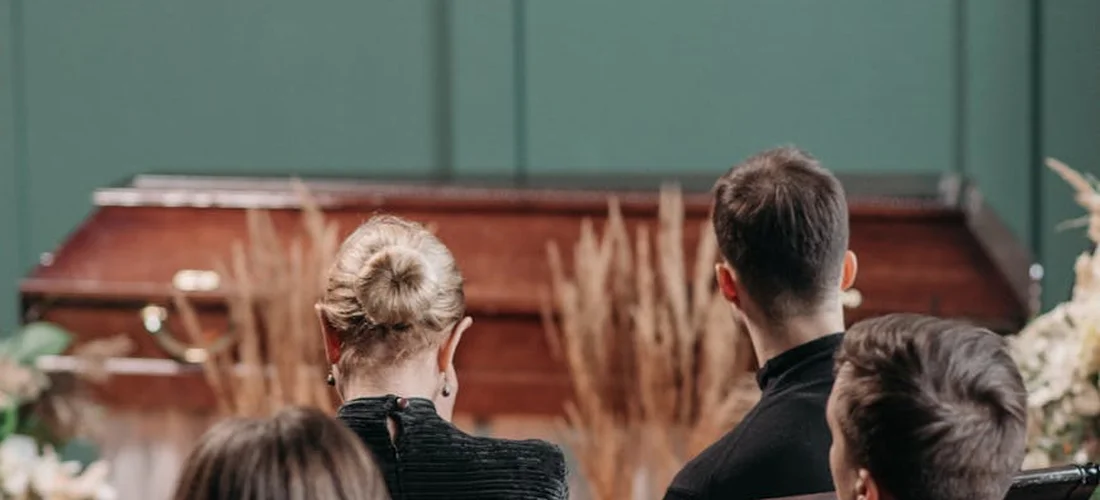
Choosing words for a workplace tribute requires a special balance. Your message should honor the professional relationship while acknowledging the personal loss. Aim for a tone that is respectful, sincere, and appropriately formal, focusing on the positive qualities they brought to the work environment.
For a card from an individual colleague, keep your message simple and direct. You might not have known their family, but you knew their dedication. For a card from a team or entire department, the message often reflects a shared sense of loss and collective appreciation.
Messages Honoring Their Work Ethic and Impact
Think of the qualities you admired most during your time working together. Were they a mentor, a reliable problem-solver, or the person who lightened the mood? Your note can reflect that specific memory.
From an Individual Coworker:
- “I am so grateful for [Name]’s guidance and kindness. They made coming to work a better experience, and I will miss them greatly.”
- “My deepest sympathies. [Name] was a true professional and a wonderful colleague. I will always remember their sharp mind and steady presence on our team.”
- “Thinking of you and your family. Working with [Name] was a privilege. Their dedication was an inspiration to us all.”
From a Team, Department, or Company:
- “In loving memory of a valued colleague and friend. [Name]’s contributions to our team were immense, and their presence will be deeply missed.”
- “With heartfelt sympathy from all of us at [Company]. We were fortunate to work alongside [Name] and will always remember their integrity and teamwork.”
- “Please accept our deepest condolences. [Name]’s positive spirit and strong work ethic left a lasting mark on our workplace. We share in your loss.”
How to Sign the Card Clearly
A clear signature avoids any confusion for the grieving family. It lets them know exactly who is sharing these kind thoughts. Always include your full name or the group’s official title so the family can place the sentiment.
For an individual, sign with your first and last name. You may add your department if you had a close working relationship. For a group, a collective signature is best.
- Individual: “With sympathy, Jane Doe” or “With deepest condolences, John Smith (Accounting Team)”
- Team/Department: “Your colleagues in the Marketing Department” or “The Team at [Company Name]”
- Whole Company: “With sympathy from all of us at [Company Name]”
Short and Simple Sympathy Messages for Any Relationship
Sometimes, the right words are the fewest. A short message on a flower card is a gentle touch. It is easy to write and, for someone in grief, often the easiest to receive.
Do not worry about crafting a long note. A simple phrase from the heart holds immense power. In moments of deep sorrow, a brief, sincere message can be the most meaningful gift.
Messages of Peace and Rest
These words offer a quiet wish for the person who has died. They speak to a hope for calm after suffering.
- Rest in peace.
- At peace now.
- Eternal rest grant unto them.
- With you in peaceful memory.
Messages of Support and Care
These phrases focus on the living. They are a direct line of comfort to the family and friends left behind.
- With deepest sympathy.
- Thinking of you.
- With love and prayers.
- You are in our hearts.
- Holding you close.
Messages of Loving Memory
These notes honor the bond that remains. They affirm that a person is remembered and cherished.
- With loving memories.
- Forever in our hearts.
- Gone but never forgotten.
- A life beautifully remembered.
Messages of Gratitude and Honor
Use these when you want to acknowledge a life well-lived or a personal impact.
- With gratitude for their life.
- A life that inspired many.
- Thank you for your light.
Any of these phrases, written clearly, will convey your care. I have seen a single line bring a moment of solace when a page of writing could not. Your presence, symbolized by the flowers and these few words, is what truly matters.
How to Word a Funeral Banner or Wreath Card
A large wreath or banner often becomes the centerpiece of a funeral service. It sits prominently, a visual anchor for everyone’s grief. This tribute is a public and lasting gesture of respect. Different wreath types carry distinct meanings, helping mourners convey messages when words fall short. Understanding these meanings can guide choosing a wreath that best reflects the deceased’s life and values.
I see these displays as quiet statements of love. They hold a space for memory when words feel too heavy to speak.
Choosing the right words for this central tribute is an act of kindness. It shows the family they are not alone in their loss.
When you wonder, “what can I write on a funeral wreath,” turn to formal and traditional phrases. These time honored messages convey sympathy with dignity. They are widely recognized and bring a sense of comfort through their familiarity. Ribbon etiquette—color and placement helps complete the respectful presentation. Together, the inscription and the ribbon convey your sympathy with decorum.
Here are several appropriate examples for a wreath card or banner:
- In Loving Memory of [Full Name]
- Forever in Our Hearts
- With Deepest Sympathy
- Gone From Our Sight, But Never From Our Hearts
- Rest in Peace
Simple, traditional words often carry the most weight. They speak directly to the heart without pretense.
The standard format for these messages has three clear parts. First, a dedicated line states who the tribute is for. Second, the main message of condolence follows. Third, you include the names of the senders.
For example, a complete card might read: “In Loving Memory of Robert Jones. Your light guides us still. From your friends at the library.”
This structure creates a complete and dignified statement. It honors the person who died and clarifies your connection to them.
I have found that families often save these cards. The clarity of this format makes the sentiment easy to remember and hold onto.
A Note on Etiquette: Practical Guidance for Sending Flowers
Knowing the practical steps can ease a small part of your worry. You want your gesture to arrive smoothly, offering comfort rather than complication.
Where and When to Send Flowers
Flowers are typically sent directly to the funeral home for the service. The obituary or funeral home website will list this address clearly. Following proper funeral flowers etiquette can help ensure your gesture is appropriate and timely. More etiquette tips—such as who to send to, how to address the card, and the preferred timing—will be covered next.
You may also send them to the family’s home in the days following. This brings a quiet comfort when the house feels very still.
Try to have flowers arrive at the funeral home one day before the service, or by the morning of. This gives the staff time to arrange them beautifully. For more tips on selecting and arranging funeral flowers, see our funeral flowers guide.
Respecting a Request for “No Flowers”
Sometimes a family will note “in lieu of flowers” in an obituary. Please honor this wish. It is a personal choice, often to direct support elsewhere, respecting funeral flower etiquette.
They may suggest a charitable donation, a meal delivery service, or simply your presence. Following their guidance is the most respectful way to show you care.
A Brief Word on Flower Meanings
You do not need a complex guide. People choose flowers for their beauty and feeling.
White lilies symbolize restored innocence. Roses speak of love, with red for deep affection and yellow for friendship. Carnations are a classic, durable choice. Choose what feels meaningful to you; the sentiment behind them matters most.
One Essential Final Step
However you express your sympathy, always write your name legibly on the card or order. Grief is overwhelming, and memories can blur.
A clear name lets the family know exactly who is sharing in their loss, which is a great comfort later.
What to Avoid in Funeral Flower Messages

Choosing the right words feels like a heavy responsibility. You want to offer comfort, not add to the pain. I often tell families that a few gentle guidelines can make this task feel less daunting.
Some well-meaning phrases can accidentally minimize a person’s grief. Avoid clichés that suggest the loss is simple or easily resolved, like “they’re in a better place” or “everything happens for a reason.” While said with kindness, they can sound like you are trying to fix an unfixable situation. Your presence in the sentiment is what truly matters.
Grief is a personal journey with no universal roadmap. Never offer unsolicited advice on how the family should feel or cope with their loss, especially when it involves common myths about mourning. Telling someone “you need to be strong” or “time heals all wounds” places an expectation on them during a period of pure survival.
Respecting Personal Faith
Faith can be a profound source of solace, but it is also deeply personal. Unless you are certain of the family’s specific beliefs, it is wise to choose more universal language.
Overly religious messages can feel alienating if the family’s beliefs differ from your own. A phrase like “called home by God” may bring comfort to some but discomfort to others. When in doubt, a simple expression of love carries its own sacred weight.
Navigating Sensitive Details
The focus of your message should be on honoring the life lived and supporting those left behind. Introducing other topics can shift that focus in painful ways.
Never mention the manner or cause of death in your note. This is not the time for questions or commentary on an illness, accident, or tragedy. The family is already living with those details every moment.
Each loss is its own unique ocean of sorrow. Avoid making comparisons to your own experiences or other losses, even if you mean to show empathy. Saying “I know how you feel” can inadvertently dismiss the singular relationship they are mourning. A simple “I am holding you in my heart” acknowledges their unique pain without comparison.
Support and Reflection: Caring for Yourself After Writing
Choosing words for a funeral card can leave you feeling drained. It is a quiet, inward task that often brings sharp memories to the surface. This emotional weight is a sign of your deep care, not a failure to find the right phrase.
I want to honor the effort you have made. Sitting with your thoughts to compose a message is a profound act of kindness. Your search for these words, in itself, holds a quiet dignity that speaks volumes.
If this process has stirred grief from your own past, please be gentle with yourself. I have sat with families where an old loss felt fresh again during moments like these. Speaking with a grief counselor or joining a support group can provide a safe harbor for your feelings. Many people find that sharing in a group helps normalize grief and offers practical coping strategies. Exploring the benefits of grief support groups can guide your next steps.
Frequently Asked Questions
What should I write if I didn’t know the person who died very well?
Focus on offering sympathy to the grieving family directly. A simple, kind message expressing your care for them is perfectly appropriate and respectful. It’s important to use the right phrases when offering condolences.
What is the main difference between a card message and a banner message?
A card is a personal note from you, while a banner often represents a collective tribute from a group. Keep card messages more individual and banner messages slightly more general but still heartfelt.
What if I feel completely stuck for words?
Please know that your sincere presence is what matters most. Using a simple, traditional phrase like “With deepest sympathy” is a kind and acceptable way to convey your care.
Parting Reflections on Funeral Flower Cards
When words feel difficult, remember that sincerity matters most. A simple, genuine message from your heart holds the greatest comfort for those who grieve.
Approach all Funeral Needs with a focus on dignified care, considering gentle, eco-friendly choices as part of responsible Funeral Care. Your continued attention to Funeral Questions helps ensure compassionate support for every step ahead.
Emiliana Dieter
Emiliana is an author at The Valedictory. She is an experienced funeral care advisor and arranged and organized many funerals as part of her end of life consulting services. She has over 8+ years in the funeral industry managing her family funeral business and helping families cope with the loss of their loved ones. Her articles answer any and all questions you might have regarding funeral arrangements, costs, preparations, etc so you can make this a seamless experience.