
Funeral Flower Etiquette: A Compassionate Guide to Sending Sympathy Flowers
When someone dies, you might worry about sending the right flowers or following the proper rules. I want to help you navigate this with confidence and care.
This article draws on my experience in funeral care to clarify the process. We will explore:
- The key etiquette rules for choosing and sending funeral flowers
- When it is most meaningful to arrange for sympathy flower delivery
- How to select arrangements that honor the departed and comfort the living
Key Takeaways: Gentle Guidance at a Glance
If you are feeling unsure, hold these three points close. They are a gentle map for a difficult moment.
- Funeral flowers are for the service itself, while sympathy flowers are sent directly to the family’s home. Getting the timing right ensures your gesture arrives where it is most needed.
- Always take a moment to check for religious or cultural customs surrounding flowers. A brief call to the funeral home can guide your choice with respect.
- Your card message requires only a few sincere words from the heart. A simple expression of care carries more weight than any lengthy note.
Note on Etiquette: Your Compassion is the Priority
I often see people worried about getting every detail perfect. Let me offer some reassurance.
- Please remember that etiquette is a framework for showing respect, not a test you must pass. Its purpose is to guide us, not to judge our intentions.
- A gesture made with genuine kindness is never the wrong thing to do. In the landscape of grief, compassion is the only essential rule.
- I have learned that families remember the love behind an action, not its minor imperfections. Your desire to comfort is what truly matters.
Understanding the Two Main Types: Funeral Flowers and Sympathy Flowers
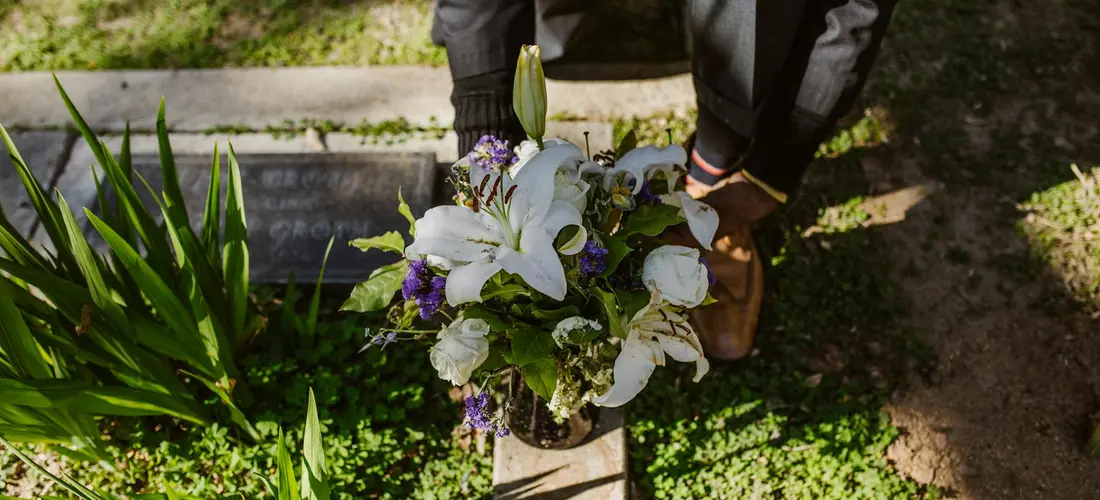
Flowers serve different roles in the quiet days after a loss. The type you choose depends on where you send them and whom you wish to comfort. Knowing the difference guides your choice to be most helpful.
What is the Difference Between Funeral Flowers and Sympathy Flowers?
Funeral flowers are sent to the funeral home, church, or graveside for the service itself. They are public tributes meant to honor the person who has died. Their presence fills the space with beauty and shared respect. For those planning a tribute, a funeral flowers guide can help you choose appropriate arrangements and meanings. It can also offer timing and care tips.
Sympathy flowers are sent directly to the home of the grieving family. These are personal gestures of care meant for private comfort. They arrive as a quiet reminder of support in the days and weeks after the service, unlike memorial donations or sympathy flowers that are sent to public venues or institutions.
The core difference is this: funeral flowers honor the deceased in a public setting, while sympathy flowers console the living in their private space.
What Are Appropriate Flowers for a Funeral Service?
For a funeral service, we choose blooms that convey dignity and peace. White lilies symbolize restored innocence. Roses speak of love and respect. Carnations and chrysanthemums are classic choices for their lasting beauty.
Arrangements are often larger and designed to stand. A standing spray rests on an easel. A wreath is a circle of eternal love. The casket spray is a final, loving blanket of flowers chosen by the immediate family.
These arrangements become part of the service’s atmosphere, a visual expression of collective sorrow and tribute.
What Are Appropriate Sympathy Flowers for the Home?
For the home, think of flowers that will live and provide comfort over time. A vibrant potted plant, like an orchid or peace lily, can be nurtured. A mixed bouquet in a vase brings color to a quiet room. A basket garden feels like a gift of continuing life.
These are not for show. They are for the family to see each morning. They offer a gentle, living presence when the public ceremonies are over.
A sympathy arrangement for the home is a sustained whisper of care, a personal comfort meant only for the eyes of those who grieve.
Who Sends Flowers and What is Expected?
Flower traditions can feel like a complex social map. The rules are not meant to exclude, but to offer a simple path during a difficult time.
Your thoughtful gesture matters more than perfect adherence. The simple act of sending flowers speaks a language of care that grief understands.
Who Typically Sends Formal Funeral Flowers?
Immediate family members often choose the largest, most central arrangements. These pieces, like standing sprays or casket blankets, form the visual heart of the service.
Extended family and very close friends usually send sizable bouquets or wreaths. Their flowers are placed near the family’s arrangements as a show of united support.
Colleagues, clubs, or community groups frequently send a collective tribute. A single, beautiful arrangement from “Your Work Family” carries the sympathy of many.
Can You Bring Your Own Flowers to a Funeral?
It is generally best not to bring your own flowers to the service. The family has already coordinated with the funeral home on space and displays for funeral flowers.
Having flowers delivered professionally to the funeral home or family’s house is the most considerate choice. It prevents the family from needing to transport or arrange extra items on the day.
If you feel a deep need to bring a physical token, a single hand-held stem is a quiet alternative. You can place it gently with the other flowers or simply hold it during the service.
Timing and Delivery: When and Where to Send Flowers
Knowing the logistics of sending flowers can ease a small part of your burden. This clear guidance removes the guesswork, allowing you to focus on offering comfort.
When Is the Best Time to Send Sympathy Flowers?
Sympathy flowers for the home serve as a gentle, immediate embrace. You can send them the very day you learn of the loss.
This early gesture brings a softness of color and life into a house that may feel suddenly quiet. From my own experience, I have seen how a simple arrangement on the kitchen table can be a silent companion in grief.
Do not worry if days or even weeks pass after the service. Sending flowers then is still a deeply thoughtful act. It reminds the family they are not forgotten as the world moves on.
When Should Funeral Flowers Be Sent?
Funeral flowers are meant to be part of the service itself. They must arrive at the location before it begins.
This requires coordination, so you should place your order at least 48 hours in advance. I always advise calling the florist directly and mentioning the funeral home’s name. They know how to coordinate the delivery window for setup.
Timing is a practical kindness. It ensures your tribute is present, seen, and included in the gathering of respect.
Where Should Funeral Flowers Be Sent?
You should almost always send funeral flowers directly to the funeral home. This is where they will be displayed for the service.
Sending them to the family’s residence can create logistical difficulty during an intensely busy time. The only exception is if the family or obituary specifically requests home deliveries.
With every order, include the full name of the person who has died. Write it clearly. This simple act ensures your gift reaches its intended place without confusion or delay.
Common Mistakes to Avoid
When you are grieving or want to offer comfort, the last thing you need is more worry. These guidelines are not about strict rules. They are about preventing small oversights that could accidentally add to a family’s burden.
My aim is to help your kind gesture land with the grace you intend.
Are There Any Colors of Flowers That Are Inappropriate?
Color carries quiet meaning in moments of grief. The goal is to choose tones that offer comfort, not distraction.
Generally, it is wise to avoid large arrangements in overly vibrant or festive colors. Think of bright oranges, neon pinks, or bold multicolor mixes that feel more suited to a celebration. These can feel out of place and may draw unintended attention.
Traditional, dignified colors like white, cream, soft blue, lavender, and pale pink are almost always safe and respectful choices. They speak a language of peace, sympathy, and remembrance that is universally understood.
Context holds great power, though. If you know the deceased adored sunflowers or a specific, brilliant hue, a small, personal bouquet in that color can be a beautiful tribute. It becomes a specific memory, not just a general gesture.
Overlooking Specific Family Wishes
This is perhaps the most critical point of all. In their grief, a family has made a specific request. Honoring that request is a direct act of compassion for them.
Always, always read the obituary or death notice carefully. Look for phrases like “in lieu of flowers” or “the family requests donations to.” This is not a slight against flowers. Often, it is a heartfelt desire to channel love toward a cause dear to their loved one.
Respecting a request for charitable donations is a profound kindness that extends the legacy of the person who died. Sending flowers when the family has asked for donations can create a difficult, silent tension, even if your heart was in the right place.
When you follow the family’s stated wishes, you show a deep level of respect. You tell them you are listening, and you care about what matters to them in this painful time.
Your Words of Comfort: What to Write in the Card
Staring at a blank card can feel daunting. Words seem too small for such a large loss. Please know that your effort to reach out, however you phrase it, carries more weight than perfect prose.
You are not writing a eulogy. You are extending a hand. The right words are simply the ones that feel true to you and respectful to them.
Short, Sincere Messages Are Enough
Length does not measure care. A brief, heartfelt line offers a moment of solace when a grieving person’s world is overflowing with arrangements and emotions.
Think of your note as a quiet nod of support. Here are a few phrases that are always fitting.
- With deepest sympathy.
- Thinking of you and your family.
- Wishing you peace and comfort.
- With loving memories of [Name].
If it feels natural, including the name of the person who died is a powerful gesture. It acknowledges a unique life, not just a loss. A simple “I will miss John’s wonderful laugh” or “Remembering Maria’s kindness” can be a profound comfort.
Avoiding Unintended Harm in Your Note
In our desire to comfort, we sometimes reach for phrases that can land heavily on a grieving heart. The intention is good, but the effect can be isolating.
Avoid statements that presume to understand their personal grief, such as “I know how you feel.” Even if you have experienced loss, their relationship was their own. Similarly, avoid any language that suggests the death was positive, like “It was for the best” or “They’re in a better place.”
These attempts to explain or fix can minimize the raw, valid pain of the bereaved.
When in doubt, “I am so sorry for your loss” remains the most universally appropriate and compassionate message you can send. It does not preach, compare, or justify. It simply bears witness to their sorrow, which is often what is needed most.
Religious and Cultural Considerations for Funeral Flowers
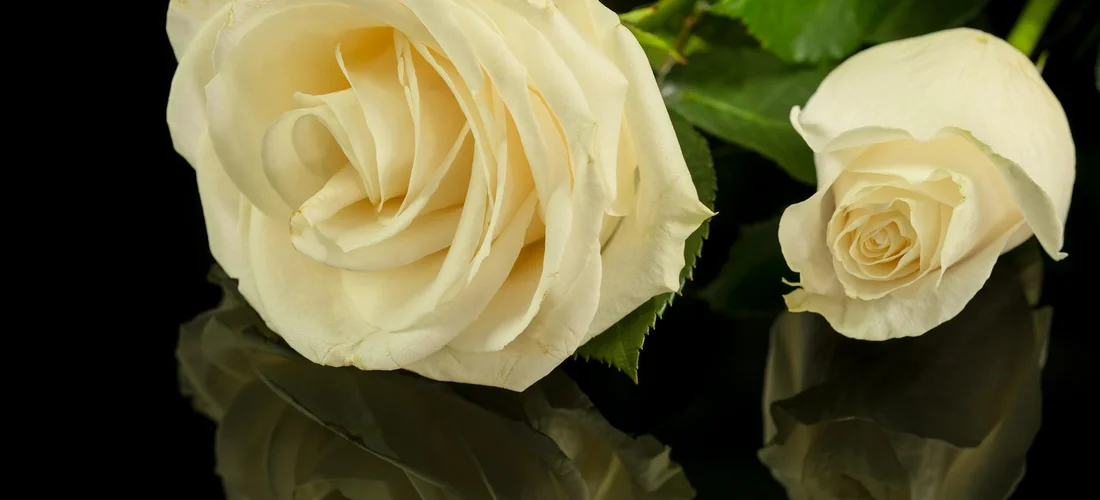
Choosing funeral flowers is often an act of deep respect. It is a quiet way to show you care.
This gesture becomes most meaningful when it aligns with the family’s faith or cultural practices. Taking a moment to consider these traditions is a profound form of sensitivity to the grieving. It tells them you see their loss within the context of their whole life.
If you are unsure about what is appropriate, it is perfectly acceptable to ask. A discreet inquiry to a close family friend or a quick search online can provide clarity. I always advise erring on the side of caution and respect.
Traditions Where Flowers Are Common
In many faiths, flowers are a cherished symbol of life, remembrance, and beauty amid sorrow.
Christian Funeral Services
Flowers are generally welcomed and are a central part of the service aesthetic in most Christian denominations. They adorn the church or chapel, bringing color and a sense of peace to the space.
From my experience, families often find great comfort in the visual tribute of blooms surrounding their loved one’s service. Arrangements like standing sprays or casket covers are common and appreciated.
Hindu Traditions
Flowers are integral to Hindu funeral rites, but the form differs from Western customs. Elaborate garlands, not placed bouquets, are more common.
These garlands are often offered to the deceased as a mark of respect. Bright colors like marigold yellow and vibrant orange are often acceptable and symbolize purity and offering. The scent of fresh jasmine and roses often fills the air, a sensory part of the farewell.
Traditions Where Flowers May Not Be Customary
In some traditions, floral tributes are not part of the custom. Here, your thoughtfulness can be expressed in other, deeply valued ways.
Jewish Traditions
Flowers are typically not sent to a Jewish funeral or to the home during the Shiva mourning period. The custom emphasizes simplicity and equality in death, unlike other cultural traditions where specific flower colors carry symbolic meanings.
A donation to a charity favored by the deceased is almost always the most meaningful alternative. Another thoughtful gesture is sending a basket of food, known as a shiva basket, to support the mourning family with practical necessities.
Muslim Traditions
Customs can vary, but simple, modest floral tributes may be accepted in some communities. Often, they are not a traditional part of the Jewish or Muslim funerals.
The focus is on swift, dignified burial and community support. Again, charitable donations or offers of practical support, like providing a meal, are highly valued and reflect the communal spirit of care. When in doubt, I have found that a sincere offer of help speaks louder than any object.
Is It Appropriate to Send Flowers to the Home of the Bereaved?
Yes, it is absolutely appropriate to send sympathy flowers to the home. I hear this question often, and my answer is always a gentle yes.
Sending flowers to a home is a thoughtful and common practice. It tells the family you are thinking of them in their private moments of grief, not just at the public ceremony. When choosing arrangements, consider funeral flower arrangements suitable for home care.
In my experience, a delivery to the door brings a quiet, personal comfort. It transforms a living room or kitchen into a space softened by beauty during a hard time.
These arrangements offer solace that lingers long after the funeral service has ended. They are a visible reminder of care during the lonely days that follow.
How Long After a Funeral Is It Acceptable to Send Flowers?

Many people ask if sending flowers after the funeral service is still appropriate. The simple answer is yes, it is not only acceptable but often deeply appreciated, especially when sending flowers after the service.
Grief does not follow a schedule. The need for comfort extends far beyond the day of the service. You can send sympathy flowers weeks or even months after the funeral, and your gesture will carry significant meaning.
In the first days, there is often a flurry of calls, cards, and visits. After that, the world moves on, but the bereaved person’s loss remains. A floral arrangement arriving during this quieter period is a tangible reminder they are not forgotten.
Consider sending flowers to mark a specific moment when support is felt anew.
- A few weeks later, to show your thoughts are with them as daily life resumes.
- On a one-month anniversary of the passing.
- During a holiday or birthday that will be particularly difficult.
These later deliveries are a quiet, beautiful testament to ongoing care. They say, “I remember. I am still here.” In my experience, these gestures often arrive at a moment of profound loneliness and feel like a gentle, living embrace.
Alternatives to Traditional Flower Arrangements
Sometimes, flowers do not feel like the right choice. The family may have requested no flowers, or you might wish for a tribute that lasts longer than a bouquet.
These alternatives are not second best. They can be profound gestures of support, meeting a family’s needs in a different, deeply personal way. I have found that in grief, the most remembered kindnesses are often the ones that felt uniquely thoughtful.
Living Memorials
Consider giving a potted tree, shrub, or perennial plant. A living memorial grows in the family’s garden, changing with the seasons.
It becomes a quiet place to remember. A young tree, for instance, offers a promise of shade and shelter, a living symbol that endures. I have seen a flowering bush bring comfort years later, its blossoms a gentle, annual reminder of a life loved.
Charitable Donations
A donation made in the deceased’s name is a powerful tribute. It extends their memory into a cause they cared about.
This act often means more to a family than any object. Giving to a charity reflects the person’s values, transforming grief into a gesture of hope. When you are unsure what to do, a donation is nearly always a fitting and cherished choice.
Personal and Practical Gestures
Your time and attention can be the greatest gift. These gestures speak directly to the heart of loss.
Simple acts carry immense weight.
- A handwritten letter sharing a specific memory is a treasure a family will return to for years.
- Creating a small photo album of joyful moments offers a tangible connection.
- Offering to provide a meal or help with daily tasks addresses the quiet, exhausting reality of grief.
These actions say, “I see you, and I am here.” They require no special etiquette, only compassion.
Frequently Asked Questions
What should you write in a card when sending sympathy flowers?
A brief, sincere message from the heart is all that is needed. A simple “With deepest sympathy” or “Thinking of you” offers genuine comfort.
Are there any religious or cultural considerations for funeral flowers?
Yes, some traditions have specific customs regarding flowers. It is always a thoughtful gesture to check the obituary or with the funeral home for guidance. Understanding funeral flower meanings and traditions can help you choose appropriate blooms that honor the deceased. These meanings often reflect cultural or family customs behind the gesture.
How long after a funeral is it acceptable to send flowers?
Sending sympathy flowers after the service is a meaningful way to show ongoing support. It is a thoughtful gesture that reminds the family they are not forgotten. You can send flowers even after the funeral.
Parting Reflections on Sympathy Flowers
The heart of flower etiquette lies in thoughtful timing; sending your sympathy close to the service ensures your gesture is part of the collective comfort. Above all, let your choice be guided by respect for the family’s known wishes or cultural traditions, as this attentiveness is the truest expression of care.
Extending this mindful approach, consider dignified, eco-friendly options as part of honoring a life. I encourage you to continue seeking gentle guidance on Funeral Care, Funeral Needs, and Funeral Questions as you move forward.
Emiliana Dieter
Emiliana is an author at The Valedictory. She is an experienced funeral care advisor and arranged and organized many funerals as part of her end of life consulting services. She has over 8+ years in the funeral industry managing her family funeral business and helping families cope with the loss of their loved ones. Her articles answer any and all questions you might have regarding funeral arrangements, costs, preparations, etc so you can make this a seamless experience.