
A Guide to Funeral Attire: What to Wear for Men, Women, and Children
Choosing what to wear to a funeral can feel like a heavy, confusing burden when your mind is already clouded with grief.
This article offers clear, compassionate guidance to help you dress with respect, covering traditional colors and modern choices, specific outfit options for men, women, and children, and practical tips for selecting comfortable, appropriate clothing.
Key Takeaways: Compassion Over Perfection
If you are reading this, your heart is likely heavy. Choosing clothes feels like one more impossible task.
Please remember this above all: showing up for the people you care about is the only requirement that truly matters.
Your goal is not perfection, but respect. Neat, modest, and comfortable clothing allows you to be fully present.
- Choose dark or muted colors like navy, gray, brown, or black.
- Wear clean, pressed garments without loud patterns or logos.
- Select comfortable shoes you can stand and walk in quietly.
From my own experience, I choose an outfit that feels like a quiet background. Your clothing should let you focus on the people around you, not on adjusting a hem or a tight collar.
The Heart of Funeral Attire: A Note on Etiquette and Intention
Funeral clothing is a quiet signal. It is a visual whisper of respect and shared sorrow, not a test of fashion.
Your choices should prioritize the comfort of the bereaved family and match the tone of the event. A bright, festive pattern can feel like a disruption in a room filled with grief. When in doubt, stick to traditional funeral attire.
Some cultures or families may request specific colors, like white, or avoid black entirely. If you are uncertain, it is always acceptable to ask a close family friend or choose the most subdued option you own.
A small stain, a wrinkled shirt, these are the marks of a real life interrupted by loss. Small imperfections in your outfit are completely understandable, and no one who matters will notice them.
Why Your Presence Matters More Than Your Outfit
Years ago, I had to attend a service with very little notice. My only appropriate suit was at the cleaner’s across town.
I wore a simple, borrowed black sweater and trousers that were slightly too short. I felt self-conscious until I arrived and saw the family’s faces.
Their eyes held gratitude for the familiar faces in the crowd, not judgment for hemlines. Genuine care and a shared silence carry more weight than any tailored suit or new dress ever could.
Guiding Choices for Men: From Suits to Sweaters
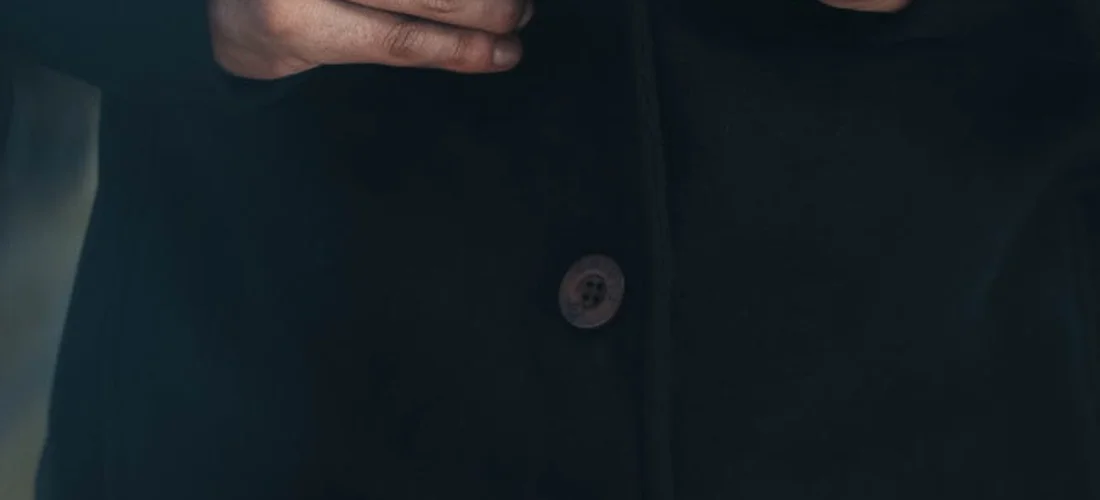
What are acceptable funeral clothing options for men? A dark suit, dress trousers with a blazer, or a smart sweater can all be appropriate. The aim is neat, subdued, and respectful attire. A well-chosen suit communicates respect for the occasion. The key is modesty in color, fit, and presentation.
Your core items are a dark suit in navy, charcoal, or black. A solid-colored dress shirt in white, light blue, or gray is a reliable choice. A clean, pressed collared shirt forms the foundation of a respectful outfit. If you do not own a suit, a dark blazer paired with matching trousers works well.
You might wonder about alternatives. A fine-knit turtleneck in a dark color is acceptable if it looks neat. A plain, dark v-neck or crewneck sweater over a shirt is also suitable. Keep accessories simple: a conservative tie, a plain belt, and dark, polished shoes.
Specific questions often arise. Can you wear a tuxedo? Typically, no. A tuxedo is for evening formalwear, not a funeral service. Can you wear a waistcoat? Yes, a waistcoat worn under a suit jacket is perfectly fine and can add a layer of formality.
Building a Respectful Outfit, Piece by Piece
Let’s build the outfit component by component. Start with the suit or blazer. Ensure it is clean and fits properly. Avoid fabrics that are overly shiny or casual, like linen or seersucker in bright colors.
Your shirt should be long-sleeved and tucked in. A polo shirt is generally too casual. For trousers, choose dress pants that match your jacket or are a complementary dark shade. Jeans, cargo pants, or shorts are not appropriate.
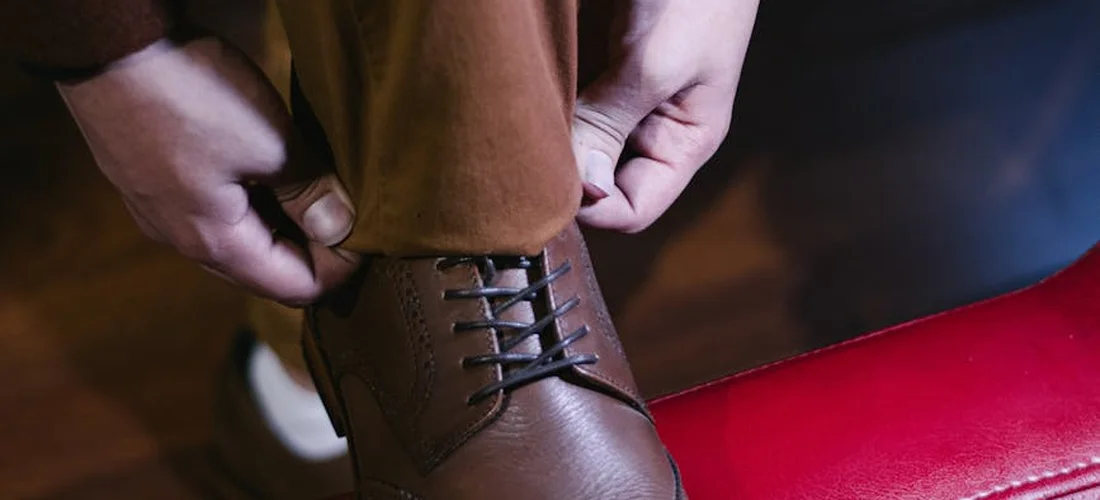
Footwear matters. Wear dark leather shoes, like oxfords or loafers, and give them a quick polish. Clean, dark shoes complete the look with a quiet dignity. Avoid sneakers, sandals, or worn-out boots.
If you lack a full suit, do not worry. A dark sweater with dress trousers and a collared shirt is a thoughtful alternative. The key is looking put-together and avoiding anything overly bright or casual. For a formal casual funeral dress code, aim for subdued colors and clean lines that convey respect while staying comfortable. This balance helps you feel appropriate without sacrificing ease.
For Fathers, Sons, and Brothers
For immediate male family members, the guidance carries a little more weight. You may feel a pull to dress with slightly more formality, perhaps opting for a full suit and tie. This is a common and understandable choice.
Your role means you may be more visibly involved. Choose clothes that allow you to move, embrace, and sit through a long service. Prioritize physical comfort in your clothing choices, as the emotional weight of the day is enough to carry. A well-fitting outfit can be one less thing to manage in your grief.
Guiding Choices for Women: Dresses, Skirts, and Trousers
What are acceptable funeral clothing options for women? Modest dresses, skirts with blouses, and tailored trousers are all considered appropriate. Colors should be dark or muted, like black, navy, gray, or deep burgundy. Additionally, funeral attire etiquette clothing can guide you to dress respectfully for the service. This helps ensure your outfit remains fitting and understated for the occasion.
Core items include a knee-length or longer dress with sleeves or a modest neckline. A skirt and blouse combination is a classic choice. A pair of well-fitting trousers with a simple blouse or sweater is equally respectful. A maxi dress or a skirt is perfectly acceptable, provided the fabric and cut are not overly casual, like a beach wrap or denim.
Layering is both practical and suitable. A blazer, cardigan, or a classic camel coat for outdoors adds polish. Footwear should be closed-toe and comfortable, such as flats, low heels, or smart boots. Keep accessories minimal-small earrings, a simple necklace, or a watch.
Finding Comfort and Coverage
Choose clothes that allow you to sit, stand, and move with ease. You may be kneeling, embracing, or standing for long periods. A too-tight skirt or restrictive blouse can add physical stress to an already difficult day.
Opt for breathable fabrics like wool blends, cotton, or jersey that do not cling. Your clothing should be a source of quiet comfort, not a distraction. Ensure your outfit provides enough coverage so you do not feel self-conscious while bending or sitting.
For Mothers, Daughters, and Sisters
For immediate female family members, your presence is central. Your outfit need not be elaborate. A simple, put-together dress or separates in a dark, solid color is often the most fitting choice.
You are holding a space of remembrance. A cohesive, gentle outfit can serve as a small, steadying anchor amidst the emotional turmoil. It is one tangible thing you can control. Choose something that feels like you, but softer and more subdued, honoring both the person you’ve lost and your own need for solace.
Guiding Choices for Children: Comfort and Simplicity First

What are acceptable funeral clothing options for children? The answer always begins with their comfort. A child’s physical and emotional ease matters most on a day filled with unfamiliar feelings. For families seeking practical guidance, a children’s funeral attire guide offers simple, respectful suggestions that keep comfort first. It also helps with selecting colors and fabrics appropriate for the ceremony while supporting the child’s ease.
Choose soft, familiar fabrics that feel gentle against their skin. Avoid anything itchy like stiff lace or too tight, like a formal collar. Discomfort can make a hard day much harder for them.
For boys, a dark-colored polo shirt with clean trousers is a respectful choice. For girls, a simple dress or skirt in a muted color works well. I have always advised parents that clean, neat play clothes are far better than a fussy outfit that causes distress.
Your child feeling secure and calm is the greatest sign of respect you can offer in that moment.
Outfits That Allow for Being a Child
Children grieve in motion, even if it’s small. Select clothes that permit quiet fidgeting, sitting comfortably on a lap, or holding a well-loved blanket or toy. Soft, stretchy materials are a kind choice.
I recommend bringing a soft, dark-colored sweater for warmth. It is also wise to pack a spare change of clothes. A simple spill should not add to your worry when you are already caring for a grieving heart.
Allowing a child to simply be a child is an act of profound understanding during a funeral.
Answering Common Concerns: “Can I Wear This?”
Many specific questions arise about single items of clothing. Here is a straightforward guide to help you decide.
- Blazer: Yes. A blazer is a versatile layer that adds respectful structure to an outfit.
- Camel Coat: Yes, for outdoors. Its neutral tone is appropriate for over your attire before and after the service.
- Maxi Dress: Yes. A maxi dress in a dark or subdued color is modest and perfectly acceptable.
- Skirt: Yes. A skirt of a reasonable length, worn with a blouse or sweater, is a classic choice.
- Sweater: Yes. A neat sweater provides comfort and maintains a dignified appearance.
- Turtleneck: Yes. A turtleneck offers modest coverage and can look very respectful.
- Tuxedo: Generally no. A tuxedo is typically too formal for a funeral and can feel out of place.
- Waistcoat: Yes, as part of a suit. A waistcoat completes a man’s formal wear without being excessive.
The common thread is modesty and respect, not rigid formality.
When the Dress Code is Unclear or Unique
Some families may request “celebration of life” attire or ask for specific colors to honor their loved one. When you know the wishes, follow them. It is a direct way to show your support.
If you are truly unsure what to wear, choose slightly more formal, dark clothing. A simple dark suit or a conservative dress rarely feels inappropriate. Your presence, dressed with quiet consideration, is what truly counts.
When guidance is absent, let quiet respect be your guide.
If Clothing Feels Out of Reach: Practical and Compassionate Alternatives
Grief is a heavy weight. In its shadow, the simple act of choosing an outfit can feel overwhelming, even impossible. If you are facing financial strain or pure emotional exhaustion, please know this is understood.
Your presence matters infinitely more than any garment. The intention behind your appearance-a wish to honor and say goodbye-is what truly resonates.
Simple, Achievable Steps
First, be gentle with yourself. If buying new clothing adds a burden you cannot carry, look to what you already have. The darkest, most subdued outfit in your closet, cleaned and pressed, is more than acceptable.
Choose clothing that is clean, tidy, and free of loud graphics or logos; this simple act shows care and respect. A plain dark sweater with trousers or a simple, dark dress speaks volumes through its modesty.
Do not hesitate to ask for help. A trusted friend or family member may have an item you can borrow for the day. Most people feel honored to provide such a practical form of support. It is okay to accept this kindness.
The Heart of the Matter
Focus on the fundamentals: cleanliness and neatness. Brush your hair, wash your face, wear clothes that are free of stains or tears. These small efforts are not about vanity.
Showing up, clean and composed as you are able, is the ultimate gesture of respect for the deceased and their family. It is a quiet statement that this moment, and this person, mattered to you.
I have seen mourners in worn but carefully mended jackets and others in borrowed shirts that were slightly too large. What I remember is not the clothing, but the shared sorrow and the courage it took to be there.
A Final Word of Reassurance
Funeral customs are guides, not inflexible rules. They are meant to provide comfort, not create another source of pain or anxiety. The community gathered in grief is a patchwork of lives and circumstances, united by their adherence to funeral etiquette and behavior guidelines.
Extend compassion to others in their choice of attire, and, most critically, extend that same compassion to yourself. What you wear does not measure your love or your loss. Simply being there, as you are, is enough.
Compassionate Guidance: Funeral Attire FAQs
What is a respectful funeral attire baseline for men?
A dark suit or blazer with dress trousers is a traditional and reliable choice, conveying quiet respect. If a full suit isn’t available, a neat, dark sweater paired with a collared shirt is a perfectly acceptable and thoughtful alternative.
What should women prioritize when selecting funeral clothing?
Opt for modest, dark-colored dresses, skirts, or trousers that provide comfort and allow you to be fully present. Your outfit should be a source of gentle reassurance, not a distraction, during the service.
How can I ensure my child’s funeral attire is appropriate?
Prioritize your child’s comfort with soft, familiar clothing in subdued colors like navy or gray. A simple, neat outfit that lets them move and sit easily is the most respectful and compassionate choice.
Honoring Personal Choices in Funeral Attire
The heart of this guidance is to select clothing that feels respectfully appropriate and genuinely comfortable for you. Your attire should honor the deceased while supporting your own need for solace during the service. Casual funeral attire etiquette can offer practical, respectful options for a more relaxed setting. We’ll outline simple examples in the next steps.
Choosing timeless pieces or sustainable materials reflects a dignified, caring approach to funeral needs. I invite you to gently explore further questions about funeral care, such as which documents you’ll need to have on hand, as this learning can bring reassurance for the days ahead.
Emiliana Dieter
Emiliana is an author at The Valedictory. She is an experienced funeral care advisor and arranged and organized many funerals as part of her end of life consulting services. She has over 8+ years in the funeral industry managing her family funeral business and helping families cope with the loss of their loved ones. Her articles answer any and all questions you might have regarding funeral arrangements, costs, preparations, etc so you can make this a seamless experience.