Jewish Views on Cremation: Religious Laws and Funeral Customs Explained
When facing decisions about cremation within Jewish tradition, you might feel a mix of respect for faith and care for your loved one.
I will walk you through this sensitive topic, focusing on the profound religious preference for burial, the specific laws from Torah and Talmud that guide this view, and the essential funeral customs that honor the deceased.
Key Takeaways: A Compassionate Summary
- The heart of Jewish funeral practice is a dignified honor for the body and a gentle care for the soul’s passage.
- Traditional Jewish law, called Halakha, prohibits cremation and requires burial.
- Views differ among Jewish movements: Orthodox and Conservative Judaism uphold the prohibition, while Reform Judaism may permit it in some situations.
- Your family’s decisions during grief are met with profound respect, and supportive guidance is always within reach.
Understanding the Foundation: Respect for the Body and Soul
Everything begins with the principle of Kavod HaMet, meaning “honor for the dead.”
This isn’t just a ritual; it is a continuing act of respect for the person who has died, treating their physical form with the same dignity we offered in life.
The body is understood as a sacred vessel that once held a soul.
Like a trusted container, it is meant to return to the earth slowly and naturally, completing a cycle that feels gentle and right.
You might wonder, ‘Why is cremation generally prohibited in Judaism?’
The answer is woven from threads of theological reverence and painful historical memory, including the Holocaust, where fire was used as a weapon against the Jewish people.
This preference for burial is anchored in ancient texts.
The Torah and Talmud consistently point toward interment in the ground, seen in the patriarchs’ actions, establishing a tradition of returning dust to dust.
What Are the Jewish Religious Views on Cremation?
Religious views on cremation stem from a deep sense of reverence for creation itself.
Fire represents a forceful and final act of destruction, while the earth offers a patient, gradual embrace.
I have seen how this contrast matters to families.
The natural decay of burial is often felt as a more compassionate and faithful completion than the swift transformation of flames.
What Are the Jewish Laws Regarding Cremation?
Halakha, the system of Jewish law, provides clear direction based on centuries of study.
Traditional Halakha views cremation as a desecration, an act that violates the commandment to bury and dishonors the body’s sanctity.
So, to directly address the question, ‘Are Jews allowed to be cremated?’ from a traditional legal standpoint:
The answer is no; Jewish law requires burial as the only permissible method for handling the deceased.
The Traditional Path: A Guide to Jewish Burial Customs
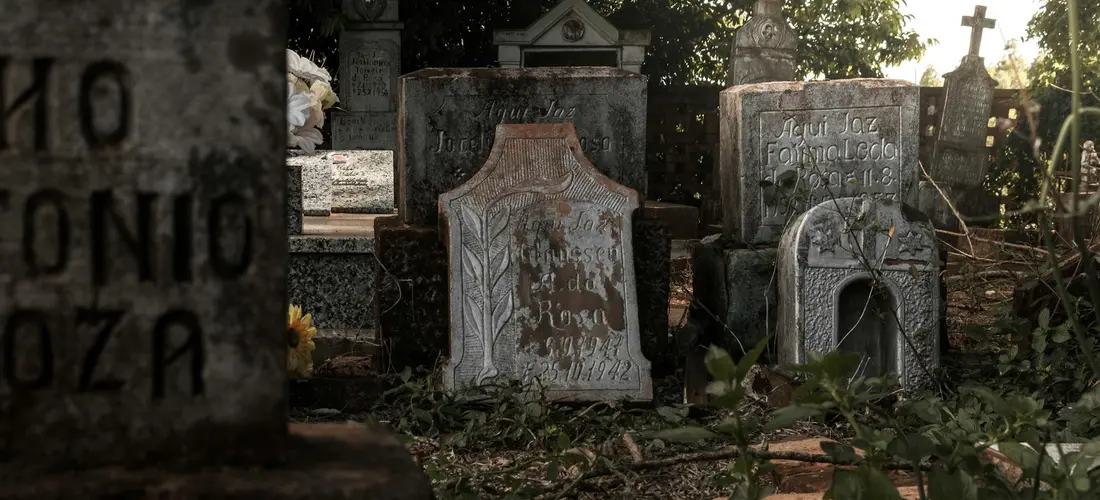
Jewish burial customs form a gentle, structured path from death to interment. The process honors the body with meticulous care and surrounds the family with community support. Every step is designed for simplicity, dignity, and respect, and notably excludes embalming practices.
The rituals are not for the dead, who cannot feel them, but for the living who must say goodbye. They provide a clear framework of what to do when you may not know what to feel. This path has been walked for generations, offering a hand to hold in your grief.
How Do Jewish Customs Handle the Body After Death?
From the moment of death, the body is never left alone. A practice called Shmira, or watching, begins immediately. A family member or community volunteer sits with the deceased, often reciting Psalms. This constant vigil is a first act of profound respect, ensuring the person is not abandoned.
Next, the Chevra Kadisha, or Holy Society, prepares the body. This is a sacred task performed by trained individuals of the same gender as the deceased. Their work is called Taharah, which means purification. The Taharah ritual is a final act of cleansing performed with the utmost reverence and prayer.
The body is carefully washed with clean, warm water in a prescribed manner. Every movement is gentle and accompanied by silence or prayer. Following this, the body is dried and dressed in Tachrichim, simple white linen or cotton shrouds.
These shrouds are plain and identical for everyone, without pockets. They symbolize that we take no material possessions from this world. The casket used is equally simple, often made of plain, unfinished wood. This simplicity in dress and casket affirms the equality of all people in death.
What Is the Process of a Traditional Jewish Funeral?
A traditional Jewish funeral is typically held within 24 to 48 hours after death. The service itself is solemn and straightforward, reflecting a focus on the soul rather than elaborate displays. It often begins with the tearing of a garment, known as Kriah, to reflect the timing and customs of Jewish funerals.
Immediate family members tear a small cut on their clothing, usually over the heart. This powerful physical expression mirrors the tear in their hearts. The service that follows centers on eulogies, called Hesped, and the recitation of Psalms.
The eulogies are meant to honestly honor the life and character of the deceased. The funeral service is brief, allowing the focus to shift to the final act of kindness: burial. The procession then travels to the cemetery, where the casket is carried or accompanied to the gravesite.
At the grave, more prayers are recited, including the memorial prayer, El Malei Rachamim. Then, family and friends participate directly in the burial. Using shovels, they take turns placing earth into the grave until the casket is covered.
This act is deeply significant. It is a difficult but honest final gesture of care. Hearing the earth land on the casket helps make the reality of the loss concrete, which is a necessary part of beginning to mourn.
What Is the Significance of Burial in Jewish Tradition?
Jewish law and tradition strongly prefer burial in the earth. This practice finds its roots in the Torah, in the book of Genesis. There, it is written, “For you are dust, and to dust you shall return.” Burial is seen as the natural, respectful return of the physical body to its source.
This act is given a special name: Chesed Shel Emet. This means “an act of true kindness” or “a kindness of truth.” Burial is considered the ultimate selfless act, as the deceased can never thank you or return the favor.
It is performed purely for the sake of honor and duty. The physicality of burial also serves the living. It provides a clear, definitive starting point for the structured mourning period that follows, known as Shiva.
By completing this final, concrete act, the family can then turn inward to begin their emotional and spiritual healing. The grave becomes a permanent, tangible place for remembrance and visitation. In this way, burial cares for both the departed and those left behind.
Quick Snapshot: Burial and Cremation Considerations
This table offers a clear look at different paths. It presents information to help you see practical and ritual distinctions.
My aim is to provide clarity, not to steer your choice. Each family’s decision is personal and made with great care.
| Practice | Core Principle | Typical Timeline | Community Ritual Support | Approximate Cost Range* |
|---|---|---|---|---|
| Traditional Jewish Burial | Respect for the physical body as a sacred vessel; a literal return to the earth. | Burial usually occurs within 24-48 hours of death, preceding a structured mourning period (shiva). | Full ritual support from synagogue and chevra kadisha (burial society). Includes tahara (ritual washing) and shmira (watching). | $10,000 – $25,000+ |
| Green (Natural) Burial | Aligns with burial’s core principle but emphasizes environmental simplicity-no vault, biodegradable casket/shroud. | Similar to traditional burial, often within 1-3 days, adhering to the value of prompt interment. | Often supported, but depends on the specific cemetery and community. Tahara may still be performed. | $3,000 – $10,000 |
| Cremation | Viewed by traditional law as a desecration; contradicts the principle of natural, gradual return. | Timing is flexible, often days or weeks after death, which separates it from traditional mourning rhythms. | Most Orthodox and Conservative communities will not officiate at a service with cremated remains. Reform and other movements may provide limited rites. | $1,500 – $5,000 |
*Costs vary widely by region, specific provider, and selections made. These figures are broad estimates for comparison.
Cremation is traditionally disallowed in Jewish law and is a significant departure from customary practice. For some contemporary Jewish families, it may still be a considered choice, often accompanied by complex feelings.
Cremation in Contemporary Judaism: A Spectrum of Views
I have sat with many Jewish families as they navigate their loss, and I know these conversations are deeply personal. While traditional Jewish law strongly prefers burial, the reality is that some individuals and families do consider or choose cremation. This choice often comes from a place of personal belief, financial consideration, or a desire for a different kind of memorial that aligns with their faith.
Views within Judaism are not monolithic. Orthodox and Conservative movements generally uphold the prohibition against cremation as a violation of Jewish law. Reform, Reconstructionist, and other progressive movements tend to view it with more latitude. Navigating this spectrum requires empathy for each family’s unique journey and respect for their relationship with faith.
How Do Reform or Other Progressive Jewish Movements View Cremation?
In Reform Judaism, the emphasis is often on individual autonomy and the intention behind the choice. Reform Judaism typically permits cremation, seeing it as a decision best left to the individual and their family. The focus shifts from the physical treatment of the body to the spiritual remembrance of the person.
When cremation is chosen, the memorial service becomes the central act of community mourning. Rabbis in these movements will often officiate, helping families craft a service that honors their loved one’s life. The ceremony becomes a gathering to share stories and celebrate the legacy left behind, which can be a profound comfort.
Are There Any Exceptions to the Prohibition of Cremation in Judaism?
In very rare circumstances, cremation may occur against a family’s wishes. This can happen due to a government mandate during a pandemic or after a catastrophic event where identification is necessary. Jewish law recognizes that coercion removes personal responsibility, and the community’s compassion in these cases is unwavering.
The historical reality of the Holocaust sits heavily in the Jewish heart. The mass cremations of that time have made cremation a profoundly painful symbol for many. For survivors and their descendants, choosing cremation can feel complex, intertwined with personal trauma and memory. This sensitivity is deeply respected within Jewish communities.
What Are the Differences Between Jewish Burial and Cremation Practices?
Traditional Jewish burial is a physical, ritual-centered process. It involves tahara (ritual washing), shmira (watching over the body), and interment in a simple casket, ideally within a day or two. Every step is designed to honor the body with gentle haste and return it to the earth.
Cremation alters this physical timeline and state. The rituals of tahara and shmira are usually not performed. The process can allow more time for family to gather before a service, but it results in ashes, not a body for burial. This difference in the final physical state is the most significant practical divergence between the two paths.
Mourning customs like sitting Shiva traditionally begin after the body is buried. Without a burial, families and rabbis often adapt. Shiva may commence after the cremation itself or after the ashes are interred or scattered, focusing the community’s support on the act of memorial. The need for comfort and closure remains, even if the rituals shift to meet the circumstance.
If Cremation Is Chosen: Guidance for Families and Friends
Choosing cremation can feel like walking a lonely path within the Jewish community. I have guided many families through this, and I always start by saying your grief deserves respect, not judgment. Focus on what brings your family comfort and honors the unique story of your loved one.
You may wonder, can a Jewish person be cremated? Traditional Jewish law clearly forbids it, but modern life sometimes leads to this choice. This act does not cancel a lifetime of faith or identity, and your need to mourn remains real and urgent.
Can a Jew Who Is Cremated Have a Funeral Service?
Yes, a funeral or memorial service is not only possible but essential. Gathering to remember is a profound human need, and Jewish tradition offers rich ways to do so. Creating a space for collective grief provides a necessary anchor in a time of loss.
You can hold a service that includes the El Malei Rachamim prayer or readings from Ecclesiastes. Consider playing music that evokes your loved one’s spirit, a melody that hangs softly in the air. Encouraging shared memories turns a service into a living tribute, weaving individual stories into a lasting legacy.
How to Handle Remains with Respect
Deciding what to do with ashes is a deeply personal matter. Some Jewish cemeteries will allow for the burial of an urn in a designated plot. Interring ashes in a cemetery offers a fixed, hallowed place for remembrance, which can bring solace for years to come.
Jewish tradition generally discourages scattering ashes or keeping them at home, emphasizing the finality of burial. Still, I have known families who scatter ashes in a garden or keep an urn on a shelf, seeking a tangible connection to their loss.
There is no single right answer here, only what feels respectful to you. Speaking with a rabbi or a knowledgeable funeral director can provide clarity and help you navigate this decision with sensitivity. Exploring common funeral etiquette dilemmas can prepare you for these conversations and the choices that follow. These situations often involve questions about tradition, timing, and gestures.
Alternative Options Within Jewish Tradition
When the idea of a traditional casket burial feels difficult, families often wonder if there are other paths. Jewish tradition, with its core value of k’vod hamet (respect for the deceased), does offer meaningful choices. These alternatives focus on the principle of a natural return to the earth, providing a dignified way to honor both tradition and personal values.
Green Burial Practices
For many, a green or natural burial feels like the most authentic expression of “from dust you are, to dust you shall return.” This practice involves burial in a simple shroud, or a plain, biodegradable casket, directly in the earth. Many religious traditions view eco-friendly burials as an expression of stewardship of creation, aligning sacred duties with ecological responsibility. They emphasize that caring for the earth in death mirrors reverence for life. This method aligns deeply with Talmudic principles, as it allows for the body’s natural decomposition without artificial barriers.
The simplicity of a linen shroud speaks to a profound equality. It is a quiet, humble return that many find spiritually resonant. I have witnessed how this choice can bring a family great comfort, knowing their loved one’s physical rest is as natural as the cycle of the seasons.
While not every cemetery permits it, the availability of green burial sections is growing. It is important to consult with a rabbi and your chosen cemetery to understand their specific guidelines for a fully natural interment, including any plot and burial regulations.
Traditional Burial with Personalized Rituals
A traditional Jewish funeral provides a strong, comforting framework. Within that framework, there is beautiful room for personal tribute. The ritual itself creates a container for your grief, allowing you to focus on honoring a unique life. Understanding the traditional funeral service structure—prayer, procession, burial, and memorial moments—helps families move through the day with a familiar rhythm. That structure offers a clear flow for grieving and remembrance.
The heart of personalization lies in the eulogy, the hesped. Sharing specific stories, recalling a person’s kindness or humor, turns the ceremony into a true reflection of their spirit. Meaningful secular music or readings can often be incorporated before or after the core religious service, weaving personal threads into the traditional fabric.
After the burial, during the week of shiva, sharing memories becomes the central ritual. The focus shifts from the manner of burial to the substance of the life lived. This time of gathering, of storytelling and quiet presence, often becomes the most personal and healing part of the entire process.
Navigating Grief: Customs of Mourning and Support
The period after a Jewish funeral is not a void. It is carefully structured into distinct stages. This structure provides a clear, shared path through the disorientation of loss.
These stages of mourning-Aninut, Shiva, Shloshim, and Yahrzeit-create a gentle container for grief. They guide the mourner from intense sorrow back toward daily life, step by step.
Aninut: The Raw Interval
Aninut is the time between death and burial. The immediate family members are called *onen*, and their sole focus is arranging the funeral. During Aninut, the mourner is exempt from all positive religious obligations, as their grief is considered all-consuming. The community steps in to handle practical needs, allowing the family to be fully present in their initial shock and pain.
Shiva: The Seven Days of Gathering
Shiva begins after the burial and lasts for seven days. Mourners traditionally stay at home, sitting on low stools as a physical sign of their low spirit. Shiva is defined by the practice of receiving visitors, transforming the home into a space for shared memory and consolation. It is a time for stories, tears, and quiet presence, ensuring the bereaved are not alone in their darkest hours.
Shloshim: The Thirty Days of Transition
Shloshim marks the first thirty days after burial, including the Shiva period. After Shiva, mourners return to work and some daily routines, but abstain from festivities. This stage is a bridge, acknowledging that acute grief softens but does not disappear. It allows for a gradual re-entry into the world while maintaining a respectful, inward focus on healing.
Yahrzeit: The Annual Memorial
Each year on the Hebrew anniversary of the death, the Yahrzeit is observed. A memorial candle is lit for twenty-four hours. Yahrzeit creates a sacred, personal ritual for remembrance that transcends generations. It is a private day of reflection, a dedicated time to honor the enduring connection to the person who has died.
How to Support a Jewish Family in Mourning
When someone is mourning, we often worry about saying the wrong thing. In Jewish tradition, actions often speak the clearest words of comfort. Your simple, practical presence is the greatest gift.
One of the first and most meaningful acts is providing the Seudat Havra’ah, the “meal of condolence.” This is eaten by the family upon returning from the cemetery. Bring round foods, like hard-boiled eggs or lentils, which symbolize the cycle of life and the need for continuity. Prepare a simple, ready-to-eat meal that requires no work from the grieving family.
If you visit during Shiva, remember the purpose is to comfort, not to be entertained. You do not need to initiate conversation. Let the mourner set the tone. Your role is to be a compassionate witness; often, sitting together in silence is more powerful than any words. Speak about the person who died if the mourner wishes to, sharing a warm memory or what you loved about them.
Other practical gestures hold deep meaning:
- Help answer the door or the phone at the Shiva home.
- Contribute to a charity (Tzedakah) in the memory of the deceased.
- Avoid offering platitudes like “they’re in a better place.” A simple “I am so sorry for your loss” or “My heart is with you” is enough.
- Check in after Shiva ends, when the formal support network often dissipates and grief can feel fresh again.
Support is not about fixing the unfixable. It is about showing up, quietly and consistently, to share the weight of sorrow. Through these customs, both mourner and community find a way to carry the loss together.
Compassionate Guidance: Your FAQ
How do Jewish customs adapt when cremation is chosen?
Traditional rituals like Tahara (ritual washing) are not performed, but families can still create meaningful acts of respect. The focus often shifts to a heartfelt memorial service that honors the individual’s life and legacy.
What should we consider when handling cremated remains?
The most respectful approach is to inter the ashes in a cemetery, providing a permanent, hallowed place for visitation. Jewish tradition generally discourages scattering or keeping remains at home, favoring a final, dignified resting place.
How can our community support us if we choose cremation?
While traditional communities may not officiate, Reform and progressive movements will often provide compassionate pastoral care and help craft a memorial service. Your need for comfort and closure is always met with respect, regardless of the path chosen.
Parting Reflections on Jewish Funeral Customs
The single most important guidance is to recognize that Jewish law and tradition profoundly honor burial as the accepted practice, viewing the body with sacred respect. If you are making arrangements, consulting with a rabbi or your community provides both clarity for your funeral needs and deep compassion for your personal circumstances.
In providing dignified Funeral Care, consider gentle, eco-conscious burial methods that reflect a care for the earth consistent with Jewish values. Many families also opt for burial without embalming as a simple, natural option that respects the body and the environment. Let your continued attention to Funeral Questions be a source of reassurance, ensuring each choice is made with intention and peace.
Emiliana Dieter
Emiliana is an author at The Valedictory. She is an experienced funeral care advisor and arranged and organized many funerals as part of her end of life consulting services. She has over 8+ years in the funeral industry managing her family funeral business and helping families cope with the loss of their loved ones. Her articles answer any and all questions you might have regarding funeral arrangements, costs, preparations, etc so you can make this a seamless experience.