Are Viking Funerals Legal? Planning a Modern and Meaningful Service
The thought of a Viking funeral can stir a deep need for a powerful farewell. You might be asking if such a tribute is even legal today, and I hear that question with respect.
This article provides clear guidance on honoring that wish within modern boundaries. We will cover:
- The straightforward legal reality of Viking funerals in the United States and elsewhere.
- How to plan a modern memorial service that thoughtfully incorporates Viking symbols and rituals.
- Beautiful, practical alternatives for a send-off that captures the same spirit.
Key Takeaways: Finding a Dignified Path Forward
I want to be perfectly clear from the start. A full, traditional Viking funeral with a body set adrift on a burning longship is not legal in the United States.
The core desire for a heroic, meaningful send-off, however, can be fully achieved through beautiful and legal alternatives. The yearning for a tribute that feels brave and connected to nature is deeply valid.
Planning a modern Viking-inspired service is about capturing the spirit, not replicating unsafe historical practices. Think of it as honoring a story, not staging a literal reenactment.
With careful and thoughtful planning, a deeply personal and respectful tribute is entirely possible. I have helped families create services that resonated with power and peace, all within the framework of the law.
Are Viking Funerals Legal in the United States?
The short, direct answer is no. Setting a human body adrift on a burning vessel is illegal.
Public health codes are the first barrier. They require specific, controlled methods for handling remains to protect community safety. An open pyre on water simply cannot meet these essential standards.
Environmental laws, enforced by the EPA, strictly prohibit the pollution from a burning ship. The materials and fuels would contaminate the water. The Coast Guard also has clear regulations against fire hazards on navigable waters.
It is crucial to understand that even scattering a body at sea requires a special permit from the EPA and must be done at a specified distance from shore. This is for whole remains, not cremated ashes, which have different rules.
The powerful scenes in films or games like God of War: Ragnarok are cinematic myth. I say this not to diminish their emotional pull, but to gently separate a beautiful story from our legal reality. Your desire for a meaningful farewell is real, and we can honor it in real, tangible ways.
Common Mistakes to Avoid When Planning a Viking-Inspired Service

The desire to create a powerful, memorable farewell is completely understandable. In grief, we naturally reach for symbols that feel grand and fitting. I have seen families find great comfort in these tributes, but I have also seen well-intentioned plans lead to additional stress.
Here are a few practical pitfalls to sidestep, so your focus can remain on remembrance and healing.
Never Attempt Unauthorized Rituals
The image of a burning ship sailing into the sunset is deeply evocative. In reality, setting a vessel adrift and alight is almost universally illegal. It poses a severe fire hazard, risks environmental contamination, and is considered a disturbance of human remains.
You must work with funeral professionals and local authorities to understand what is legally permitted for final disposition, which is typically cremation or earth burial. The symbolic power comes from your intention, not from replicating unsafe ancient practices.
Verify the Safety of Any Vessel
A small replica longboat can be a beautiful centerpiece for a ceremony. Before you source one, ask critical questions. Is it stable in water, or could it tip? What is it made of? A boat treated with chemical sealants or paints should not be placed in a natural body of water.
Always consult with your venue and funeral director about the safety and environmental suitability of any ceremonial object before you commit to it. An alternative is a stunning land-based display, where a model ship can be safely surrounded by flowers and mementos.
Focus Your Budget on Meaning, Not Just Props
Grief can sometimes cloud our financial judgment. It’s easy to be swept up in purchasing every axe, helmet, and fur pelt you see online. The cost can become overwhelming without adding proportional meaning.
I encourage you to pause. Consider putting the majority of your resources toward elements that actively involve loved ones in the ceremony, like sharing stories or placing handwritten notes in a ceremonial chest. A single, well-chosen symbol, honored with sincerity, carries more weight than a warehouse of accessories.
Communicate the Service’s Nature Clearly
Not everyone attending will be familiar with what a modern Viking-inspired service entails. Some may arrive with Hollywood expectations of dramatic pyres. Others might feel uncertain about the tone.
A simple, clear explanation in the invitation or service program prevents confusion. Gently state that this is a respectful, symbolic celebration of a loved one’s spirit and strength, following legal modern practices. This manages expectations and allows every guest to feel comfortable and present in the moment you’ve so carefully created.
What Are the Legal and Safe Alternatives for a Burial at Sea?
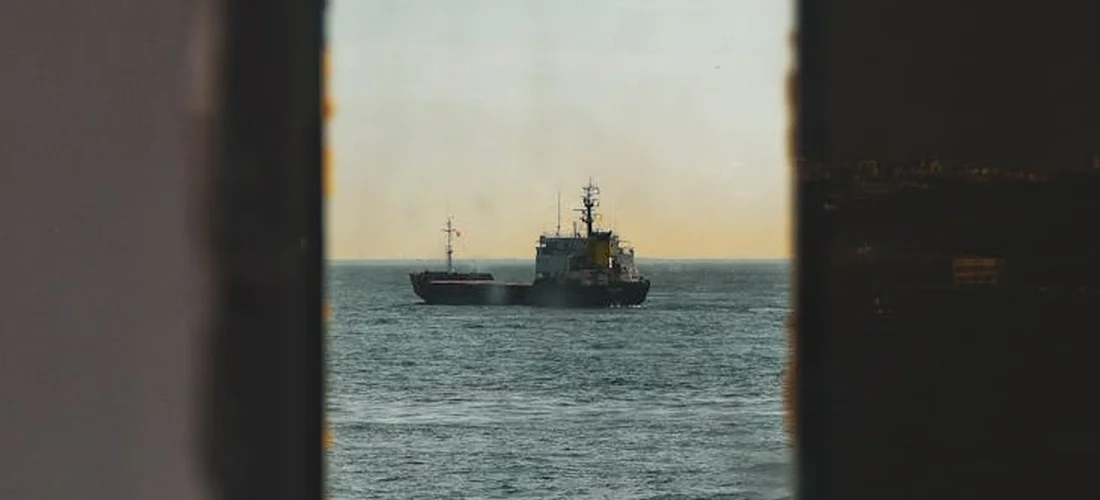
You cannot send a burning longship into the waves. But you can honor that powerful image through legal, safe, and deeply respectful alternatives at sea.
These practices balance our wishes for a symbolic farewell with the need to protect our shared waters.
The Legal Process for a Full Body Burial at Sea
A full body committal at sea is a formal, regulated procedure. It requires planning and specific permits to ensure environmental safety and respect for the deceased.
The law requires a permit from the Environmental Protection Agency, and the burial must occur at least three nautical miles from shore. Burial permits also encompass transit rights and the proper handling of remains to ensure compliance with all regulations. Understanding these rights can help you coordinate the next steps and any required approvals.
You cannot use just any casket. Federal regulations state it must be made from natural, biodegradable materials that will break down easily. A wooden casket, often drilled with holes to aid sinking, is the standard choice.
Weighted, it is committed to the deep water. A licensed funeral director and a ship’s captain familiar with the process are necessary partners.
Scattering Cremated Remains at Sea
Scattering ashes is a far more common and simpler practice. The law treats cremated remains differently, as they are sterile and pose no environmental health risk. However, scattering permissions and restrictions vary by location. Understanding scattering cremated ashes rules helps ensure the practice respects neighbors, property rights, and environmental protections.
For ash scattering, you generally do not need a federal permit if you are at least three nautical miles from shore.
You simply return the ashes to the water. Some families choose a quiet moment from a private boat, while others charter a service for a more structured ceremony. The wind, the salt spray, the vast horizon-it creates a profound sense of release.
The Biodegradable Viking Longship Urn
This is where a beautiful modern tribute emerges. Several companies craft urns from materials like sand, salt, or recycled paper that dissolve in water.
These urns are often shaped like a Viking longship. You place the cremated remains inside, and during a scattering ceremony, you set the vessel on the water.
It floats briefly, a silent, dignified craft on its final voyage, before gently sinking beneath the surface. It provides a tangible, symbolic focus that honors the Viking spirit within the bounds of safety and law.
Professional Services for Sea Burials
You do not have to navigate these waters alone, literally or figuratively. Specialized services exist to handle every detail of a permitted burial or ash scattering at sea.
They obtain the necessary permits, provide a vessel and crew, and guide your family through a respectful ceremony. They understand the currents of grief as well as the ocean.
Engaging such a service lifts the logistical burden from a grieving family, allowing you to be fully present in a moment of farewell.
How to Plan a Symbolic Viking Funeral Service on Land
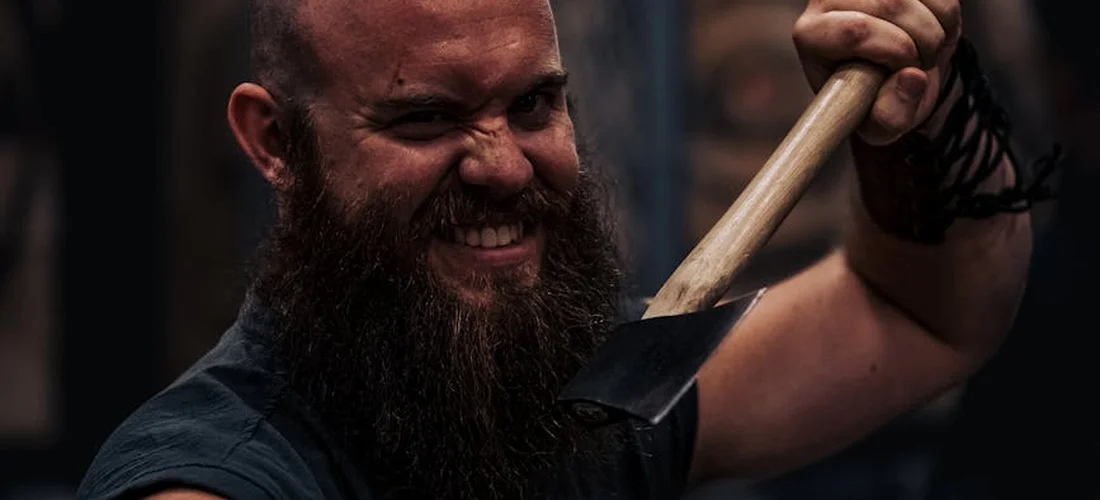
A symbolic service on land is the most common and accessible way to honor this tradition. It allows you to capture the spirit of a Viking send off while respecting modern laws and safety.
Choose a setting that feels powerful and connected to nature. I have seen beautiful services held on a beach at sunset, beside a quiet lake, or in a private family field. Many funeral homes now offer gardens or courtyards that can be adapted for this purpose.
The iconic longship can be represented without flame. A small wooden model, a wreath of flowers shaped like a boat, or even a detailed drawing placed at the center of the ceremony can serve as a powerful focal point. Its presence symbolizes the final journey.
The ceremony itself replaces the physical pyre with acts of symbolism and storytelling. A typical structure might begin with a welcome that acknowledges the warrior’s spirit of the departed. Guests can then be invited to share memories or place small tokens beside the symbolic ship.
Creating a Meaningful Ceremony: Rituals and Symbols
Norse symbols can be incorporated with quiet respect. A Valknut, representing the transition to Valhalla, or a Mjolnir (Thor’s hammer) pendant, can be displayed or worn by the officiant. These are signs of heritage and belief, not mere decoration.
Readings set the tone for a voyage. Passages from the Poetic Edda or Icelandic sagas speak of courage and fate. Equally fitting are modern poems or personal letters that reflect on a life of adventure and resilience.
The sjaund, or funeral feast, is a core part of the tradition. After the formal ceremony, gather for a meal. Raise a horn or glass in a toast to share stories. This is where laughter and tears mix, turning grief into a celebration of legacy.
Music shapes the entire atmosphere. The deep drone of a Nordic lyre or the rhythmic beat of a frame drum can feel ancient and grounding. For a more contemporary feel, certain film scores carry that same sense of epic journey and solemn honor.
Handling Cremated Remains with Honor
During the service, ashes can be part of the ritual. Using a ceremonial drinking horn or a simple, sturdy wooden bowl to hold the cremated remains adds a tangible, honorable focus to the proceedings. This vessel can be placed within or near the symbolic longship. Should the ashes be retained after the service, select a secure, clearly labeled container for storage. Proper storage honors the remains and ensures safe handling.
Afterwards, a small portion of ashes can be sealed inside a memorial pendant. A Thor’s hammer design is a popular choice, allowing a loved one to keep a physical connection close. It is a personal and enduring tribute.
For a final resting place, consider a natural burial. Ashes can be interred beneath a tree or in a green burial ground. A stone engraved with runes or the departed’s name in the Old Norse style makes for a timeless, earthy marker.
Alternative Options: Other Unique Ways to Honor a Journey
If the call to the natural world feels right, a green burial offers a profound connection. In this practice, the body is laid to rest in a biodegradable shroud or casket, returning directly to the earth. This gentle process mirrors a Viking ethos of harmony with the land, providing a legal and deeply peaceful alternative. You can often choose a natural burial ground where wildflowers grow and trees provide shelter.
Water cremation, known formally as alkaline hydrolysis, presents a modern option. It uses a flow of water and alkali to gently break down the body, a process some find soothing. While not a Viking tradition, its use of water can resonate with themes of cleansing and release. The resulting ashes can be treated with the same care as those from flame cremation.
Consider commissioning a unique object to serve as a focal point for memory. A blacksmith could forge a blade, or a woodworker might carve a shield, each piece telling a personal story. Holding a finely crafted memorial can make grief feel more tangible and honored. This act supports artisans and creates a legacy that endures.
Planting a grove of native trees is a powerful living tribute. As the saplings take root and grow, they become a testament to strength and renewal. This creates a sanctuary for wildlife and for visiting loved ones, a growing legacy that stands against time. You can watch the leaves change with the seasons, a quiet reminder of life’s cycles.
Essential Steps for Planning Your Modern Viking Memorial
After understanding the legal boundaries, you can begin planning a tribute that captures the spirit you seek. This process focuses on intention over historical reenactment.
Step 1: Choose Your Focus
Your first decision is the service’s centerpiece. The most common choice is scattering cremated remains at sea, which directly connects to the imagery of a vessel’s final voyage. A land-based symbolic service is a powerful alternative, perhaps beside a large lake or river. You could also incorporate ashes into a reef ball or a living urn for a tree. The right choice is the one that feels most authentic to your loved one’s memory and provides comfort to those gathered.
Step 2: Handle Permits and Logistics
If you choose a water committal, you must follow federal and local regulations. The EPA requires that cremated remains be scattered at least three nautical miles from shore. Many families hire a professional water funeral service; they know the laws, own the proper vessel, and handle everything with dignity. For a land event on public property, check with park authorities about any necessary permits. Working with knowledgeable professionals lifts a heavy logistical burden during a difficult time—especially when navigating the various methods of disposing of cremated remains.
Step 3: Select a Meaningful Venue
The location sets the entire tone. For a sea scattering, the boat’s size will limit guests, creating an intimate gathering. A beachside ceremony at dusk can accommodate more people while offering the sound of waves. A family farm, a private backyard, or a rented hall can become a fitting space for a symbolic celebration. Consider both the practical number of attendees and the atmosphere you wish to create, whether it is quietly reflective or robustly celebratory.
Step 4: Incorporate Symbolic Elements
This is where symbolism brings the theme to life. A small, biodegradable ship holding flowers or a note can be released on the water. A toast with mead or ale honors the Viking “skål.” Readings from Norse poetry or family stories replace sagas. Music might include Nordic folk instruments or simply the wind and water. Assign these roles to willing friends or family members; their participation makes the ceremony deeply personal and shared.
- A ceremonial ship or boat (biodegradable)
- A communal toast with a chosen drink
- Readings of poetry, Eddas, or personal tributes
- Music, from solemn drums to familiar favorite songs
- Symbols like a helm, shield, or axe displayed with flowers
Step 5: Communicate the Plan with Clarity
Gently prepare your guests. Explain this will be a modern interpretation, focusing on themes of journey, courage, and legacy. Let them know what to expect regarding venue, weather, and their potential role. When people understand the purpose is heartfelt remembrance, not spectacle, they can participate fully and find their own comfort in the ritual. This clarity turns potential uncertainty into shared understanding.
Respecting the Journey: Your Viking Funeral Questions Answered
What permits are required for a burial at sea?
For a full body burial, an EPA permit is mandatory, and it must occur at least three nautical miles from shore. For scattering cremated ashes at that same distance, no federal permit is typically required, but we always recommend confirming local regulations.
What elements define a modern Viking funeral service?
A modern service focuses on symbolic elements like a ceremonial vessel, readings from sagas or personal stories, and a communal toast. The core definition is a respectful celebration of a loved one’s strength and journey, using these symbols within contemporary legal and safety frameworks.
Where can you hold a modern Viking memorial service?
Appropriate venues include a beach at sunset, a private boat for an ash scattering, a family property, or a funeral home’s garden. The most meaningful location is one that provides a sense of natural beauty and allows for a dignified, personal gathering.
Honoring Choices in Modern Viking Funeral Planning
The single most important guidance is to focus on the heartfelt intention behind a Viking funeral, not its Hollywood portrayal. By embracing legal, symbolic alternatives, you can create a tribute that feels authentic and provides a dignified farewell. Be mindful of the legality of burning ship practices in your jurisdiction, as rules vary and permits may be required. If burning is not permitted, there are lawful, symbolic rituals that honor the tradition while staying within the law.
I encourage you to explore dignified, eco-conscious options as part of your compassionate Funeral Care. Continuing to learn about Funeral Needs and seeking answers to your funeral questions ensures every decision is made with respect and responsibility.
Emiliana Dieter
Emiliana is an author at The Valedictory. She is an experienced funeral care advisor and arranged and organized many funerals as part of her end of life consulting services. She has over 8+ years in the funeral industry managing her family funeral business and helping families cope with the loss of their loved ones. Her articles answer any and all questions you might have regarding funeral arrangements, costs, preparations, etc so you can make this a seamless experience.