
A Compassionate Guide to Jehovah’s Witness Funeral Customs
If you are planning a service for a loved one who was a Jehovah’s Witness, or have been invited to attend one, you may have questions about what to expect.
This guide will walk you through their meaningful practices. We will cover the service structure, common beliefs about death and resurrection, appropriate etiquette for attendees, and how these traditions offer comfort to the bereaved.
Key Takeaways: A Compassionate Overview
A Jehovah’s Witness funeral is, at its heart, a brief talk filled with scripture. The core purpose is to offer comfort and hope to those who are grieving.
It is not a eulogy in the traditional sense. Personal stories or lengthy tributes are minimal. The talk is personalized through the shared faith and scriptural hopes of the deceased and the congregation.
These services are typically held soon after death, often within a week. The decor is simple and modest, focusing attention on the spoken message. Everyone, regardless of their faith, is welcome to attend.
You will not be alone in arranging things. The local congregation provides steady, practical support, from planning the service to offering meals and company in the days that follow.
Foundational Beliefs: Death, Hope, and the Afterlife
To understand the funeral, it helps to understand the view of death. Jehovah’s Witnesses believe that at death, a person ceases to exist consciously. It is often described as a deep, dreamless sleep.
This means there is no belief in an immediate journey to heaven, hell, or purgatory. The soul does not live on separately from the body.
Their hope is firmly fixed on the future. They base their belief on Bible verses like John 5:28-29 and Acts 24:15, which speak of a resurrection. The central hope is that God will restore life to the dead on a peaceful, perfected earth under His Kingdom.
This belief directly shapes the funeral’s tone. The service is a tender time for Scriptural comfort. It is not a celebration of the person’s current life in heaven, but a gentle reminder of the hope of seeing them again on earth. So, yes, Jehovah’s Witnesses do have funerals. They are an important occasion for applying this scriptural comfort to aching hearts.
The Scriptural Framework for Mourning
Grief is not seen as a lack of faith. It is recognized as a natural, human response to loss. The community takes to heart the Bible’s direction to “weep with those who weep.”
You are allowed to feel the full weight of your sadness. Friends from the congregation will sit with you in that sadness without rushing you to move on.
There is no prescribed mourning period, such as a set number of days or weeks. This allows each person to grieve at their own pace, without adding religious pressure to their personal sorrow. The support simply continues for as long as it is needed.
The Structure and Flow of the Funeral Service

A Jehovah’s Witness funeral service is typically brief, lasting between fifteen and thirty minutes. This concise format reflects a focus on spiritual comfort over lengthy ceremony.
The service follows a simple, reverent order. It begins with an opening prayer, moves directly into the main discourse, and ends with a concluding prayer.
The Main Discourse: Comfort from the Scriptures
The central talk is given by a qualified male member of the congregation, such as an elder or a ministerial servant. He is not a hired officiant but a fellow believer offering care.
This talk is not a eulogy in the traditional sense, filled with personal anecdotes. It is a Bible-based discourse designed to apply scriptural promises of resurrection and God’s love directly to the grief felt by those present.
Personalization comes through a brief acknowledgment of the deceased’s faith. The speaker may note their baptism date and mention Christian qualities they displayed, like kindness or loyalty.
The core of the talk rests on scriptures that offer hope. You will likely hear passages like Psalm 37:29 (“The righteous will possess the earth…”), Revelation 21:4 (“…death will be no more…”), and John 11:25 (“I am the resurrection and the life…”).
Music, Readings, and Rituals
You will not hear recorded music or hymn singing during the funeral service itself. The atmosphere is one of quiet reflection on the spoken word.
While Bible readings form the entire foundation of the discourse, other common rituals are absent. There is no viewing of the body during the service, no incense, and no collective recitations or liturgical responses from the audience.
Practical Arrangements and Customs
The service is often held at the local Kingdom Hall, a funeral home chapel, or directly at the graveside. The family chooses the location based on practicality and the size of the expected gathering.
Both burial and cremation are viewed as acceptable, personal decisions. There is no religious doctrine favoring one over the other, so the choice is left to the family or the individual’s prior wishes.
Funerals are usually held within one to two weeks after death. This allows time for necessary arrangements and for traveling relatives to gather, while still providing timely comfort. Understanding the funeral timeline after death can help families plan the steps ahead, and a more detailed timeline is provided in the next steps.
Flowers, Dress, and Announcements
Flowers are acceptable, but displays are often modest. Sometimes the family will suggest that friends who wish to give, donate to the worldwide work of Jehovah’s Witnesses instead.
Attire is respectful and modest, similar to what is worn to their regular meetings. While dark, somber colors are common, they are not a strict requirement.
Publishing an obituary is a family decision. If one is placed, it is often done through the funeral home in a local newspaper and focuses on basic biographical information.
The Gathering Afterwards
A simple reception frequently follows the service. It might be at a family home or in a room at the Kingdom Hall.
This gathering is for fellowship, a quiet cup of tea, and the informal sharing of memories. It provides a gentle space for comfort to continue among friends and family.
The Role of the Congregation and Community Support

When a member of a Jehovah’s Witness congregation dies, the local elders step forward to help. These men, recognized as spiritual shepherds, typically organize and conduct the funeral talk at no charge. Their focus is on offering Biblical comfort to the family and friends gathered.
The entire congregation often becomes a network of quiet, practical support. I have seen this many times. Members may prepare meals for the grieving family, offer transportation to out-of-town relatives, or help with other simple logistics. This support flows naturally from their close community bonds.
People sometimes ask if there is a formal financial assistance fund. There is not. The community’s help is personal and practical, not monetary. The services themselves are intentionally simple, which helps keep funeral home costs manageable for the family. The shared goal is a dignified occasion centered on spiritual comfort, not financial burden. Should funeral costs be a concern, we can guide you to available financial assistance options. We can point you toward discreet resources to help cover funeral expenses.
For Visitors: How These Funerals May Differ
If you are attending a Jehovah’s Witness funeral for the first time, you will notice distinct differences from other Christian services. The talk is a Bible-based discourse about hope and resurrection, not a eulogy about the person’s life. You will not hear hymns or see ritualistic elements like incense or recited prayers.
The service is typically shorter, often lasting only 15 to 30 minutes, and focuses solely on scriptural promises. This can feel very direct to someone accustomed to a more ceremonial or musical service.
Please know that you are warmly welcome. The family will be glad you are there to support them. Jehovah’s Witness funerals are open to all, and non-Witnesses are absolutely allowed to attend. Your presence is seen as a kind expression of sympathy.
A related question is whether a Jehovah’s Witness can attend a funeral at another church, like a Catholic service. This is generally treated as a personal conscience matter. While they would not participate in any religious rituals, many Witnesses may attend to offer quiet support to bereaved friends or colleagues, focusing on the human need for comfort.
A Note on Etiquette for Attendees
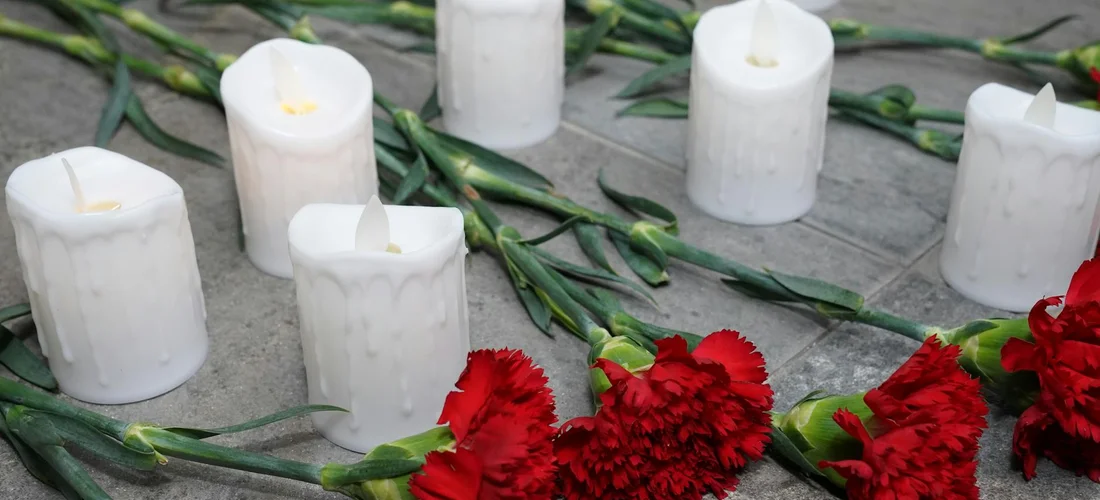
Walking into a Jehovah’s Witness funeral, you will find a quiet and respectful atmosphere. The room is often still, with everyone focused on listening to the scriptural talk. This is a service for reflection, where the shared hope from the Bible takes center stage.
When you offer condolences, use simple and sincere words. You might mention a positive quality of the person or express how the scriptures shared brought comfort. A brief, heartfelt remark about the deceased or the biblical message is always appropriate and appreciated. Mindful funeral condolence phrases etiquette can guide you in choosing words for different relationships. The next steps will offer examples and suggested phrasings.
Dress in modest, respectful attire, similar to what you would wear to a formal gathering. During the service, it is typical for everyone to stand when prayers are said. Standing together in these moments is a sign of shared respect for the family and their faith.
Support and Reflection After the Service
The formal service ends, but grief quietly continues. I have seen how loss settles in differently for everyone, in the empty spaces afterward. It is normal for sadness to linger, a natural companion in the weeks and months to come, especially after a funeral service.
The local congregation does not forget the bereaved. Members often provide support through regular visits, phone calls, and including them in congregation activities. This ongoing fellowship, rooted in shared faith, offers a steady presence when loneliness feels heaviest.
For lasting comfort, I encourage you to revisit the specific Bible scriptures shared during the funeral. Reading them slowly can bring a renewed sense of peace. These verses often become personal touchstones of hope, offering light long after the day of the service has passed. This is especially true when attending a Bible-based funeral service.
Frequently Asked Questions
Who typically conducts a Jehovah’s Witness funeral?
The funeral talk is delivered by a qualified male member of the local congregation, such as an elder or ministerial servant. He offers this service freely, focusing on providing Bible-based comfort.
How is the talk at a Jehovah’s Witness funeral personalized for the deceased?
Personalization comes through a brief acknowledgment of the deceased’s faith, such as their baptism date or commendable Christian qualities. The primary focus remains on applying scriptures about resurrection and hope to bring comfort to the living.
Is there a reception or gathering after a Jehovah’s Witness funeral?
Yes, a simple, informal gathering for fellowship often follows the service. This provides a quiet space for sharing condolences and memories over refreshments.
Parting Reflections on Jehovah’s Witness Funeral Practices
When planning or attending a Jehovah’s Witness funeral, the most important guidance is to honor their preference for a simple, scripture-based service that avoids ritualistic elements. This respectful alignment with their beliefs provides the deepest comfort to the bereaved.
I encourage you to approach all aspects of Funeral Care with dignity, considering eco-friendly options that resonate with personal values. Continued learning about Funeral Needs and Funeral Questions supports compassionate, informed decisions during difficult times.
Emiliana Dieter
Emiliana is an author at The Valedictory. She is an experienced funeral care advisor and arranged and organized many funerals as part of her end of life consulting services. She has over 8+ years in the funeral industry managing her family funeral business and helping families cope with the loss of their loved ones. Her articles answer any and all questions you might have regarding funeral arrangements, costs, preparations, etc so you can make this a seamless experience.