
Is It Safe to Attend a Funeral While Pregnant? Considerations and Precautions
If you are pregnant and grieving, wondering about funeral attendance is a natural and caring concern. Your well-being, both physical and emotional, deserves gentle attention right now.
This article will walk you through the key points to consider, focusing on assessing personal health risks, protecting your emotional heart, taking practical steps for safety, and exploring heartfelt ways to participate if you choose not to attend.
Key Takeaways for Compassionate Care
Your choice is deeply personal. There is no single right answer that fits every person or every loss.
Prioritizing your health and your baby’s wellbeing is an act of love, not a sign of disrespect. True care for the departed includes caring for the living, and that includes you.
If you are considering attending, let your plan rest on three pillars.
- Consult your doctor or midwife.
- Listen closely to your own body.
- Plan meticulously for your comfort.
Is It Safe to Attend a Funeral While Pregnant? The Core Question
For many people with healthy, low-risk pregnancies, attending a funeral is safe with careful planning. The physical act of being present is often manageable. Being mindful of funeral etiquette expectations—such as appropriate dress, arriving on time, and offering sincere condolences—can help you support mourners with confidence.
Your individual health factors are paramount, and they override any sense of obligation. What is safe for one person may not be safe for you.
We must also consider emotional safety. Grief is a heavy weight, and pregnancy can make you more emotionally vulnerable. Protecting your heart is just as important as protecting your body during this tender time.
When You Should Consult Your Doctor or Midwife First
Always speak with your healthcare provider if your pregnancy has any complications. This is non-negotiable. You should seek their specific guidance if you have a high-risk pregnancy, a history of preterm labor, or are pregnant with multiples.
Each trimester brings its own considerations. Early pregnancy might mean managing severe nausea and fatigue. Later on, mobility, balance, and the simple need for frequent restroom breaks become primary concerns.
When you talk to your doctor, ask practical questions. Is the travel distance acceptable? How might intense emotional stress affect me? What is a reasonable amount of time for me to be on my feet? Their advice, tailored to your unique pregnancy, is your most reliable guide.
Managing Your Emotional Well-Being While Grieving
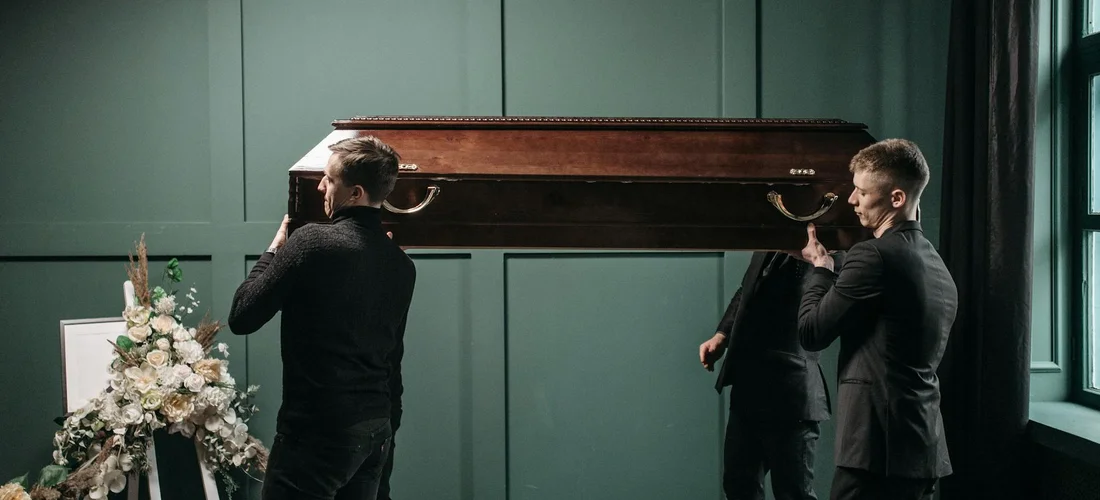
Grief during pregnancy holds a unique weight. You are carrying new life while mourning another, and that contrast can feel deeply unsettling. Your body itself is a reminder of both loss and hope, which can make emotions feel especially raw and close to the surface.
Before you decide to attend, give yourself permission to set clear emotional boundaries. Ask yourself what you can realistically handle. You might decide it is right for you to attend the service but skip the reception, or to arrive just for the final portion of the gathering. There is no correct amount of time you must stay to prove your love or respect.
During the service, having a simple coping strategy can provide an anchor. Find a quiet focus point in the room, like a stained-glass window or a floral arrangement, to rest your eyes on if you feel overwhelmed. Practice slow, deliberate breathing-inhale for a count of four, hold for two, exhale for six. This gentle rhythm can help manage the physical sensations of rising emotion.
Healthy Ways to Cope With Grief While Pregnant
If the thought of attending the funeral brings more dread than comfort, your absence is not a sign of failure. There are other meaningful ways to honor the person you have lost. You could arrange a private visitation with the immediate family before or after the public service. You might also choose to create something in their memory, like planting a flower or writing a letter to your baby about who this person was. If you opt for a private visitation, observe private funeral service etiquette—coordinate with the family on timing and boundaries. A brief, respectful gesture can still show support without intruding on their space.
Grief needs a safe outlet. Gentle, pregnancy-safe practices can help you process these feelings without adding stress. Talking to a trusted friend, a counselor, or your partner about your memories can be a powerful release. Simple journaling, where you write a few lines about what you miss, or creating a small memory box can also help contain your sorrow. Funeral services and related rituals can offer a space to honor your loved one and support grief healing as you move forward.
It is vital not to suppress your grief out of fear that it will harm your baby. Your body knows how to hold both joy and sorrow. Acknowledging your pain is a healthier path for you and your pregnancy than trying to bury it behind a facade of calm. Grant yourself the same compassion you would offer a dear friend in your situation.
Essential Physical Precautions and Preparation
Viewing your preparations not as a burden, but as an act of kindness toward yourself and your baby, can change your approach. This planning is a form of self-care that honors both your grief and your physical needs. Additionally, you might begin to consider practical steps like planning a funeral program to honor your baby’s memory, a process that can feel comforting as you navigate this time.
Think of it as packing a small kit of comfort. A simple checklist can make the day feel more manageable.
- Hydration: Carry a water bottle with you. Emotional moments and pregnancy can both leave you feeling parched.
- Snacks: Pack easy, bland snacks like crackers or nuts. They can steady your energy if the service is long.
- Clothing and Shoes: Choose loose layers and supportive, flat shoes. You want fabric that breathes and soles that steady you on any surface.
I always advise pregnant mourners to identify quiet spaces ahead of time. Knowing where you can sit down for a few moments of rest provides a crucial sense of control. A hallway bench or a corner of a reception room can become a small sanctuary if you need it.
Specific Funeral Settings or Rituals to Consider Avoiding
Some funeral settings introduce physical challenges that are best navigated with caution. A graveside service on soft, uneven earth, for instance, can be tricky for balance. Standing for a long procession might also strain your back and feet. These realities often intersect with common funeral etiquette dilemmas, such as when to stand, sit, or offer assistance without overstepping. Understanding these nuances can help you move through the service respectfully.
During cold and flu season, a crowded indoor service or reception presents a separate concern. The close proximity to others may increase your risk of exposure to illness, which is a valid consideration for your health. Wearing a mask or positioning yourself near a door for airflow are quiet, respectful precautions.
You should also give yourself permission to modify physical rituals. If the tradition involves prolonged kneeling, gentle embracing, or other close contact, it is perfectly acceptable to participate only in ways that feel safe and comfortable to you. A hand over your heart or a simple nod can convey your respect just as deeply.
Should I Limit My Time at the Funeral or Related Gatherings?
I strongly believe in a ‘less is more’ approach here, and I want you to release any guilt about that. Your presence, however brief, is a gift. Attending for a shorter period is a wise and compassionate choice, not a diminished one.
Consider attending only the core memorial service and then departing before the reception, or perhaps just joining the gathering afterward if that feels right. There is no rule that says you must endure every part of the day.
Arranging for your own transportation is the key to this flexibility. Having a car at your disposal means you can leave the moment you feel fatigued or overwhelmed, without needing to coordinate with others. It grants you the freedom to listen to your body.
Cultural and Religious Considerations to Discuss
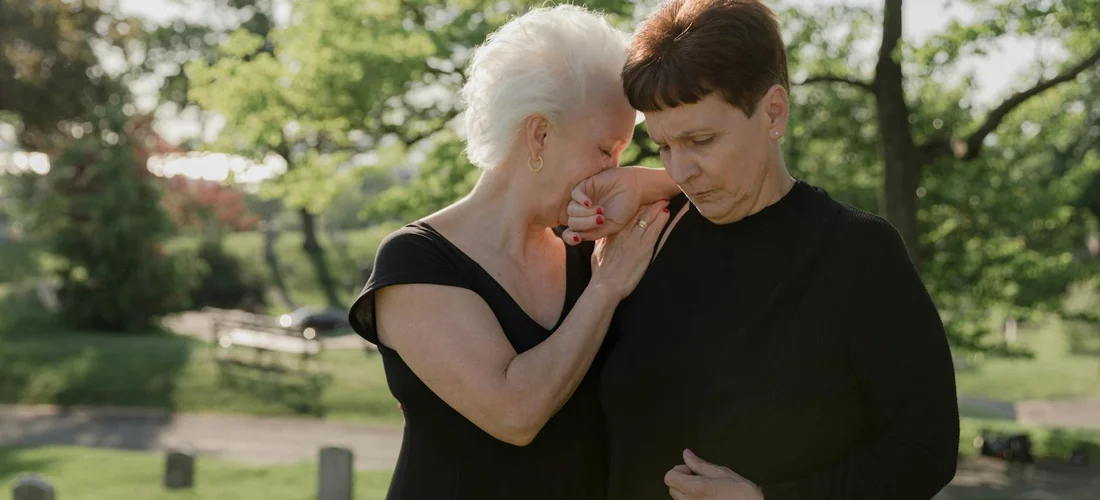
Funeral customs are not universal. They flow from centuries of tradition and personal conviction. Your own beliefs will quietly guide how you move through these communal rituals, especially now. Across cultures and through history, funeral practices reveal how communities honor the dead. They show how beliefs and customs evolve over time.
You might wonder, can a pregnant woman attend a funeral in Islam? Views can differ between families and Islamic scholars. Some traditions gently discourage attendance to shield from profound grief. Exploring Islamic funeral rules for women can provide clarity on what is considered appropriate and respectful. These guidelines can address common questions about women’s participation and modesty during funeral rites. I have found that consulting with a trusted imam provides clarity that respects both doctrine and your heart.
For Jewish practice, the question is similar: can a Jewish pregnant woman go to a funeral? Halakha generally permits it, placing great care on the mother’s comfort. You are often encouraged to participate in a way that feels physically manageable, perhaps by staying near an exit.
In all cases, a gentle conversation with close family or the officiant can ease uncertainty. Speak simply about your pregnancy and your wish to be present. This honest exchange often builds a bridge between your needs and the ceremony’s demands.
A Note on Etiquette and Social Expectations
Social rules can feel heavy, especially when you are grieving and pregnant. I want to give you clear permission to disregard any expectation that causes you distress or anxiety. Your emotional and physical health must come first.
You may feel a pull to be there for others. I have sat with many mourners who pushed themselves too hard. True compassion includes being gentle with yourself during this vulnerable time. It is okay to choose what feels safe and right for you.
If doubts whisper that you are being selfish, quiet them. Honoring your limits is a profound act of care for your growing baby and your own heart. No tradition is worth compromising your peace.
Simple Ways to Politely Decline or Excuse Yourself
Knowing what to say can lift a weight. Here are a few script ideas you can use directly or adapt.
- “Thank you for letting me know. My thoughts are with your family, but I need to rest at home right now.”
- “Please accept my deepest sympathies. I will be remembering [Name] privately today, as I am not up to traveling.”
- “I am so sorry I cannot join you in person. I will be there in spirit, and I hope we can connect soon.”
These words are kind and firm, offering connection while protecting your space. You do not need to justify your decision with personal details.
If you attend but need to leave early, a quiet word to a close family member is enough. A simple “I need to step out for a moment” is all the explanation required.
Appropriate Attire for a Changing Body
Comfort is a necessity, not a luxury. Your clothing should allow you to breathe and move easily while showing respect.
Look for forgiving silhouettes in soft, natural fabrics. A loose-fitting dress or a pair of maternity pants in a dark, solid color is often a perfect choice. It is respectful without confinement.
I always recommend layers. A light sweater or a large scarf can provide warmth and a sense of privacy. Choose flat, supportive shoes that let you stand or sit comfortably throughout the service.
Your body is doing important work. Dressing with comfort in mind helps you participate fully, with your focus on remembrance and love.
If You Feel Overwhelmed or Unwell During the Service

You may feel a sudden need to leave the service. This is a common and reasonable response. Stepping outside for a moment is an act of self-care, not a failure of respect.
Grief, coupled with pregnancy, can be physically demanding. Your body is speaking a clear language of its own. Listen to it gently.
Having a simple plan can make this feel less daunting. Think through these steps before the service begins.
- As you enter, quietly note where the nearest exit is located.
- Identify your support person and give them a subtle signal, like a hand on their arm, if you need to go.
- If you feel lightheaded or overheated, sit down immediately, right where you are. Do not try to walk far.
Some sensations are more than just discomfort. They are clear signs you should stop and rest.
- Any feeling of dizziness, faintness, or spots in your vision.
- A sudden, severe headache or a heavy pressure in your chest.
- Regular, painful cramping or any sign of bleeding.
- Overwhelming nausea that makes it hard to breathe calmly.
These specific signs mean you should leave the gathering, find a cool quiet space, and contact your healthcare provider. I have seen many people quietly excuse themselves. They return when they are able, or they do not return at all, and both choices are met with understanding.
Support and Reflection After the Funeral
Leaving the service does not mean leaving your grief behind. The days and weeks after a funeral can feel heavy, and carrying new life while mourning another can create a unique sense of isolation.
Your feelings are valid, and it is common to experience a complex mix of sadness for the loss and hope for your baby.
If the person who died was very close to you, or if the loss is connected to your own journey into motherhood, consider seeking specialized support. Perinatal grief counselors or support groups understand this specific intersection of sorrow and expectation.
Connecting with others who comprehend this layered experience can provide profound comfort and understanding.
Be gentle with yourself in the following days. Listen to what your body and heart need, whether that is quiet rest, a walk, or talking with a trusted friend. Grief unfolds on its own timeline, and so does pregnancy.
Grant yourself the same compassion you would offer a dear friend, allowing space for both your mourning and your joy.
Frequently Asked Questions
What should I do if I feel overwhelmed or unwell during the service?
Listen to your body and step out quietly; it is an act of self-care, not disrespect. Have a plan to signal a support person and know the nearest exit beforehand.
How can I prepare for the event to minimize stress and physical strain?
Pack a small comfort kit with water, snacks, and any necessary medication. Wear comfortable, layered clothing and supportive shoes to accommodate your needs throughout the day.
Are there specific funeral settings or rituals I should avoid?
Use caution with graveside services on uneven ground or prolonged standing. It is perfectly acceptable to modify physical rituals, like kneeling, to ensure your personal comfort and safety.
Parting Reflections on Attendance and Well-Being
The most vital step is to speak with your doctor or midwife, honoring your unique pregnancy journey while planning to pay your respects. Your safety and peace of mind form the foundation for a compassionate farewell.
Moving forward with Funeral Care, exploring dignified and eco-friendly choices can be a meaningful part of honoring a life. I encourage you to tend gently to your Funeral Needs and seek answers to your Funeral Questions, one step at a time. A green, eco-friendly funeral can honor a loved one while caring for the Earth. Choosing sustainable options today helps preserve resources for tomorrow.
Emiliana Dieter
Emiliana is an author at The Valedictory. She is an experienced funeral care advisor and arranged and organized many funerals as part of her end of life consulting services. She has over 8+ years in the funeral industry managing her family funeral business and helping families cope with the loss of their loved ones. Her articles answer any and all questions you might have regarding funeral arrangements, costs, preparations, etc so you can make this a seamless experience.