
How Long Can a Body Be Preserved and Stored at a Funeral Home Before Burial?
When a loved one dies, wondering about the time available for preservation and storage is a natural, often urgent, concern. I hear this question often, and it comes from a place of wanting to do things right.
This article will walk you through the answer by exploring common preservation methods, key legal and practical timeframes, and gentle guidance for making decisions during a difficult time.
Key Takeaways: Finding Clarity and Time
-
There is no single answer, but typical preservation ranges from a few days to several weeks. Simple refrigeration can safely hold a body for several days, while embalming extends that time to weeks for viewings or travel. Legal limits for storage are usually quite generous, allowing families the time they need.
-
Your funeral director is your personal guide through this. They will give you a precise timeline based on your unique situation, considering family travel, religious rites, or personal needs. Understanding the funeral timeline after death can help you plan each step with calm. We’ll walk you through the milestones and timing you’ll face. You do not have to figure this out alone.
-
Asking this question carries a heavy emotional weight. I have seen the relief when families receive clear, direct information. Knowing the practical timeline can provide a small anchor in a turbulent time, and that is perfectly normal to seek.
What Determines How Long a Body Can Be Preserved?
Preservation is not a single switch we flip. It is a combination of factors that work together. Think of it like caring for a fragile flower; the environment, the handling, and the initial condition all matter.
-
Refrigeration is the first and most common method. A specialized cooling unit slows natural processes dramatically. This is the gentle, standard care a body receives upon arrival, buying essential time for decision-making.
-
Embalming is a more involved preservation technique. It uses chemicals to disinfect and temporarily stabilize the body’s tissues. This allows for public viewings and can accommodate longer delays before final disposition. People often choose embalming to allow for longer viewing periods, ceremonial or religious observances, and to facilitate transport to a final resting place. It can also help maintain a lifelike appearance for families and mourners who wish to say goodbye in a dignified setting.
-
The cause of death can influence the initial timeline. Some conditions may require more immediate attention or specific care, which your funeral director will manage discreetly and respectfully.
-
Environmental conditions in the holding area are critical. Modern funeral homes maintain strictly controlled, cool, and dry environments. This consistent care is what makes extended storage possible and respectful.
-
The funeral home’s own facilities set the practical limit. The capacity and technology of their refrigeration units directly determine how long they can provide optimal care. A reputable home will always be transparent about their capabilities.
Administrative steps, like fingerprinting for a death certificate, happen soon after the body arrives. These necessary legal procedures are completed quickly and do not reduce the time available for preservation or your family’s gathering.
Standard Timeframes for Refrigerated Care

When a person first comes into our care, we rely on specialized refrigeration. This is not a freezer, but a cooling unit maintained just above freezing. It gently slows the natural processes, allowing for a period of respectful safekeeping.
This method typically allows for a family to have several days, and often up to a week or more, before a burial must occur. This window provides the essential time needed for family to travel, to make thoughtful decisions, and to arrange a service without feeling rushed. It is a quiet, dignified form of care that requires no invasive procedures.
I’ve seen how precious this time can be. It offers a pause, a chance to breathe and begin planning without the immediate pressure of a timeline. For many families, this period of refrigerated care is all that is needed to hold a timely and meaningful goodbye.
The Role of Embalming in Preservation
Embalming is a different process. It involves disinfecting the body and temporarily preserving tissues to delay changes. Think of it as a pause button, not a permanent stop. This process preserves body for viewing, helping it look natural for loved ones. It supports a respectful service.
When a family chooses embalming, it allows for a viewing or visitation and can extend the practical timeframe before burial. With embalming, a body can often be preserved for viewing for about one to two weeks before burial becomes necessary. The exact duration can vary based on many individual factors.
It is vital to remember that embalming is almost always a personal choice. With very few exceptions, it is not legally required. The decision rests with what brings the most peace and closure to the family. Some find great comfort in the chance to see their loved one again; for others, a simpler, more immediate path is the right one. Understanding when it is legally required can help inform your decision.
Legal and Safety Regulations for Holding a Body
State laws determine the maximum time a body can be held before final disposition, meaning burial or cremation. These regulations vary, but they exist to safeguard public health while honoring the deceased.
The legal limits are typically measured in days or weeks. This timeframe offers families the breathing room they need to make thoughtful arrangements. You will not be rushed during this tender period of grief.
Funeral homes follow strict health and safety protocols from the moment we receive a loved one. We maintain precise, cool storage environments that preserve dignity and ensure care. Our commitment is to provide a reverent and secure setting throughout the entire process.
When Extended Time Is Needed: Options and Considerations
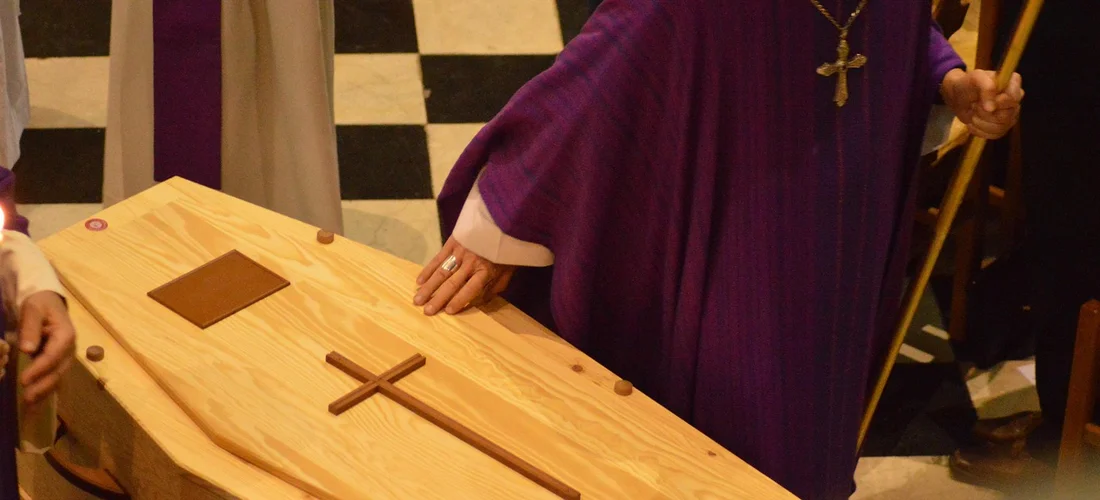
Sometimes, a family needs more than a few days. This need for additional time is a common part of funeral care, and a good funeral director will help you navigate it with patience. Understanding the responsibilities and challenges of funeral directors can make this process smoother.
There are several reasons a longer period of preservation becomes necessary. Families may be waiting for loved ones to travel from across the country or overseas. Legal affairs, like an estate or an investigation, might need resolution. In some cases, a body is being prepared for a secondary journey, such as repatriation to a home country for burial.
In these situations, standard refrigeration remains the primary method. A modern refrigeration unit provides a cool, dignified environment that significantly slows natural processes. For most needs spanning several weeks, professional refrigeration is a reliable and respectful solution.
If the timeline extends further, another option is temporary entombment. This involves placing the casketed body in a secure, above-ground crypt at a cemetery. These crypts are climate-controlled and designed for this specific purpose. It is a place of quiet custody while final arrangements are made.
I have sat with families who felt rushed by an imagined clock. Please know that your need for time is valid. A funeral director can discuss these options with you, explaining the details of each setting.
Extended care involves continued use of facilities, equipment, and professional attention. This often results in additional fees. A trustworthy funeral home will outline any costs for extended preservation clearly and in advance, giving you one less uncertainty to manage. You should feel comfortable asking for a complete explanation of these fees. It allows you to make a decision that respects both your emotional needs and your practical circumstances.
When to Call a Funeral Director

In the first moments after a death, the world can feel still and overwhelming.
A licensed funeral director is legally required to transport, shelter, and prepare a body, ensuring every step meets strict standards for safety and dignity. This legal framework exists to protect both the departed and those left behind, providing a clear path forward when the mind is clouded by grief. Knowing the funeral director legal requirements helps families understand the process ahead. These regulations cover licensing, duties, and professional standards that guide care from transport to final disposition.
Knowing when to reach out can bring a measure of calm to those early hours. There are specific times when making that call is especially helpful.
- Immediately after death occurs. A director can arrange for the gentle, professional removal of your loved one from a home or hospital, which is a profound relief for many families.
- When you need to discuss preservation and storage options. They can explain the processes available and how they affect the timeline, helping you make an informed choice.
- To understand the legal timeframes in your area. These rules can vary, and a director knows them intimately, preventing any unnecessary stress.
- If you anticipate any delay in the burial or service. Early planning allows for proper care and avoids last-minute complications.
Beyond the physical care, your funeral director manages all the necessary paperwork, a task that feels immense when you are grieving. This includes filing the death certificate and handling any official requirements, like fingerprinting for vital records. In practice, the funeral director’s duties around death certificates help ensure legal closure and proper record-keeping for families. They guide you through these formalities with a steady hand, allowing you to focus on remembrance and family.
Common Mistakes to Avoid
In a time of grief, decisions can feel overwhelming. You might lean on assumptions to steady yourself. From my experience, a few common oversights can add unnecessary stress to an already difficult time.
Do not assume all funeral homes have identical storage capacities or policies. A small, family-run home may have a single refrigeration unit, while a larger facility might have multiple holding rooms. Their policies on extended care can vary just as much. The only way to know for certain is to pick up the phone and ask them directly. It is a simple call that provides essential clarity.
Please, do not delay the initial call to the funeral home. The science of preservation is tied directly to time. The gentle, professional care a funeral director provides in those first hours is fundamental. This initial stabilization is what allows for a peaceful viewing later, should you wish it. I have seen the difference timely care makes, and I urge you not to postpone this first, kind step.
When discussing arrangements, always ask for a detailed, itemized price list. This should clearly state any daily custodial or refrigeration fees for extended care. Some homes include a standard number of days in a base fee, while others charge per day after a certain point. You have every right to understand these costs upfront, without any surprise fees later. A trustworthy funeral home will provide this transparency without hesitation.
Finally, remember that a direct burial is a valid and often simpler option. If a longer viewing period is not a need for your family, this path is dignified and complete. It removes the logistical questions of preservation and storage. Choosing direct burial is not a lesser choice; it is a different one, rooted in the same love and respect.
Compassionate Guidance on Preservation Timelines
What are the legal limits for storing a body before burial?
Legal limits are set by state law and are designed to be generous, typically allowing for several weeks. These regulations exist to protect public health while giving your family ample time to make arrangements without feeling rushed.
Are there any health or safety regulations that dictate how long a body can be kept?
Yes, funeral homes must adhere to strict health codes that govern storage environments and practices. These regulations ensure that every person in our care is treated with dignity and that the facility remains safe for staff and visitors.
What are the differences in preservation times for refrigerated versus non-refrigerated storage?
Professional refrigeration safely preserves a body for days to weeks by significantly slowing natural processes. Non-refrigerated storage is extremely limited and generally not practiced, as it does not allow for dignified care or provide families meaningful time.
Honoring the Timeline of Care
My most vital advice is to establish a clear, understanding partnership with your funeral director regarding preservation methods and legal timeframes. This collaboration ensures the storage period is both respectful and manageable for your family.
I encourage you to always prioritize dignified care, considering gentle, eco-friendly alternatives as a meaningful option. Continuing to learn about Funeral Care, Funeral Needs, and Funeral Questions is a compassionate act that brings clarity and comfort.
Emiliana Dieter
Emiliana is an author at The Valedictory. She is an experienced funeral care advisor and arranged and organized many funerals as part of her end of life consulting services. She has over 8+ years in the funeral industry managing her family funeral business and helping families cope with the loss of their loved ones. Her articles answer any and all questions you might have regarding funeral arrangements, costs, preparations, etc so you can make this a seamless experience.