
Casket Bearer Responsibilities: A Gentle Guide to Funeral Duties
If you have been asked to carry a casket, you may be holding a quiet question about what this honor truly requires.
In this article, I will share from my experience to guide you through the key parts of this role. You will learn about the meaning behind this duty, how to prepare yourself, the specific steps during the service, and how to offer steady support to the grieving family.
Key Takeaways: A Compassionate Overview
- Being a casket bearer is a profound honor. It is a final, loving act of service, not simply a physical task.
- You are chosen for your meaningful connection to the person who has died, not for your strength alone.
- Funeral directors will guide you through every step with clear, gentle instructions. You are not expected to know what to do.
- The process is designed to be simple, slow, and deeply respectful. Your main job is to provide steady, collective support.
- It is both a physical duty and a quiet, symbolic promise to accompany someone on their final journey.
Understanding the Casket Bearer’s Role and Honor
A casket bearer, often called a pallbearer, is someone asked to help carry the casket during a funeral service. The primary role is physical, moving the casket from the funeral coach to the ceremony site and then to the graveside or crematorium. Yet the weight you feel is far more than the casket itself.
This act is a powerful symbol, representing a final gift of care, love, and profound respect for the person who has died. It is a way to serve them and their family one last time. In my experience, families find great comfort in seeing trusted faces performing this duty.
Sometimes you may hear the terms “active” and “honorary” pallbearers. Active pallbearers are the ones who physically carry the casket. Honorary pallbearers are named as a special tribute, perhaps due to age or health, and they walk alongside in a symbolic role. Both are considered marks of high esteem.
Who is Usually Asked to Be a Casket Bearer?
Traditionally, casket bearers are close friends, adult children, grandchildren, nephews, cousins, or longtime colleagues. Members of a shared community, like a veterans’ group, faith group, or social club, are also common and fitting choices.
I am often asked if a family member can be a casket bearer. The answer is yes, and it is very common. A son, daughter, or sibling may deeply wish to take part in this way. It can feel like a necessary part of saying goodbye.
Being asked is a sign of great trust and speaks to your unique bond with the deceased. It means the family sees you as a pillar of support during this difficult time. If you are asked, know it comes from a place of love and recognition of your relationship.
The Symbolic Weight of the Duty
We sometimes call this “walking the last mile” together. It is a shared journey, a final escort. The slow, synchronized steps you take create a rhythm of collective care.
Your presence provides a steady, visible support for the grieving family. You are helping to bear their burden, too. The quiet focus required, the feel of the casket handle, the shared glances with fellow bearers, it all creates a pocket of solemnity.
In that hushed moment, you are not just carrying weight; you are fulfilling a promise of companionship. It is one of the most direct and ancient ways we honor a life, by physically accompanying a person with reverence on their final path.
Practical Logistics: Number, Ability, and Preparation
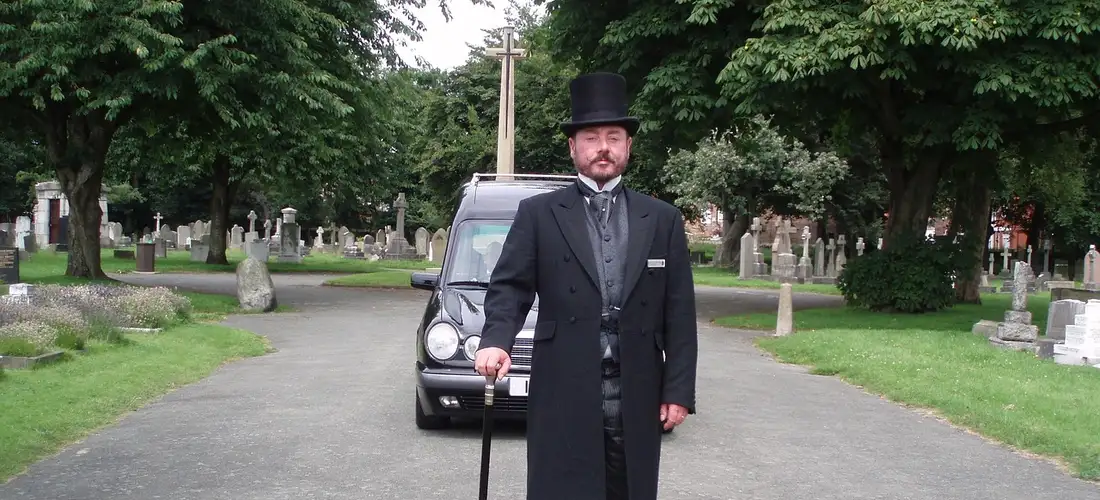
Most services require six or eight casket bearers. This number provides stable, shared support for what is a solemn physical task.
The exact count can shift. A heavier solid wood casket might need eight people. A narrow church aisle or a long walk from the hearse could also call for extra hands. Sometimes, family tradition simply prefers a certain number.
Physical Requirements and Considerations
Carrying a casket demands moderate strength and steady balance. It is not a test of might, but a coordinated act of respect.
If you have a bad back or limited mobility, please do not strain yourself. You can still honor the person as an honorary bearer, walking alongside the casket. Your presence is what matters most.
If you are asked but feel you cannot physically perform the duty, tell the funeral director as soon as possible. They can find a replacement discreetly, and no one will think less of you. It is a responsible and caring choice.
The Essential Briefing and Rehearsal
Yes, there is always a rehearsal. Funeral staff will gather the bearers about thirty minutes before the service begins for a clear briefing. You will not be left to wonder what to do.
They will walk you through the entire route, from hearse to ceremony space. You will practice where to place your hands, how to lift in unison, and when to pause. They will give you simple verbal cues to follow.
Funeral directors guide you through every single step. They understand the weight of the moment, both emotional and physical. They coordinate preparations, guide families through the process, and manage the practical duties with care. Knowing their roles and duties can help you feel supported. Your job is to listen, follow their calm instructions, and focus on the meaning of your role.
A Guide to Casket Bearer Duties, Step by Step
This role is a physical and symbolic honor. You help carry the weight, both literal and emotional, for the family. These steps are meant to guide you through the process with dignity and care.
Duties Before the Service Begins
Punctuality is a quiet form of respect. Aim to arrive at the venue at least forty five minutes to an hour before the service is scheduled to start. This gives you time to settle your nerves and connect with the other bearers.
Your first task is to find the funeral director or the service coordinator. Introduce yourself and let them know you are a casket bearer. They are your guide and will have all the specific instructions for the day, especially during the funeral service and burial process.
The group will receive a brief rehearsal. You will be shown where to stand, how to lift together, and the route you will walk. Listen closely during this briefing; it ensures everyone moves as one unit, which is the foundation of a smooth and respectful ceremony.
After the rehearsal, you will typically be asked to wait in a designated room or area. Use this time for quiet reflection. It is a moment to gather your thoughts and composure before the service begins.
Duties During the Funeral Service
The first key moment is the processional. As the service begins, you and the other bearers will carry the casket from the entrance of the venue to the front. The family and other mourners will often be seated, watching this solemn entrance.
Movement must be slow, deliberate, and unified. One person, often at the front right, will set a gentle, walking pace. How do pallbearers carry the casket? They do it in unison, with slow, measured steps, keeping the casket level and steady at all times. Your eyes should be forward, your focus on maintaining that shared rhythm.
At the service’s conclusion, you will perform the recessional. You return to the front, lift the casket again with the same care, and carry it back out of the venue. This marks the transition, leading the way to the final journey.
Duties at the Graveside or Crematorium
At the cemetery or crematorium, you will carry the casket from the hearse to its final place. The path may be over grass or uneven ground. Move even more slowly here, watching your footing and communicating with glances or quiet words to keep the casket stable. This is especially important when you are preparing for lowering the casket into the grave.
You will either gently lower the casket onto the grave-lowering device or place it carefully upon a raised stand at the crematorium. This is a deeply significant act. It sits within the broader casket coffin cremation process, guiding the respectful steps that follow. Perform it with the utmost gentleness and concentration.
Your duty concludes with a final gesture of respect. After placing the casket, bearers traditionally take a synchronized step back. You form a quiet honor guard, standing in silent witness for a moment before quietly dispersing to join the other mourners. This simple, unified step back is a powerful, wordless farewell.
Note on Etiquette: Conduct and Attire
Being asked to be a casket bearer is a profound honor. It is natural to feel some nervousness about getting the details right. The guidance here is meant to offer clarity and ease your mind, so you can focus on the solemn duty ahead.
Your role is one of quiet support. The most important things you can bring are your respectful presence and your willingness to follow direction.
How Casket Bearers Should Conduct Themselves
From the moment you arrive, your demeanor sets a tone. A calm, dignified presence is a comfort to everyone gathered.
Your primary focus is the physical task and the cues of the funeral director. They will guide you on where to stand, when to move, and how to carry. Listen closely and move with purpose.
During the service, maintain a quiet and solemn composure. This is not a time for conversation with other bearers. Your shared focus on the casket creates a unified, respectful front.
Once your carrying duties are complete, your role subtly shifts. You may offer a simple, supportive presence to the family-a quiet word, a hand on a shoulder, or just being nearby if needed.
What Casket Bearers Should Wear
Attire is a visible sign of respect. The standard expectation is formal, dark clothing. For most men, this means a dark suit, a white or subdued shirt, and a conservative tie.
Always defer to the family’s wishes. Some families may request “no black” for a celebration of life. In that case, choose dark, conservative colors like navy, charcoal, or deep gray.
Neat, clean, and respectful clothing is more important than perfect uniformity. Do not worry if suits are not identical. The collective effort shows profound respect.
Please wear sturdy, comfortable shoes with a firm grip. You will be bearing weight, often on uneven ground like grass or gravel. Safe footing is a practical necessity for you and your fellow bearers.
Personal Perspective: The Quiet Honor of Carrying
I have been a bearer on several occasions, both in my professional capacity and for my own loved ones. The memory of that service is one I hold with great care.
There is a distinct physical sensation to the act. You feel the shared weight in your shoulder and in your step. The pace is slow and deliberate, a unified movement that requires silent coordination. You become acutely aware that you are part of something far larger than yourself in that moment.
It is a profound privilege. In a time when so much feels abstract and out of our control, this is a final, tangible act of care. You are quite literally supporting someone on their last journey. It is a quiet, physical promise fulfilled.
Years later, bearers often find a connection in this shared memory. It becomes a silent understanding between them, a point of respect that needs no words. The act of carrying together leaves a lasting imprint of shared purpose and solemn respect.
The Mechanics of Carrying: A Closer Look
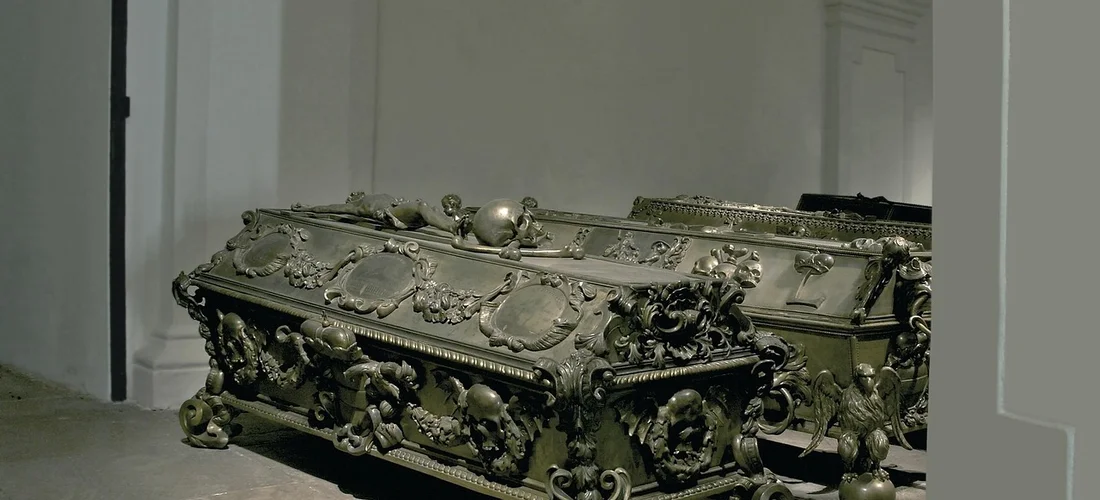
Being asked to carry a casket is a profound honor. It can also feel daunting if you have never done it before. Let’s walk through the practical steps of how to carry a casket as a pallbearer to replace any fear with quiet confidence.
The process is a shared, deliberate act of care. Understanding how do you carry a coffin at a funeral is less about strength and more about coordination and presence.
How to Carry a Casket Safely and With Dignity
First, know your point of contact. A component of the casket handle is the solid bar or grip you will hold. Place your hand firmly around it, palm facing inward, with your fingers and thumb wrapped securely.
When the lead bearer gives a quiet signal, prepare to lift in unison. Bend at your knees, keeping your back straight. The power comes from your legs, not your spine. You will lift together on the count.
Once the casket is raised, keep it perfectly level. This is a sign of respect. Walk with small, slow, and coordinated steps. The ground may be uneven, so move with care.
The front bearers set the pace for everyone else to follow in step. Look ahead, but stay aware of the others beside and behind you. Your shared rhythm creates a stable and solemn procession.
Addressing Common Concerns and Transport
People sometimes wonder about the journey before the ceremony. Professional transport in a hearse is the standard and safest method. This addresses questions like can you transport a casket in a truck, which is not recommended for the formal service.
Please remember, you are responsible for a short, sacred distance. The funeral home staff manages all complex logistics, including moving the casket to and from the vehicle. Your role is focused, meaningful, and supported by their expertise. Understanding the funeral service order structure helps you anticipate each moment with care. In the following steps, links to each section of the service order will be provided for easy reference.
Special Situations and Honoring from Afar
Not everyone who wishes to serve is able to carry the physical weight. Funeral customs hold space for this reality. These adaptations ensure that respect is shown and that more people can participate in a meaningful way.
They turn limitations into gestures of profound inclusion. The common thread is a sincere desire to honor the person who has died.
Honorary Pallbearers: A Role of Respect
The key difference is in the physical act. A casket bearer, or active pallbearer, has the responsibility of lifting and carrying the casket. An honorary pallbearer walks in the procession alongside or behind the casket but does not perform the physical carry.
This role was created to honor individuals for whom carrying would be difficult or impossible. It often includes elders, those with health concerns, or loved ones who have traveled a great distance.
Being named an honorary pallbearer is an acknowledgment of your significant place in the life of the deceased or their family. You are a visible pillar of support during the final journey. The honor lies in your presence, not in your physical strength.
I have seen this role bring great comfort to a grandfather who wanted to walk for his grandson. His slow, steady pace at the head of the procession was a powerful statement of love.
When Distance or Health is a Factor
If you cannot be there in person, your wish to contribute still holds immense value. You can channel that intention into another part of the service. The family will recognize the love behind your effort.
One meaningful alternative is to write a short letter or memory to be read aloud by the officiant or a family member. Your words become part of the collective remembrance. You could also suggest a specific piece of music for the service, a hymn or song that connects you to the person who died.
Another option is to serve in a different capacity at a later time. You might help organize the gathering after the service, or volunteer to compile photographs for the family. Your support does not have to be confined to the hour of the funeral.
What matters most is the intention to serve and to honor a life. A heartfelt gesture from afar often resonates as deeply as any physical act performed nearby. Your love is not diminished by miles or circumstance.
Compassionate Answers to Common Questions
What if a chosen bearer is unable to perform the duties on the day?
Please inform the funeral director immediately; they can discreetly arrange a replacement. Your well-being is paramount, and this will not disrupt the service’s dignity.
Is there a rehearsal or briefing for casket bearers?
Yes, the funeral director will gather all bearers before the service for a clear, step-by-step walkthrough. This ensures everyone moves together with confidence and respect during the funeral procession.
What is the difference between a casket bearer and an honorary pallbearer?
An active casket bearer physically carries the casket, while an honorary pallbearer walks in procession as a symbolic honor. Both roles are profound gestures of respect and support.
Parting Reflections on the Casket Bearer’s Duty
Your primary responsibility is to carry the casket with focused reverence, a simple act that anchors the service in respect. This quiet duty provides immense comfort, demonstrating care through your steady presence.
Honoring a life extends beyond this role, into choices that prioritize dignified, personal, and even eco-friendly funeral care. May this reflection support your journey through Funeral Care, Funeral Needs, and Funeral Questions.
Emiliana Dieter
Emiliana is an author at The Valedictory. She is an experienced funeral care advisor and arranged and organized many funerals as part of her end of life consulting services. She has over 8+ years in the funeral industry managing her family funeral business and helping families cope with the loss of their loved ones. Her articles answer any and all questions you might have regarding funeral arrangements, costs, preparations, etc so you can make this a seamless experience.