
What Shoes to Wear to a Funeral: A Compassionate Guide to Funeral Footwear
Choosing shoes for a funeral often brings a quiet anxiety. I want to help you find an answer that feels both respectful and right for you.
This guide will walk you through funeral shoe etiquette with care. We will explore traditional colors and materials, styles to prefer or avoid, considerations for different types of services, and ways to prioritize your comfort during a solemn day.
Key Takeaways: Comfort and Clarity in a Difficult Time
When you are grieving or offering support, small decisions can feel overwhelming. Choosing your shoes should not be one of them. This guide offers simple principles to help you dress with confidence and respect.
- For most traditional services in many cultures, dark, conservative shoes in black, navy, or dark brown are the most respectful choice.
- Closed-toe styles like flats, loafers, or basic pumps are typically recommended for their formal and somber appearance.
- Showing respect for the deceased and their family is the true goal, not achieving perfect fashion. A clean, understated pair of shoes speaks volumes.
- Comfort is a critical, and often overlooked, element of funeral footwear. You may be standing or walking on soft grass, so choose shoes you can rely on.
- Your personal circumstances, physical health, and specific cultural or family traditions are the final guides. Practical needs and heartfelt respect matter most.
The Purpose of Funeral Attire: A Note on Etiquette
Funeral attire is a quiet language. It is a visual way to express your solidarity and sympathy to the family in mourning. Make sure you are familiar with the funeral attire etiquette to choose the appropriate clothing.
Somber, respectful clothing acts as a unified expression of support. It helps create an atmosphere of collective reverence, allowing the focus to remain on remembering a life. This principle is especially important when choosing funeral, wake, and burial attire.
Dressing appropriately also helps you mentally prepare for the occasion. It allows you to focus on your memories and the people around you, not on your wardrobe.
Think of these guidelines as a form of social grace. They exist to ease your anxiety about what is expected, freeing you to be fully present. In a time of sadness, removing one small uncertainty can be a gentle kindness to yourself.
Selecting Appropriate Funeral Shoes: Answers to Common Questions
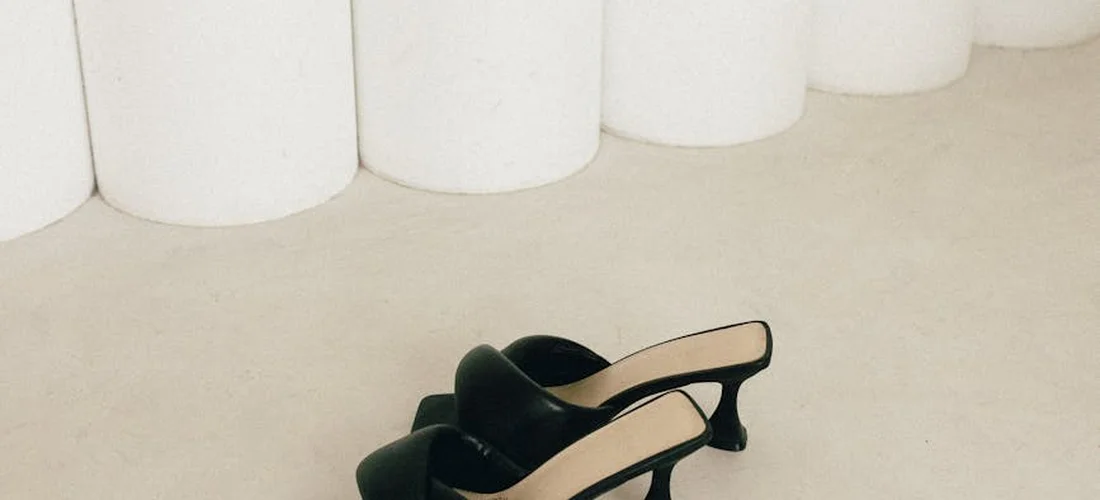
Choosing what to wear can feel overwhelming when you are grieving. I often guide families through this, and the same gentle principles apply to footwear. Let’s answer the most common questions together.
What is the Most Common Color for Funeral Shoes?
Black is the traditional and safest choice for a formal funeral. It is a color of solemnity and respect, blending seamlessly with the atmosphere of the day, especially when considering funeral attire color traditions.
Dark brown, charcoal gray, or navy shoes are also widely acceptable. Think of colors you might wear to a serious business meeting or a formal evening event.
Are black shoes absolutely required? No, but they are highly recommended for traditional services. If your only dark shoes are a deep brown, they will usually be just fine. The goal is to choose something subdued that does not draw attention.
How Formal Should Your Funeral Shoes Be?
Match your shoes to the tone of the service. A funeral in a church or synagogue calls for more formality than a casual backyard celebration of life.
For a traditional service, think of classic dress shoes. For men, this means oxfords, loafers, or derbies. For women, pumps, flats, or modest heels. The standard is to err on the side of being slightly more formal, as a sign of respect.
Are Open-Toed Shoes, Sandals, or Peep-Toes Acceptable?
Closed-toe shoes are generally preferred. They maintain a modest, formal appearance and are practical for standing on various surfaces, from carpet to grass.
In very warm climates or for an informal gathering, simple, dark leather sandals may be permissible. Are open-toed shoes acceptable? Typically, no, but there are exceptions based on climate and the specific wishes of the family. If you must choose a sandal, select one that is minimal and in a dark color.
Can You Wear Flats or Low Heels?
Flats are a perfectly respectful and often very practical choice for women. You may be standing for long periods, walking on soft ground, or simply needing the comfort that allows you to focus on the reason you are there.
Low, stable heels are also appropriate. Are heels appropriate? Yes, as long as they are not excessively high, flashy, or difficult to walk in. A one or two-inch block heel can offer both elegance and stability when you need it most.
Are Boots Appropriate for a Funeral?
Sleek, dark ankle boots or booties can be suitable. They are practical for cooler weather, outdoor graveside services, or navigating winter conditions.
I would caution against very casual boots, like work boots or knee-high fashion boots with bold details. Are knee high boots appropriate? For a traditional funeral, they are often too informal and can distract from the solemnity of the occasion. A simple black leather ankle boot, however, can be both respectful and functional.
A Personal Perspective: The Shoes That Carried Me
I remember buying a new pair of black flats for my grandfather’s funeral. They were sensible and polished. But what I remember most is how, after the service, my feet ached from hours of standing and embracing family.
That small discomfort amplified the emotional weight of the day. Now, I always advise people to choose shoes that have already been worn and tested for comfort. Your mind and heart will be carrying enough. Your feet should not have to struggle as well.
What Not to Wear: Footwear That Can Cause Distraction
This list is not meant to shame, but to guide. The aim is to avoid anything that might pull focus from supporting the bereaved or honoring the person who has died.
Avoid Sneakers, Athletic Shoes, and Flip-Flops
Brightly colored running shoes, well-worn trainers, and flip-flops are symbols of leisure and activity. Their informal nature can clash with the solemn mood of a funeral.
Are sneakers ever appropriate? Only in rare cases, such as for someone with serious mobility issues, or if the family has specifically requested casual attire for a unique celebration of life. When in doubt, choose something more formal.
Avoid Overly Casual, Flashy, or Worn-Out Shoes
This includes shoes in neon colors, those covered in sequins or large logos, and any footwear that is visibly scuffed, torn, or dirty. The focus should be on the ceremony, not on your feet.
Bare feet are not appropriate for any funeral service. It is a matter of both respect and practicality for the setting you will be in.
Pro-Tip: Prioritize Comfort for Emotional Resilience
If you buy new shoes, please walk in them at home first. Consider keeping a pair of comfortable shoes in your car for the reception or the long drive home.
Physical comfort provides a small foundation of stability on a day that can feel emotionally unsteady. It allows you to be more present, to offer a steadying arm to a friend, or to simply stand in quiet remembrance without distraction.
Beyond Tradition: Cultural and Personal Considerations
The shoes you select for a funeral carry a quiet message of respect. That message can sound different in a crowded temple than it does in a quiet chapel. Funeral footwear expectations are not universal; they breathe with the rhythms of culture, faith, and personal circumstance. Just as the broader funeral etiquette varies across contexts.
You may ask, are there cultural differences in funeral footwear? Yes, these differences are profound and meaningful. Recognizing them is a simple act of empathy that honors the grieving family and acknowledges the varied funeral practices across cultures.
Practical reality must also guide your hand. A service on a rainy hillside or a long vigil requires shoes that serve you. Your own physical comfort is not a secondary concern. Adapting your choice to the setting and your needs is a practical form of reverence.
Cultural Funeral Footwear Practices
In many traditions, shoes are not worn indoors during a service. This act creates a sacred, clean space. You might notice this in some Hindu, Buddhist, or Muslim settings. Wearing shoes that are easy to remove shows consideration for these sacred spaces.
Color speaks a silent language. While dark hues are common in many Christian funerals, white is often worn in Hindu and Buddhist ceremonies to symbolize peace. In Jewish mourning, non-leather shoes are sometimes worn as a sign of grief. These choices reveal how funeral attire carries meaning and tradition beyond color. They show how clothing signals respect, grief, and cultural heritage in memorial rites.
Here are a few specific practices I have observed:
- Christian Services: Dark, polished dress shoes are typical. The aim is modesty and a quiet, unified solemnity.
- Jewish Services: During shiva, mourners may avoid leather. Simple, comfortable shoes are perfectly appropriate.
- Hindu Services: Shoes are usually left outside. White clothing and footwear may be worn to reflect purity.
- Muslim Services: Shoes are removed for prayer. Clean socks and modest, easy-to-slip-off footwear are thoughtful choices.
- Buddhist Services: Similar to Hindu customs, shoes are often removed at the temple entrance. Soft-soled shoes are common and respectful.
When Practical Needs Guide Your Choice: Weather and Health
Funerals occur in all weather. For a graveside service on sodden ground or in snow, choose sturdy shoes. A clean pair of dark, waterproof boots can be both respectful and necessary. Practical footwear lets you stand firmly with the bereaved, regardless of the elements.
Please, never ignore pain or mobility needs for the sake of appearance. If you require orthopedic shoes or supportive sneakers, wear them. Your presence is the offering. Being there, comfortably and fully, is always more important than perfect attire.
I have watched people fret over their shoes, only to see their simple attendance bring the deepest comfort. Choose what allows you to be present with a full heart. Your thoughtful intent, shaped by love and a desire to honor, is the truest guide of all.
Compassionate Answers to Common Funeral Shoe Questions
Are black shoes required for a funeral?
While black shoes are the traditional standard, they are not an absolute requirement. Dark brown, navy, or charcoal shoes are also widely acceptable and respectful choices.
Are sneakers ever appropriate for a funeral?
Generally, sneakers are not appropriate for a traditional funeral service. Funeral attire guidelines for men and women typically emphasize modest, respectful dress. An exception would be for specific mobility needs or if the family has explicitly requested casual attire for a unique celebration of life.
What should you absolutely avoid wearing on your feet to a funeral?
Avoid footwear that is overly casual, flashy, or worn-out, such as flip-flops, brightly colored athletic shoes, or anything with loud decorations. The goal is to choose quiet, respectful shoes that do not draw attention.
Honoring Choices in Funeral Attire
When selecting shoes for a funeral, choose footwear that is respectful and allows you to move with comfort and dignity throughout the day. Your presence and focus are what matter most, and quiet, well-kept shoes help provide that supportive foundation.
Approaching all aspects of Funeral Care with gentle intention honors both the departed and the living, and sustainable choices can reflect this care. May your continued attention to Funeral Needs and Funeral Questions bring you clarity and peace in times of loss.
Emiliana Dieter
Emiliana is an author at The Valedictory. She is an experienced funeral care advisor and arranged and organized many funerals as part of her end of life consulting services. She has over 8+ years in the funeral industry managing her family funeral business and helping families cope with the loss of their loved ones. Her articles answer any and all questions you might have regarding funeral arrangements, costs, preparations, etc so you can make this a seamless experience.