
Compassionate Funeral Reception Food and Catering Ideas for a Meaningful Gathering
Choosing what to serve after a funeral can feel like one more difficult decision in a sea of them. I understand how this simple act of care holds weight, offering comfort when words often fail.
This article provides gentle guidance to help you plan a reception that feels both supportive and personal. We will consider comforting and familiar foods, address dietary needs with sensitivity, incorporate personal touches into the menu, and offer practical advice for working with caterers or handling the food yourself.
The Purpose of Food at a Memorial Gathering
Food at a memorial gathering serves a quiet, essential role. It provides physical nourishment when grief has left people weary, and it fosters a gentle space for community to heal. The act of sharing a meal allows conversation to flow more easily, turning a gathering of individuals into a circle of support.
You may ask, do funerals have food? In my experience, a reception or repast following the service is very common. This meal is not a celebration, but a continuation of care, acknowledging that life and mourning are intertwined. A funeral reception post-service gathering offers space to comfort one another and share memories. These moments can help families begin to heal together.
No one is required to serve food, but I often see the practical need for it. A long day of emotional strain demands simple sustenance. Offering a plate of food is a tangible way to say, “I see your pain, and I am here with you.”
Is There Food at a Funeral? Understanding the Tradition
The tradition of a funeral meal, or repast, is found across many cultures. It is a moment to come down from the intensity of the service. People gather to share memories, often with a cup of coffee or a plate of food in hand. Across cultures, funeral repast customs shape the foods shared and the ways people participate in the gathering. These rituals offer a final, comforting moment of community after the service.
Whether there is food depends deeply on family preference, faith, and heritage. Some religions have prescribed customs, while other families choose a simple quiet gathering. There is no single right way, only what feels respectful and manageable for those grieving.
A Note on Etiquette: Bringing Food and Expectations
If you wish to bring food to a funeral home, always telephone first. Many have policies about outside food, and a call shows consideration for the staff and family.
When offering to bring a dish to a family’s home, be direct and kind. You might say, “I would be honored to make a pot of soup for you. May I drop it by tomorrow?” This gives them an easy way to accept or decline.
For families planning, please know that a potluck organized by friends or a tray of sandwiches from a local deli is more than enough. The gesture of providing food holds more weight than its complexity or cost. A shared, simple meal can be profoundly comforting.
Finding Inspiration: Creating a Menu with Heart
Planning a menu while grieving can feel daunting. I guide families to look for inspiration in three places: comforting classics, honored traditions, and personal stories. Your menu does not need to be elaborate; it needs to feel right. Likewise, managing grief during the funeral service can benefit from the same balance of comfort, tradition, and personal meaning. These guiding principles can shape ceremonies in ways that feel right for you and your loved one.
Should the food reflect their personality or background? It often does, and when it does, it makes the gathering feel uniquely theirs. This reflection can be a subtle, powerful comfort to everyone present.
Simple, Comforting Foods
Classic, easy-to-eat foods are a sanctuary for weary guests. Think of dishes that are soft, warm, and familiar. They require little effort from people who may have little appetite.
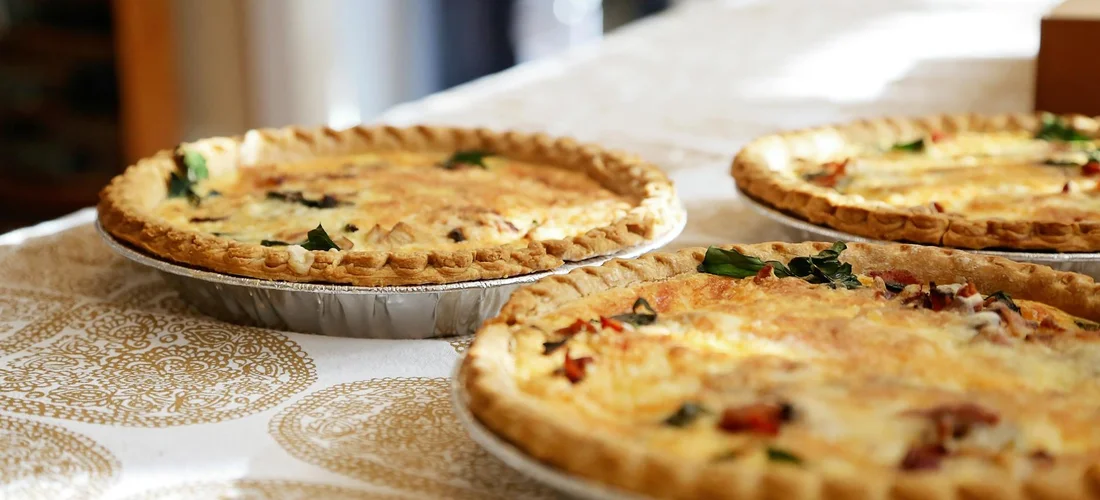
- Baked pasta casseroles or savory pies.
- Hearty soups like chicken noodle or lentil, served with bread.
- Assorted sandwich platters or finger foods.
For sandwiches, consider delicate tea sandwiches or pinwheels. Use soft bread, remove the crusts, and fill them with egg salad, cucumber, or ham. Cut them into small, manageable pieces.
Are there specific comforting themes? Yes. Foods that evoke a sense of home and nurture are traditional for a reason. A steaming dish of mashed potatoes or a slow-cooked stew speaks a universal language of care.
Honoring Heritage and Faith
Incorporating cultural or religious dishes is a profound act of respect. It honors the roots and beliefs that shaped the person you love. This can provide a deep sense of continuity for family and community.
For instance, at an Islamic funeral, any food served must be halal. This adherence to dietary law is a fundamental part of showing respect for the faith and the deceased. It’s just one aspect of Muslim funeral etiquette that attendees are expected to observe.
I think of community like a local restaurant that closes for a private gathering. When a community shares its traditional foods in mourning, it reaffirms its bonds and identity, much like a cherished neighborhood spot feeding its regulars one last time.
Celebrating Personal Favorites
Including your loved one’s favorite foods is a beautiful, personal tribute. It turns the menu into a conversation about their life, their joys, and their quirks.
Perhaps it was their famous chili, a specific brand of potato chips, or a lemon cake they always requested. Serve these items with a small card that tells the story. A note that says, “John’s Friday Night Pizza” invites people to smile through their tears.
What are some thoughtful, non-traditional ideas? I have seen memorials with a popcorn bar for a movie lover, or a table of fine cheeses and chocolates for a connoisseur. The most meaningful menu items are often the simplest echoes of a life well-lived. No matter what you choose, it’s also important to consider proper etiquette when selecting funeral gifts.
The Practicalities: Service, Quantity, and Catering
With some meaningful food ideas in mind, we move to the details. These practical steps can feel overwhelming, but breaking them down makes them manageable.
Buffet vs. Sit-Down Service: What Works Best?
This choice often depends on the size of your group and the space you have. Each style has its own rhythm and feeling.
A buffet encourages movement and mingling. Guests can serve themselves at their own pace, and it often feels less formal. This can be helpful when people need a quiet moment away from the table. For a larger gathering, a buffet is typically more flexible and easier to manage logistically.
A sit-down meal provides structure and a sense of being cared for. Everyone is served at once, which can foster a quiet, collective experience. It requires more planning and often more staff. Consider the emotional energy of your guests. A sit-down dinner might feel right for a smaller, more intimate group who would appreciate the seated togetherness.
How Much Food Should You Plan?
Appetites are often subdued after a service. People come more for connection than for a large meal. Plan for this, but ensure there is plenty.
For a buffet, I often suggest planning for about one and a half servings per person. For a lighter reception with finger foods, plan for 8 to 10 pieces per guest. It is always better to have a modest amount of a few well-made items than a vast spread of mediocre food.
Remember, simple foods are comforting. A large pot of soup, a hearty casserole, or a beautiful fruit platter can be more than enough. People will remember the care behind the food, not the quantity.
Choosing and Working with a Caterer
A good caterer for this occasion is more than a food provider. They are a partner in hospitality during a difficult time.
Look for a caterer who listens. When you call, explain that the event is a funeral reception. Their response will tell you a lot. You want someone who expresses sympathy and flexibility, not just efficiency. This is especially important when you’re coordinating funeral reception venues that might have specific requirements.
Here are a few questions to ask:
- “Have you catered funeral receptions before?”
- “How do you handle last-minute changes in guest count?”
- “Can you provide simple, clearly labeled options for dietary restrictions?”
- “What is your policy on leftovers? Can they be packaged for the family?”
Be clear about your budget from the start. A compassionate professional will help you create a fitting menu within your means.
Beverages, Allergies, and Special Considerations
These final details are a quiet way to honor your guests. They show you have thought of everyone’s comfort.
What Are Appropriate Beverages to Serve?
A hot drink can be a profound comfort. I always recommend starting with a reliable coffee station and a selection of teas. Offer cold options like lemonade, iced tea, and plenty of water.
The question of alcohol is personal and often cultural. Some families feel a toast honors their loved one. Others prefer to avoid it entirely. There is no single right answer, only what feels right for your family and the person you are remembering.
If you choose to serve alcohol, keep it simple. Offer just wine and beer, and make sure non-alcoholic options are just as plentiful and appealing. The focus should remain on solace and remembrance.
Accommodating Dietary Needs with Grace
Managing allergies and restrictions need not be stressful. A little forethought makes all guests feel considered and safe.
When planning the menu, include one or two plainly prepared, naturally inclusive dishes. A vegetable and grain salad, a bean soup, or grilled vegetables often work. Clear labeling is the kindest thing you can do. Small cards that say “Dairy-Free,” “Contains Nuts,” or “Gluten-Free” remove guesswork and anxiety.
If you are working with a caterer, communicate these needs early. If it’s a potluck, you might gently ask a few close friends to bring items that meet specific dietary needs. The goal is not perfection, but thoughtful care.
Simple and Budget-Friendly Approaches

Planning a reception while grieving can feel overwhelming, both emotionally and financially. Please be gentle with yourself. Affordable funeral planning options can help you honor their memory without adding financial strain. There are practical, budget-friendly steps you can take during this time.
Creating a space for comfort does not require a grand expense. The most meaningful gatherings often focus on warmth, not the price tag of the food.
Potluck-Style Gatherings and Homemade Offerings
There is a quiet beauty in a meal provided by a community. It is a tangible expression of care, where every dish tells a story of someone wanting to help.
Organizing one can be simple. You might ask a close friend or family member to coordinate. They can gently reach out to others, suggesting categories like salads, finger sandwiches, or desserts to ensure variety without pressure.
This is one of the most heartfelt and budget-friendly catering ideas, turning a meal into a collective act of support. People often want to contribute something tangible, and this gives them a clear, loving way to do so.
Strategic Store-Bought and Deli Options
If cooking feels impossible, know that store-bought items are a perfectly dignified choice. The goal is nourishment, not perfection.
Look for quality prepared foods that carry a sense of home. A good deli platter of roasted chicken, a tray of fresh fruit and cheese from a local market, or a selection of hearty soups from a trusted bakery can feel just as comforting.
Remember, no one is judging where the food comes from. Placing a beautiful bowl of purchased potato salad on your own serving platter can make it feel special. The act of gathering is what matters.
A Personal Perspective: The Sandwich That Spoke
I remember a reception where the family was exhausted. A neighbor brought a simple plate of egg salad sandwiches, cut into small triangles.
They were plainly made, on white bread. But as people ate them, they began to share stories. They remembered how the departed loved egg salad, how she’d make it for picnics. That humble sandwich became a quiet centerpiece for memory.
It taught me that the thought behind the offering holds infinitely more weight than a complex menu. Sometimes, the simplest food provides the deepest comfort.
FAQs on Planning Funeral Reception Food
What are the best types of food to serve at a funeral reception?
Focus on comforting, easy-to-eat options like hearty casseroles, soups, and finger sandwiches. These familiar foods provide gentle nourishment without adding stress to grieving guests.
How can we accommodate dietary restrictions and allergies?
Use clear labels for allergens and include naturally inclusive dishes, such as vegetable salads or bean soups. This simple step shows care and ensures everyone can partake safely.
Is it better to have a sit-down meal or a buffet-style reception?
Choose a buffet for its flexibility and ease with larger groups, or a sit-down meal for structured togetherness in intimate settings. The right choice depends on your group size and the comfort you wish to provide.
Reflections on Food and Fellowship
The most meaningful choice you can make is to offer food that provides genuine comfort and gently encourages connection. Let the menu be a quiet tribute, nourishing both body and spirit as stories are shared—especially following a funeral.
Approach all Funeral Needs with a focus on dignified, thoughtful care, where even eco-friendly catering options can reflect deep respect. Your continued attention to Funeral Care and Funeral Questions honors the journey of loss with both practicality and grace.
Emiliana Dieter
Emiliana is an author at The Valedictory. She is an experienced funeral care advisor and arranged and organized many funerals as part of her end of life consulting services. She has over 8+ years in the funeral industry managing her family funeral business and helping families cope with the loss of their loved ones. Her articles answer any and all questions you might have regarding funeral arrangements, costs, preparations, etc so you can make this a seamless experience.