
Choosing a Funeral Casket: Understanding Types and Making a Thoughtful Selection
Facing the choice of a casket can feel deeply personal and heavy with questions. Allow me to offer some calm guidance as you navigate this step.
This article will provide a clear overview of casket options and a respectful framework for decision-making. We will examine common materials like wood, steel, and copper; discuss features from interiors to protective seals; consider how to align a choice with budget and personal values; and outline a gentle process for making this decision.
Key Takeaways: Finding Comfort in Clarity
- Your choice is a final act of care, and it is perfectly normal to feel uncertain. There is no single “right” casket, only the one that feels right for your family and honors your loved one’s memory.
- Funeral homes offer a wide range of choices. You will find options for every budget and value system, from simple and dignified to more ornate designs.
- This decision does not need to be rushed. Taking a moment to breathe and consider your options is not only acceptable, but it is also a compassionate way to navigate this difficult time.
Understanding Caskets: Materials and Common Types
When people ask, “What are the different types of funeral caskets?” they are often seeking clarity during a cloudy time. In North America, we commonly use the word “casket” (spelled C-A-S-K-E-T) to describe a rectangular burial container. A “coffin” has a different, tapered shape, but “casket” has become the standard term here.
The material is the heart of your choice. It influences the look, feel, and sometimes the cost. Most caskets are made from either wood or metal, but newer, eco-conscious options are becoming more available.
Wood Caskets: Traditional Warmth
Wood caskets bring a sense of natural warmth and tradition to a service. They feel solid and familiar. Common varieties include rich oak, deep mahogany, and lighter pine. The grain of the wood is unique in each piece, much like a fingerprint. I often find families are drawn to wood for its honest, earthly presence.
Metal Caskets: Durable and Polished
Metal caskets are known for their strength and sealed construction. They are typically made from steel, copper, or bronze, each with a different finish and price point. A bronze casket has a soft, lasting glow, while steel is more subdued. The phrase “a golden casket” usually refers to a high-end bronze or copper model with a golden-hue finish. These caskets offer a pronounced sense of durability and permanence.
Eco-Friendly Caskets: Returning Gently to Earth
For a green burial, simple caskets made from willow, bamboo, or untreated pine are used. They are designed to decompose naturally. These caskets often have a plain, woven texture you can feel with your hands. This choice reflects a deep value for leaving the land undisturbed.
Special Considerations
Funeral directors provide small, lovingly crafted caskets for children and infants. These are scaled with care to offer dignity. The concept of a closed casket service may guide a choice toward a simpler exterior, focusing on the ceremony rather than the container itself.
Inside most caskets, you will find a soft cloth lining, called a casket liner. It lines the interior for comfort and appearance. This lining is the final resting place within the casket, and its color and fabric can be a personal touch. Understanding how casket parts function can help you compare options and anticipate how other components work together.
Casket vs. Coffin: Knowing the Difference
People often ask me, what is the difference between a casket and a coffin? The distinction is simple, resting mostly in the shape.
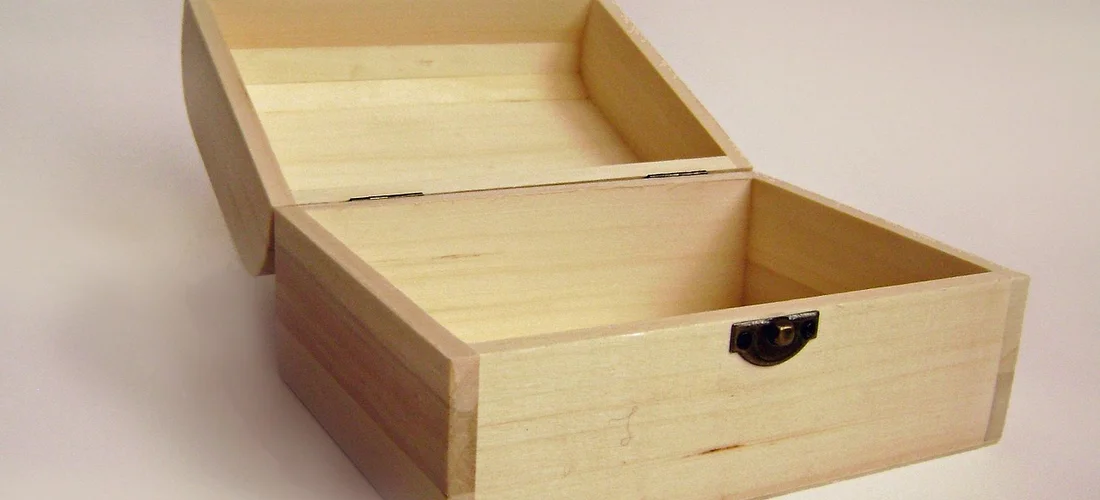
Imagine a rectangular box with a hinged lid. That is a casket. Now, picture a six-sided box, wider at the shoulders and narrowing at the head and feet. That is a coffin.
The word ‘coffin’ feels more historical or European to many of us today. It calls to mind older traditions. ‘Casket’ is the modern term you will hear most often in funeral homes across the country.
Both words describe a vessel of care, designed to hold a loved one with dignity. The choice between them is a personal one, often shaped by family tradition or the simple comfort of familiar language.
A Quick Snapshot: Comparing Caskets and Costs
It is natural to wonder about the price. What is the price range for different types of caskets? The answer varies greatly, as the material is the primary factor in cost.
This table provides a general overview to help you understand the landscape. Please remember, these prices can shift based on where you live and the specific funeral home.
| Material Type | Typical Price Range | Notes/Considerations |
|---|---|---|
| Cloth-covered wood (economy) | $800 – $2,000 | A soft, fabric exterior over a wood or composite frame. A respectful and affordable choice. |
| Solid hardwoods (oak, cherry, walnut) | $3,000 – $5,000+ | Known for their beauty and weight. The grain and finish feel substantial and timeless. |
| Standard steel (16-18 gauge) | $2,000 – $4,000 | The most common metal casket. Durable and available in many finishes and interior colors. |
| Premium metals (bronze, copper) | $5,000 – $10,000+ | These are the most durable and often have a distinctive, warm color. They are considered heirloom-quality. |
| Eco-friendly materials (willow, pine, bamboo) | $1,500 – $4,000 | Made from natural, biodegradable materials. They have a simple, gentle appearance suited for green burials. |
| Rental option | $500 – $1,500 (rental fee) | A dignified outer casket used for a service, with a simple interior container for burial or cremation. It addresses both ceremony and cost. |
Seeing these figures can feel overwhelming. Your funeral director can guide you through all the options within your budget, ensuring your choice feels right.
How to Choose a Casket with Heart and Mind
Choosing a casket is one of the most visible decisions you will make. It can feel overwhelming, caught between your budget, logistics, and the deep desire to honor a unique life. The right choice balances your practical reality with what feels emotionally resonant for your loved one.
Begin with Your Practical Reality
Start with your budget. It grounds the conversation and reduces anxiety. A funeral director can show you all options within your range. Knowing your financial boundary first allows you to make a clear-eyed choice without later regret.
Remember, a casket is often a single, significant expense in funeral planning. Be open about what you can spend. Ask about the difference between rental and purchase options, especially if you are planning a viewing followed by cremation.
Consider the Service and Final Resting Place
The type of service directly guides your selection. A traditional burial often uses a sturdier, sealed casket. For cremation, a simple wooden or even cardboard container is typically used. There are several casket burial container types to consider, from traditional caskets to cremation containers. Always confirm any specific rules with your cemetery or crematory before you decide.
If you are having a viewing but plan for cremation afterward, many funeral homes offer dignified rental caskets. This provides a beautiful setting for the service while managing costs thoughtfully.
Honor Your Loved One’s Story
Look past the catalog and think of the person. Was their style simple and functional, or did they appreciate fine craftsmanship? Did they love the richness of polished wood or the clean lines of metal? Let their personality, values, or even a favorite color gently guide you.
A simple pine casket can be as meaningful as a bronze one if it reflects a life lived without pretense. I have seen families choose a blue interior for a sailor or a cherry wood finish for a devoted woodworker. These small touches matter.
The Act of Choosing: A Gentle Process
If you can, visit the showroom. Touch the materials. Lift the lid. See how the fabric feels. This isn’t morbid, it’s practical. It makes an abstract decision tangible.
- Go with a trusted friend or family member for support.
- Ask the funeral director to explain the features, warranties, and what is included.
- Take your time. It is okay to sit with the decision for an hour or a day.
This choice is an act of love, not a test of your devotion. There is no perfect casket, only one that feels respectful and right for your situation.
Common Mistakes to Avoid When Selecting a Casket
Grief and pressure can lead to choices that add stress later. Being aware of these common pitfalls can protect your emotional and financial wellbeing during this tender time.
- Overspending due to pressure or guilt. The most expensive option is not a measure of your love. A compassionate funeral director will not upsell you.
- Not verifying cemetery or crematory requirements. Some cemeteries require a grave liner or outer burial container, which is a separate cost. Always check first.
- Skipping questions about what’s included. Ask if the price includes the interior lining (the shroud), specific hardware, or a memory panel for photos.
- Making a rushed decision while in shock. The first few days are a fog. It is absolutely acceptable to ask for a price list and take it home to review.
- Overlooking a rental casket. If you are having a viewing before a cremation, a rental can provide a beautiful setting at a lower cost than a purchase.
Remember, you are protected by the Funeral Rule. Funeral homes are required by law to provide you with a detailed price list before you discuss any services or goods. Use it. Take a breath. This is a process, and you are allowed to move through it at your own pace.
Practical Considerations: Purchasing, Renting, and Legalities
Once you have a sense of the materials and styles available, practical questions often arise. You may wonder where to buy, what the rules are, or if there are other options. Navigating these details can feel overwhelming when you are grieving.
Allow yourself to focus on one question at a time. I will walk you through the common paths people take, so you can make a choice that feels right for your family’s situation and wishes.
Where to Buy a Casket
You have several places to purchase a casket, each with its own considerations. Funeral homes typically have a showroom for you to see and touch options, which can be a comfort. They handle delivery and coordination directly. Alternatively, you can purchase a casket online.
Many reputable online retailers and manufacturers also sell caskets directly to the public. You have the legal right to purchase a casket from a third party, and a funeral home cannot refuse to use it or charge you a handling fee. Prices online can be lower, but factor in shipping costs and timing.
It is perfectly acceptable to shop around. You can visit a funeral home to see models in person, then compare prices elsewhere. A good funeral director will respect this and should provide a price list over the phone if you ask.
The Option to Rent
For families choosing cremation but wishing to have a traditional viewing or funeral service, renting a casket is a thoughtful alternative. It addresses the need for a beautiful setting during the ceremony without the full cost of a burial casket.
A rental casket consists of a handsome, reusable outer shell made of fine wood or metal. Inside this shell is a simple, removable liner that holds the body. After the service, the body is transferred from the liner for cremation or burial, and the decorative shell is cleaned and prepared for another family.
This option provides a focus for gathering and saying goodbye. It can ease the practical burden while still honoring the need for a ceremonial space.
Legal and Cemetery Rules
It may surprise you to learn that in most places, there is no legal requirement to use any casket for burial. A simple shroud is often sufficient from a legal standpoint. The rules that do exist usually come from the cemetery or crematory itself.
Cemeteries frequently require an outer burial container, or vault, to prevent the ground from settling. Some may have rules about biodegradable materials for “green” burial sections. Crematories might prohibit certain materials, like metal, in their chambers. Many jurisdictions have natural burial laws and green cremation guidelines that shape these policies. Being aware of these can help you plan a green burial or cremation. Always check the specific requirements of the cemetery or crematory you have selected, as their policies are the guiding rules.
In times of community tragedy, you might hear the term “FEMA casket.” These are simple, dignified containers provided by government assistance programs for disaster victims. They are a practical provision in extreme circumstances, ensuring everyone has access to a respectful vessel.
Your funeral director is there to help you understand all these specifics for your location. They can clarify cemetery rules and guide you through the process, lifting that logistical weight so you can focus on remembrance.
Frequently Asked Questions
Are there eco-friendly or green burial casket options?
Yes, there are caskets made from biodegradable materials like willow, bamboo, or untreated pine. These are designed for natural decomposition and align with a desire for a gentle environmental return.
What factors should be considered when selecting a casket?
Key factors include your budget, the type of service (burial or cremation), and your loved one’s personal values or style. Balancing these practical and personal elements will lead you to a respectful choice.
Can you rent a casket for a funeral service?
Yes, rental caskets provide a dignified outer shell for a viewing or service, with a simple interior container used for burial or cremation. This is a thoughtful option that addresses ceremonial needs while managing costs.
Parting Reflections on Funeral Caskets
The most important step is to choose with your heart, honoring memories within your means. This decision is a gentle act of love, not a measure of devotion.
Opting for dignified, eco-friendly care reflects a deep respect for life and legacy. Exploring green, eco-friendly funeral options can further honor your values and reduce environmental impact. Let your journey with Funeral Care, Funeral Needs, and Funeral Questions be a source of steady reassurance.
Emiliana Dieter
Emiliana is an author at The Valedictory. She is an experienced funeral care advisor and arranged and organized many funerals as part of her end of life consulting services. She has over 8+ years in the funeral industry managing her family funeral business and helping families cope with the loss of their loved ones. Her articles answer any and all questions you might have regarding funeral arrangements, costs, preparations, etc so you can make this a seamless experience.