
Bad Weather and Funeral Plans: Managing Practical Concerns and Rain Superstitions
Seeing dark clouds on the day of a funeral can stir practical worries and quiet questions about what rain might mean.
This article offers gentle guidance on both fronts. You will find advice on creating weather backup plans, explanations of common rain superstitions from various cultures, and thoughts on how these beliefs can offer comfort.
Key Takeaways: Navigating Weather and Ceremony
Let me offer you some immediate peace of mind. Funerals are very rarely cancelled altogether.
Your funeral director has seen all kinds of weather and will have contingency plans ready.
I have often observed families who find a quiet comfort in rain during a service, viewing it as a natural, cleansing part of saying goodbye.
Focus on safety above all else, trust in your funeral director’s guidance, and be open to slight changes in how rituals are carried out. Consider reviewing funeral etiquette behavior guidelines to help you navigate interactions respectfully. They cover dress, tone, and quiet conduct.
The unwavering priorities are the dignified honoring of your loved one and the physical and emotional care of every mourner present.
How Bad Weather Disrupts Funeral Services
Inclement weather creates a series of practical challenges that must be managed with great care.
Every decision made by a funeral director starts with one question: is it safe for the family, the staff, and all who wish to attend? This is the core of the role, reflecting the responsibilities and challenges funeral directors face daily. They balance safety, regulatory requirements, and compassionate care to support families through difficult moments.
Can a funeral be cancelled due to snow? Yes, but only as an absolute last resort when conditions make any movement unsafe or a cemetery formally closes.
Can a funeral be postponed due to bad weather? Typically, yes. A brief postponement of a day or two is often the most compassionate choice to allow for safer travel and proceedings.
The disruptions are specific. Dangerous roads may keep people away. Cemetery grounds can turn to thick mud or become impenetrably frozen. Planned outdoor tributes at the graveside can become very difficult to hold.
Managing these logistics while your heart is breaking adds a tangible weight. It can feel like an unfair burden during a time meant for remembrance.
When Travel Becomes Unsafe
Sheets of ice, deep snow drifts, or sudden flooding render roads impassable.
This reality can prevent dear friends and family from arriving, leading to painful choices about who can be physically present.
One gentle solution many homes provide is live streaming the service, allowing those who cannot journey to still share in the moment and offer their love from afar.
Complications at the Cemetery
The phrase “do funerals get cancelled due to snow” usually finds its answer in cemetery policy and physics.
If the earth is frozen too deeply, backhoes cannot dig, and it is unsafe for workers to be on the grounds. Cemeteries will often delay burials until the soil thaws enough to be opened with care and respect.
“Grounding the casket” refers to the physical act of setting the casket securely on the stands or lowering device beside the grave. On slippery, uneven, or soft ground, this simple act requires extreme caution to ensure everyone’s safety.
Preparing a Funeral Service for Inclement Weather
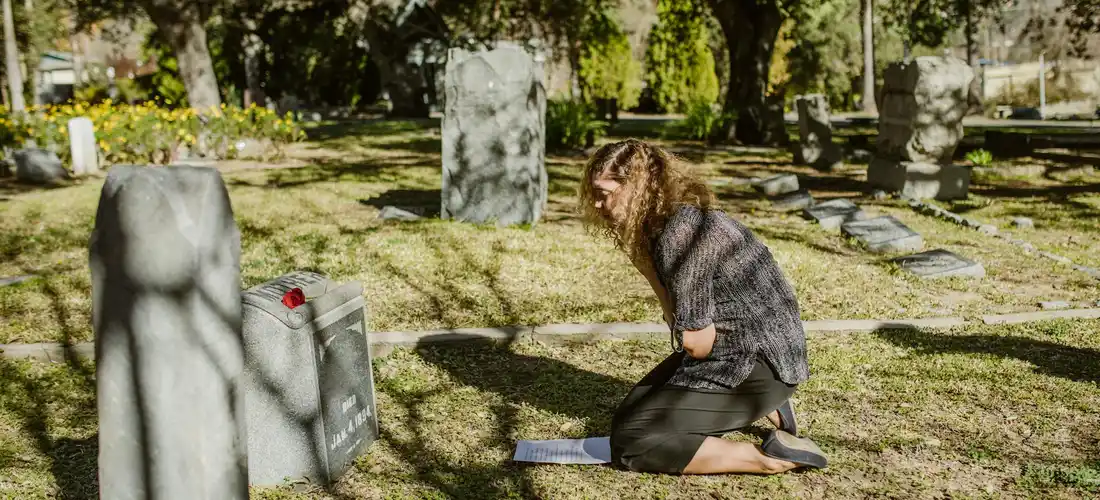
Facing bad weather while planning a funeral can feel like one more burden. I have found that a little preparation can return a sense of control during a difficult time. The goal is not to fight the weather, but to adapt with grace.
Begin by designating a trusted family member or friend as the weather coordinator. Their job is to watch forecasts and communicate any changes to guests. This simple step lifts a weight from the immediate family.
Embrace flexibility in your plans. The schedule you set may need to shift by an hour, or a planned outdoor tribute might move inside. Honoring a life is about presence, not perfect conditions. Allow the order of events to breathe.
Gather a few practical items to offer comfort. A basket of umbrella at the door, a roll of towels for damp seats, or blankets for a chilly chapel can make a profound difference. I always suggest keeping a change of dry shoes in the car.
Conversations to Have With Your Funeral Director
Your funeral director is your greatest ally in this. They have guided countless families through storms, both literal and figurative. Come to them with these specific questions.
- What is your specific policy if severe weather forces a postponement?
- Do you have a covered entrance or canopy for guests to use?
- What is the backup plan for an outdoor graveside service?
- How will you communicate any last-minute changes to our family and the officiant?
- Are there cemetery rules about tenting or artificial turf we should know?
Asking these questions is not a bother. It is how we build a plan that holds firm, giving you one less thing to worry about.
How Your Funeral Director Manages Weather Challenges
While your family focuses on remembrance, your funeral director is quietly managing the logistics. This work starts days before the service. We monitor forecasts like sailors, knowing a shift in the wind changes everything.
We coordinate constantly with the cemetery crew and the clergy. We confirm the availability of tents, mats, and sound systems. Our role is to absorb the logistical friction so your family can experience the funeral committal services without distraction.
Sometimes, the weather makes a graveside service impossible. In these cases, we facilitate an immediate burial with a smaller, private witness. A larger memorial service can then be held later in a comfortable, dry setting. The act of care is not bound by a single hour.
Our experience tells us that a calm, prepared team can navigate almost any weather. We are here to ensure the dignity of the day is preserved, rain or shine.
Common Superstitions and Meanings About Rain at Funerals
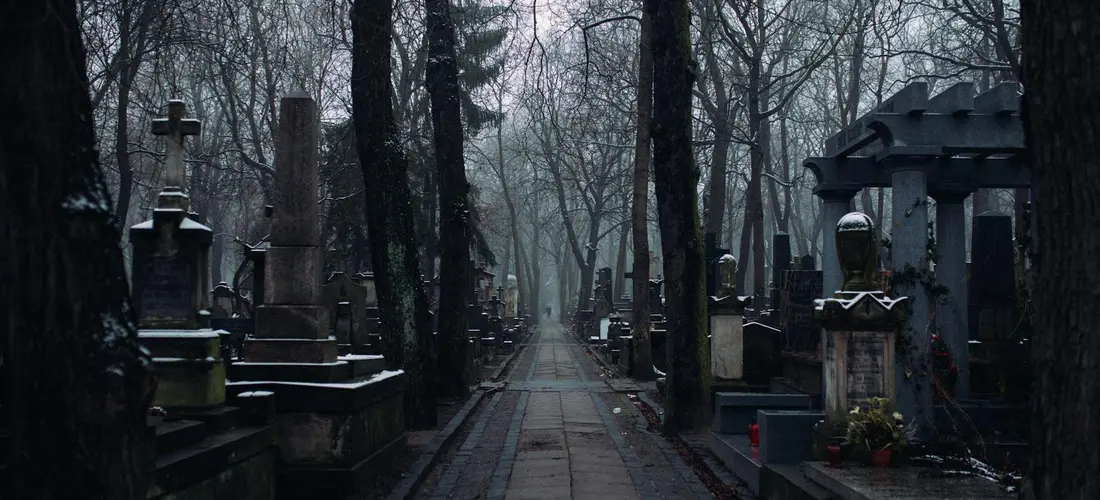
You may ask, is rain at a funeral good luck? What does it mean if it rains? I have heard these questions many times. There is no single answer, only old stories that people share.
These beliefs are folklore, not facts. Many find comfort in these narratives, seeing them as a way to make meaning from a difficult day. They are cultural threads that can wrap around your grief, offering a gentle hold. Yet many of these ideas are myths that can hinder healing. Exploring grief mourning myths debunked can illuminate more supportive paths.
Rain as Cleansing and Blessing
One common thought is that rain cleanses. It washes the earth, and some say it washes away sorrow. The water is seen as a blessing for the soul’s journey ahead.
I have stood with families who whispered this idea as a comfort. They felt the rain was a sign of peace. In this view, the rain is not an obstacle but a form of grace.
Not everyone sees it that way. Some traditions call rain at a funeral unlucky, a sign of more tears to come. I understand both views. The weather does not judge; it simply is. Your interpretation is what brings the meaning.
The Sky Sharing Your Grief
There is a poetic belief that rain is the sky weeping. It is as if heaven itself is crying with you. This idea connects our personal loss to the natural world.
I remember a service where soft rain fell. Someone said, “Even the clouds are mourning.” It felt like a shared moment. This belief turns the weather into a companion for your sadness, a reminder that grief is a universal experience. It is nature expressing what words often cannot.
Common Mistakes to Avoid When Weather Intervenes
Bad weather can add stress to an already hard day. The key is to avoid choices that make things harder. Here are some common missteps I advise against.
- Do not insist on an unsafe timeline just for tradition. Your safety and the safety of guests matter most. It is okay to pause or adjust the schedule if conditions are poor.
- Do not forget to communicate changes clearly and quickly. Use phone calls, texts, or emails to tell everyone about new plans. Uncertainty can heighten anxiety on a day filled with emotion.
- Do not dismiss the comfort others may find in the weather’s symbolism. If someone sees rain as a blessing, let that thought stand. Your practical focus is vital, but so is respecting the small comforts people cling to.
I have seen families strain to keep a rigid plan in a storm. It often leads to more worry. Being flexible with logistics shows compassion for everyone present, including yourself. Allow the day to breathe, even when the clouds do not break.
A Note on Etiquette and Understanding
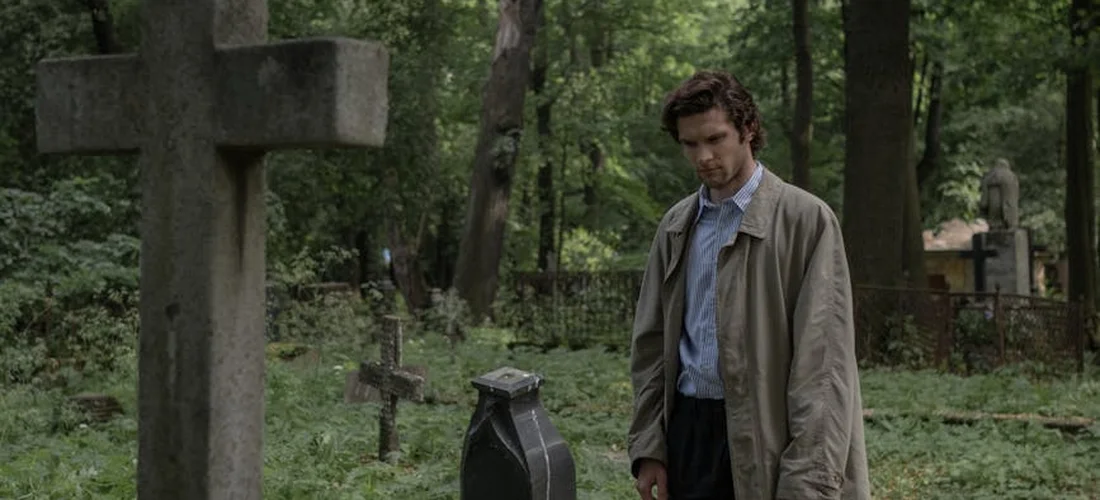
Your presence at a funeral is a final act of kindness for the person who has died and a comfort to their family. It is the most meaningful gesture you can offer. Please do not let a fear of appearing imperfect keep you away. A soaked suit or windswept hair is not a sign of disrespect. It is a testament to your effort to be there, and that is what will be remembered. Choosing a neat, muted-toned suit with tidy grooming is a simple way to show respect. If you’re unsure, guidance on funeral attire appropriateness can help you choose confidently.
Showing up, in any condition the weather demands, is the only form of perfection that matters.
Appropriate Attire for the Conditions
Funeral attire should balance respect with practicality. Dark, waterproof coats or umbrellas are completely appropriate. For footwear, consider sturdy, flat shoes or boots that can handle wet grass or mud, following the funeral shoes attire guide. A family would much rather see you in practical shoes than watch you struggle.
Choosing clothing that keeps you dry and steady is a considerate choice, allowing you to focus on the reason you are there. If you are unsure, darker colors and simpler fabrics like wool or synthetic blends often handle moisture better than delicate materials.
Compassion for Last-Minute Changes
When a graveside service must move indoors or a procession route changes due to flooding, it can feel disruptive. These decisions are never made lightly. They are made with the safety and comfort of every mourner in mind.
I have seen families carry profound grief over a plan that unraveled in a storm. Please hold space for that disappointment, but do not add to it by focusing on the change itself. The funeral director and family are doing their best to navigate an already difficult day. Supporting mourners with mindful funeral etiquette can ease that burden, guiding us to speak with care and listen more fully. Small acts of respect and patience help everyone through these moments.
No one is at fault for the weather, and the sacred purpose of gathering to honor a life remains completely unchanged. Your flexible and understanding spirit is a quiet gift to everyone present.
Frequently Asked Questions About Weather and Funerals
Do families ever find comfort in rainy funeral days?
Yes, many do. They may view the rain as a natural, cleansing part of the goodbye or a symbolic sharing of grief, which can be a gentle source of solace during a difficult time.
Is the superstition that rain is a “blessing” common?
It is a widely held belief in many cultures. This perspective interprets rain as a sign of divine favor or a peaceful transition for the soul, offering a positive meaning to the weather.
How flexible should we be with our service plans if the forecast is poor?
Embrace flexibility for safety and comfort. In meetings with your funeral director, courteous, timely communication helps ensure your wishes are understood. Attending with questions prepared and a respectful demeanor supports a smoother process. Trust your funeral director’s advice on adjustments, as the dignified honoring of your loved one is not dependent on a perfect, rigid schedule.
Parting Thoughts on Weather and Funeral Plans
My strongest recommendation is to discuss weather contingencies openly with your funeral director, creating a flexible plan that protects the ceremony’s dignity. Please know that any personal feelings about rain are valid; let them be a gentle part of your remembrance, not a source of worry.
Choosing dignified, eco-friendly options reflects a deep care for both memory and our world, a core principle of thoughtful Funeral Care. You can explore green, eco-friendly funeral options that honor your loved one while protecting the planet. I encourage you to keep learning about Funeral Needs and Funeral Questions, as this path fosters resilience and compassion for yourself and others.
Emiliana Dieter
Emiliana is an author at The Valedictory. She is an experienced funeral care advisor and arranged and organized many funerals as part of her end of life consulting services. She has over 8+ years in the funeral industry managing her family funeral business and helping families cope with the loss of their loved ones. Her articles answer any and all questions you might have regarding funeral arrangements, costs, preparations, etc so you can make this a seamless experience.