What Happens to the Body During Cremation: A Gentle Explanation
You may be seeking answers about cremation during a time of loss, and it is natural to have questions about this process.
I will guide you through each stage with clarity and respect. This article covers the careful preparation of the body, the journey through the cremation chamber, the transformation of bone into ash, and the final steps that return remains to you.
A Gentle Overview of the Cremation Journey
The cremation chamber, often called a retort, is a specialized and respectful space. It is a lined furnace built for a single purpose. Everything inside is handled with solemn care and continuous verification from beginning to end.
The person is placed in a simple, combustible container for the process. This is often made of reinforced cardboard or wood. This container ensures dignity and supports a complete cremation.
Step 1: Identification and Preparation
The process begins with meticulous respect. Staff check and double-check identification tags against paperwork. This verification happens at every single step.
Any items not meant for cremation are carefully removed. This includes jewelry or medical devices. Pacemakers, for instance, are taken out as a standard safety measure to prevent explosion in the high heat.
The body is prepared with the same respect as for a viewing. During cremation, all soft tissues, including organs and features like the belly button, are consumed by the intense heat. What remains are the skeletal bones.
Step 2: Placement in the Cremation Chamber
The prepared individual in their container is gently moved into the pre-heated chamber. This is a final, private moment. It is handled only by trained professionals who understand the weight of their task.
The heavy chamber door is then securely closed. This act begins the formal cremation process. From this point forward, the chamber is not opened until the cycle is fully complete.
Step 3: The Cremation Itself
Inside the chamber, temperatures range from 1400 to 1800 degrees Fahrenheit. At this heat, the process typically takes between one and a half to three hours for an adult. The time depends on the individual’s size and the equipment.
The high heat vaporizes and oxidizes all soft tissues and organs. The bones themselves undergo a transformation called calcination. They become brittle and turn a pale, chalky white.
It is natural to wonder about sensation. I can offer clear reassurance. The body does not feel anything. The process is one of gentle reduction, not of experience.
Step 4: Processing the Remains
After the cremation cycle, the chamber cools. The remaining bone fragments are then carefully gathered. This stage is part of the bones cremation process. They are processed in a machine called a cremulator to achieve a uniform, sand-like consistency.
Any non-combustible metals, like joint replacements or casket hardware, are separated. This is done with a powerful magnet or a fine screen. These items are often recycled with family permission.
The final material is what we call cremated remains, or ashes. For an average adult, this results in 3 to 9 pounds of remains, enough to fill a standard-sized urn. The volume can bring comfort; it is a tangible, physical presence to hold.
Step 5: Returning the Ashes to the Family
The processed ashes are placed into a temporary container or directly into the urn selected by the family. A final identification check is made, matching the assigned number to the paperwork.
Only after this last verification are the remains released. This moment is handled with the utmost care. It marks a transition, handing a sacred trust back to the loved ones who are waiting.
Quick Snapshot: Comparing Traditional Burial and Cremation
Choosing between burial and cremation is a personal decision. This simple comparison presents key factors side-by-side to inform your choice. Both are valid ways to honor a life, as explained in this burial vs cremation comparison article.
| Consideration | Traditional Burial | Cremation |
|---|---|---|
| Typical Cost Range | Often higher, due to casket, vault, and plot costs. | Often lower, but varies with services chosen. |
| Timeline | Service usually occurs within days of death. | Allows more flexibility for memorials weeks or months later. |
| Physical Memorialization | A gravesite provides a permanent, visitable location. | Ashes can be kept, buried, scattered, or divided among family. |
| Environmental Considerations | Uses land and materials like casket wood and concrete. | Uses energy for the process but requires no permanent land. |
The right choice is the one that brings your family peace and feels true to the life being remembered.
Caring for the Ashes: Meaningful Next Steps
Once the cremation process is complete, you are presented with the cremated remains, often called ashes. This fine, pale sand-like material represents a physical point of connection and memory. Deciding what to do with it is a very personal choice, and there is no single right answer. Many families then explore cremated remains disposal methods to honor their memory. Options range from scattering and keepsakes to traditional interment, depending on personal beliefs and wishes.
Traditional options provide a permanent, dedicated place for remembrance. These are familiar to many and offer a sense of continuity.
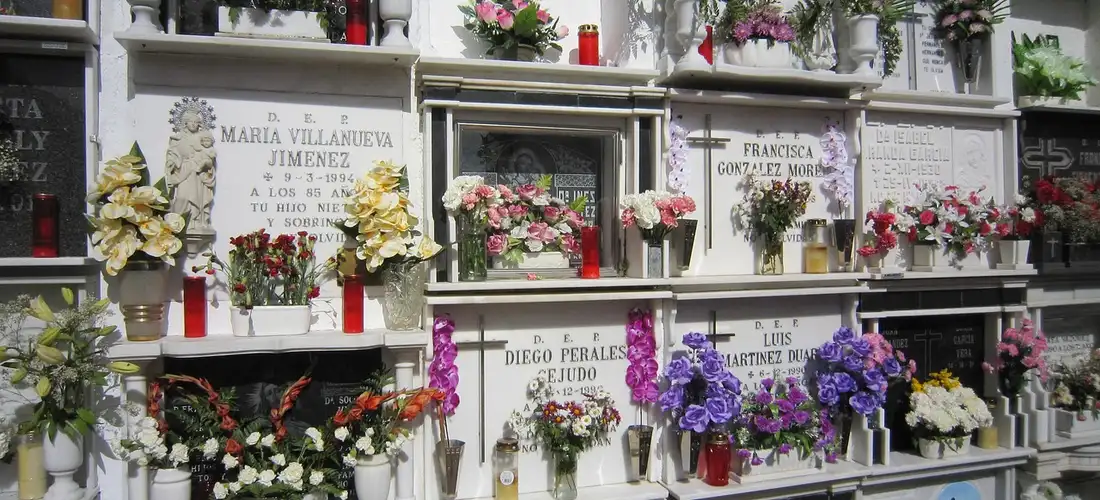
- Columbarium Niche: This is a small space within a wall at a cemetery or chapel specifically designed to hold an urn. It creates a fixed location for visiting.
- Burial in a Cemetery Plot: An urn can be buried in a traditional cemetery plot, often with a small marker. This allows families to be laid to rest together.
- Keeping an Urn at Home: Many find comfort in having their loved one’s remains nearby in a carefully chosen urn placed on a mantle, shelf, or in a quiet corner.
Contemporary choices offer more personalized ways to honor a life and continue a bond. These options integrate memory into daily life or the natural world.
- Scattering: Ashes can be scattered in a location that held meaning. This could be a favorite park, a garden, or at sea. I always advise checking local regulations first.
- Memorial Jewelry: A small portion of ashes can be sealed inside a pendant, locket, or ring. It is a quiet, wearable way to keep someone close.
- Living Urn: These are biodegradable urns that mix ashes with soil and a tree seed or sapling. The remains nourish new growth, creating a living memorial.
The most important thing to remember is that there is no rush to make this decision. You can keep the ashes with you for as long as you need. The choice can be made weeks, months, or even years later, when your family feels ready and clear about what feels most respectful.
Alternative Options for Final Arrangements
While flame-based cremation is common, it is not the only path. Some seek arrangements that feel simpler or have a different environmental focus. I share these options to ensure you are aware of all possibilities, including alternative methods of cremation and burial.
Green burial, or natural burial, is an alternative that forgoes embalming and vaults. The body is placed in a biodegradable shroud or casket and buried in a way that allows it to decompose naturally and return to the earth. The focus is on simplicity and ecological return, often in a dedicated natural burial ground that becomes a preserved landscape. It’s one of the eco-friendly options for memorials that many are considering today.
Alkaline hydrolysis is another process, sometimes called water cremation or aquamation. It uses a gentle flow of water, warmth, and alkalinity to accelerate natural breakdown. The result is a similar sandy ash. Many describe it as a softer, quieter process. It is important to know that its legal availability varies by region, so checking with local providers is necessary, especially for water cremation or aquamation.
These alternatives are simply different paths to the same dignified end. My role is to present the information, so you can find the path that brings you and your family the greatest sense of peace.
Addressing Common Questions with Compassion
It is natural to have questions. In your grief, the mind often seeks to understand every detail, sometimes focusing on specifics as a way to process the loss. Please know that every question, no matter how small it may seem, comes from a place of care. I will answer with the respect this moment deserves.
Can you hear or see anything during the cremation?
This question speaks to a deep, human concern for our loved one’s comfort. The cremation chamber is a sealed, quiet space. There is no awareness, no sensory experience, for the person who has died. The process is private and reverent, carried out with focused attention. A funeral home direct cremation comparison can help families understand differences in cost and service. This clarity can guide choosing with care.
Is the body alone in the chamber?
Yes, absolutely. A fundamental rule of ethical cremation practice is that only one body is placed in the chamber at a time. This is a non-negotiable standard of care that upholds the dignity of the individual and ensures the integrity of the ashes returned to you. Your loved one is treated with singular respect from beginning to end. We recognize that ethical and religious concerns about cremation vary across traditions. Our practice seeks to honor those beliefs in every step of the process.
What happens to specific parts, like the belly button?
When we consider a specific feature, we are remembering the whole person. In the cremation process, all soft tissues are respectfully reduced. No single physical part, such as the belly button, remains intact; everything is transformed together into cremated remains. The body returns to its most basic elements, much like a profound and final return to the earth.
Frequently Asked Questions About the Cremation Process
What happens to the bones during cremation?
The skeletal bones undergo a transformation called calcination in the intense heat. They become brittle and turn a pale, chalky white before being carefully processed.
Are any metals removed from the remains?
Yes, non-combustible items like surgical implants or casket hardware are separated after the process. These metals are typically recycled with the family’s respectful permission.
How much ash is produced from an average adult?
The cremated remains typically weigh between 3 to 9 pounds, similar to a small bag of sugar. This provides a meaningful, tangible presence for families to hold and cherish.
Parting Reflections on the Cremation Process
Understanding the cremation process offers peace of mind. It ensures that your choices are made with respect and clarity.
Consider dignified care and eco-friendly options as part of your planning. Affordable funeral planning can help families balance quality and cost while preserving dignity. Keep learning about Funeral Care, Funeral Needs, and Funeral Questions to make informed, compassionate decisions.
Emiliana Dieter
Emiliana is an author at The Valedictory. She is an experienced funeral care advisor and arranged and organized many funerals as part of her end of life consulting services. She has over 8+ years in the funeral industry managing her family funeral business and helping families cope with the loss of their loved ones. Her articles answer any and all questions you might have regarding funeral arrangements, costs, preparations, etc so you can make this a seamless experience.