
Funeral Processions Explained: A Compassionate Look at Types and Terms
Planning a funeral procession can bring up quiet questions about tradition and respect. I remember feeling this uncertainty myself, and I want to help you find clarity with a gentle heart.
This article will walk you through the common forms a final journey can take and the words used to describe them. We will cover:
- The traditional vehicular cortege and its key parts
- Processions with military or honor guard details
- Contemporary, personalized, and green alternatives
- Specific terminology, from ‘hearse’ and ‘pallbearers’ to ‘processional route’
Key Takeaways: A Compassionate Overview
A funeral procession is a final, respectful journey. It moves from the funeral service to the place of burial or cremation, which we call the committal.
Knowing the different forms this journey can take can ease your mind. Understanding the types and terms removes uncertainty, allowing you to focus on remembrance during a difficult time.
The style can vary widely, from a line of quiet cars to a walking procession. The core purpose remains constant: it is an act of honor, a last show of community for the person you love.
You will most commonly encounter a few central types.
- The Traditional Motor Cortege
- Religious or Faith-Based Processions
- Military Honors Processions
- Personalized or Cultural Variations
What Is a Funeral Procession and Why Is It Held?
A funeral procession is a formal, organized line of vehicles and sometimes people. In funeral care, we often use the term cortege, a gentle word that means the same thing.
Its primary purpose is communal respect. It creates a visible, moving symbol of shared loss and support. This public act turns private grief into a dignified, collective transition.
Picture the solemn sight of vehicles with their headlights on during the day. Hear the quiet sound of them moving together at a slow, respectful pace. It is a moment that asks the world to pause.
It answers a deep human need to accompany someone on their last journey. Whether you call it a procession or a cortege, it serves this ancient, honorable role.
Common Types of Funeral Processions
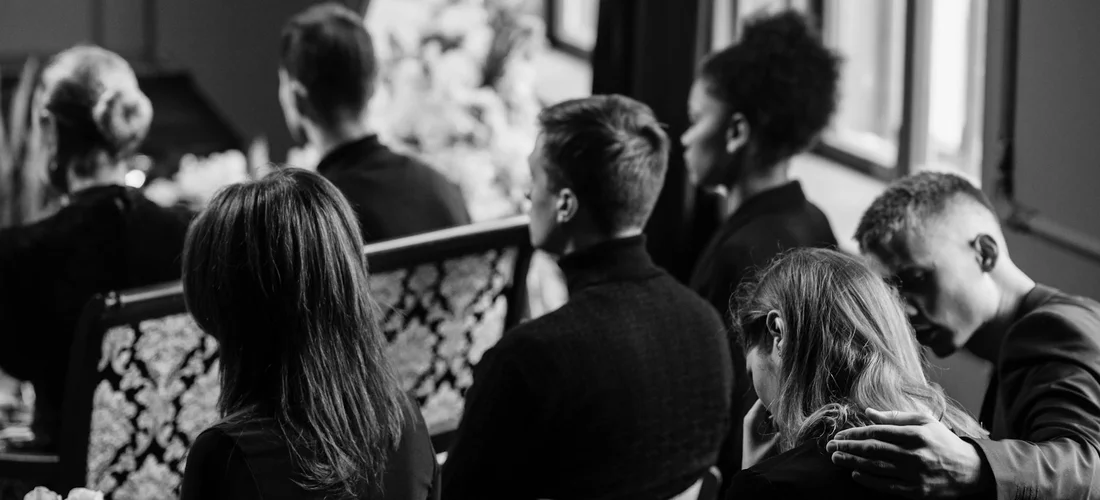
A funeral procession is not just a line of cars. It is a final act of honor, shaped deeply by what a person believed and how they lived. Cultural traditions, religious faith, and personal wishes all direct its form, from a quiet walk to a formal motorcade. Understanding the roles and etiquette of procession participants helps families honor the deceased with dignity. These guidelines influence who leads, who follows, and how mourners move together.
Understanding the different types can help you choose what feels right or respectfully recognize what you see.
The Traditional Hearse-Led Procession
This is the form most people picture. A hearse, carrying the casket, leads the way. Family vehicles follow immediately behind, with other mourners’ cars forming a line after them.
This procession serves as a visual and communal signal of mourning, common in secular services and many Christian traditions. Its steady, unified pace from the service to the cemetery creates a space for collective grief and respect on the road.
Religious and Cultural Processions
Many faiths incorporate walking as an act of humility and final accompaniment. In some Hindu and Buddhist traditions, mourners may walk behind the casket to the cremation grounds. Certain Muslim burials emphasize a swift, simple procession directly to the gravesite.
One of the most distinct cultural processions is the New Orleans jazz funeral. It begins with a solemn dirge and a first line of family and the band. After the burial, the mood transforms into a celebratory “second line,” where the band plays upbeat jazz and the community dances to honor the life lived.
If you ever witness a second line in New Orleans, you may watch or join respectfully at the edges. It is a public celebration of life, and your quiet observation or respectful participation honors the tradition.
Military and Honor Guard Processions
These processions are defined by precise ritual and honor. A flag drapes the casket, which may be carried on a horse-drawn caisson for high-ranking officers. A military honor guard marches in step, and a formal escort, often including police, ensures an unimpeded journey.
The key difference from a civilian procession is the structured ceremony: the uniformed pallbearers, the playing of “Taps,” and the three-volley rifle salute. Every movement is a formal tribute to service, making the procession itself a central part of the funeral rites.
Green and Personalized Corteges
For those seeking a lower environmental impact or a highly personal touch, the procession adapts. A walking or bicycle cortege eliminates vehicles entirely. A horse-drawn hearse offers a timeless, gentle pace.
I have seen processions led by a beloved motorcycle club or followed by a line of vintage tractors. The vehicles chosen can reflect a personal passion, turning the procession into a final, moving tribute to the story of a life.
Understanding Specific Funeral Procession Terminology
The language used by funeral directors can feel unfamiliar. Knowing these terms helps you feel more confident in planning conversations and understanding the steps involved.
Core Terms: Cortege, Hearse, and Pallbearers
The word “cortege” is simply another term for the entire funeral procession, embracing all the vehicles and participants. It carries a slightly more formal tone than “procession.”
The hearse is the specialized vehicle designed to transport the casket. It is often the visual focal point. Ahead of it, you might see a “funeral lead car” or “pilot car,” which guides the way for the entire line.
Pallbearers are the people chosen to carry the casket. Their duty is one of physical and honorary support. The word “pall” refers to the large cloth, often velvet or linen, that is draped over the casket during the service. In many traditions, pallbearers also take on ceremonial duties during the service. These rites and roles, central to pallbearers duties and traditions, help honor the deceased and support the family.
Vehicle Terminology: Lead Car, Family Car, Convoy, and Train
The lead car (or pilot car) is driven by the funeral director. It leads the procession, often with its headlights on, signaling to other drivers the solemn nature of the line following it.
Immediately behind the hearse is the “family car” or “first car,” which transports the immediate mourners, usually the closest family members. This placement signifies their primary role in the rites.
People sometimes refer to a long line of mourners’ vehicles as a “funeral convoy,” a more modern, descriptive term. The phrase “funeral train” is used historically or for ceremonial processions involving actual railway cars, though it is less common today.
Note on Etiquette: Guidance for Participants and the Public
Witnessing or joining a funeral procession can feel uncertain. Knowing what to do is a simple act of respect for the mourners and the person they have lost.
If you are driving and encounter a procession, the most important rule is to yield. Please do not cut into or break the line of vehicles, even if there is a gap. Treat the entire procession as a single entity. In many areas, it is customary for other drivers to pull over to the side of the road and stop until the procession passes.
Turning on your headlights is a widely recognized, silent sign of respect and solidarity. It helps identify the procession on the road. As for honking, the general rule is clear: do not honk. The exception is for specific cultural traditions, like the joyful, music-filled second lines of a New Orleans jazz funeral, where sound is part of the celebration.
For those in the procession, your role is to stay together. Follow the lead car or hearse closely. Your funeral director will provide instructions, but generally, you should drive with your headlights on and follow the vehicle in front of you, maintaining a close but safe distance. This is a key aspect of funeral car procession etiquette, designed to keep the group cohesive as it moves through traffic and intersections. By staying coordinated and respectful, you help ensure a solemn, orderly arrival for everyone involved. Police or funeral staff will often assist at intersections to keep the procession moving smoothly.
Alternative Options: Honoring a Unique Life
Not every life follows a traditional path, and neither must every funeral. For those seeking a different way, meaningful alternatives exist that honor a person’s spirit.
A green burial cortege, for instance, might be quieter and simpler. The vehicle could be a rustic farm truck or a hand-drawn cart. The destination is a natural burial ground instead of a cemetery. This reflects a commitment to the earth and a gentle return.
Some choose a stationary “procession.” Imagine a flag line of honor guards, or a gathering of friends forming a silent pathway at the venue entrance. Others hold a “walk of remembrance” where people share stories instead of driving in cars.
For loved ones who cannot be there physically, a virtual gathering can serve as a digital procession. People might share photos or light candles online at a specific time, creating a wave of remembrance across miles.
I have helped families plan each of these. The most meaningful procession is not the most common one, but the one that feels uniquely true to the person being remembered. Your guide should always be what best honors a singular, well-loved life.
Frequently Asked Questions
What are the key differences between a military and a civilian funeral procession?
A military procession is defined by structured protocol, such as uniformed pallbearers, a flag-draped casket, and ceremonial honors. A civilian procession, while equally respectful, typically follows a more flexible format focused on family and personal tradition.
How do cultural or religious traditions specifically influence a funeral procession?
Traditions directly dictate core elements, such as whether the procession is a walk or a motorcade, its pace, and the rituals performed along the route. These practices turn the journey into a specific act of faith and communal respect for the deceased, reflecting funeral ceremonies, rites, culture, and religion.
What is the meaning of the terms ‘funeral convoy’ and ‘funeral train’?
‘Funeral convoy’ is a modern term describing the line of mourners’ vehicles, emphasizing its collective nature. ‘Funeral train’ is a more historical term, typically reserved for a ceremonial procession that includes railway transportation.
Parting Reflections on Funeral Processions
Choosing a funeral procession that feels right for your loved one is the most meaningful step you can take. Be mindful of funeral procession traffic laws and etiquette to ensure a respectful, safe procession. Let the terminology guide you, but always trust what brings your family comfort and closure.
Carrying this knowledge forward, I hope you feel empowered to seek dignified care and explore gentle, eco-friendly options for all Funeral Needs. Your continued attention to Funeral Care and Funeral Questions is a profound act of love and responsibility. Consider how a green, eco-friendly funeral can honor life while protecting the planet. I invite you to explore eco-conscious options as part of your planning.
Emiliana Dieter
Emiliana is an author at The Valedictory. She is an experienced funeral care advisor and arranged and organized many funerals as part of her end of life consulting services. She has over 8+ years in the funeral industry managing her family funeral business and helping families cope with the loss of their loved ones. Her articles answer any and all questions you might have regarding funeral arrangements, costs, preparations, etc so you can make this a seamless experience.