
Understanding Average Funeral Costs and Creating a Compassionate Financial Plan
When a loved one dies, the thought of funeral expenses can feel heavy and confusing. You are not alone in wondering where to begin.
This guide offers clear, step-by-step advice from my years in funeral care. We will explore: current average funeral costs, a detailed breakdown of services, and practical ways to build a financial plan that protects your family.
Key Takeaways: Compassion and Clarity First
If you are reading this while grieving, your mind may feel clouded. That is a natural part of loss. Please know that the details ahead, while practical, are presented with care for your state of heart.
Funeral costs can feel like a heavy, confusing burden. They do not have to be. With a clear plan, these expenses become manageable. A funeral costs expenses guide can provide a clear budget and breakdown to navigate options. It can help you compare providers and understand what’s typically included. You are not alone in figuring this out.
By law, every funeral home must provide you with a detailed price list, and you have every right to ask for it and to compare options. This is not being difficult. It is a responsible and caring step for yourself and your family. Some common pricing myths can mislead families. With funeral home pricing myths debunked, we show you how to compare quotes with confidence.
Creating a financial plan for final expenses is, ultimately, an act of profound love. It is a final gift that protects your loved ones from uncertainty and additional stress during a painful time.
A Quick Snapshot: Comparing Service Types and Costs
The choices available can seem similar, but costs vary significantly based on the services you select. This table offers a starting point for comparison.
| Service Type | Average Cost Range | What’s Typically Included |
|---|---|---|
| Traditional Funeral with Burial | $7,000 – $12,000+ | Professional services, embalming, viewing/visitation, ceremony at funeral home, hearse, burial casket, transfer of remains. Does not include cemetery plot, headstone, or vault. |
| Traditional Funeral with Cremation | $5,000 – $8,000+ | Professional services, embalming, viewing/visitation, ceremony at funeral home, cremation casket or rental, crematory fees, basic urn. A traditional service, but with cremation following. |
| Direct Burial | $2,000 – $4,000+ | Professional services, basic casket, transportation to the cemetery, and burial. No embalming, viewing, or ceremony with the body present. |
| Direct Cremation | $1,000 – $3,000+ | Professional services, transportation, necessary permits, and the cremation itself. A basic container is used. This is the simplest option, with no services beforehand. |
Please remember, these are national averages. Your final costs will be deeply influenced by your location, the specific funeral home you choose, and the merchandise you select. A funeral in a major city often costs more than one in a rural town. Always ask for an itemized quote.
What Makes Up the Average Funeral Cost?
Think of a funeral bill like a detailed receipt from a very specialized service. It lists every individual item, from the director’s time to the flowers. This breakdown is called the General Price List, and every funeral home is required by law to give you one. Understanding this list is your first step toward making clear, unpressured choices.
The largest single charge is usually the professional service fee. This covers the funeral director’s and staff’s expertise. It includes planning, securing permits, coordinating with the cemetery, and guiding your family. This fee is for their knowledge and the weight they carry so you don’t have to. This awareness fits into a broader funeral costs high expenses guide you may consult later. It helps families anticipate total costs and plan accordingly.
Body preparation is another category. If you choose a viewing, this often involves embalming and dressing. There are also fees for the care of the body before the service, which is a continual, respectful process. The use of facilities for a visitation or the funeral ceremony itself is a separate line item.
Then comes merchandise. This is the casket or the urn. These costs vary widely based on material and design. A simple wooden casket serves the same purpose as a polished bronze one. Choose based on what feels right for your loved one and your budget, not on pressure.
Essential services form the final part. This includes transportation in the hearse and a limousine for the family. It also covers the cost of the death certificates and any other required permits. These are the quiet, necessary tasks that must happen.
Understanding Costs for Burial and Cremation
A traditional burial often includes costs beyond the funeral home’s services. You will need a cemetery plot, which is its own significant purchase. Many cemeteries require a concrete vault or liner to be placed in the ground. The headstone or marker is a separate cost, often arranged through a monument company.
Cremation costs are typically lower, but they have their own considerations. The fee covers the cremation process itself and the use of the crematory. You will need to choose an alternative container for the cremation and an urn for the ashes afterwards. If you wish to have a memorial service with the urn present, facility fees would apply.
Location deeply affects price. The costs for a service like cremation in the Philippines or a burial in New Zealand depend on local customs, regulations, and the providers available. A rural community will have different economics than a large city. Always ask for a detailed list from providers in your specific area.
Creating a Financial Plan: A Step-by-Step Guide
Planning for this expense is not morbid. It is a profound act of care. It protects your family from financial stress and difficult decisions during a time of grief. I have seen the relief it brings. This planning is a gift of clarity and peace for those you love.
Begin by quietly assessing what you have. Look at current savings that could be designated for this purpose. Consider any existing funds, like a small life insurance policy or a savings account. The goal is to get a calm snapshot of your available resources.
Next, gather information. Contact three local funeral homes and ask for their General Price List. You can do this by phone or email, no obligation. Place the lists side by side. Compare the professional service fees, the cost of a simple casket, and their basic cremation package. The differences can be surprising, especially when looking into funeral home cremation costs.
Now, set a realistic budget. Use the cost breakdown you now understand. If burial is your wish, remember to budget for the plot and headstone. If you prefer cremation, factor in the cost of an urn. Your budget should be a guide that reflects your values, not a source of strain. It allows you to talk with a funeral director from a place of confidence, knowing you’ve considered affordable funeral options.
Your Options for Covering the Costs
Personal savings is the most straightforward method. Setting aside money in a dedicated account gives you full control. Some funeral homes also offer payment plans. These allow you to spread the cost over months or years, which can ease the immediate burden.
Final expense insurance is a small whole-life policy designed for this purpose. You pay premiums, and when the time comes, the benefit goes directly to cover your funeral. Pre-need plans are contracts with a specific funeral home to lock in today’s prices for future services. Some people use pre-need plans final expense insurance to cover different parts of the funeral costs. Read any contract carefully to understand what is guaranteed and what is not.
You can also use a standard life insurance policy by naming a trusted beneficiary. A payable-on-death bank account is another simple tool. You place funds in an account and name a beneficiary who can access them immediately with a death certificate. This provides quick, private access to needed funds without probate.
Common Mistakes to Avoid When Planning
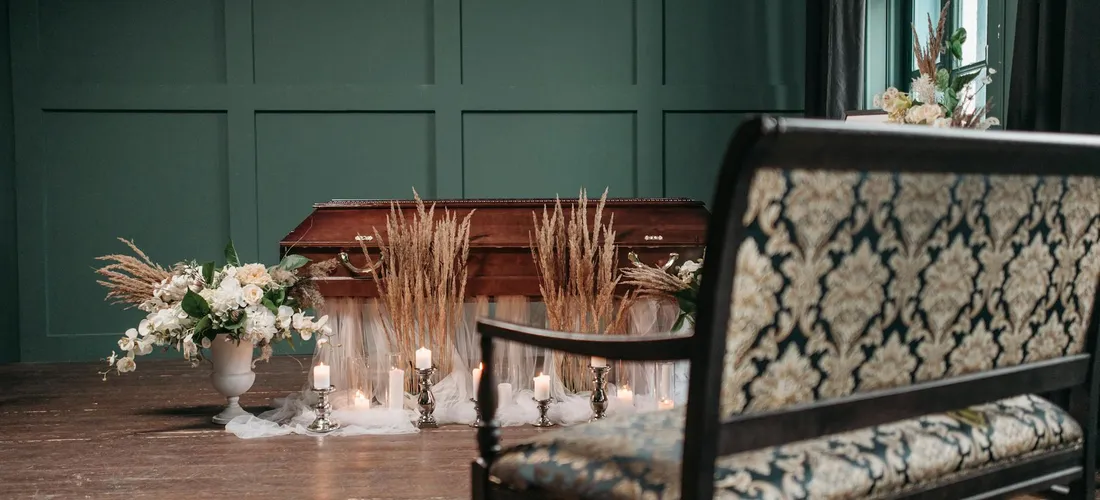
Grief has a weight that can cloud our judgment. In the immediate days after a loss, the pressure to make decisions can feel immense. Allowing yourself even a short pause before finalizing arrangements can prevent choices made from pure emotion, which often lead to overspending on items you may later regret.
Funeral homes are legally required to provide a detailed, itemized price list. You must ask for it. I have seen families presented with a single, large number that feels impossible to question. Requesting an itemized statement is not being difficult; it is your right as a consumer and a crucial step for understanding what you are paying for.
A “package” price can seem simple and convenient. Always ask what it does and, more importantly, does not include. Common exclusions are cash advance items like cemetery fees, obituary publications, or flowers. A package might cover the funeral home’s services but leave you with several other significant bills.
Funeral homes must accept a casket or urn you purchase elsewhere. You can often find a simple, dignified casket from a third-party retailer for a fraction of the cost of those displayed in a funeral home’s selection room. The same is true for urns. Do not feel pressured to choose from only what is presented to you on site.
Finding Help When Funds Are Limited

Please know that struggling to pay for a funeral is a common and deeply stressful experience. You are not alone in this worry. There are pathways to seek help, and exploring them is an act of love and responsibility.
Start by asking the funeral director directly about any local or state indigent burial programs. These are designed for situations of genuine financial need. If the death was related to a declared disaster, FEMA may offer funeral assistance. The application process requires documentation, but it can provide vital relief.
Look to your community. Religious congregations, fraternal organizations like the Elks or Masons, and veteran’s groups often have benevolent funds to assist members and their families. Crowdfunding platforms have also become a modern way for communities to rally support. Do not hesitate to let a trusted friend organize this on your behalf.
Speak openly with funeral homes about your financial constraints. Some homes maintain charity funds or offer sliding scale fees because they believe every person deserves a dignified farewell. They cannot help if they do not know you need it. A compassionate funeral director will want to work with you to find a feasible solution.
Practical Ways to Manage and Reduce Costs
Managing funeral expenses is a common concern, and it does not mean sacrificing respect or love. It is about making clear choices that honor both the person who has died and the needs of the living. Exploring pay funeral expenses options can provide practical ways to fund a respectful farewell. In the next steps, we’ll outline these options and how they might fit your circumstances.
You can create a service that feels complete without overwhelming financial strain. My advice comes from walking many families through this process, always seeking that balance of meaning and practicality.
Consider a Simplified Service
Many funeral homes offer direct burial or direct cremation. This is a simpler arrangement where the practical care of the body is handled without a formal viewing or ceremony beforehand. For someone weighing options, a funeral home direct cremation comparison can highlight price and what’s included. It can also show how timing and transfers vary by provider.
Choosing this path can significantly lower costs while still ensuring professional, dignified care. It allows your family the freedom to gather and remember in your own way, at your own pace, which can sometimes feel more personal.
Choose a Personal Venue
Funeral home chapels are a traditional choice, but they are not the only option. You have the right to hold a memorial service wherever it feels right.
Consider a family home, a backyard, a community center, or a place of worship that does not charge a high fee. A familiar, personal space often provides the deepest comfort, and the savings on venue costs can be substantial. The focus stays on sharing stories and support, which is the heart of any gathering.
Shop for a Casket or Urn Separately
This is a point I stress to every family I counsel. Funeral homes are required by law to accept a casket or urn you purchase elsewhere.
You can find reputable third-party retailers online or locally. Comparing prices from different sellers is your legal right and is one of the most effective ways to control this specific cost. The funeral home cannot refuse it or charge you a handling fee.
Focus on Meaningful Tributes
Expensive flowers and printed programs are not what make a farewell meaningful. What people remember is the feeling in the room, the words that are spoken, the music that was loved.
Encourage guests to share a memory instead of sending a large arrangement. Create a simple memory table with photographs and personal mementos. A tribute filled with genuine personal touches will always resonate more deeply than the most costly, impersonal display. This approach honors a life truly lived.
Frequently Asked Questions
What factors cause the most variation in funeral costs?
The biggest variables are your geographic location and the specific service provider you choose. Your personal selections, such as the type of casket or whether you include a viewing, also significantly influence the final total.
What is the very first financial step to take after a loved one dies?
Before making any commitments, calmly request a detailed General Price List from a few local funeral homes. This allows you to compare itemized costs without pressure, ensuring you understand exactly what you are paying for.
Can I really have a meaningful service if I choose a simpler option like direct cremation?
Absolutely. A meaningful farewell is about honoring a life, not a specific service package. You can always plan a separate memorial gathering at a personal venue, which can be equally heartfelt and often more affordable.
Parting Reflections on Funeral Costs and Planning
Begin by understanding the average funeral costs to set a realistic budget. Creating a financial plan now can spare your family from difficult decisions during a time of grief. Budgeting for reasonable funeral costs is a crucial step in this process.
I urge you to consider dignified care and eco-friendly alternatives as part of your preparations. Continuing to learn about Funeral Care, Funeral Needs, and Funeral Questions will help you make choices that honor both the departed and the living.
Emiliana Dieter
Emiliana is an author at The Valedictory. She is an experienced funeral care advisor and arranged and organized many funerals as part of her end of life consulting services. She has over 8+ years in the funeral industry managing her family funeral business and helping families cope with the loss of their loved ones. Her articles answer any and all questions you might have regarding funeral arrangements, costs, preparations, etc so you can make this a seamless experience.