
How Long Does It Take for a Body and Casket to Decompose After Burial?
When you ask about decomposition after burial, you are touching on a quiet, natural process that many wonder about with a mix of curiosity and care.
This article provides a clear, compassionate look at what influences this journey. You will learn about soil conditions, casket materials, burial depth, and the local climate.
What Happens to a Body Inside a Casket Over Time?
In the first days and weeks after burial, a quiet, natural process begins. The body’s own cells and the bacteria that naturally live within us start a gentle transformation. Think of it as nature’s way of returning what was borrowed, a slow and steady unfurling of life back to the earth.
This process is not sudden or violent. It is a gradual, biological change. Opening a casket at any stage interrupts this private, natural progression. It can also expose loved ones to sights and realities that may be deeply unsettling, which is why it is so rarely advised after the funeral service has concluded.
The Early Changes: From Weeks to a Year
Inside the protective space of the casket, the initial stages of decomposition are often slower than you might imagine. A sealed metal or sturdy wooden casket creates a temporary environment that shields the body from immediate contact with soil and insects.
This can delay the visible changes for months. During the first year, the process is largely internal, driven by the body’s own chemistry and microorganisms. The casket acts as a quiet chamber where nature works at its own measured pace.
The Longer Journey: From Years to Decades
Over several years, the body inside the casket gradually progresses toward skeletonization. Soft tissues slowly break down, a process that can take a decade or more depending on the conditions sealed inside.
Simultaneously, the casket itself begins its own interaction with the earth. A wooden casket will start to soften and decay, allowing more moisture and soil to enter. A sealed metal casket may hold its form for many decades, but even it will eventually succumb to rust and corrosion, allowing the natural cycle to continue.
Key Factors That Change the Timeline of Decomposition
The timeframe for decomposition is not a fixed schedule. It is a variable process shaped by several key conditions, from the choices we make to the land itself.
The Casket’s Role: Wood, Metal, and Biodegradable Materials
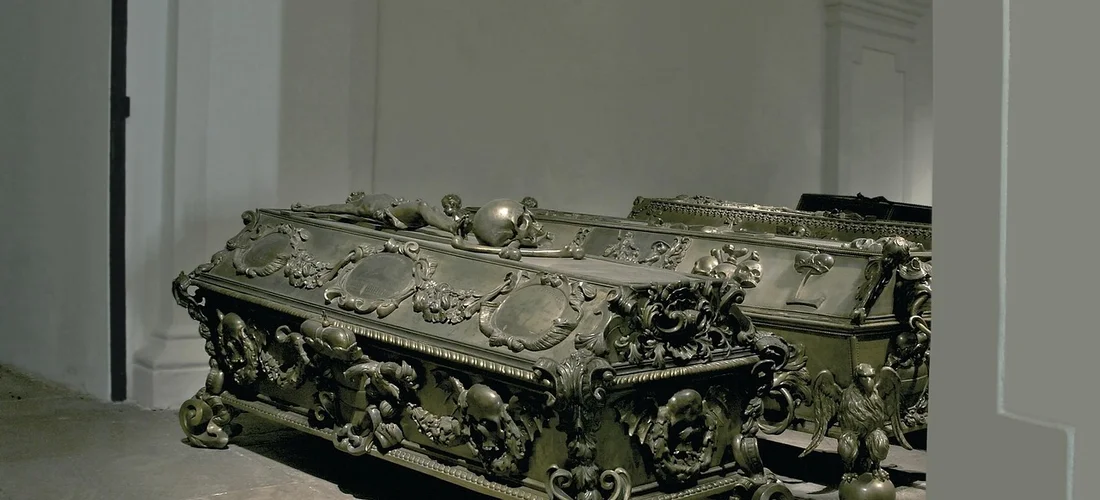
The type of casket chosen is one of the most significant factors. A sealed metal casket, often with a rubber gasket, is designed to be a strong barrier. It can dramatically slow the entrance of water and soil, preserving the interior environment for many years, sometimes decades.
A traditional wooden casket offers less resistance. It will break down more quickly, typically within a few years to a couple of decades, allowing earth and microbes to interact with the body sooner. A fully biodegradable casket, made of materials like willow or cardboard, is designed to accelerate this return, often breaking down within a year or two to facilitate a natural reunion with the soil.
The Impact of Embalming and Other Preparations
Embalming is a temporary preservation process. The chemicals used slow down bacterial growth and tissue breakdown, which can add months or even a year or two to the initial stages of decomposition within the casket. It is important to know that embalming does not stop decomposition permanently, it simply delays the start of the natural process. Further details cover the typical embalming process steps and the tools and chemicals used. This helps readers understand how each stage contributes to preservation.
Other gentle factors play a role. The type of clothing, whether a burial shroud or a suit, can affect the rate. A person’s size and health at the time of death also influence the timeline, as the body follows its own inherent biological pathways.
Earth, Water, and Climate: The Grave’s Environment
The conditions in the ground have a profound effect. Sandy, well-drained soil allows for more air and water movement, which can speed up decomposition. Heavy, dense clay soil retains water and limits air, which can slow the process considerably.
Moisture and temperature are the great regulators. Warm, damp conditions create an active environment for the microbes and organisms that facilitate breakdown. Cold, dry conditions put everything into a state of slow suspension.
Dry, Arid Conditions vs. Damp, Cool Soils
In a hot, arid desert environment, the lack of moisture can lead to natural mummification, where tissues dry out and remain for a very long time. In contrast, the constant, cool dampness of a deep forest soil or a high-water-table area can hasten the breakdown of both the casket and the body within it.
How Deep Burial Changes Conditions
Burial depth influences all these environmental factors. A shallower grave is more affected by surface temperature swings, frost, and plant roots. A deeper grave, usually five to six feet, reaches a more stable soil temperature and moisture level. This deeper, steadier environment generally supports a slower, more consistent pace of decomposition than the variable conditions near the surface.
How Long Before Bones Remain, and What Happens to Them
After burial, the soft tissues of the body break down first. This leaves the skeleton behind, a process that often takes between ten and fifty years. The pace of body decomposition can vary based on several factors, including whether the burial was in a casket.
The timeframe varies with soil conditions and casket type. In my experience, skeletonization usually becomes complete after several decades.
Bones then begin their own slow journey. They do not decompose quickly like softer materials.
Instead, bones can last for many decades or even centuries. They gradually become lighter and more brittle as minerals slowly leach into the soil.
This final stage is a gentle, centuries-long return to the earth.
I often remind families that bones are the last physical connection. They are more than a clinical term like “remains.”
They represent a lasting, quiet presence in the ground. It is a natural process that honors the body’s final transition.
Considering the Earth: Environmental and Legal Perspectives
Many people today consider the environmental impact of burial. Traditional metal caskets and concrete vaults are very durable. Understanding the durability and expected lifespan of burial vaults can inform greener burial choices. Different vault materials offer different lifespans and performance.
Their strength can also slow the natural decomposition process. These materials may not break down for a very long time.
This is a personal choice for every family. Some prefer options that allow for a quicker, more natural return to the soil.
Cemetery laws also shape what happens underground. Most places have rules about how deep a casket must be buried. These rules are often summarized in casket burial depth guidelines. They vary by jurisdiction, but they provide clear targets for planning and compliance.
They often require an outer container, like a concrete vault. This is to prevent the ground from sinking over the grave.
These regulations exist primarily for public health and to maintain the cemetery’s stability.
I find that knowing this can bring reassurance. The rules help ensure cemeteries remain peaceful, well-kept places for remembrance.
They are designed with care for the community and for the land itself. Your loved one’s resting place is protected by thoughtful practice.
Alternative Options for a Natural Return
For individuals seeking a simpler, more direct return to the earth, green or natural burial is a conscious choice. This path allows for a faster and gentler decomposition process, free from the barriers of metal or sealed wood. In a traditional green burial comparison, you can see how it stacks up against conventional burials in terms of materials, embalming, and ecological footprint.
Imagine a burial in a dedicated natural meadow. The body is cared for using a simple cotton shroud or a casket made from willow, seagrass, or untreated pine. These materials are chosen because they break down readily in the soil.
These burials take place in specially designated grounds where the landscape is preserved to support native grasses and trees. The grave is often shallow, which encourages natural decomposition by soil organisms and elements.
This practice is not a new trend. It is a return to an older, more earth-connected way of caring for our dead. For generations, many cultures laid their loved ones to rest in a similar, unadorned embrace with the land.
A Personal Perspective: The Comfort in Nature’s Rhythm
I have sat with many families who feel a deep anxiety about what happens in the ground. My own experience with loss has taught me to listen to these fears without judgment.
There is a quiet comfort in recognizing that we are part of a natural cycle. When we understand that the body can nourish the soil and support new life, the grave can feel less like an end and more like a transformation.
This knowledge does not erase grief, but it can sometimes ease a specific, heavy worry about permanence. I have seen shoulders relax when this rhythm is acknowledged.
In the end, what truly endures is not the physical form. It is the memory of a laugh, the legacy of a kind act, and the love that continues to grow in those left behind.
Compassionate Answers to Common Questions
How does embalming affect the decomposition timeline?
Embalming is a temporary preservation process intended primarily for viewing purposes. It gently delays the start of natural decomposition by several months to a few years, but it does not prevent it indefinitely. Preservation duration depends on the specific embalming method and subsequent handling. Factors like technique, sealants, and environmental conditions influence how long stabilization lasts.
What environmental conditions most affect the rate of decomposition?
Warm, moist, and oxygen-rich soil environments will accelerate the natural process, while cold, dry, or waterlogged conditions will significantly slow it down. The local climate and soil type around the grave are the most influential factors.
Are there legal or environmental concerns with how a casket and body decompose?
Cemetery regulations, like required burial depth or outer containers, exist to ensure ground stability and public health, not to dictate the natural process. Understanding cemetery plot burial regulations can help you plan within a specific plot and coordinate with the cemetery’s requirements. Many choose green burial options for a lighter environmental footprint, as these allow for a simpler, quicker return to the earth.
Honoring the Journey After Burial
The most meaningful guidance I can give is to understand that decomposition is a natural process with no single timeline. Your thoughtful choices about casket materials and burial conditions can gently honor this passage.
I encourage you to approach every decision with dignity, exploring eco-friendly options that care for both memory and earth. Let your questions about Funeral Care, Funeral Needs, and Funeral Questions lead you toward continued learning and peace.
Deep Dive: Further Reading
- Decomposition – Body Changes – The Australian Museum
- How Long Does It Take for a Body to Decompose in the Casket? – Titan Casket
- Corpse decomposition – Wikipedia
- Stages of decomposition – The Australian Museum
- Deadly or Just Dead? The 5 Stages of Human Decomposition – Alabama Bio Clean
Emiliana Dieter
Emiliana is an author at The Valedictory. She is an experienced funeral care advisor and arranged and organized many funerals as part of her end of life consulting services. She has over 8+ years in the funeral industry managing her family funeral business and helping families cope with the loss of their loved ones. Her articles answer any and all questions you might have regarding funeral arrangements, costs, preparations, etc so you can make this a seamless experience.