
Understanding Why the Body Moves During Cremation
Questions about the cremation process often come from a place of deep care. It is natural to seek clarity about what happens, especially when stories of movement arise.
I will explain the physical and scientific aspects with care. We will explore the stages of cremation, the body’s natural responses to intense heat, the simple reasons for any movement, and how modern practices prioritize dignity above all.
The Gentle Science of Cremation: A Step-by-Step Guide
A Defined and Dignified Process
Modern cremation is a controlled, mechanical process that uses intense heat to reduce the human body to bone fragments. Before this ever begins, there is a quiet protocol of care, from verifying identification to preparing the body with respect.
I have seen how this procedural dignity offers a gentle framework for families. It transforms a moment of profound loss into one of orderly transition.
From Preparation to Ashes: The Journey in the Chamber
The body is placed alone into a special furnace called a retort. The chamber door seals, and temperatures rise to between 1400 and 1800 degrees Fahrenheit.
In that fierce, dry heat, soft tissues and organic matter vaporize. Water evaporates quickly, and muscles, skin, and organs are consumed by the flames. What remains after several hours are calcified bone fragments, brittle and pale.
These fragments are then carefully cooled and processed into a fine, sand-like powder, which we call cremated remains or ashes. The entire journey is monitored with precision, ensuring a reverent and complete transformation.
Addressing Movement: The Physical Reactions Explained
Many people quietly wonder, do bodies move during cremation? The answer, stated gently, is yes-some movement can occur. It is a normal, physical reaction to extreme heat, not something to fear.
Understanding why this happens can bring a measure of peace. It is simply the body’s final, involuntary response.
What Causes the Body to Move During Cremation?
The primary cause is the rapid contraction of muscles and tissues as they lose moisture. Think of how a piece of wood can warp or shift in a fireplace as it dries and burns.
This movement is a purely mechanical event, with no consciousness or sensation involved. It is a natural part of the process, witnessed and understood by every trained crematory operator.
Is the Movement During Cremation Due to Muscle Contraction?
Yes, the science is straightforward. Intense heat desiccates the body, causing muscles and tendons to contract and shorten. This can pull on joints and limbs.
This contraction can sometimes cause a torso to arch or limbs to shift. So, can a body sit up during cremation? It is one possible result of this tightening, a brief and lifeless motion like a sigh in the flames. It is not a conscious act, but a physical inevitability. These moments have fed widespread cremation myths. The cremation myths debunked section explains the facts behind these claims.
What Physical Reactions Occur That Cause Motion?
Beyond muscle contraction, other forces are at work. As tissues break down, built-up gases may be released, which can cause subtle shifts. The softening of joint ligaments in the heat can also allow limbs to settle into a different position.
These releases can sometimes create soft popping or sighing sounds, which are also normal. Trained professionals anticipate these sights and sounds, working with a calm awareness that honors the process. There is no distress, only science following its gentle, inevitable course.
Common Concerns and Myths Gently Addressed
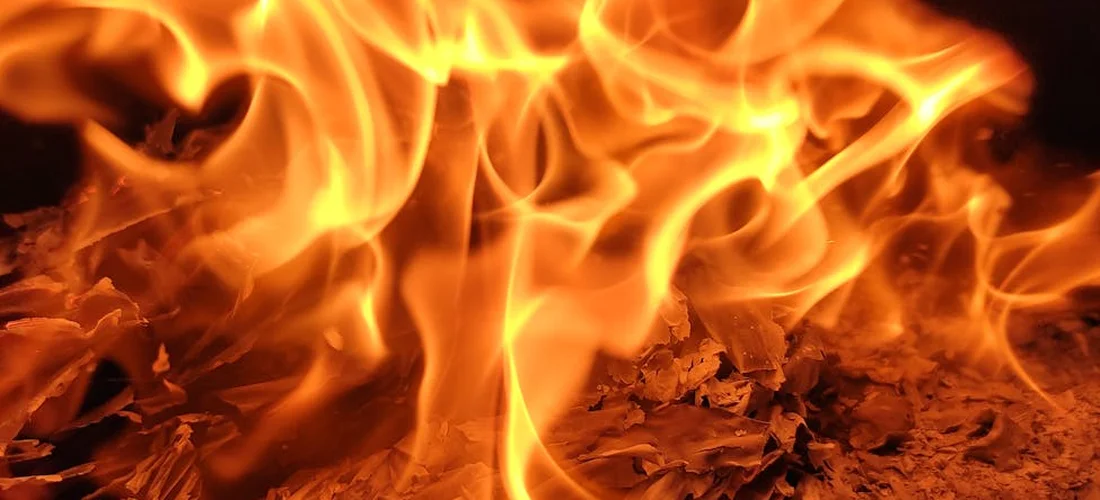
It is natural to have questions about this process. Many people find their minds turning over the same details, wondering if what they imagine is true. I have heard these questions many times, and answering them with simple facts can bring a measure of peace.
Let us gently address two of the most common concerns.
Can a Dead Body Move After Embalming?
This question often comes from a place of worry, mixing two different processes. It helps to separate them clearly.
Embalming is a method of temporary preservation. It involves treating the body with chemicals to slow decomposition for a viewing or service. These preparations aim to preserve a lifelike appearance for viewing. By slowing decay, the process helps maintain facial features for a respectful service. This process is complete before cremation would ever begin.
The movement sometimes seen during cremation is solely due to the intense heat acting on the muscles and tissues, and it has no connection to the embalming fluids. They are separate events. The dignified care taken in preparation is its own act of respect, finished long before the cremation chamber is used.
Do Bodies Make Noise During Cremation?
This is perhaps the most sensitive question, and I answer it with great care. Yes, there can be sounds.
You might hear a soft sigh or a quiet popping. These sounds are not what you fear. They are the normal physical results of extreme heat. Air and moisture trapped within body cavities or soft tissues expand rapidly and are released.
To the professionals who oversee the process, these sounds are expected and understood, simply part of the physical transformation taking place. Knowing this can sometimes ease the distress of the unknown. The process, while mechanical in its physics, is handled with constant professionalism and reverence.
When to Call a Funeral Director: The Role of Professional Care
You are not expected to navigate these details alone. A licensed funeral director is your guide and caretaker through all of it.
Families are typically not present during the cremation process itself. This is for both emotional and practical safety reasons. The entire procedure, from the moment your loved one is transferred into care until you receive the cremated remains, is managed by trained professionals. Some families choose a family-present cremation process, arranged with the facility. Guidance and arrangements are provided to ensure safety and dignity.
This professional handling is a legal, ethical, and safety requirement, designed to ensure dignity and proper procedure at every single step. Their role is to bear the weight of these logistical responsibilities so you can focus on remembrance and grief.
If any question, no matter how small, enters your mind, your funeral director is the right person to ask. A good question asked for peace of mind is never a burden. It is part of their duty to provide clarity and comfort, helping you understand the care your loved one is receiving.
A Personal Perspective: Finding Peace in Understanding
In my years accompanying families, I have seen how the unknown can weigh heavily on a grieving mind. The technical details of cremation can feel cold and frightening when you are already carrying so much. If you’re navigating loss, grief support through cremation decisions can provide gentle guidance. It can help you honor your loved one while caring for your own healing.
I have found that for many people, understanding what happens can quiet the anxious imagination and replace fear with a sense of calm. Knowing the facts allows you to separate the natural physical process from the spiritual memory of your loved one.
The sounds or movements described are not signs of distress. They are simply the physics of intense heat acting upon the materials we are all made of, from water to bone.
Seeing this as a final, natural transformation can be a source of comfort, much like watching leaves return to soil. It is a dignified conclusion to the body’s journey, handled with deliberate care and respect at every step.
We ensure this reverence through strict procedures. The body is cremated alone, in a clean chamber, and the remains are carefully processed into a consistent ash, especially when disposing of cremated remains.
This meticulous care is our solemn promise to honor the person you loved through the entire process. My hope is that this knowledge offers you a measure of peace during a difficult time.
Common Questions About Movement During Cremation
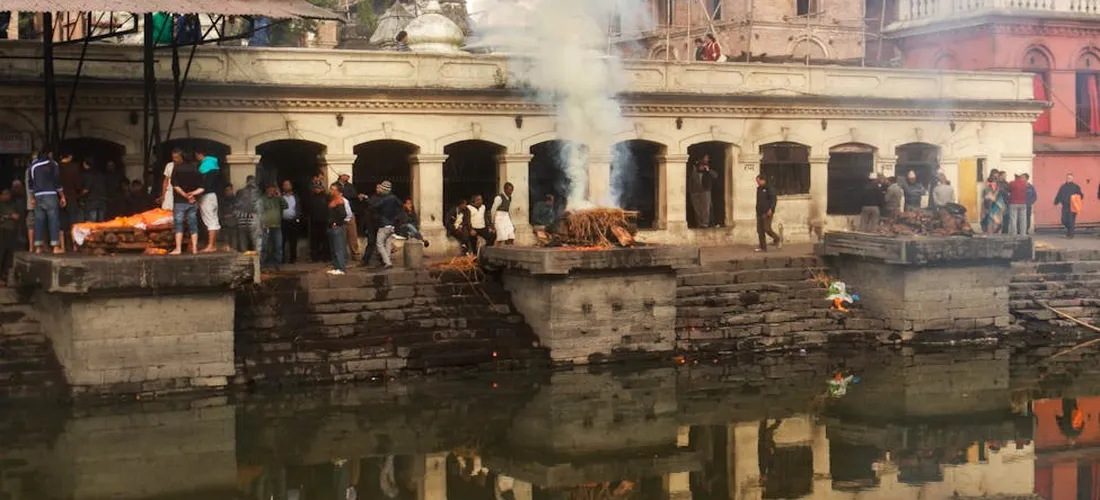
Is the movement a sign of consciousness or pain?
Absolutely not. Any movement is a purely physical, involuntary reaction to intense heat, with no consciousness or sensation involved. It is a natural mechanical process, occurring after all vital functions have ceased.
Do professionals expect and understand this movement?
Yes, trained crematory operators are fully aware that these physical reactions can occur. They are a normal part of the cremation process and are handled with predictable, professional calm and continued reverence.
Does this movement affect the dignity of the process?
Not at all. The entire process is governed by strict protocols that prioritize respect. The scientific reality of these physical reactions in no way diminishes the consistent, dignified care provided from beginning to end.
Parting Reflections on What Happens to the Body During Cremation
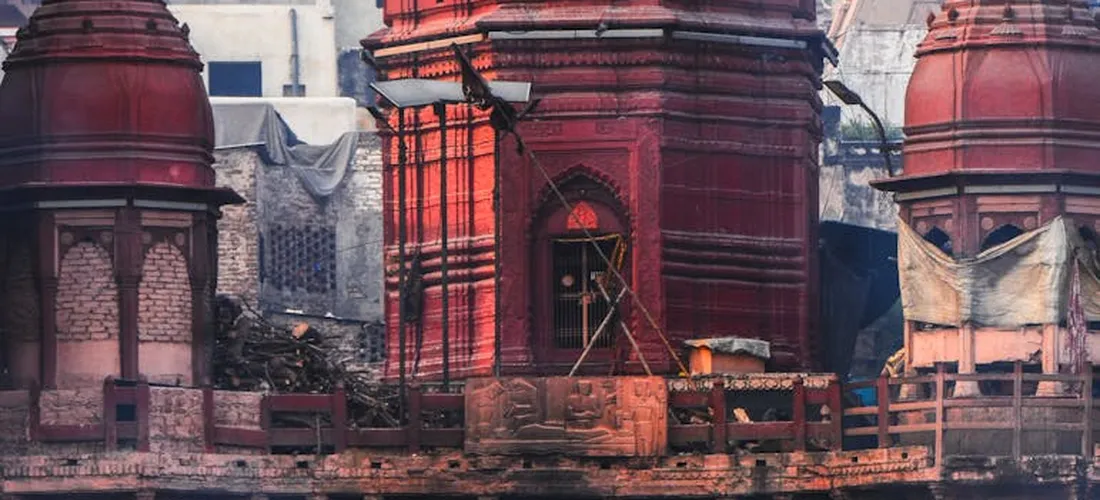
The single most important piece of advice I can offer is to understand that the body’s movements are a normal part of the cremation process, stemming from natural physical reactions to heat. This knowledge can provide a measure of peace, replacing uncertainty with clarity during a tender time.
I encourage you to always seek arrangements that ensure dignified care and, where possible, consider gentle, eco-friendly options for Funeral Needs. If you have questions about funeral details—such as scheduling, costs, or required documents—write them down as you plan. These Funeral Details Questions can help you navigate the process with clarity. Continuing to learn about Funeral Care and Funeral Questions is a practical, loving act that honors both memory and the future.
Research and Related Sources
- How does cremation work? Exploring the Process from Start to Finish
- Cremation – Wikipedia
- Cremation Process – Cremation Association of North America (CANA)
- Have you ever wondered: Do bodies move in cremation? | by Dr. Jacqueline Goh | Medium
- Cremation Video: See the Cremation Process of a Human Body
- Ask The Funeral Director- What Are Bodies Capable of After They Die
- Do bodies move in cremation? – Quora
Emiliana Dieter
Emiliana is an author at The Valedictory. She is an experienced funeral care advisor and arranged and organized many funerals as part of her end of life consulting services. She has over 8+ years in the funeral industry managing her family funeral business and helping families cope with the loss of their loved ones. Her articles answer any and all questions you might have regarding funeral arrangements, costs, preparations, etc so you can make this a seamless experience.