
How Deep Should a Casket Be Buried? Understanding Burial Depth for Cremated Remains
Planning a burial asks you to hold both practical details and deep care in your hands. The question of how deep to dig is one I have gently answered many times.
In this article, I will walk you through the common standards and the compassion behind them.
- The typical depth for a casket burial
- Factors that can influence this measurement
- How deep to bury cremated remains or ashes
- The reasons these depths are chosen for safety and respect
A Quick Snapshot: Burial Depth and Related Services
Choosing a final resting place can feel overwhelming, especially when facing so many practical terms. I often find a simple comparison helps families understand their choices with more clarity.
This table outlines the common depth ranges and services for three main types of earth burial. It is a starting point to guide your conversation with your funeral director and cemetery when choosing burial plot types.
Seeing the options side by side can make the path ahead feel a little more navigable. Your choice is a personal one, reflecting the values and wishes you wish to honor.
Understanding Depth for a Traditional Casket Burial
When we speak of a traditional burial, the standard is often described as “six feet under.” In my experience, the reality is a precise engineering practice guided by care and regulation. There are many burial methods, traditions, and types that shape how communities honor the dead. Exploring these reveals the cultural and practical dimensions behind each choice.
The casket itself is not placed at six feet. A common rule requires a minimum of three to four feet of soil covering the casket once the grave is closed. This solid layer of earth is a final protector.
To create a stable space for the casket, a concrete burial vault or grave liner is first lowered into the ground. This outer container is what sits at a depth of about five to six feet. The casket is then placed securely inside it.
This standard exists for good reason. It prevents the ground from settling unevenly, which safeguards cemetery visitors. It also protects the casket from disturbance and is a public health measure. The practice ensures the grave remains a stable, peaceful site for years to come.
Please know you are not tasked with calculating any of this. The specific depth is coordinated between the funeral home and the cemetery, following local laws and the cemetery’s own regulations. Your focus can remain on remembrance, while experienced hands attend to these respectful details.
How Deep Are Cremated Remains Buried?

An urn holding cremated remains is almost always placed much closer to the surface than a full casket. This shallower burial reflects the smaller size of the urn and the different considerations for its interment, including the etiquette involved in burying cremated ashes. I have found it brings a certain comfort to families, as the thought of their loved one resting nearer to the living world can feel more intimate.
In a standard cemetery plot, an urn is typically buried about two to four feet deep. Many cemeteries now have special areas called cremation gardens. These spaces are designed for urns and often have even shallower burial depths, sometimes just one to two feet. However, it’s essential to check cemetery regulations before choosing a spot.
You will often hear about a small urn vault, sometimes called an urn liner. This is a protective outer container, usually made of plastic or concrete. Its job is to prevent the ground from sinking in over time and to shield the urn itself from the weight of the soil. Think of it as a sturdy box that cradles the urn, keeping everything level and secure.
Rules do change from place to place, especially if you are considering a burial on private family land. Local regulations about depth and permits are a necessary step that your funeral director can help you navigate. I always advise a quiet conversation with county offices to ensure everything is done respectfully and by the book. Also, if you’re considering a home funeral, understanding the home funeral legal requirements steps is important. We’ll outline these steps in the next section.
What You Might See: The Burial Process and Equipment
Knowing what to expect can ease a difficult day. The equipment at the cemetery, like a backhoe, might look imposing at first. But I have always seen the operators work with slow, deliberate care, treating the space with the utmost respect. The machine is simply a tool to move the earth efficiently, following the careful markings made by the grounds crew.
The lowering of the casket or urn is done by hand with straps, a final act of physical care. Once it is settled, the grave is filled. You will hear the soft, steady sound of soil being returned. It is a rhythmic, solemn process. Workers often use shovels for the final layers to ensure everything is neat and even.
Families sometimes wish to place items in the grave. A favorite blanket might be tucked around the casket, or bouquets from the service laid gently on top. These personal tokens are a quiet, powerful goodbye, and cemeteries are accustomed to honoring such requests. I remember a daughter who placed a letter in her father’s grave; it was a moment of pure, private love.
The headstone or marker is not installed immediately. The earth needs time to settle, a process that can take several months, before a foundation can be poured for a permanent marker. This waiting period is natural. It allows the ground to become firm and stable, ensuring the memorial will stand straight and true for years to come.
Alternative Options and Considerations for Dignity
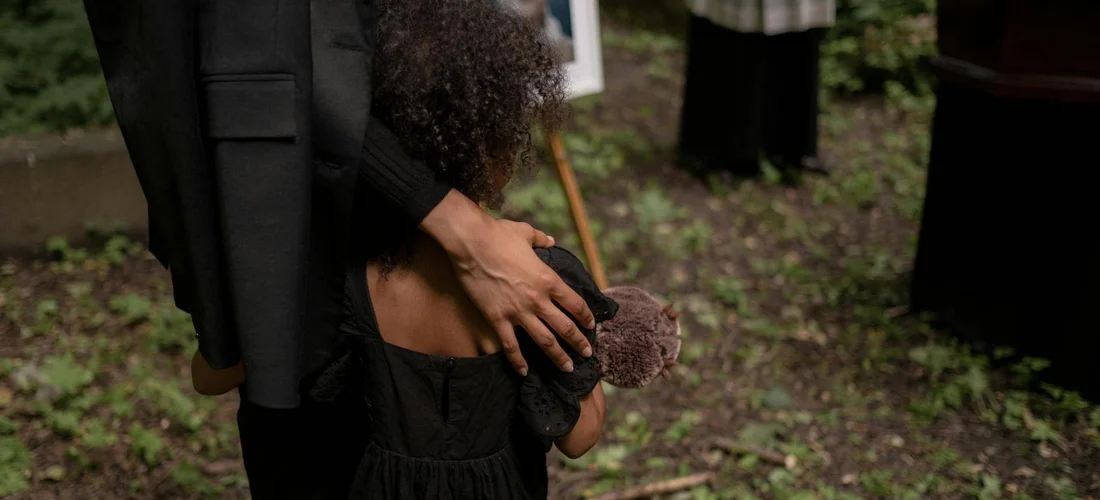
For many families, the conversation about burial depth opens a door to other meaningful choices. The standard depth exists for good reason, but it is not the only path to a dignified farewell.
Some people find deep comfort in a simpler, more natural return to the earth. I have seen the peace this can bring.
Natural or Green Burial
Natural burial focuses on allowing the body to decompose and become part of the soil without barrier. This process supports the life of the land.
A biodegradable container, such as a simple shroud, a willow casket, or an unfinished wooden box, is used. There are no metal liners or treated woods.
The grave is often dug to a shallower depth, typically around three to four feet. This shallower placement helps to maintain the biological activity in the soil, which is essential for natural decomposition. It is a conscious choice to aid the cycle of life.
Above-Ground Resting Places
For those who prefer not to have an in-ground burial at all, there are dignified above-ground alternatives. These options provide a permanent, sheltered place for visitation.
A columbarium is a structure designed to hold cremated remains. It contains individual niches, each sealed with a plaque. It is a common feature in many cemeteries and some churches.
A mausoleum is a larger building or vault for the entombment of caskets. It offers an enclosed, protected space. These choices remove questions of soil depth entirely, providing a different kind of permanence.
Scattering Cremated Remains
Scattering ashes is a profoundly personal act for many families. It represents a release and a return to a beloved place. It’s important to be mindful of local rules and regulations when scattering ashes in any location.
This might be done in a designated garden of remembrance, over water, or on private land with permission. Choosing to scatter means there is no burial depth to consider, only the meaningful location you select.
It is a gesture that can feel light and freeing. I always advise families to check local regulations and to choose a spot that will hold lasting significance for them.
Common Questions About Burial Depth
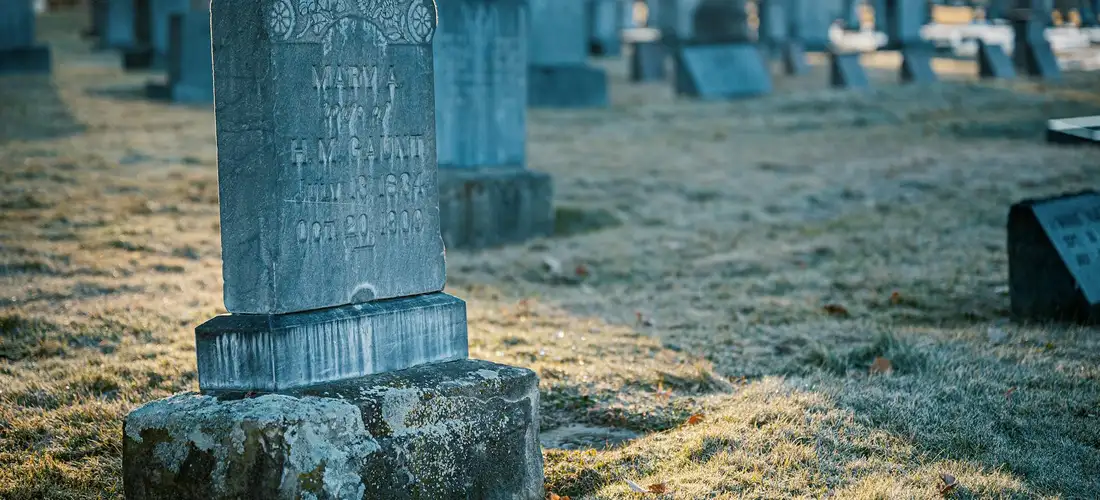
Why is there a standard depth for a casket burial?
The standard depth ensures ground stability, prevents settling, and serves as a public health measure. It is a practiced standard of care that maintains the cemetery’s integrity and offers lasting peace.
Is burying an urn a permanent choice like a casket burial?
Yes, interring an urn in a cemetery is a permanent and dedicated resting place. It provides a specific, visitable location for remembrance, just like a traditional burial plot.
Can we personalize a burial site for cremated remains?
Absolutely. Many cemeteries offer companion urns, monument options, and shallower depths that allow for planting flowers or a small garden. Your funeral director can help you explore these meaningful choices.
Honoring Choices for Burial Depth
When arranging a burial, adhering to local depth requirements for a casket ensures a stable and honorable final placement. For cremated remains, the depth is a more personal decision, offering a chance to create a memorial space that truly honors a unique life.
Providing dignified care includes considering gentle, eco-conscious burial methods that respect both the departed and the earth. I encourage you to keep learning about Funeral Care, Funeral Needs, and Funeral Questions as you move forward with clarity and compassion.
Emiliana Dieter
Emiliana is an author at The Valedictory. She is an experienced funeral care advisor and arranged and organized many funerals as part of her end of life consulting services. She has over 8+ years in the funeral industry managing her family funeral business and helping families cope with the loss of their loved ones. Her articles answer any and all questions you might have regarding funeral arrangements, costs, preparations, etc so you can make this a seamless experience.