
Legal Rules for Scattering Cremated Ashes at Sea or on Land
The choice to scatter a loved one’s ashes is a tender act of farewell. You may feel unsure about the laws, but clear guidance can bring comfort.
I will walk you through the legal and practical aspects with care. This article covers:
- Required permissions for scattering ashes at sea
- Legal guidelines for scattering on land
- Environmental protections and respectful practices
- How to plan a meaningful scattering ceremony
Understanding the Basic Legal Principles
Cremated remains are generally legal to scatter. The rules that exist are designed for respect, protecting public spaces and the natural environment we all share.
There is no single national law that says ashes can be scattered anywhere. You are navigating a patchwork of federal, state, and local regulations, which can feel overwhelming during a time of grief. My advice is to always check with the specific location first. To transport cremated remains legally, you’ll need to follow the rules for each jurisdiction. This helps prevent delays and complications.
While scattering is often permitted, it is not universally allowed. For example, most city parks and public beaches require formal permission from the parks department. Scattering on private land always requires the explicit consent of the landowner.
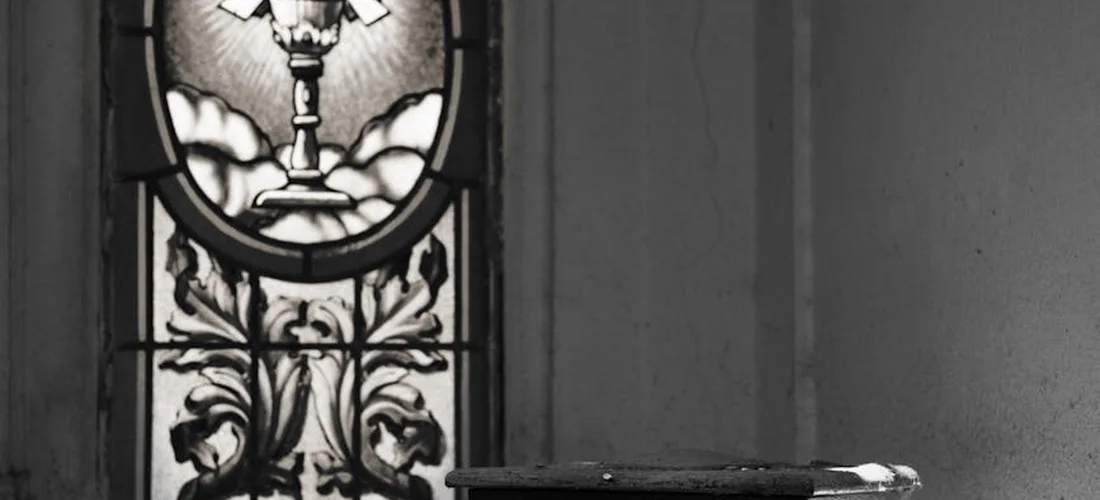
Religious considerations are separate from legal ones. For instance, the Catholic Church prefers cremated remains be kept in a sacred place, like a cemetery, rather than scattered. This is a matter of personal faith and church teaching, not civil law.
How to Legally Scatter Ashes at Sea
In the United States, scattering ashes at sea is governed by federal environmental law, specifically MARPOL Annex V. This law treats cremated remains as a special kind of material that can be placed in the ocean under certain conditions.
You must be at least 3 nautical miles from the shoreline. This distance helps ensure the ashes disperse properly and are not washed back to shore.
Any container used to carry the ashes for scattering must be biodegradable. Common choices include simple cardboard or paper boxes, or urns made of sand, salt, or untreated wood. You cannot scatter plastic, metal, or glass containers.
If you are scattering from a boat, the procedure is straightforward. The biodegradable container holding the ashes can be placed gently into the water. If using an aircraft, the ashes must be scattered, not dropped in any container. The key is to ensure everything placed in the water breaks down naturally and quickly.
You should avoid scattering in designated marine sanctuaries, protected habitats, or close to commercial fishing areas. A little research beforehand shows care for the ecosystem.
Do you need a permit or to notify authorities for sea scattering?
You do not need a federal permit to scatter cremated remains at sea. However, the EPA requires that you notify their regional office within 30 days of the scattering.
This notification is a simple formality. You should also check with the U.S. Coast Guard for any local notices to mariners, and with your state’s environmental agency, as some states have additional rules about distances or specific bays.
How to Legally Scatter Ashes on Land
The rules for scattering ashes on land are not universal. They are set by state, county, and city laws. This can feel confusing when you are planning a meaningful farewell. You may also be considering cremated ashes handling and storage—such as an urn, keepsake, or other container—before the final disposition. This consideration can shape your timing and the options you explore for the tribute.
A question I hear often is, can you bury cremated ashes anywhere? The answer depends entirely on whose land it is. On private property, it is generally permitted with the landowner’s clear consent. Public lands, however, have specific restrictions to protect the environment and other visitors. Beyond the legalities, there’s a respectful cremated ashes etiquette to consider when placing remains. This etiquette helps ensure you honor the memory and respect others sharing the space.
What are the rules for scattering in parks, forests, or on private property?
For national parks or forests, you must contact that specific park’s administration office. Many require a special use permit for scattering ashes. Their guidelines often ask that you scatter away from trails, water sources, and developed areas. Beyond park guidelines, cremated ashes are also regulated by state laws and rights. Reviewing your state’s regulations helps ensure you’re acting within legal rights for scattering or disposal.
Scattering on private property is the simplest path, but it requires absolute respect for ownership. You must get explicit, written permission from the landowner. A verbal agreement can be forgotten or disputed. Having written permission protects you and honors the property owner’s generosity.
There are places where scattering is clearly not allowed without special approval. These typically include public playgrounds, sports fields, and local neighborhood parks. You should also never scatter ashes into a lake, river, or stream on public land without checking water quality regulations first.
Do you need to notify authorities for land scattering?
For any public land, you must contact the agency that manages it. This could be the National Park Service, a state forest department, or a city parks and recreation office. They will tell you their process, which is your official notification.
For private property, you do not usually need to file paperwork with the government. The legal responsibility rests with the landowner and your family. Even so, keeping your own records is a wise and thoughtful step.
Necessary Paperwork and Information to Have Ready
Gathering documents beforehand brings peace of mind. It allows you to focus on the ceremony itself. You will want to have these items accessible.
- The original death certificate.
- The cremation authorization form from the crematory.
- Any permit or written permission you secured from a land management agency or private owner.
I encourage families to keep a simple log of the scattering event. This is not for the government, but for your own history. Note the date, time, and the exact location. GPS coordinates or a clear description are helpful. List the names of any witnesses present.
After the scattering, file the death certificate, permits, and your personal log together in a safe place. This creates a complete record for future generations and provides verification should any question ever arise. It turns a moment of farewell into a documented part of your family’s story.
Environmental Care and Respectful Scattering Methods
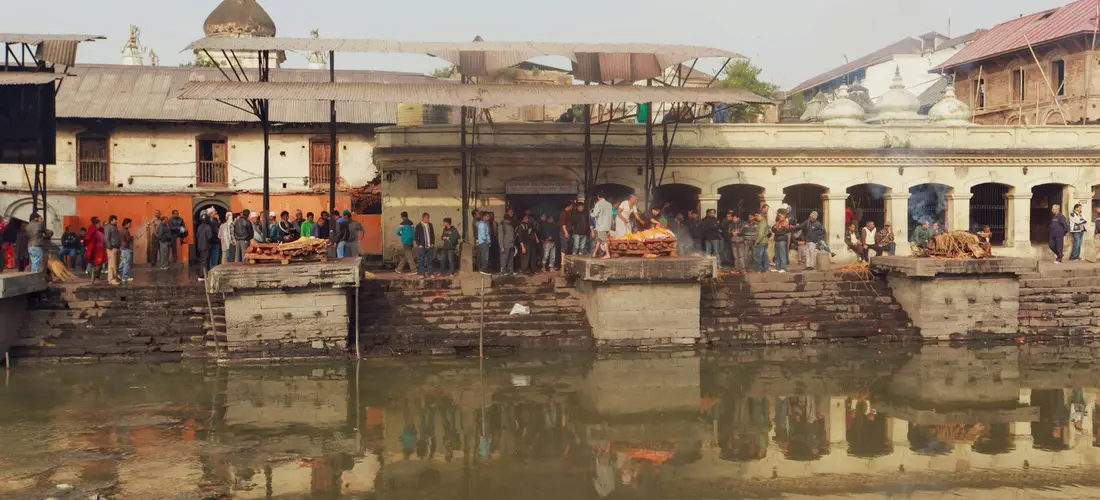
Scattering ashes on land calls for a gentle touch. I suggest choosing a calm day and mixing the cremated remains lightly into the soil. This helps them settle and become part of the earth, a quiet act that can bring a sense of closure.
Always check the wind forecast to prevent the ashes from blowing back towards you or others nearby. A still morning often provides the most peaceful conditions.
Respect for nature is paramount. Many local regulations protect specific plant life and habitats. Avoid scattering in areas with protected flora, like wildflower meadows or regenerating forests, to prevent disturbing delicate ecosystems.
For scattering at sea, the container must be biodegradable. Materials like plain paper or untreated wood dissolve harmlessly. The core rule is to leave nothing behind but memories, ensuring no physical trace remains in the water.
If you are scattering ashes in Canada, remember that guidelines vary by province. Coastal waters often fall under federal jurisdiction, while inland sites may be managed locally. A quick call to provincial environment offices can clarify the rules for your specific place.
Common Mistakes to Avoid
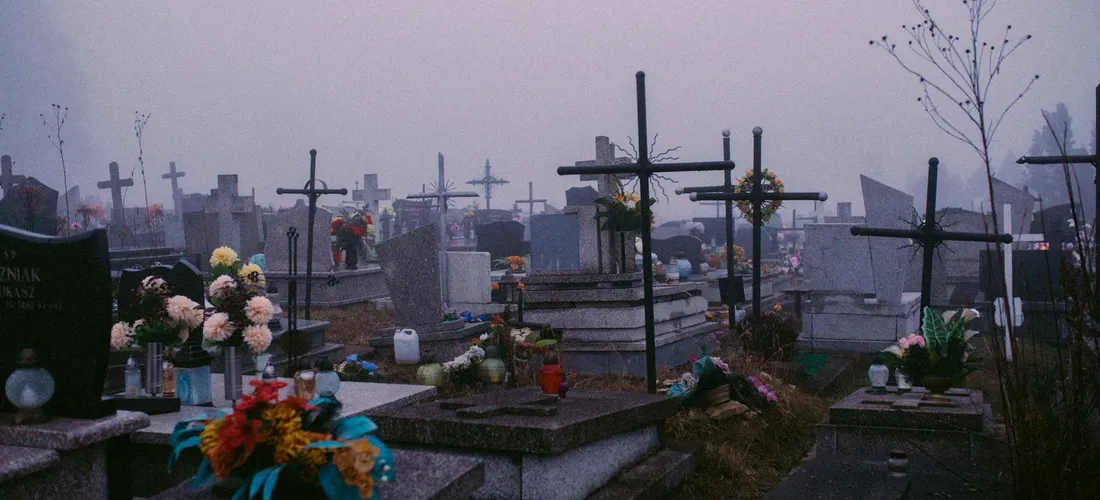
Never scatter ashes without first verifying the local ordinances. Ignoring this step can result in legal penalties and add emotional turmoil to an already difficult day. I have seen families face unexpected interruptions that deepened their grief.
Grief can make a familiar, beloved spot feel like the only right choice, even if it is a public park with strict rules. I understand this heartfelt impulse. Finding a permitted location with similar meaning often brings more lasting peace.
Simple logistical errors can disrupt the moment. Not checking the weather for wind direction may cause ashes to scatter unpredictably. At sea, using a plastic or metal container is a serious error; it pollutes the water and violates maritime laws.
Do not assume you can scatter ashes in any national park. Most have specific, designated areas for this purpose and require prior approval. Always contact park authorities directly to inquire about their policy before you make any plans.
When to Call a Funeral Director for Guidance
In the quiet days after a loss, paperwork can feel impossibly heavy. Some scattering plans are straightforward, but others involve layers of legal permission.
Reaching out to a funeral director is a wise step when you face a complex permit process, particularly for scattering at sea or on public land. They understand the specific requirements of different agencies, from the Environmental Protection Agency to local parks departments. This expertise can save you from accidental missteps during a deeply emotional time.
State laws vary widely, and local ordinances add another level of detail. If you feel unsure about the rules that apply to your chosen place, a professional can provide clarity. A simple conversation can confirm what is allowed and what documentation, like a permit or a captain’s log entry, you must secure. They have handled these questions many times before.
Their support extends beyond just telling you the rules. A funeral director can help you complete forms correctly and ensure the remains are handled with consistent care from their facility to the final scattering site. A funeral director’s duties include coordinating transportation, handling paperwork, and ensuring respectful care at every step. This practical assistance allows your family to focus on the ceremony itself, creating a moment of peace instead of procedural worry. You are not alone in wanting everything to be done respectfully and by the book.
Frequently Asked Questions
Do you need a permit to scatter ashes on private land?
You do not typically need a government permit for private property, but you must have the landowner’s explicit, written consent. This permission is your key legal requirement and protects all parties involved.
Are there places where scattering ashes is always prohibited?
Yes, scattering is generally prohibited in public playgrounds, sports fields, and into public waterways without specific approval. Always contact the managing authority for any public space to understand their specific restrictions.
What simple record should we keep after scattering?
Keep a personal note with the date, location, and witnesses, along with any official permits or permissions. This creates a cherished family record and provides clarity for the future.
Honoring Choices with Care and Compliance
The single most important step is to always confirm the local rules for scattering ashes before you proceed. This simple act of verification honors your loved one’s wishes while safeguarding the environment and respecting community standards.
Handle this final gesture with dignified care, and explore gentle, eco-friendly options whenever possible. Let your questions about Funeral Care, Funeral Needs, and Funeral Questions lead you toward continued understanding and compassionate action.
Emiliana Dieter
Emiliana is an author at The Valedictory. She is an experienced funeral care advisor and arranged and organized many funerals as part of her end of life consulting services. She has over 8+ years in the funeral industry managing her family funeral business and helping families cope with the loss of their loved ones. Her articles answer any and all questions you might have regarding funeral arrangements, costs, preparations, etc so you can make this a seamless experience.