What Are the Casket Requirements for Cremation?
Choosing a casket for cremation can bring up quiet, practical questions during a time of loss. I remember facing similar details, and I offer this guidance with a gentle hand.
This article will help you understand what is needed. We will cover:
- The essential requirements any container must meet for cremation.
- Common material choices, from simple cardboard to finished wood.
- How to select an option that honors your loved one with respect and practicality.
- The important safety and legal standards that guide this process.
Key Takeaways: Compassionate Clarity First
I often see families feeling overwhelmed by choices when planning for a loved one. The process can feel heavy with decisions, but I want to offer you a quiet reassurance. Your choices can be simple, guided by care and respect, not by confusion or unnecessary expense.
Let me share a piece of practical truth that brings many people relief. For the cremation process itself, you do not need a traditional, ornate casket. The only firm requirement is a rigid, combustible container that provides safety and dignity. This is often a simple cardboard or wooden box, designed solely for this purpose. It’s important to note that a casket or coffin for the cremation process does not have to be elaborate or expensive.
You may wish for a traditional farewell with a viewing or a funeral service. That is entirely possible and common. A service with a casket present is a meaningful choice you can make before the cremation takes place. The two acts are separate, and one does not preclude the other.
My role, and the role of any caring funeral director, is to walk you through these options without pressure. We are here to explain, to listen, and to help you find the path that feels right for your family and honors your loved one with grace. Alongside guidance, funeral directors also handle essential duties—coordinating services, transportation, and permits and paperwork. These responsibilities ensure every detail is managed with care, so you can focus on honoring your loved one.
Quick Snapshot: Understanding Your Container Options
This table can help you see the landscape of choices at a glance. It is not about right or wrong, but about what serves your need for remembrance and practicality.
| Container Type | Typical Materials | Average Cost Range | Primary Use | Key Notes |
|---|---|---|---|---|
| Traditional Funeral Casket | Hardwood, metal, veneers | $2,500 – $10,000+ | Viewing & Burial | Designed for long-term burial. Can be used for a viewing before cremation, but is not required for the cremation itself. |
| Cremation Casket | Pine, plywood, other simple woods | $1,000 – $2,500 | Viewing & Cremation | Combustible and dignified. Built for a service and then to go directly into the cremation chamber. |
| Alternative Container | Reinforced cardboard, particleboard | $100 – $500 | Cremation | The most common and practical choice for the cremation process itself. Meets all safety and dignity requirements. |
| Rental Casket | Wood or metal exterior with a removable interior liner | Rental Fee: $800 – $1,500 | Viewing Only | Allows for a traditional viewing service. The body is then transferred to a simple container for cremation. |
Seeing the costs side by side can be clarifying. It shows that a meaningful goodbye does not have to carry a burdensome price. The most fitting choice is the one that brings your family peace and honors your loved one’s memory with sincerity.
The Simple Answer: What Is Actually Required?
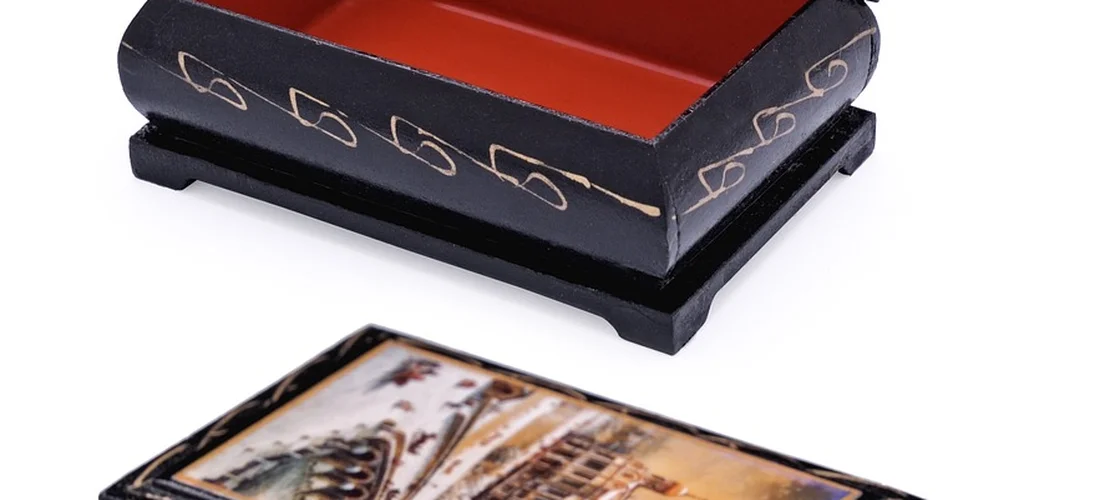
No, you do not legally need a traditional casket or coffin for cremation. The law requires only a rigid, combustible container that completely encloses the body.
Funeral professionals often call this an “alternative container.” It is a simple, sturdy box designed for this single purpose. An alternative container provides a dignified and safe way to move and care for a person before their cremation.
The container, whether a simple box or an ornate casket, is always cremated along with the person inside. It is consumed entirely during the process, with only ashes and small bone fragments remaining.
Are There Legal Rules for the Container?
The basic rules come from state or local health codes. These codes exist to protect everyone’s safety. Funeral homes and crematories must follow them.
Those codes almost universally require a rigid container. This prevents accidents during handling and ensures a reverent process. A rigid box is a matter of both safety and respect for the person who has died.
Beyond the legal minimum, your chosen crematory may have its own policies. They might set limits on the maximum size of a container or have specific lists of approved materials. Always check with them directly.
Choosing Materials: Wood, Cardboard, and Beyond
The main rule for materials is that they must burn cleanly and completely. The focus is on simple combustibility.
Many materials meet this need. Unfinished softwoods like pine are very common. Simple cardboard or pressboard containers are practical and widely accepted. You can also choose woven wicker, bamboo, or plain plywood, all of which are suitable for cremation.
Materials that do not burn are a problem. Metal, fiberglass, and certain plastics are almost always prohibited. They can damage the cremation equipment and are not consumed by the flames, leaving material mixed with the ashes.
What About Handles, Linings, and Adhesives?
Do not worry about small metal parts like hinges, nails, or decorative handles. Crematory staff carefully remove these items before the process begins. They are separated and often recycled.
The interior lining is more important. Many synthetic linings or plastic adornments can release harmful chemicals when burned. A crematory may refuse a container with certain linings to protect their equipment and the environment.
If you are considering a special container, ask the crematory for guidance. They can provide a list of approved, non-toxic glues, fabrics, and construction methods. This simple step can prevent a difficult last-minute problem.
Considering Size, Weight, and Practical Limits
Cremation chambers, also called retorts, are built to specific dimensions. Most are designed to comfortably accept a standard-sized casket or container. I think of it like an oven in a home; it works beautifully for a standard roasting pan, but a very large or unusually shaped dish simply won’t fit.
Oversized caskets, or those with very thick, solid wood construction or extensive metal hardware, may exceed these internal chamber limits. Crematoriums have precise measurements for height, width, and depth that must be respected for the process to be safe and effective.
There are also weight limits for the machinery that moves the container into the chamber. These limits exist purely for operational safety, not as a judgment on the person. For larger individuals, special arrangements are always possible.
This involves using an oversized cremation container or making specific logistical plans with the crematorium in advance, especially when following the funeral timeline for the crematorium process. A compassionate funeral director will guide a family through these necessary steps with the utmost discretion and care.
It brings me peace to know that standard containers are designed with dignity in mind. They are simple, respectful, and accommodate the vast majority of people. The focus remains on honoring the person, not the vessel.
| Typical Standard Casket Dimension | Approximate Range |
|---|---|
| Length | 84 inches |
| Width | 28 inches |
| Height | 23 inches |
Honoring a Viewing or Funeral Service First
Many families ask me if they can have a traditional funeral service before the cremation. The answer is a gentle and certain yes. This is a very common choice, and it can be deeply meaningful. For a clearer path, our cremation funeral services step guide outlines the options and timing. It can help you plan smoothly while honoring traditional rites and cremation.
It allows for the rituals of gathering, viewing, and saying goodbye in a familiar setting. The presence of a casket can provide a tangible focus for grief and respect. An open casket viewing before cremation can offer a direct, personal farewell. It can allow families to pause and reflect before continuing with cremation. Choosing a funeral with viewing before cremation merges the comfort of tradition with the flexibility of cremation.
A wonderful option that serves this need is the rental casket. Here is how it works. A beautiful, traditional casket shell is used for the visitation and service. Inside this shell is a simple, removable interior container made of wood or reinforced cardboard.
After the service concludes, the inner container-holding your loved one-is gently removed for cremation. The outer shell, which is the part everyone saw, remains at the funeral home for use by another family. It is handled with great reverence.
The emotional benefit is clear: families can have the visual solace of a full service without the cost of purchasing a casket meant for cremation. There is a practical kindness to it. It removes one difficult decision during a time of grief, freeing you to focus on the remembrance itself.
I have seen this choice bring immense comfort. It feels complete. It allows for the closure of a ceremony while still following the personal or practical wishes for cremation. You are not giving anything up; you are creating the goodbye you need.
Eco-Conscious and Personal Choices
For many, a final act of care is a choice that honors the earth. This has led to beautiful, biodegradable casket options.
You might select a container woven from willow or bamboo. Others choose a sturdy shell of recycled paperboard. These materials return gently to the soil.
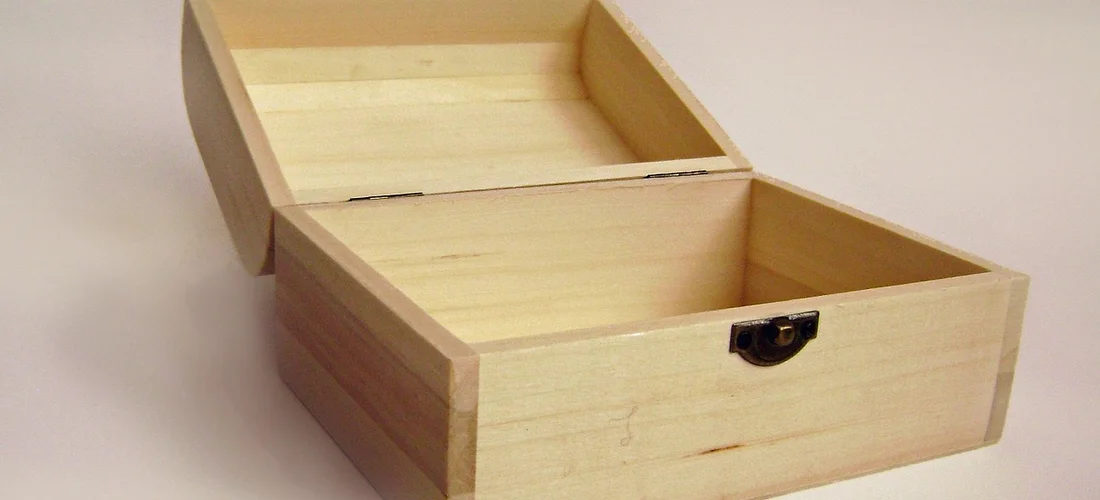
There is also a growing appreciation for simple, unadorned wooden boxes. They reflect a minimalist or natural philosophy, focusing on substance over adornment. The plain grain of pine or oak can feel deeply honest and peaceful.
Remember, the most environmentally gentle choice is often the simplest one that meets the crematory’s requirements. A basic wooden container or approved cardboard alternative fulfills the need without complication.
When to Call a Funeral Director: Your Guide Through the Process
While much can be learned, some steps benefit from a guiding hand. Knowing when to ask for help is a sign of wisdom, not uncertainty.
Call a funeral director when you need to verify specific local or crematory laws. They are essential if you require an oversized casket or wish to navigate the process of a rental casket. Their experience prevents last-minute surprises.
A licensed director ensures the container meets every standard for a smooth process. They act as your liaison with the crematory, handling the precise logistics of care and transport.
This allows your family to focus on remembrance and the quiet work of grief. Their role is to manage the details so you can tend to each other.
What Happens to the Casket During Cremation?
Understanding this can bring a sense of closure. The process is handled with immense respect.
The casket and the body are placed into the cremation chamber. Intense heat consumes the container entirely, along with the body. All that remains are bone fragments and any non-combustible items, like metal from clothing or the casket itself.
Afterwards, these metal parts are carefully separated from the cremated remains using a magnet or other methods. They are often recycled respectfully. The remaining bone fragments are then processed into the fine ash you receive.
I share this not to be graphic, but to demystify. Knowing what happens can remove fear and provide a quiet, factual peace.
Common Questions About Caskets and Cremation
Are handles or other metal parts allowed on a cremation casket?
Yes, they are commonly allowed. Crematory staff will respectfully remove any metal hardware before the process begins.
Do crematoriums provide rental caskets for viewings before cremation?
Many funeral homes offer this compassionate option. Your loved one rests in a dignified rental casket for the service and is then transferred to a simple cremation container. This can be especially helpful when arrangements involve cremation services provided by the funeral home.
What happens to the casket during the cremation process?
The container is completely consumed by the intense heat of the cremation chamber. Any remaining metal elements are separated with care and often recycled.
Parting Reflections on Cremation Casket Requirements
Your most meaningful decision is selecting a simple, combustible casket that meets both practical needs and heartfelt intentions. This straightforward choice honors the process and provides peace of mind during a tender time.
Opting for dignified care can include considering an eco-friendly casket, a gentle nod to both memory and responsibility. I invite you to continue learning about Funeral Care, Funeral Needs, and Funeral Questions as a quiet act of love and preparation.
Emiliana Dieter
Emiliana is an author at The Valedictory. She is an experienced funeral care advisor and arranged and organized many funerals as part of her end of life consulting services. She has over 8+ years in the funeral industry managing her family funeral business and helping families cope with the loss of their loved ones. Her articles answer any and all questions you might have regarding funeral arrangements, costs, preparations, etc so you can make this a seamless experience.