What Is a Cremation Viewing? A Guide to the Witnessing Procedure
If you are considering a cremation viewing, you might be seeking clarity on this quiet, final act of care. I know how weighty these choices can feel when you are grieving.
Here, I will help you understand this process by covering what a cremation viewing entails, how the witnessing procedure unfolds step by step, and the reasons families may choose this moment for solace.
Key Takeaways: Compassion and Clarity First
This moment is about what brings you peace. It is a personal choice, never an obligation for a grieving family.
The process itself is quiet and reverent. You will be guided every step of the way by caring staff in a prepared space.
The core purpose is emotional: it offers a moment of recognition and a final, physical farewell. For some, this brings a necessary sense of closure that a service alone may not provide.
Defining the Moment: Viewing vs. Witnessing
These terms describe two different points in time, and understanding them helps you decide what is right for you.
What is a Viewing Before Cremation?
A ‘viewing’ typically means seeing your loved one at rest before the cremation occurs. This usually happens in a chapel of rest, a private room at the funeral home, or sometimes in your own home.
The person will be presented with care and dignity, often in a simple cremation casket or container. You can absolutely have a viewing before cremation; it is a common and meaningful part of saying goodbye for many families. This is a time for quiet prayer, shared memories, or a private moment alone.
What Does Witnessing Mean?
‘Witnessing’ often refers to the act of observing the very start of the cremation process. This usually means being present as the casket or container is moved into the front of the cremation chamber, also called the retort.
The chamber door is then closed, and families depart. Witnessing is about accompanying your loved one to the very threshold, a final act of physical presence. It is a profound moment that some find completes the journey.
Practices can vary widely between crematoria and cultures. Some offer only viewings, some only witnessing, and many offer both. Exploring funeral practices across history and cultures can provide helpful context. These perspectives can influence what feels right for your family. The most important thing is to ask for exactly what feels right for your family. A good funeral director will listen to your wishes and explain all the options available to you.
Reasons to Consider a Final Viewing
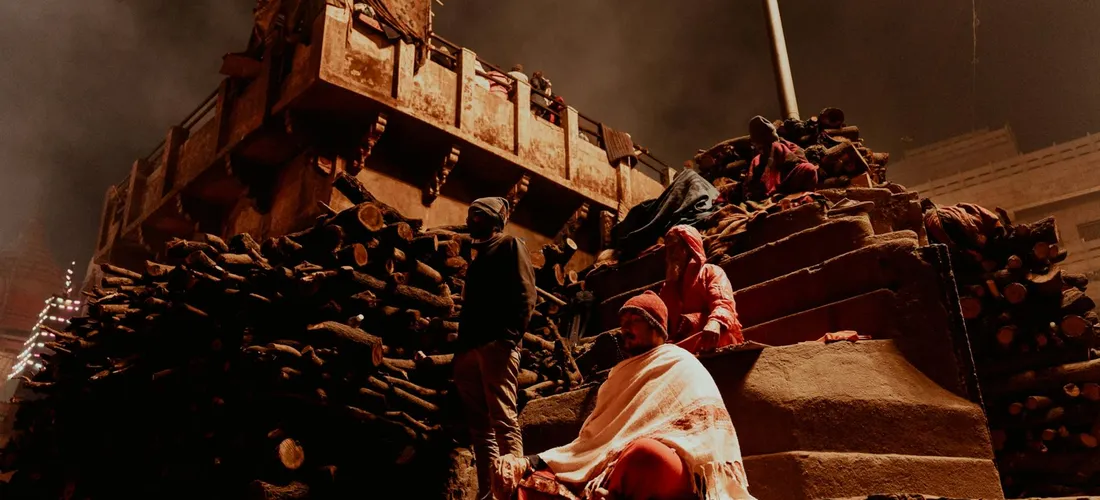
For many, seeing is a part of believing and grieving. The abstract idea of a death can feel unreal. A final viewing offers tangible confirmation, a quiet moment where your mind can begin to accept what your heart already knows.
It serves as a private alternative or a personal supplement to a public funeral. This can be a time for just immediate family, free from the expectations of a larger crowd. It is a space for raw emotion or silent contemplation.
Many cultural and family traditions consider this final sight a sacred duty. It is a ritual of respect, a way to say a face-to-face goodbye that has been honored for generations. Following this custom can provide a profound sense of continuity.
Most importantly, this act is one of love and witness. It is not a mere procedural step, but a conscious choice to be present. It is a final act of companionship, honoring the entirety of a person’s journey.
Personal Perspective: A Quiet Affirmation
I have guided many families through this moment. What stays with me is not sorrow, but the palpable sense of peace that often settles in the room. There is a quiet dignity that replaces anxiety.
It is not something to fear. It is a peaceful confirmation. One family member told me, softly, “Now I know where he is.” That abstract worry had been eased by a gentle, real moment. The silence felt respectful, not empty.
How the Procedure Unfolds, Step by Step
It begins with a conversation. Your funeral director will meet with you to explain everything. They will describe the room, what you will see, and how much time you will have. This guidance is meant to remove uncertainty and help you prepare.
Your loved one is cared for with utmost respect. They may be gently draped in a soft cloth or dressed in simple clothing. The preparation is always performed with dignity, creating a restful presentation for viewing.
When you enter the viewing room or witnessing area, you will notice it is quiet and softly lit. You may feel a coolness in the air. The atmosphere is still. You are welcome to approach, to touch a hand, to speak, or simply to stand in quiet observance.
The timeline is brief. A private viewing before cremation often lasts 15 to 30 minutes. If you choose to witness the chamber entry, it is a moment-a final, solemn gesture as the container is respectfully transferred.
After you depart, the staff will proceed with the cremation process according to your wishes. Knowing this sequence provides closure. The act of witnessing, of seeing the body before cremation, completes the circle of care from your hands to theirs.
A Note on Etiquette and Atmosphere
Wear clean, modest clothing that feels respectful to you. There is no strict funeral dress code for these private moments. Your presence matters more than your attire, so focus on being present rather than worrying about funeral dress code and etiquette.
Speaking softly, sharing a favorite memory, or observing in complete silence are all acceptable. There is no right way to be in this space. Follow what feels genuine for you and your family.
Some families wish to take a final photograph. Others feel it is not right for them. Always ask the funeral director first about the facility’s policy and for their gentle assistance. Familiarize yourself with funeral photography etiquette to ensure you capture memories respectfully and unobtrusively. Following etiquette helps you respect the mourners while documenting the moment.
Children can attend if they are prepared and willing. A calm adult should explain what they will see in simple terms. A child’s quiet curiosity can be a natural part of saying goodbye.
The Setting: What to Expect in the Space

The room prepared for a viewing is designed for quiet respect. You will often find soft lighting, simple decor, and chairs for sitting. The feeling is one of serene calm, a gentle space for final goodbyes.
A witnessing room is different. It may be a small, quiet area with a window looking into a hallway or toward the crematory chamber door. Some facilities have a dedicated room where families can gather.
These spaces are maintained with the utmost dignity, focusing on reverence rather than any industrial process. The atmosphere is quiet and respectful, not clinical. The machinery itself remains out of direct sight, preserving a sense of peace.
Answering Common Practical Questions
Many people ask if a viewing is possible before cremation. The answer is yes, absolutely. This is a standard and common option offered by funeral homes.
You can have a traditional visitation or a private family viewing, and then proceed with cremation. It allows for that important moment of seeing your loved one, which can be a vital part of saying goodbye.
You may have last-minute questions about personal items. Often, you can place a handwritten note, a photograph, or a small token with your loved one before cremation. Some families choose to remove a piece of jewelry to keep.
The key is to discuss these wishes with the funeral director beforehand. They can guide you on what is safe and appropriate, ensuring your requests are honored with care. To keep things on track, prepare a few funeral details questions to ask so you understand all options and deadlines. This helps ensure every detail is handled smoothly and respectfully.
Religious or cultural rituals are typically accommodated. A brief prayer, reading, or symbolic act can usually be included in the time before the cremation begins. Religious and cultural views on cremation vary widely, and these perspectives can influence rites and timing. Please share any specific beliefs so we can accommodate them. Simply inform the staff of your needs.
They are experienced in facilitating moments of faith and tradition within the procedure’s framework.
Costs will vary by provider and location. A simple, private viewing before cremation is generally a modest addition to the basic service fee. The funeral home will provide a clear, itemized price list so you can understand all options, including funeral home cremation costs.
This transparency helps you make a choice that fits both your emotional needs and practical considerations.
Frequently Asked Questions
How can we prepare children for a cremation viewing?
Use simple, honest language about what they will see and that it is a quiet time to say goodbye. An adult should stay close to offer comfort and let the child’s own questions guide the moment.
Can we place personal items, like letters or photos, with our loved one?
Yes, small, combustible items like notes or flowers are often allowed as a final gesture. Your funeral director will advise on what is safe and appropriate to ensure your wishes are respectfully honored.
Is a viewing advisable for everyone, even after a traumatic loss?
It is a deeply personal choice, and in some cases, a funeral professional may gently suggest a private identification for immediate family only. Your emotional well-being is paramount, and a skilled director will help you decide what brings the most peace.
Parting Reflections on the Witnessing Procedure
The heart of this choice lies in its capacity to offer a quiet, personal farewell. I encourage you to trust your need for closure, and to speak openly with your funeral director about how a viewing can be arranged with respect and care.
Honoring a life with dignity includes considering gentle, eco-conscious practices within Funeral Care. May you find strength in continuing to explore Funeral Needs and Funeral Questions, guiding your decisions with compassion and clear-eyed purpose.
Emiliana Dieter
Emiliana is an author at The Valedictory. She is an experienced funeral care advisor and arranged and organized many funerals as part of her end of life consulting services. She has over 8+ years in the funeral industry managing her family funeral business and helping families cope with the loss of their loved ones. Her articles answer any and all questions you might have regarding funeral arrangements, costs, preparations, etc so you can make this a seamless experience.