What an Embalmed Body Looks Like: Appearance, Skin Color, and Long-Term Changes
You may be wondering how embalming affects a loved one’s appearance before a service. It is a gentle, practical question, and one I have guided many families through.
This article will walk you through what to expect visually. We will cover how embalming restores a familiar, peaceful appearance for a viewing, explain the changes in skin color and texture that can occur, and describe the long-term natural processes that happen after burial.
Key Takeaways: A Compassionate Overview
I want you to know what to expect. Embalming aims to create a peaceful, natural appearance for a final viewing. This is a quiet moment for loved ones to gather and say a gentle goodbye.
The skin’s color is carefully restored. It should look like a person resting, not yellow or unnatural. A skilled embalmer uses cosmetic techniques to bring back a familiar, lifelike tone.
Long-term changes after burial are part of a natural, organic process. Embalming slows this process down for a time, but it does not stop it forever. The body, like all things, eventually returns to the earth in its own time. This process is known as decomposition and varies with factors like the environment and burial method.
This information is shared to empower your choices, not to cause distress. My hope is that understanding what happens can bring a measure of peace during a difficult decision.
What Is Embalming? A Gentle Explanation of the Process
In simple terms, embalming is a temporary preservation method. It is a choice families make, often to allow time for relatives to travel and gather. I have seen how this time can be precious for a family in grief. There are several reasons families choose embalming—logistics for travel and gathering, and cultural or religious beliefs. Understanding these reasons can help families make an informed choice.
The basic steps are performed with great respect. First, the body is gently disinfected. This is a act of care and sanitation.
Next, the embalming fluid is introduced, usually through the circulatory system. This fluid temporarily preserves the tissues and restores a more natural color. The goal is to replace the blood with a solution that slows decomposition and creates a restful appearance.
Finally, features are set. The eyes are closed, the mouth is posed into a serene expression, and the hands are arranged. Think of it as careful restoration work on a deeply precious object. The aim is to present your loved one as you remember them at peace.
The Primary Goals of Embalming
Sanitation is a primary, practical goal. It safeguards those who wish to spend time near their loved one before the funeral.
Temporary preservation is the other key goal. It provides a window of several days for viewings and services. This time can be invaluable for processing grief and finding closure together.
Above all, the aim is to create a comforting, recognizable appearance. It is about presenting a peaceful memory. When done well, it allows you to see the person, not the process, one last time.
What Does an Embmed Body Look Like? The Immediate View
Right after care, an embalmed body looks peaceful. The goal is a natural appearance, as if the person is resting. During the funeral viewing, loved ones may touch the embalmed body as a final farewell. This moment is observed with care and reverence.
When you first see them, they will seem calm and serene. You will notice they are dressed in chosen clothing and posed gently, usually reclining in a casket or on a chapel couch.
The immediate impression is one of quiet dignity, offering a focal point for saying goodbye.
A Closer Look: Facial Features and Hands
The eyes are closed softly, often with a small cap placed under the lid to maintain a natural curve. The mouth is gently shut, sometimes with a bit of adhesive, to mimic the relaxed set of sleep.
Embalmed hands are positioned carefully, perhaps folded or placed at the sides. The skin is smoothed, and the nails are cleaned. They look like hands at rest.
Mortuary cosmetics are applied with a light touch, just enough to restore a healthy color and soften shadows. This subtle artistry aids a lifelike presentation, honoring the person you remember.
How Embalming Affects Appearance: Subtle Changes and Care
Embalming causes subtle changes to support a natural look. The process restores facial structure by replacing lost volume under the skin. This can soften deep lines and hollows. These effects come from the embalming process steps, tools, and chemicals used in a careful sequence. Understanding the sequence and materials helps explain the natural finish.
Skin is cleaned and treated with moisturizing creams. It often feels cool and firm to the touch, like wax or clay. The color is evened out, moving away from pallor towards a more neutral, warm tone.
Skilled embalmers work to minimize visible signs of trauma or long illness with great respect. They use techniques similar to those of a restorative artist, rebuilding with wax and suture. The transformation is gentle, meant to comfort those who view.
Think of it as careful, reverent preparation. It is not about creating a stranger, but about presenting the familiar person in a state of peace.
The Role of Setting and Lighting
The room itself is part of the presentation. Soft, diffused lighting is used to prevent harsh shadows. It falls gently on the face and hands.
Surroundings are peaceful, with quiet colors and perhaps flowers. This setting is designed for comfort and reflection.
The environment provides a space for farewell, not a clinical examination. Everything works together, the care of the body and the calm of the room, to offer a moment of grace.
How Embalming Affects Skin Color: Addressing Common Concerns
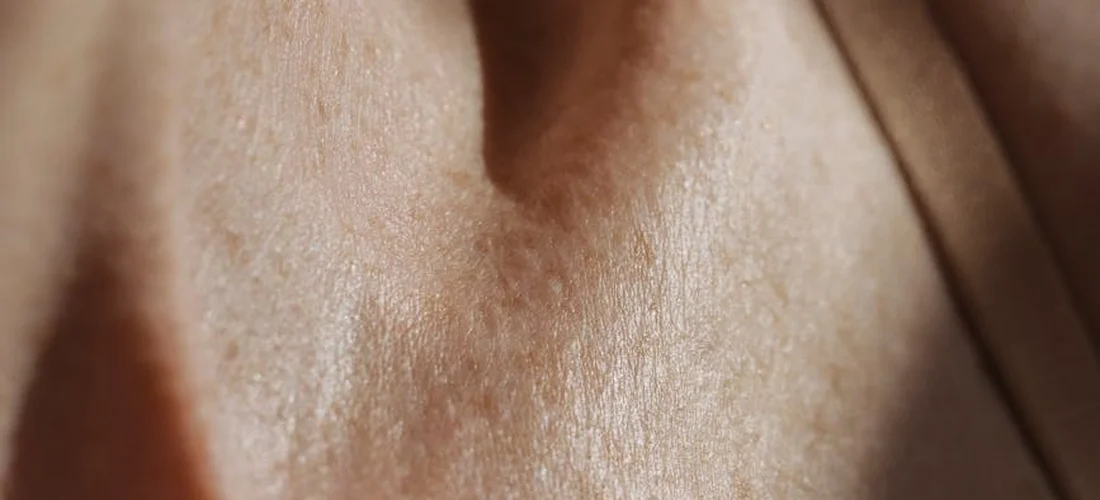
Yes, embalming does change skin color. The process often causes a temporary pallor or ashen tone. A skilled embalmer carefully corrects this, working to restore a natural, lifelike appearance.
Many people ask if embalming turns the skin yellow. With proper technique, this should not happen. An experienced professional balances chemicals to avoid any unnatural yellow or green discolorations. It is a matter of training and careful attention.
We use specialized cosmetics and techniques to bring back familiar tones. This can involve color-correcting fluids and foundation matched to the person’s unique complexion. The aim is to create a peaceful, recognizable visage that offers comfort to grieving families.
A Personal Perspective on Seeing a Loved One
I have guided many families through viewings. I remember seeing my aunt after her embalming. There was a profound comfort in her familiar features, finally at rest, which helped me say goodbye.
If you are preparing to see someone, I advise you to seek their essence. Do not look for a perfect recreation of life. Focus on the peace in their expression or the shape of their hands. That is where memory and love reside.
What Are the Long-Term Changes After Burial? A Realistic Perspective
Embalming provides temporary preservation. Across centuries, embalming practices have evolved—from ancient ceremonial rites to modern preservation methods. Natural processes of return to the earth begin again after burial. This history helps explain today’s techniques and ethical considerations. Think of it as a respectful pause, allowing time for mourning, not a permanent state.
In a sealed casket, an embalmed body changes slowly over months and years. Tissues gradually dehydrate and soften. While the casket environment slows decay, it cannot stop the inevitable natural progression.
After about six months, you would see a body that is drier, with skin that may have darkened slightly. After twenty years, the process is more advanced, often leaving primarily skeletal remains, which is a natural part of the earth’s cycle.
The Stages of Natural Return
Embalming slows decomposition, but it follows a gentle, predictable path. First, fluids evaporate and tissues lose volume. Over longer periods, softer materials break down. These timelines reflect the preservation duration—the span of maintained form. It helps set expectations for long-term appearance. This is a slowed, dignified return, not an abrupt change.
Several factors influence this pace. A sealed metal casket preserves longer than wood. Damp, warm soil speeds up processes, while dry, cool ground slows them. Burial depth matters too, as it affects temperature and microbial activity around the casket.
The Effect of Embalming Fluid Over Time
Preservative fluids delay tissue breakdown for weeks or months. They are not a permanent fix. Over time, these chemicals themselves break down, allowing natural decomposition to resume its course.
The final physical state is one of integration with the environment. This peaceful return to the earth is a concept found in many cultures, offering a sense of natural closure and continuity.
Alternative Options: Considering Different Paths
Embalming is a common practice, but it is not your only choice. Many families find peace in a different path, one that feels more natural or true to their loved one’s spirit. Some families opt for burial without embalming, staying true to a natural farewell. This approach can align with personal values and environmental concerns.
Direct Burial: A Simpler Farewell
Direct burial is exactly what it sounds like. The body is placed in a casket or shroud and buried shortly after death, without any preservation or viewing.
This option often feels more immediate and grounded. It removes the pressure of a public viewing and the chemical process. Choosing direct burial can simplify logistics and align with a wish for a quiet, unadorned return to the earth.
Green Burial: Returning to Nature
Green or natural burial takes this simplicity a step further. It forgoes embalming fluids, vaults, and non-biodegradable caskets.
The body is cared for with refrigeration or dry ice and buried in a biodegradable container. The goal is to allow a natural decomposition that nourishes the soil. This practice honors a deep connection to the environment and offers a profound sense of ecological continuity. The setting is often a meadow or woodland, marked simply by a stone or a tree.
Memorial Services Without the Body Present
You can hold a meaningful service without the physical body being there at all. A memorial or celebration of life can be scheduled weeks or even months later.
This gathering focuses entirely on sharing stories, music, and memories. It relieves the time pressure after a death and allows for more personal planning. For some, this separation from the body’s presence creates a space focused solely on the spirit and legacy of the person they loved.
A Choice Deserving of Respect
There is no single right way to say goodbye. Your decision is a personal one, shaped by faith, tradition, budget, and the unique story of your loved one.
Some find comfort in the familiar ritual of a viewing. Others find it in the quiet of a direct burial or the life of a growing forest. Every choice, made with love and intention, is valid and worthy of respect. My role is to ensure you have clear, compassionate information to make the choice that brings your family peace.
Frequently Asked Questions
Does an embalmed body look natural?
When performed by a skilled professional, embalming is designed to create a peaceful, restful, and recognizable appearance. The goal is to present your loved one in a state of dignified repose for a final viewing.
Will the skin look an unnatural color?
With proper technique, the skin should not appear yellow or starkly discolored. Embalmers use careful fluid balancing and cosmetic application to restore a warm, neutral tone that offers comfort to grieving families.
If the body changes after burial, what is the purpose of embalming?
Embalming’s primary purpose is to provide a temporary pause, allowing time for family to gather, view, and begin the grieving process together. It is an act of care that facilitates meaningful closure, not a permanent preservation. This view contrasts with some religious and cultural beliefs regarding embalming practices.
Reflections on Appearance and Care
The heart of the matter is that embalming seeks to offer a moment of peace, a familiar face to say goodbye to. In the embalming process, careful organ handling and preparation support proper, respectful preservation. This attention to procedure helps shape comfort and viewing decisions. Understanding its temporary nature and its effects on skin color and form can guide you toward a decision that brings comfort.
Please consider all paths to dignified care, including gentle, eco-friendly alternatives that reflect your values. Your attention to Funeral Care, Funeral Needs, and Funeral Questions is a profound act of love, and seeking knowledge is a step toward a honoring farewell.
Emiliana Dieter
Emiliana is an author at The Valedictory. She is an experienced funeral care advisor and arranged and organized many funerals as part of her end of life consulting services. She has over 8+ years in the funeral industry managing her family funeral business and helping families cope with the loss of their loved ones. Her articles answer any and all questions you might have regarding funeral arrangements, costs, preparations, etc so you can make this a seamless experience.