
Embalming Through Time: A History of Care and Change
When facing a funeral, you might quietly wonder where the practice of embalming began. Its history is a gentle story of human respect and adaptation.
This article walks with you through that story. We will cover:
- The ancient roots of preservation, from Egyptian rituals to other early cultures.
- How embalming practices changed and persisted through medieval Europe.
- The scientific advancements of the 19th century that shaped modern methods.
- The compassionate considerations that guide embalming today.
Key Takeaways
- Caring for those who have died is an ancient, universal human impulse, a quiet thread of respect that connects us all. This history is not just about methods, but about our shared need to show love.
- Embalming dates back thousands of years. It was perfected by ancient Egyptians for spiritual reasons, faded for many centuries, and re-emerged in its modern form because of war and public health concerns.
- Modern embalming is a personal choice for a family to consider, not a universal requirement. Knowing this can offer reassurance as you make decisions.
- I see this long story as a reminder of our common humanity. Our acts of care after a loss are part of a deep, enduring tradition.
The Ancient Human Impulse: How Did Embalming Start?
Our journey begins in a time before records. On the arid coasts of South America, the Chinchorro culture practiced a form of mummification over 7,000 years ago. This was long before the rise of ancient Egypt.
Their techniques emerged from watching the world. They used the cold, dry desert air. They used smoke from fires to desiccate the body. These were not complex rituals, but simple, observed ways to slow the natural processes of return.
This answers the question of how long embalming has been around. It is a practice measured in millennia. There is no single starting year. It began wherever people first sought to gently preserve a loved one, to honor them with a little more time. This naturally leads to questions about embalming preservation duration—how long the preserved state can last. It has varied with technique, climate, and care across cultures and ages.
I believe this early history shows us something vital. It is evidence of a deep-seated human need to care for the dead with dignity. That initial, tender impulse-to reach out and slow the goodbye-is what truly connects us across the ages.
Ritual and the Afterlife: Embalming in Ancient Egypt
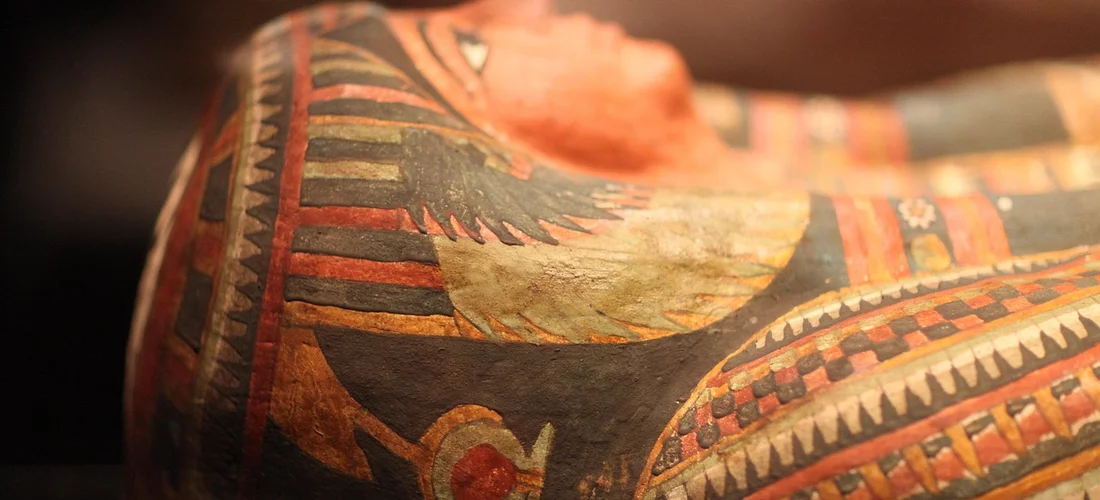
For the ancient Egyptians, preparing a body was a sacred ritual. It was a spiritual journey to ensure the soul, or ‘ka’, had a home for eternity.
They believed the soul would return to its body. Physical preservation was an act of profound religious faith, not just a practical task.
The process was meticulous. After removing the internal organs, the body was covered in natron salts, a white, powdery mineral harvested from dry lake beds.
Natron dried the tissues completely, a slow process taking forty days or more. It left the skin feeling leathery and cool to the touch.
The organs were often placed in limestone or pottery jars called canopic jars. Each jar was guarded by a specific deity, protecting the contents for the afterlife.
This months-long ceremony, reserved for pharaohs and nobles, was a collaborative act of priests and specialists.
For common Egyptians, the process was far simpler. A body might be treated with a basic salt mixture or simply wrapped and buried in the hot, drying sand.
The air in a workshop would be heavy with the scent of resins, myrrh, and cassia used in the final wrapping. Every layer of linen, every amulet placed between the bandages, held a prayer.
A Practice in Decline: From Rome Through the Middle Ages
Greek and Roman elites sometimes used techniques for temporary preservation. Their goal was practical, allowing for lengthy public viewings and funeral processions.
A body might be washed with spices, wine, or oils and packed with aromatic herbs. This was a social display of status and respect, not a spiritual necessity.
With the rise of Christianity and Islam, attitudes toward the body shifted dramatically. Both traditions generally emphasized a swift, simple return to the earth.
In Christian belief, the body was a temporary vessel for the soul, which would be resurrected by God. Embalming was seen as unnecessary and could even be viewed as interfering with natural, God-given decay. In many Christian communities, burial without embalming reflected a simple, humble trust in God’s timing for the resurrection. The practice highlighted the body’s return to the earth in keeping with divine order.
Similarly, Islamic law prescribes washing and shrouding the body, followed by burial as soon as possible. The focus is on spiritual preparation, not physical preservation.
For over a thousand years in Europe, the common practice was simple burial without attempts to delay decomposition.
Knowledge of preservation methods was kept alive, but in a different field. Anatomists and surgeons developed techniques to study the human form, using injections of wax or resins to examine vessels.
This was science, not ceremony. Their work happened in private laboratories, far from the public rituals of death and mourning.
Embalming for funerals became a rarity. It was a skill nearly forgotten for everyday use, setting the stage for its unexpected and dramatic return centuries later, especially in cases involving autopsy after embalming before burial.
War, Science, and Society: When Did Embalming Become Common Practice?
The practice became common in the United States because of a great and painful need. During the American Civil War, families wished to bring their sons and husbands home for burial. The distance and time involved made a new solution necessary.
Dr. Thomas Holmes became a central figure in this story. He pioneered and promoted the use of arterial embalming, injecting chemical fluids directly into the bloodstream. This method was more effective and less invasive than earlier techniques. His work on the battlefield transformed embalming from a rare curiosity into a practical service for grieving families.
After the war, several forces in society pushed the practice forward. Cities grew more crowded, raising public health concerns about the rapid decomposition of remains. The professional funeral industry began to take shape, offering standardized care. The custom of holding a formal visitation or wake in the home also created a desire for temporary preservation.
So, when did embalming become common? It gained steady acceptance from the late 1860s through the early 1900s. Embalming became standard practice not primarily by law, but by social custom and the funeral industry’s growth. Some early 20th-century health codes did require it for certain circumstances, like long-distance transport or extended public viewing, but widespread legal mandates are a modern myth.
The Modern Embalming Process: Purpose and Practice Today
Today’s process is a skilled, clinical act of care performed with immense respect. It begins with the gentle cleansing and disinfecting of the body. The embalmer then makes small, discreet incisions to access the circulatory system. Subsequent steps rely on specialized tools and chemical solutions used in the embalming process. The following sections outline the typical instruments, procedures, and chemicals involved.
The core step involves slowly replacing blood with a preservative embalming fluid. This is done with careful attention to pressure and flow. Cavity embalming may follow, using a separate procedure to treat internal organs. Organ handling and preparation are performed with precision to ensure proper containment and preservation during the cavity stage. This meticulous attention supports the overall embalming process. The entire process is methodical and quiet.
The primary purposes are clear. First, it provides sanitation, temporarily inhibiting the natural processes that begin after death. Second, it allows for preservation long enough to accommodate family travel and funeral services. Perhaps most importantly, it enables restoration and the creation of a peaceful, natural appearance for viewing, which many find essential for saying goodbye.
I have always viewed this work as a final act of grooming and presentation. The embalmer sets features, styles hair, and applies subtle cosmetics. They redress the person in clothing chosen by the family. Every movement is guided by a focus on dignity.
It is vital to know that embalming is rarely legally required. Most states only mandate it in specific cases, such as when a body is being shipped across state lines or if there is a prolonged delay before final disposition. For most families, the choice for or against embalming is a personal one, based on your wishes for a viewing and the timing of the services. Your funeral director can explain the regulations in your area and help you decide what feels right.
A Personal Perspective: The Intention Behind Preservation
I have stood with many families in the quiet of a viewing room. The air feels still, and a loved one rests peacefully nearby. In those moments, I see how embalming can offer a tangible sense of comfort.
The practice, at its heart, is about granting the gift of time and a familiar face. It allows for a gradual goodbye, helping to soften the initial shock of loss. This window can be crucial for family traveling from afar or for children needing a gentle way to understand.
Ancient cultures like the Egyptians performed elaborate mummification for spiritual passage. Their rituals were cosmic, meant for the soul’s journey. Our modern approach centers on human connection and communal healing. We use similar principles of preservation, but for earthly closure and remembrance.
If you wonder whether this practice is right for your family, your questioning is valid. It is a sign of your care. Making an informed choice, whether for or against embalming, is a profound act of love and respect.
Alternative Options: Choices for Body Care After Death
Embalming is one path, but it is not the only one. Many dignified alternatives exist, each rooted in a different set of values or beliefs, including cremation and its religious perspectives.
- Immediate burial involves interring the body shortly after death, without preservation. This simple choice often feels direct and natural.
- Refrigeration uses cooling units to slow natural changes. It provides flexibility for planning a service without the use of chemicals.
- Green or natural burial places the body in a biodegradable shroud or casket. The earth reclaims it gently, supporting local ecology.
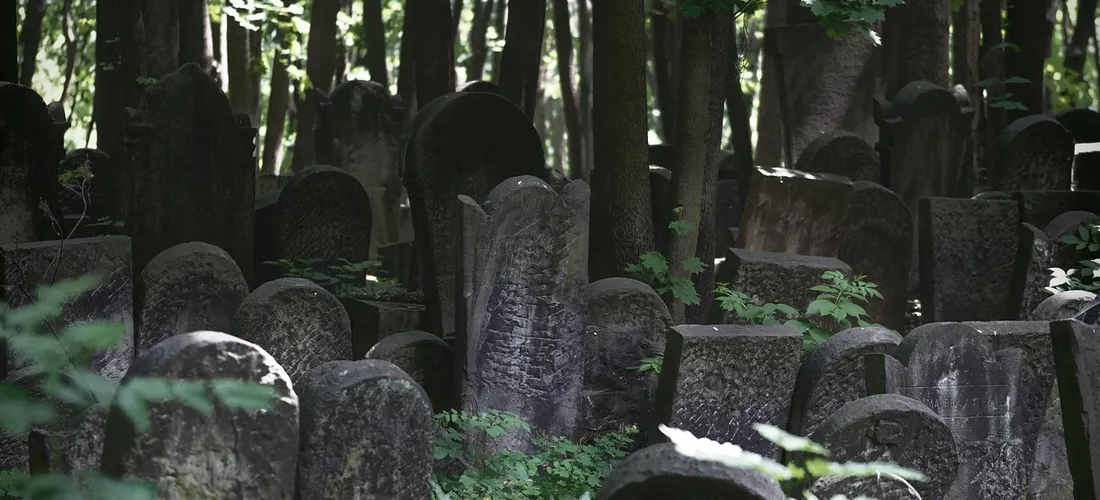
Many religious traditions guide these decisions. Jewish and Islamic burial customs typically require interment within a day, viewing the body’s natural return as sacred. Embalming is usually not permitted.
Other modern forms of disposition include donating the body to medical science. Alkaline hydrolysis, sometimes called water cremation, is another option that uses a gentle, water-based process.
Every one of these choices is valid when made with intention and respect. Your decision can reflect personal faith, environmental care, or a desire for simplicity. What matters most is that it honors a life and brings peace to those left behind.
Gentle Guidance: Your Questions Answered
Why did embalming become a standard practice in some cultures but not others?
Its prevalence was shaped by deep spiritual beliefs, like in ancient Egypt, or pressing societal needs, such as during the American Civil War. In cultures where swift, natural return to the earth is a core religious or philosophical value, like in traditional Jewish or Islamic burial, embalming did not take hold.
Is embalming always required by law?
No, it is rarely a universal legal requirement. Most often, embalming is a personal choice made to facilitate a viewing or for practical reasons like extended time before services. Your funeral director can provide clear guidance based on your state’s specific regulations and your family’s wishes.
How can our family decide if embalming is the right choice for us?
Consider your plans for a visitation, the timing for traveling relatives, and what would bring you the most peace when saying goodbye. This is a personal decision about care and closure, and your funeral provider is there to explain all options without pressure.
Parting Reflections on Embalming’s Journey
Understanding that embalming stems from ancient, caring rituals can offer solace as you consider modern options. Some families choose embalming to allow time for visitation and meaningful farewell rituals. Let this knowledge gently empower you to choose a practice that honors both your loved one and your own sense of reverence.
In all matters of Funeral Care, pursuing dignified care includes thoughtfully exploring gentle, eco-friendly alternatives. I encourage you to continue learning about Funeral Needs and Funeral Questions, ensuring each decision is made with both heart and informed responsibility.
Emiliana Dieter
Emiliana is an author at The Valedictory. She is an experienced funeral care advisor and arranged and organized many funerals as part of her end of life consulting services. She has over 8+ years in the funeral industry managing her family funeral business and helping families cope with the loss of their loved ones. Her articles answer any and all questions you might have regarding funeral arrangements, costs, preparations, etc so you can make this a seamless experience.