
Who Can Attend a Funeral? Understanding Legal Rights and Privacy
Planning a funeral often surfaces quiet worries about who should be there. You may balance personal grief with the practical need for boundaries.
This guide helps clarify those concerns by explaining key areas of funeral attendance. We will cover legal rights that govern who can come, privacy guidelines to protect the family, and public access restrictions you might encounter.
Who Decides Who Attends? The Legal and Personal Framework
In my years of supporting families, I have found this question carries immense emotional weight. The person who legally arranged the funeral service holds the primary right to decide on attendance.
This is almost always the immediate family or the legal next-of-kin. They become the hosts, tasked with creating a guest list that feels right.
This responsibility is a profound act of care. It is about balancing the wishes of the person who died with the needs of those left grieving.
The legal right to control attendance rests with the person who signed the funeral home contract, allowing them to shape a service that provides comfort and closure.
Disagreements can arise, which is a normal part of grief. In these moments, I gently remind families that the goal is a ceremony that honors a life, not a perfect guest list.
The Role of the Funeral Director: Your Partner in Protocol
A skilled funeral director is your greatest ally in managing access. We are here to act on your family’s wishes with both firmness and grace, recognizing the responsibilities and challenges involved in such a role.
Think of us as discreet facilitators. If you decide on a private service, we can help word the obituary to reflect that. We can station staff at the chapel door to quietly guide guests.
We handle the practical details so you can focus on remembrance. This includes managing inquiries, coordinating with clergy or celebrants, and ensuring the space feels secure and sacred.
Your funeral director is a seasoned partner who can tactfully enforce privacy, allowing your family to grieve without the burden of confrontation.
I have seen the relief on a family’s face when they realize they are not alone in this task. It is our honor to provide that support.
Are Funerals Public or Private Events? Setting the Expectation
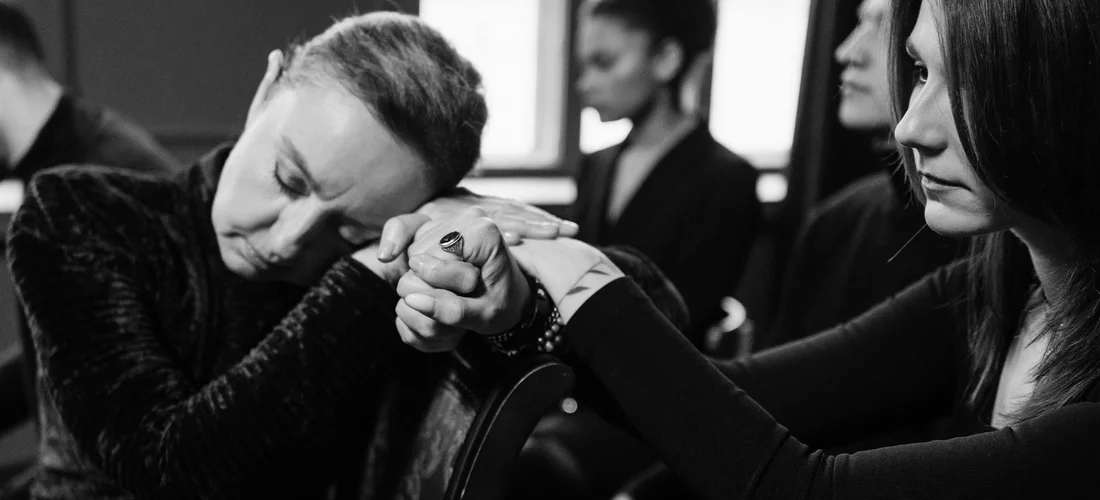
The distinction between public and private is the cornerstone of managing attendance. A public funeral is openly announced, like in a newspaper, inviting all who wish to pay respects.
A private service is by invitation only. The location, time, and details are shared selectively with chosen guests.
Most funerals begin as private by default. The gathering is intimate until the family chooses to make a public announcement. After the service, many families host a funeral reception—a post-service gathering—to connect with guests and share memories. You have control over this from the very start.
To formally declare a service private, you simply instruct your funeral director. We will ensure the obituary uses phrases like “private funeral at the family’s request” or “a service for invited family and friends.” Following private funeral service etiquette helps maintain discretion and respect for attendees. For more guidance on etiquette, see our etiquette resources in the next steps.
Legally, a funeral is not considered public information in the same way a court proceeding is; your intent, communicated through the obituary and arrangements, sets the expectation for access.
This is about creating a boundary of peace. A private notice respectfully informs the community while protecting the family’s need for a personal farewell.
Understanding “Public” vs. “Private” in Practice
Imagine a large church service for a community leader. The obituary states, “All are welcome to attend the celebration of life at St. Mary’s Church.” This is a public event.
Now picture a small gathering in a funeral home chapel. The notice reads, “A private funeral was held for John.” The difference in feeling is clear.
Even services held in public spaces, like a graveside ceremony in a cemetery, can be designated as private for their duration. Funeral staff can place discreet signage or rope off an area to create a temporary sanctuary.
The setting does not dictate the privacy; your stated wishes do. We can make almost any space feel like a private, held moment for your family.
I remember a service at a public park. We created a quiet circle with chairs, and for that hour, it was their own. The world respectfully passed by.
Family Control: Who Can Be Invited or Excluded?
The legal right to make funeral decisions belongs to the next of kin or a designated executor. This fundamental right includes full control over who is invited to attend the service. You are not obligated to host a public event.
The authority to make these decisions follows a typical order. It is usually held by the surviving spouse or domestic partner first, then by adult children, then by parents. If the person named an executor in their will, that person often works closely with the family to honor wishes and manage logistics.
This leads to a difficult but clear answer. A family can legally exclude specific individuals from a funeral service. The person with legal authority has the right to decide who may enter the private space of mourning.
Navigating Difficult Exclusions
Excluding someone, especially a family member, is a heavy decision made under the weight of grief. It is often done to protect the emotional safety of other mourners. I have seen families need to exclude individuals due to estrangement, a history of abuse, or a high likelihood of causing a scene.
A person’s will might express a desire for someone to not attend. While these wishes carry great moral weight, the legal authority to enforce them rests with the next of kin. Most families strive to honor such requests, viewing it as a final act of respect.
If you must set this boundary, clarity and calm are your best tools. You can assign one steady person to communicate the decision. A simple, firm statement often works best. You might say, “For the peace of the service, we ask that you not attend. We will inform you of the cemetery location if you wish to pay respects privately later.” Using “I” statements can help. “I need to ensure the day is calm for the children” centers your responsibility.
Legal Frameworks: Privacy, Venue Rules, and Disruption
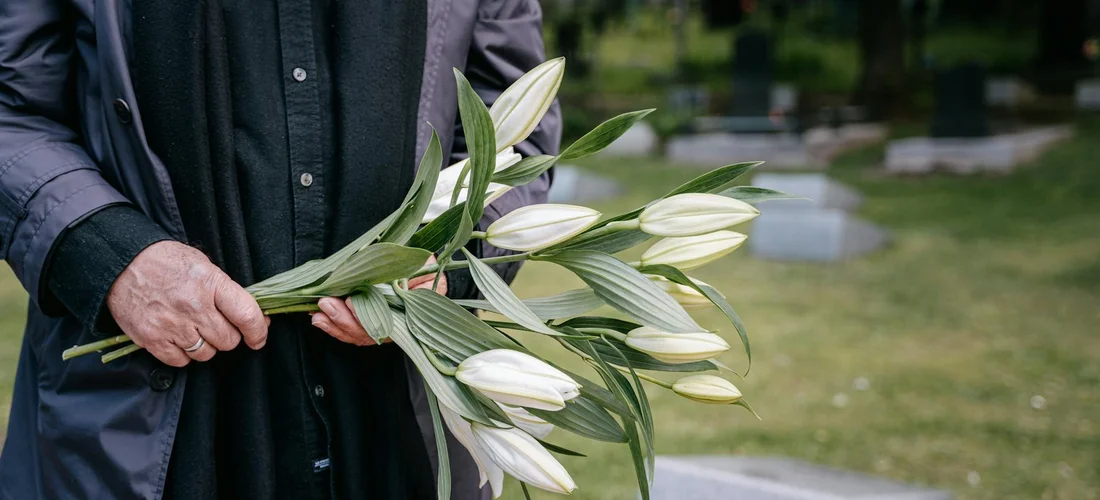
There is no single law called a “funeral privacy act.” Instead, general laws protecting private property and peace apply. Trespassing and disorderly conduct statutes give legal backing to a family’s right to a private, undisturbed service. These principles also guide post-funeral events and the legal steps families may need to take afterward. Understanding these steps helps ensure that any subsequent gatherings or memorial activities stay within the law.
The funeral home or other venue operates as an extension of the family’s wishes during a service. The director and their staff act as your agents, and they are legally permitted to refuse entry to anyone you have excluded. They can ask a person to leave private property, just as you could at your own home.
If someone becomes disruptive, they are not simply being rude. They may be breaking the law. The funeral director can intervene, and if necessary, call law enforcement to have the person removed for disorderly conduct or trespass. The goal is always to resolve things quietly, but the legal tools are there.
What Happens When an Uninvited Person Arrives
If you see someone arrive whom you did not invite, please do not confront them. Your role is to grieve, not to police the door. Immediately and quietly notify the funeral director or a trusted staff member. Point the person out discreetly. We are trained for this.
We will approach the individual calmly and ask to speak with them in a private area, away from the gathering. We will explain that the service is private and by invitation only. We always aim for a dignified resolution that avoids a scene. Our priority is to create a shield between you and any potential disturbance, allowing you to focus on saying goodbye.
Special Cases: Media, Creditors, and Public Spaces
A funeral is a private moment of grief, not a public event. Some situations require extra clarity to protect a family’s peace.
Media and Press Attendance
Journalists and camera crews do not have an automatic right to be present. Their attendance is a privilege granted solely by the family.
Explicit, advance permission from the next of kin or the person arranging the funeral is absolutely required for any media presence. You or your funeral director can act as a gatekeeper, politely but firmly turning away any press who arrive without this consent.
Can Creditors Attend?
Financial matters have no place at a service. A person owed money has no legitimate personal interest in attending a funeral.
You are fully within your rights to bar a creditor from attending, as their presence is almost always inappropriate. If you are concerned about a confrontation, inform your funeral director beforehand; they are experienced in handling such sensitivities with discretion.
Services in Public Cemeteries
A graveside service in a public cemetery involves a subtle distinction. The pathways and roads are open to the public.
However, the specific burial plot is legally private property leased or owned by the family, making the service itself a private gathering. While someone might pass by on a distant path, they should not linger near the tent or chairs. Funeral staff will gently manage the immediate area to ensure your privacy.
A Note on Etiquette and Social Protocol
Beyond legal rights, there is a social heart to these gatherings. Navigating it with grace respects both the deceased and the living.
How to Ask If You’re Unsure
If the invitation isn’t clear and you feel your attendance would be meaningful, a gentle, private inquiry is best. Reach out to a close family member or the person listed in the obituary.
Phrase your question with care, making it easy for them to say no without guilt. You might say, “I would be honored to pay my respects if it feels right for your family. Please know I completely understand if it’s a private service.” This puts their needs first.
The Role of Culture and Tradition
Who is welcome is often deeply guided by faith and custom. These traditions provide a framework for mourning that families find comforting.
Some religions, like many Hindu or Sikh traditions, hold open services where all who wish to honor the deceased are welcome. Others, like some Orthodox Jewish rites, may be strictly limited to immediate family and the burial society. These funeral customs and religious services shape how communities honor the deceased. Across traditions, prayers, processions, and memorials reflect core beliefs about loss and remembrance. Always defer to the stated wishes of the family, as they are following a path laid down by their community and beliefs.
If You Are Not Invited
Not receiving an invitation can sting. Please try not to take it personally. Grief is overwhelming, and families often make difficult choices to simply get through the day.
The kindest response is to support the family from a distance, without making your disappointment their burden. Send a heartfelt note, make a donation in memory, or offer practical help like a meal in the weeks that follow. Your compassion, shown in this way, is a profound gift.
When to Call a Funeral Director: Professional Support for Access Issues
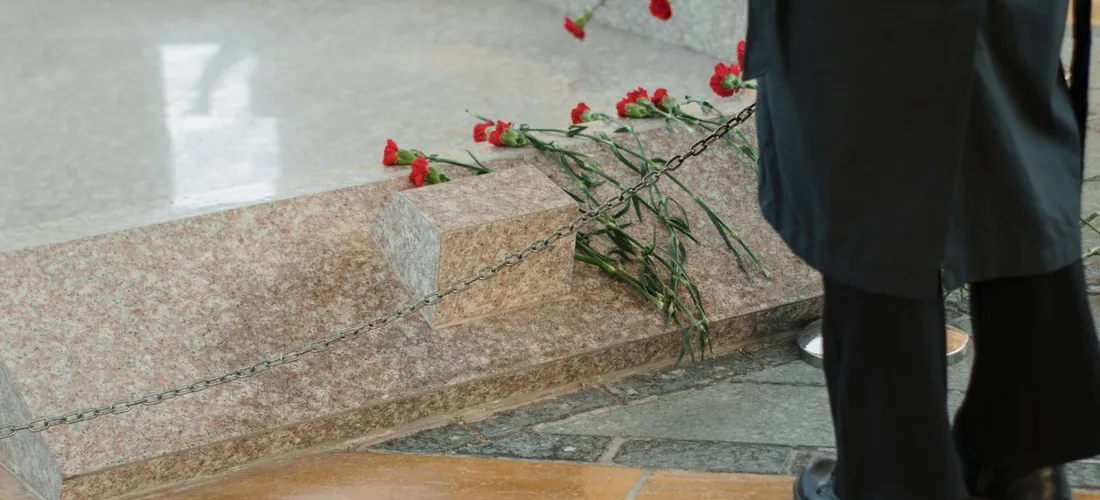
Think of a funeral director as your guide and advocate. I am here to translate your family’s wishes for a private, or carefully managed, service into a reality. My role is to handle the complex logistics so you can focus on being present with your grief.
My experience allows me to navigate sensitive situations with discretion and respect for everyone involved. You do not have to manage these difficult details alone.
Specific Situations That Benefit from Professional Guidance
There are moments when professional support becomes invaluable. Knowing when to ask for help is a sign of strength, not a burden.
- Securing a Venue: Not all chapels or halls are designed to manage access control. I can help you select a location that aligns with your need for intimacy or security, whether it’s a small family home or a facility with dedicated staff.
- Managing Guest Lists: Verbal instructions can become unclear under stress. I can serve as a neutral point of contact, politely verifying invitations at the door based on a list you provide. This removes that heavy responsibility from a grieving family member.
- Handling Obituary Wording: The words in an obituary directly control public knowledge. Phrasing like “a private family service will be held” or “in lieu of flowers, donations may be made to…” gently sets public expectations and directs attention respectfully. I can help you craft this message.
- Dealing with Potential Disruptions: From estranged relatives to unexpected visitors, tensions can surface. As a professional, I am trained to intervene calmly and diplomatically. My presence can de-escalate a situation before it disturbs the sanctity of the service.
The Space to Mourn
Leaning on this expertise has a single, profound purpose: it grants you space. When the practical concerns of who may attend are held by someone else, you are freed.
You can focus on the soft words of a eulogy, the comfort of a shared memory, or the simple, heavy silence of loss. My job is to stand at the periphery, ensuring the environment you asked for is maintained, so you can remain at the heart of what matters-remembrance.
Frequently Asked Questions About Funeral Attendance
Are there privacy laws that restrict who can attend a funeral?
While no single “funeral privacy law” exists, general trespassing and disorderly conduct statutes legally support a family’s right to a private service. Your designation of the event as private is what triggers these protections, ensuring your gathering remains respectful and undisturbed. Following established funeral etiquette behavior guidelines can help guests understand appropriate conduct during private services. Following these norms supports a quiet, respectful atmosphere.
Can a funeral home or venue restrict access to a funeral?
Yes, the funeral home acts as your agent and can firmly enforce your attendance wishes at a private service. Their staff is trained to manage access discreetly, allowing your family to mourn without confrontation. Consider the funeral home services you choose, as these decisions shape how your wishes are carried out. Choosing the right provider can ensure privacy, dignity, and smooth coordination for your family.
How do cultural or religious traditions impact who is invited to a funeral?
Traditions vary greatly, from open community ceremonies to strictly family-only rites. Always respect the family’s stated invitations, as they are guided by deeply held beliefs that provide comfort during loss.
Parting Reflections on Funeral Attendance

The most important guidance is to respect the family’s authority in deciding who attends, as they navigate legal rights with a need for private solace. Let compassion be your guide, ensuring the gathering offers comfort and honors the life lived.
When reflecting on Funeral Care, Funeral Needs, and Funeral Questions, choosing dignified, eco-friendly practices honors both memory and our world. I encourage you to keep learning, as knowledge brings clarity and fosters compassionate support during life’s most difficult moments.
Citations and Authoritative Sources
- What are our legal rights (if any) to attend funeral services for my Uncle whose wife is keeping all the arrangements
- Understanding Who Has the Legal Authority to Make Funeral Arrangements
- Who Has the Legal Authority to Make Funeral Arrangements?
Emiliana Dieter
Emiliana is an author at The Valedictory. She is an experienced funeral care advisor and arranged and organized many funerals as part of her end of life consulting services. She has over 8+ years in the funeral industry managing her family funeral business and helping families cope with the loss of their loved ones. Her articles answer any and all questions you might have regarding funeral arrangements, costs, preparations, etc so you can make this a seamless experience.