
Legal Guide to Funeral Planning: Your Rights and Responsibilities
When you are grieving, legal questions about funerals can feel overwhelming and cold.
This article explains the straightforward rules you must follow and the important choices you control. We will cover your legal right to direct a funeral, the mandatory requirements for burial and cremation, and the practical rules that guide you when making arrangements.
Who Has the Legal Right and Duty to Make Funeral Decisions?
When someone dies, the law designates a person with the “right of disposition.” This is the legal authority and duty to decide about the funeral and the final resting place. This right is not automatically given to the person who feels closest to the deceased; it follows a specific order set by state law. Knowing this hierarchy can prevent confusion during a painful time.
The order of priority is generally consistent across most states. It typically follows this sequence:
- The surviving spouse or registered domestic partner.
- Adult children (often, a majority must agree).
- Surviving parents.
- Adult siblings.
- Other next of kin or a court-appointed representative.
Family disagreements can arise, even with a clear legal order. I have seen grief express itself as conflict over seemingly small details. If disputes occur, a brief consultation with a mediator or an attorney can provide clarity and prevent lasting family wounds. Sometimes, simply writing down the deceased’s known wishes can resolve tension before it grows.
The professional who helps you carry out these decisions is a funeral director. Their role is to guide you through the legal and practical steps. They work for you, facilitating the choices made by the person with the legal right of disposition. You are not alone in navigating this process.
So, who has the legal authority? In most cases, it is the surviving spouse. If there is no spouse, the duty passes to the adult children, then the parents, and so on. Your funeral director will ask you to confirm this relationship at the very beginning, ensuring every decision is made on solid legal ground.
Essential Paperwork: The Documents You Legally Need
Funeral planning involves necessary documentation. Gathering these papers feels formal, but it is a practical step that grants you permission to proceed with care and respect. You will need the official death certificate, any permits for burial or cremation, and identifying information for the deceased.
It helps to understand the first document you will encounter. A pronouncement of death is the official statement that death has occurred, made by a doctor or nurse at the time. A certified death certificate is the formal, state-issued legal document that registers the death and is required for all funeral and estate matters. You will need multiple certified copies for banks, insurers, and government agencies.
In some situations, other forms are required. If the death was under a medical examiner’s or coroner’s jurisdiction, they must sign a release before any funeral arrangements can be finalized. There is no rushing this step; it is a vital part of the legal process.
Necessary Paperwork and Information
To help your funeral director, have this information ready. It will make the necessary filings smoother.
- The deceased’s full legal name, Social Security number, and date of birth.
- The original or certified copy of the death certificate.
- A burial-transit or cremation permit, signed by the attending physician or medical examiner.
- Veteran’s discharge papers (DD-214), if applicable, for arranging military honors.
- Details from any pre-need funeral plan or funeral insurance policy.
Handing over these documents is an act of trust. Providing clear information is one of the most concrete ways you can care for your loved one’s legacy during the funeral process. Your funeral director will treat these details with the utmost responsibility.
Are Your Written Funeral Wishes Legally Binding?

Many people write their funeral wishes into their last will and testament. It feels like the right place for final instructions. I have seen the pain this can cause families, though. A will is typically not opened and read until days or even weeks after a death has occurred.
By that time, the funeral has almost always already taken place. Your family, acting with love and urgency, will have had to make all the arrangements without the guidance they desperately sought.
Stronger Tools to Ensure Your Wishes Are Followed
To give your family clear, timely direction, you need documents designed for this purpose. These instruments are recognized by law and are accessible immediately after a death.
- A Designated Agent Form: This is a straightforward, powerful document. You legally appoint one or two people to carry out your funeral and burial wishes. You give them the authority to make decisions on your behalf, which helps prevent disputes.
- A Pre-Need Funeral Contract: This is the most secure method. You plan and pay for your funeral in advance directly with a funeral home. The contract details your choices and fixes the cost. It is a binding agreement that the funeral home is obligated to follow.
- A Separate Letter of Instruction: This is not always a legally binding document, but it is incredibly valuable. Write it as a personal letter to your family. Be specific about your wishes for the service, music, or burial clothing. Keep it with your other important papers and tell your agent where it is.
Addressing Common Legal Questions
So, are funeral wishes in a will legally binding? The answer is complex. The instructions themselves may be valid, but their timing renders them practically useless for guiding a funeral. A court cannot enforce wishes that were not known until after the event.
Laws do vary by region. In Victoria, Australia, for example, the law is specific. The Funerals and Burials Act 1966 states that the executor of the will has the right to make funeral decisions, but they must follow any directions left by the deceased if those directions are reasonable and practicable. Even here, the challenge of the will’s timing remains.
How to Make Your Wishes Known and Respected
The goal is clarity and peace for those you leave behind. Take these steps to ensure your plans are honored.
- Have a direct, gentle conversation with your immediate family. Tell them your general wishes and who you want to be in charge.
- Formally appoint a designated funeral agent through the proper form for your state or country. Give them a copy.
- Write a detailed letter of instruction. Leave it with your agent and your lawyer.
- If you wish to pre-pay, consult with a reputable funeral home. Understand exactly what the contract includes and guarantees.
Your foresight is a final gift of love, lifting a burden of guesswork and doubt from your family in a moment of profound grief. It allows them to mourn, celebrate your life, and find comfort in knowing they honored you exactly as you wished.
Rules for the Care and Final Placement of Remains
Many people ask, “What rules govern the handling of human remains?” The answer comes from a place of care. These laws exist to protect public health and to honor the dignity of the person who has died.
Universal rules are based on time and temperature. Once death occurs, the body must be refrigerated or embalmed within a specific window, often 24 to 48 hours, if final arrangements are not immediate. This is a standard health code requirement across states.
Embalming is not always legally required. It becomes necessary if there is a public viewing, if the body is being transported across state lines, or if there is a delay before burial or cremation. Your funeral director will know the exact rules for your situation, including any embalming requirements and laws.
These procedures might feel clinical when you hear them described. In practice, they are performed with immense respect. These rules create the necessary time for family to gather, to say goodbye, and to honor a life without the pressure of urgent decay. They are a foundation of care, not just bureaucracy.
When to Call a Funeral Director
You should contact a licensed funeral director when you are ready to move the deceased from the place of death. This is often the first practical step after a death at home or in a hospital. They are legally authorized to transport the deceased, which provides a safe and respectful transition during a painful moment.
Their role is to manage the details that allow you to focus on grief and family. This includes crucial legal paperwork.
- They secure the permits required for transportation, cremation, or burial.
- They file the official death certificate with the state, which is needed to settle the estate.
- They ensure every part of burial or cremation follows state and local health codes.
- They navigate specific cemetery or crematory regulations, which can be complex and varied.
Think of them as your guide through an unfamiliar landscape. They carry the weight of compliance so you do not have to, allowing space for remembrance instead of worry over rules.
Choosing Burial or Cremation: Key Regulations to Know
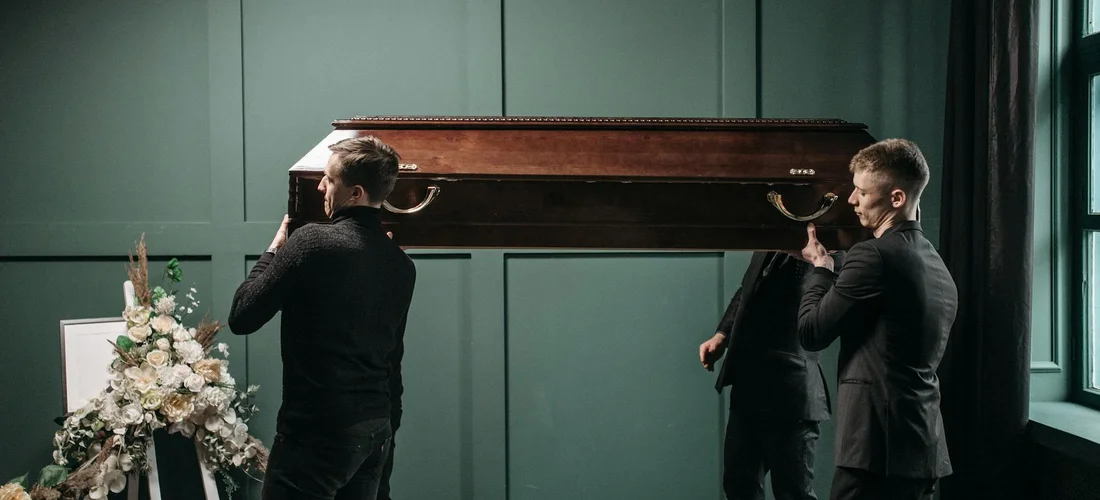
Many people ask me, “What are the regulations for burial versus cremation?” I understand this question comes from a place of care, wanting to do things correctly. The rules exist to honor your loved one with safety and respect, especially when it comes to state laws for cremation.
The core difference is that burial is governed more by local cemetery rules, while cremation has specific state laws for authorization and timing. Both paths have straightforward steps, and your funeral director can guide you through each one. A quick look at the cremation vs burial differences helps families make informed choices.
Understanding Burial Requirements
If you choose burial, the cemetery will provide you with its own set of rules. These are not typically state laws, but they are binding contracts. I always review these documents carefully with families. Among these are cemetery plot burial regulations that govern plot size, placement, and interment timing. Understanding these regulations helps families plan responsibly and prevents avoidable delays.
You will often hear about vaults or grave liners. Most cemeteries require a vault or liner, which is a concrete outer container that holds the casket. This is a practical rule to prevent the ground from sinking as the casket naturally settles.
It maintains the cemetery’s appearance and makes caretaking easier. Think of it as a foundation for a permanent memorial.
Navigating Cremation Procedures
Cremation involves a few key legal steps. The first is a mandatory waiting period. State law requires a waiting period, usually 24 to 48 hours after death, before cremation can proceed. This allows time for all necessary paperwork and authorizations.
You must complete a cremation authorization form. This is a legal document, often requiring signatures from the next of kin. It confirms your informed consent for the process. There are other cremation legal documents you may need to review to be fully prepared. Our next steps will include links to those resources to help you navigate them more easily.
The container holding the body must be combustible and sturdy enough for handling. A simple wooden container or a reinforced cardboard alternative is perfectly acceptable and often used. You are not required to purchase an expensive casket for cremation.
Honoring Military Service
Music and ritual provide great comfort. Some families wonder if a live bugler is legally required for a veteran’s service. It is not a universal law.
For veterans, specific protocol rights are provided by the Department of Veterans Affairs, which may include a bugler or a recording of Taps. I help families request these honors, which are a dignified tribute to service. Your local veterans’ group can often assist in arranging a live performance as a heartfelt gesture.
Navigating Funeral Home Contracts and Your Consumer Rights
When you are planning a funeral, a contract can feel like a cold document. My aim is to warm that process for you. You have clear rights, and knowing them can provide a bit of calm in a difficult time.
Rules for Funeral Contracts and Your Protections
Many people ask about the rules for funeral service contracts and what laws protect them. In the United States, the primary safeguard is a federal regulation called The Funeral Rule, enforced by the Federal Trade Commission. This rule exists to ensure you receive clear information and are not pressured into purchases you do not want or need. It gives you the right to make choices without facing penalties or embarrassment.
Your Right to an Itemized Price List
The Funeral Rule requires funeral homes to give you a detailed, itemized price list when you ask about arrangements, even over the phone. This list must cover everything from caskets and embalming to transportation and staff fees. You have the legal right to see this list and to select only the items and services you desire. You do not have to accept a package; you can build a service that fits your wishes and your budget, piece by piece.
For example, if direct cremation is your choice, the funeral home cannot require you to purchase a casket. They must offer a simple alternative container. This rule is designed to prevent unnecessary upselling during a vulnerable moment.
Avoiding Misrepresentation and Getting It in Writing
Funeral providers are prohibited from misrepresenting legal, cemetery, or crematory requirements. A common concern is being told that a certain service, like embalming, is legally required when it often is not for a simple viewing or a quick funeral. Always ask for clarification on what is a law, what is a cemetery policy, and what is simply a suggestion.
Protect yourself by getting every quote and promise in writing before you sign anything. A verbal estimate can be forgotten or misunderstood. A written document, even a simple list of services and prices, creates a shared understanding. Think of it as a receipt before you buy, giving you a chance to review and ask questions.
Reviewing Cancellation Policies and Price Guarantees
Before you sign a contract, look carefully at two key sections: the cancellation policy and the price guarantee. Understand your options if you need to change or cancel a service, and know if any fees would apply. Life is unpredictable, and a compassionate provider will outline this clearly.
Also, check if the prices are “guaranteed” or “non-guaranteed.” A guaranteed price means the cost will not increase, even if the funeral takes place months later. A non-guaranteed price may be subject to increases, which should be explained. Take your time reading this. It is perfectly acceptable to sit quietly with the paperwork or to ask a trusted friend to look it over with you.
Legal Considerations for Scattering or Keeping Ashes

Many people ask me, “Are there specific laws about scattering ashes, especially in delicate places like national parks?” The question often carries a quiet weight, a hope to honor a loved one’s final wish without complication. I find it helps to understand the framework, so you can move through it with a sense of peace.
In most places, scattering cremated remains is generally permissible. The core legal principle is respect for property and public spaces, which guides all the specific rules you might encounter when scattering ashes. My advice is always to proceed with gentle intention and a bit of forethought.
Scattering on private land always requires permission. This land could belong to someone else, or even be land your family owns. I encourage a quiet conversation with the landowner, explaining your purpose. It is a simple act of courtesy that prevents future distress and honors the solemnity of the moment.
For public land, you must check local city or county ordinances. Rules can differ greatly between a neighborhood park, a state forest, or a city square. A quick call to the parks department or local government office can provide clear guidance and save you from an unintentional violation during a vulnerable time.
Specific venues have their own protocols. Scattering ashes at sea, for instance, often requires doing so at least three nautical miles from shore. National Parks typically require a special permit. These rules exist not to create barriers, but to protect shared natural environments for everyone’s reflection.
Choosing to keep ashes at home in an urn is a common and comforting practice for many. There is generally no law against keeping cremated remains in your personal residence, as they are considered private property. The guidance here is one of common sense and respect; however, it is important to be aware of state laws regarding cremated ashes.
Place the urn in a secure, stable location where it will not be disturbed. Think of a shelf that is not too high, or a quiet corner of a room they loved. This act is less about legality and more about creating a small, dignified space for memory within the flow of your daily life.
Pre-Planning: How to Arrange and Fund Services in Advance
Many people ask me, “What are the legal requirements for pre-planning or pre-paying?” The answer begins with a vital distinction. There is a profound difference between stating your wishes and creating a legally binding plan.
You can write down your preferences in a letter or discuss them with family. This act is a priceless gift of guidance. These expressed wishes, however, are not legally enforceable in most places. Your loved ones can use them as a map, but they are not required by law to follow it.
A pre-need contract with a funeral home is a different matter. This is a formal, signed agreement for specific services and merchandise. When you sign a pre-need contract and fund it, you create a legally binding obligation for the funeral home to provide what you have selected. It is a promise that must be kept.
You might wonder about the safety of pre-paid funds. State laws provide specific protections for your money. In most cases, the funeral home must place the funds into a trust account or purchase an insurance policy designated for your plan. These rules are designed to ensure the money will be there when it is needed, often growing slightly with interest over time.
Your careful planning must be shared to be effective. After you create any documents, provide a copy to your executor or the person who will make decisions for you. Tell them where the original is kept. A plan locked in a safe deposit box discovered weeks later offers no comfort in the immediate moments after a death. Giving clear access is the final, crucial step in true preparation.
Common Mistakes to Avoid
I have seen families encounter unnecessary stress by overlooking a few key details. Avoiding these common errors can spare your loved ones confusion during a painful time.
Many people write their funeral instructions into their last will and testament. A will is typically read well after the funeral has occurred, making its instructions for services sadly impractical. Your will is for your estate; keep your funeral wishes in a separate, accessible document shared with your decision-maker.
Do not assume your next of kin automatically knows they are in charge. State laws establish a legal hierarchy, usually starting with a spouse, then adult children, then parents. Verifying who the legal decision-maker is before any plans are finalized prevents painful disputes at the funeral home door. It allows everyone to understand their role.
The Funeral Rule requires funeral homes to provide you with an itemized price list before you discuss services. Never sign a contract or agreement without reviewing this detailed list first. It is your right to know the cost of every single item, from the casket to the hearse, so you can make informed choices.
Pre-paying can lock in prices and lift a future burden, but the terms matter. Always ask about the cancellation or transfer policy for a pre-paid plan. Can you get a refund if you move? What if you change your mind? Understanding these terms protects your flexibility and your investment.
The wish to scatter ashes in a beloved park or beach is deeply personal. Public lands, however, are governed by regulations. Scattering ashes in a public area without first checking local, state, or federal regulations can result in your loved ones unintentionally breaking the law. Always research first, or choose private property with the owner’s consent.
Frequently Asked Questions
What are the most immediate legal requirements after a death?
The primary requirements are obtaining a certified death certificate and a burial or cremation permit. Your funeral director will securely manage this necessary paperwork for you, ensuring they meet all legal requirements.
What rights protect me as a consumer of funeral services?
You are protected by the FTC’s Funeral Rule, which guarantees your right to an itemized price list and to choose only the services you want. This ensures transparency and prevents pressure during arrangements.
What legal documents should I prepare in advance?
A Designated Agent Form and a Pre-Need Contract are the strongest documents to ensure your wishes are followed. Keeping these accessible to your family is as important as creating them.
Parting Reflections on Funeral Planning Rights
The single most important piece of advice is to remember that these legal frameworks exist to protect your right to make meaningful choices. Knowing your rights allows you to navigate this tender time with both clarity and compassion.
I encourage you to always prioritize dignified care and consider gentle, eco-friendly options as part of responsible Funeral Care. Remaining open to learning about Funeral Needs and Funeral Questions is a practical way to honor a life and care for yourself.
Emiliana Dieter
Emiliana is an author at The Valedictory. She is an experienced funeral care advisor and arranged and organized many funerals as part of her end of life consulting services. She has over 8+ years in the funeral industry managing her family funeral business and helping families cope with the loss of their loved ones. Her articles answer any and all questions you might have regarding funeral arrangements, costs, preparations, etc so you can make this a seamless experience.