
Navigating Funeral Planning: Costs, Etiquette, and Traditions in the US
The practical details of a funeral can feel overwhelming when you are grieving. I have sat with many families who shared your same questions about expense, conduct, and custom.
This article offers a calm, straightforward path through three key areas:
- Average funeral costs in the United States and what typically influences them.
- Respectful etiquette to guide your actions and words.
- The meaningful roots behind common funeral traditions.
Breaking Down US Funeral Costs: A Line-by-Line Guide
When we talk about average funeral costs, the numbers can feel overwhelming. It is more helpful to think of a wide spectrum, from a simple direct cremation for a few thousand dollars to a traditional burial that can cost over ten thousand. Where you live and the specific choices you make will determine the final amount.
The funeral home’s basic services fee is a mandatory charge for their core work. This covers planning, securing permits, and coordinating with the cemetery. It is separate from the costs of the casket, the burial plot, or the services of a clergy member. These additional expenses are detailed in our funeral costs and expenses guide.
Let’s look at common line items you will encounter. A casket can range from a simple wooden box to an ornate metal one. A burial plot in a cemetery has its own price, and a headstone adds another expense. Embalming, if you choose a viewing, is an additional service. Transportation in a hearse and an honorarium for a celebrant or clergy are also typically itemized.
For anyone asking “cuánto cuesta un funeral,” I offer this gentle guidance. The total cost depends deeply on your wishes, but cremation is generally a less expensive path than a full burial service. There is no right or wrong choice, only what feels respectful and manageable for your family.
A Quick Snapshot of Funeral Service Costs
The table below provides a general comparison. Please remember, these are national estimates. You must contact providers in your area for specific pricing.
| Service Type | Estimated Cost Range | What’s Typically Included |
|---|---|---|
| Direct Cremation | $1,000 – $3,000 | Basic services fee, transportation, cremation process, simple container. No viewing or ceremony. |
| Funeral with Viewing, then Cremation | $4,000 – $7,000 | Basic services, embalming, viewing/visitation, ceremony, transportation, cremation fee, urn. |
| Traditional Funeral with Burial | $7,000 – $12,000+ | Basic services, embalming, viewing, ceremony, transportation, casket, burial plot, headstone (often separate). |
These figures are a starting point for conversation, not a final bill. Prices for caskets, urns, and cemetery property vary tremendously and will affect your total.
What to Expect: Funeral Home Arrangements and Pricing
When you visit a funeral home, they are required by law to provide you with a General Price List (GPL). This document lists every service and item they offer with its current price. Think of the GPL as a menu that allows you to make informed, itemized choices. You are not required to purchase a package.
Going through the list line by line helps maintain control over your budget. You can select only the services that are meaningful to you. For instance, you might choose a rental casket for a viewing instead of purchasing one, which significantly reduces cost.
This can be an emotional process. If you feel pressured to choose expensive options you did not want, pause. It is perfectly acceptable to ask for time to think or to bring a clear-headed friend or family member with you for support. A reputable funeral director will give you the space and information you need to decide without pressure.
Alternative Options to Manage Expenses
Many families find peace and simplicity in alternatives to a full-service funeral. Direct burial or direct cremation involves no embalming or public viewing. The body is taken directly to the cemetery or crematory. These are the most basic and affordable options, focusing on dignified care without ceremony. They are often chosen as cremation methods or burial alternatives.
Green or natural burial is another path. It forgoes embalming fluids and uses a biodegradable shroud or casket. Since it eliminates many conventional costs, it can be more affordable, while also aligning with environmental values.
You can also separate the commemoration from the body’s care. Holding a “Celebration of Life” gathering at a community hall, park, or home weeks later offers immense flexibility in both spirit and cost. This allows you to personalize the event without the immediate time constraints and formalities of a funeral service.
How to Plan Ahead and Ease the Financial Burden
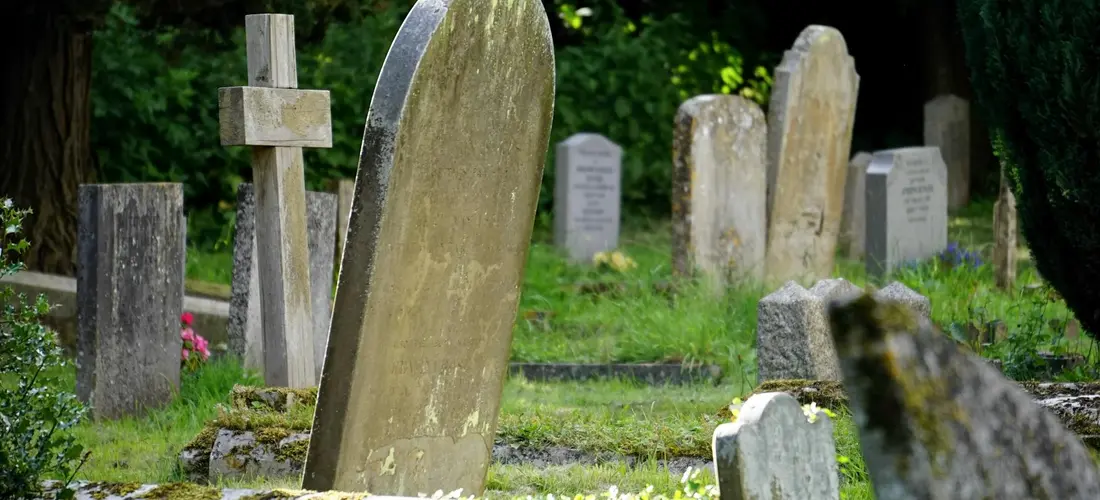
When grief arrives, financial worries should not add to the burden. Planning ahead is a compassionate gift to your loved ones.
Pre-planning and pre-paying your funeral arrangements can lock in today’s prices. This shields your family from future cost increases. By making these choices now, you spare your family from difficult decisions during a time of loss. I have seen the profound relief it brings, a quiet comfort in a storm.
A simpler alternative is to set aside funds in a payable-on-death account. The money transfers directly to a named beneficiary, avoiding legal delays. It is a clear and accessible path for your family to follow.
You might also consider final expense insurance. These policies are designed specifically for end-of-life costs. They offer a dedicated way to manage these expenses with grace.
Essential Etiquette for Funeral Attendees
Your presence at a funeral is a support to the grieving. Focus on their practical and emotional needs above all else. Supporting mourners with mindful funeral etiquette helps you act with respect and care. Small, considerate gestures often matter most.
When offering condolences, keep your words short and heartfelt. A simple “I’m so sorry for your loss” holds immense power. Understanding funeral condolence phrases etiquette helps you say the right thing with care. It also guides what to say and what to avoid. Your quiet presence often speaks louder than any lengthy speech.
Dress in modest, conservative clothing. Traditional dark or subdued colors show respect, but cleanliness and neatness matter most.
Arrive on time for viewings and services. This shows consideration for the family’s schedule. Do not forget to sign the guestbook; it provides a tangible record of support for the family later.
Silence your cell phone and keep it stored away. The service is a time for shared reverence, free from digital distractions.
A Note on Etiquette for Specific Situations
Many people wonder if they should bring children to a funeral. This depends entirely on the child and their preparation. A well-prepared child can participate meaningfully, but it is okay to find alternative care.
Flowers are typically sent to the funeral home before the service. This allows the family to arrange them for the ceremony. Checking the obituary for specific preferences is always a thoughtful step when sending funeral flowers.
Visitations, at a home or funeral home, serve the purpose of offering comfort. Your role is to listen and perhaps share a warm, brief memory. A short visit is perfectly acceptable; you do not need to stay long, especially when observing viewing and funeral etiquette.
Customs vary between families, faiths, and cultures. If you are uncertain, it is okay to ask a close family friend for guidance discreetly. The intention to show respect is what truly counts.
Guidance for the Bereaved Family: Etiquette and Expectations
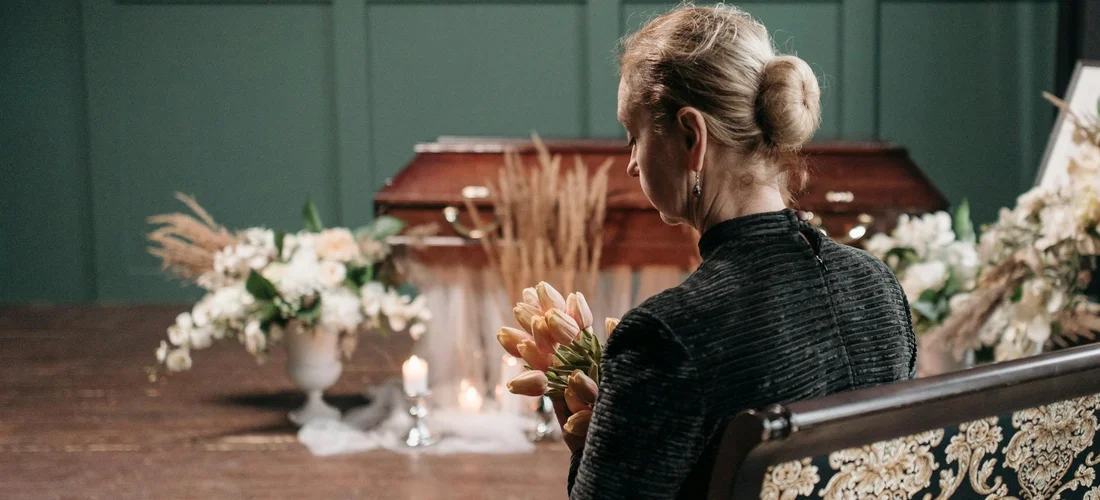
Your one true job is to grieve. You are not required to be a perfect host or to have all the answers. The weight you feel is real, and it is enough.
Please, give yourself permission to accept help. When a friend asks what they can do, say yes. A simple meal, help with childcare, or answering the phone for an afternoon can be a profound relief.
Consider asking one trusted person to be your family’s point of contact. This person can manage the stream of questions, coordinate logistics with the funeral home, and relay information to well-wishers.
This creates a gentle buffer for you. It allows you moments of quiet in a time of noise.
Many worry about thank-you notes. My advice is to be kind to yourself. A note can be three sentences long. It can be sent weeks or even months later.
People understand that your heart is full; a simple acknowledgment of their kindness, when you are able, is more than enough.
The Heart of Ritual: Why Funeral Traditions Matter
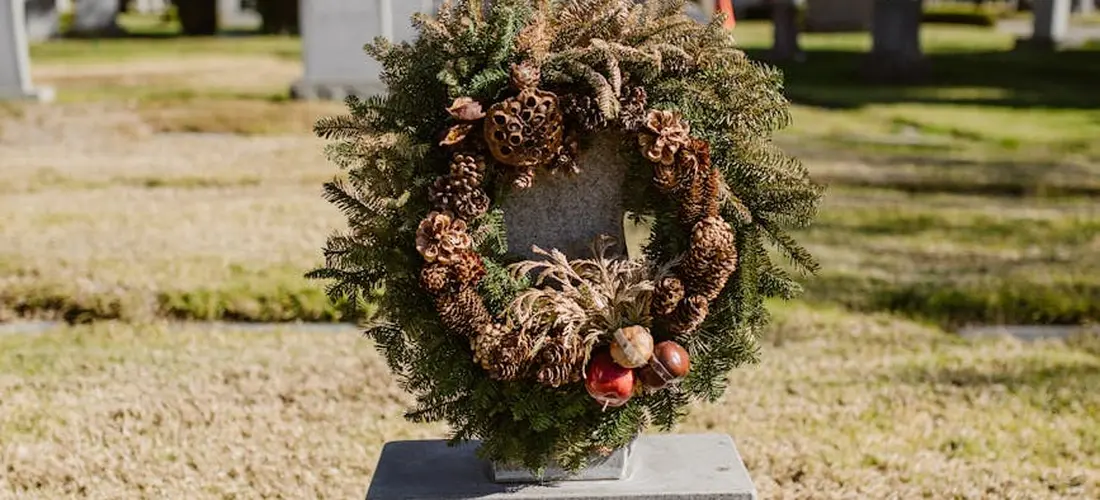
Rituals are not empty rules. They are containers. In the overwhelming flood of loss, they give shape and structure to our grief. They tell us what to do next when we cannot think.
These acts of ceremony hold us. They allow a community to physically gather around you, wordlessly saying, “You are not alone in this.”
You may hear different terms. A funeral typically refers to a service held with the deceased’s body present. A memorial service is held without the body, often at a later date.
In Spanish, the word ‘sepelio’ specifically refers to the burial or interment ceremony itself, the final act of committing the body to the earth or cremation chamber.
All these traditions share three universal purposes: to honor the unique life that has ended, to offer tangible support to the living who mourn, and to gently mark the hard, real truth of death.
They are a bridge between the private shock of loss and the public journey of remembering.
Common Western Traditions and Their Meanings
A wake or visitation is a time for personal farewells. It is often quieter and more informal than the service that follows.
Here, you can touch a hand, share a story directly with the family, or simply stand in silent witness. It is a space for shared memories before the formal committal.
A traditional funeral service creates a narrative of a life. It often includes music, readings, and eulogies that reflect the person. Understanding the traditional funeral service structure can help families plan the flow with intention. This structure typically outlines the order of elements, from processional to benediction.
A Funeral Mass adds layers of sacred ritual, focusing on themes of mercy, eternal peace, and the hope of spiritual reunion. The final prayer of commendation is a powerful moment of letting go.
The Committal service is the final act of care. At the graveside or crematorium, we witness the physical departure. Through funeral committal services, families mark this transition with reverence and quiet reflection. These moments invite lasting memories and closure for those left behind.
This brief, profound ritual makes the abstract concrete; it helps our hearts begin to accept what our minds already know. It is a collective, witnessed promise to carry memory forward.
Honoring Diverse Cultural and Personal Traditions
A funeral is a final act of love, and that love is expressed in countless beautiful ways. Cultural traditions provide a comforting script, a path to follow when our own thoughts are clouded by grief. Understanding these customs helps us support one another with greater compassion.
In the Jewish tradition, the focus is on simplicity, speed, and community. The burial usually happens within 24 to 48 hours. The casket is a plain pine box, signifying equality in death. The focus is on the soul, not the vessel, a practice that emphasizes spiritual return over material display. Following the burial, the family enters shiva, a seven-day period of mourning at home. Friends and community members visit, bringing food and sharing memories. This powerful tradition ensures the bereaved are physically surrounded by support when they need it most.
A Mexican funeral is often a vibrant, community-focused event that views death as a part of life’s continuum. It typically begins with a velorio, or wake, where the body is present. Stories are told, prayers are offered, and food is shared, creating a space for collective mourning. This is followed by a novena, nine days of prayer. The communal spirit of these gatherings reaffirms that the deceased remains part of the family’s ongoing story. Even a Mexican funeral in Paris would adapt these core elements-gathering loved ones, sharing food, and praying-using whatever local space is available to uphold the tradition’s heart.
Around the world, traditions reflect unique relationships with life and loss. In parts of Ghana, a person might be buried in a “fantasy coffin” shaped like a fish for a fisherman or a car for a driver. A “por por” funeral for Ashirifie, a transport worker, might include honking truck horns in celebration of his life. Others find meaning in scattering ashes in a beloved place or planting a memorial tree. Each custom, from the elaborate to the simple, is a testament to the individual life being honored and the community that remembers it.
Alternative Options for a Personalized Farewell
For many, the most meaningful service is one that sheds formalities to reflect a unique personality. A life celebration can be held anywhere that holds significance-a local park, a family home, or a community hall. The setting itself becomes part of the tribute.
These gatherings often prioritize personal stories over prescribed rituals. You might share a favorite meal, play their cherished music, or display their artwork. The goal is to create an atmosphere that feels authentically connected to the person you are remembering, not to a checklist of expectations.
Green burial is a tradition focused on environmental return. The body is prepared without chemicals and buried in a biodegradable shroud or casket. The grave site is often in a natural meadow or woodland, marked perhaps by a simple native stone. This choice offers a direct, physical return to the earth, which many families find profoundly comforting. Unlike many conventional burials, it emphasizes a natural decay process.
There is also a growing acceptance for unique tributes that mirror a passion. I have seen services where gardening tools were displayed instead of flowers, or where everyone wore the bright colors the deceased loved. One family released biodegradable paper lanterns at dusk. These personal touches are not distractions; they are the very language of a life well-lived, giving everyone present a clearer, more loving memory to hold.
Compassionate Guidance: Your Questions Answered
How can we discuss funeral costs without feeling overwhelmed or guilty?
Focus on honoring your loved one in a way that feels authentic and financially manageable for your family. A reputable funeral director will provide clear pricing and support your choices without pressure, helping you navigate this with dignity.
As the bereaved family, what are we truly expected to manage?
Your only obligation is to grieve; you are not required to be a perfect host. It is perfectly acceptable to delegate tasks to a trusted point person and to accept offers of practical help from your community.
What if we want to personalize a tradition but are unsure how?
The heart of any tradition is its purpose: to honor a unique life and support the living. Incorporating a favorite song, location, or shared activity is a meaningful way to adapt a ritual while preserving its comforting structure.
Parting Reflections on Funeral Costs, Etiquette, and Traditions
When facing funeral arrangements, let compassion and clear information be your guides. Honoring a life with dignity means making choices that feel right for you, informed by an understanding of costs, etiquette, and the meaning behind traditions.
I encourage you to view Funeral Care as an opportunity to choose dignified, even eco-friendly, options that reflect personal values. Please continue to explore your Funeral Needs and seek answers to your Funeral Questions, as this thoughtful engagement is a profound act of love and respect.
Emiliana Dieter
Emiliana is an author at The Valedictory. She is an experienced funeral care advisor and arranged and organized many funerals as part of her end of life consulting services. She has over 8+ years in the funeral industry managing her family funeral business and helping families cope with the loss of their loved ones. Her articles answer any and all questions you might have regarding funeral arrangements, costs, preparations, etc so you can make this a seamless experience.