
Understanding Funeral Interment: A Compassionate Guide to Its Meaning and Differences
Facing funeral arrangements can make even simple terms feel heavy with uncertainty. I want to help you understand “interment” with a clear and gentle heart.
Here, I will walk you through this concept step by step: what funeral interment means, its role in honoring a life, and how it is distinct from what we often call a burial.
Key Takeaways: A Gentle Summary
When you are grieving, funeral terms can seem like a fog. I remember how confusing this felt, both professionally and personally.
Interment is a broad term for the final placement of remains, while burial is one specific type of interment. Think of interment as the umbrella, and burial as one option beneath it.
The main choices are simple to understand. Burial lays a casket in the earth. Entombment places a casket in a mausoleum. Inurnment places cremated ashes in an urn, often in a wall niche.
There is no single right answer, only what feels respectful and comforting for your loved one and your family. Your choice is valid.
Understanding the Term ‘Interment’
Interment is the act of placing remains in a final resting place. It is the ceremonial moment we commit a body or ashes to earth, a tomb, or a niche. This act provides a physical anchor for memory.
The word comes from the Latin ‘in terra,’ meaning ‘into the earth.’ Its roots are in the soil, but its meaning has grown to cover all forms of final placement.
You often see ‘interment’ listed in an obituary. In an obituary, ‘interment’ signals the time and date of the final commitment ceremony. It tells guests when and where to gather for that last act of care.
So, the funeral interment meaning in English is clear. It is the respectful ceremony of committing the body or ashes to their resting place. It is a shared moment of closure.
The Interment Ceremony: What to Expect
The ceremony usually follows a quiet rhythm. People arrive at the gravesite, crypt, or columbarium. The air often feels still and heavy with meaning.
There may be final words, a prayer, or a reading. This is a time for collective silence or shared words, a last tribute before the physical parting.
Then comes the physical act of placement. You might witness the casket being lowered into the ground. You may see an urn being sealed into a granite niche with a soft click. Family members sometimes place flowers or gently toss a rose onto the casket.
These elements-the graveside chairs, the slow lowering, the sealed niche-are handled with deliberate care. The officiant will guide everyone through each step.
As someone attending, your role is to be a witness. You are not expected to perform or know what to do; your quiet presence is a profound support. Participation is always a choice, never an obligation.
Interment vs. Burial: Is There a Difference?
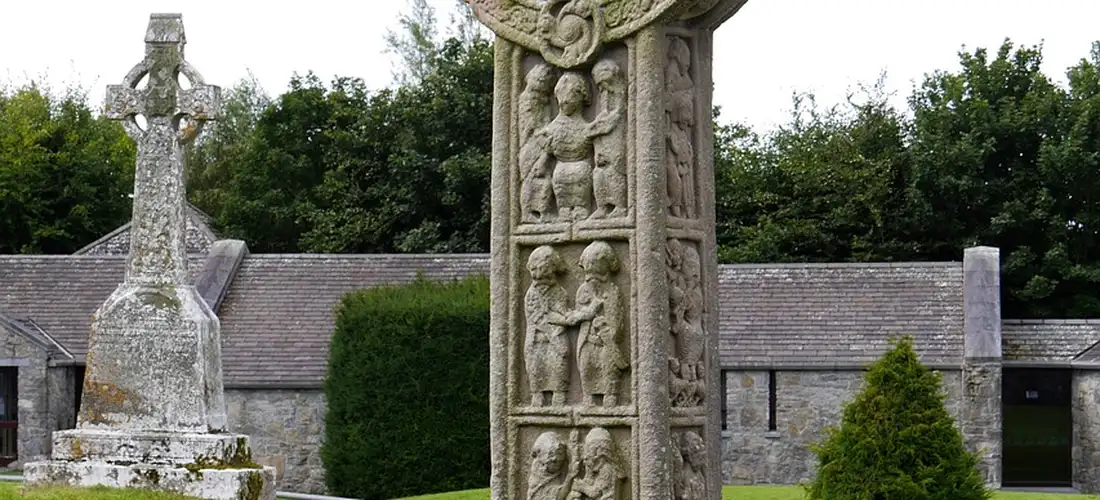
You may hear these words used together, and often, they do mean the same thing. But there is a subtle, important distinction.
Is interment the same as burial? In many everyday conversations, yes. Does interment mean burial? It can, but not always. The simplest way to understand it is this: all burials are a type of interment, but not all interments are burials.
Think of it like squares and rectangles. Every square is a rectangle, but not every rectangle is a square. In the same way, “interment” is the broader, final act of placing remains in a permanent resting place. “Burial” is the specific type of interment where a casket or urn is placed directly into the earth.
Burial refers specifically to the act of laying a casket or an urn containing ashes into a plot in the ground, a practice that often varies according to cultural methods and traditions. When we speak of a traditional funeral, the burial is the final step at the graveside.
Interment vs. Cremation: Understanding the Relationship
Cremation and interment are two separate steps in a process. One is a method of preparation, and the other is the final placement. Understanding the body cremation process can help families plan with confidence.
So, does interment mean cremation? No, it does not. Cremation is the process of reducing the body to ashes using heat and flame. Interment is what you choose to do with those ashes afterward.
After cremation, the ashes must be placed somewhere, and this placement is called interment. This can take several forms. The ashes might be interred in a columbarium niche, which is a small space in a wall designed for urns. They could be buried in a cemetery plot, much like a casket. Or, they could be scattered in a meaningful location.
The interment ceremony for ashes is often smaller and more flexible than a graveside service. It might be just immediate family gathering at the columbarium, or a quiet moment of scattering at a favorite park. The feeling is the same, a final, loving act of care.
A Quick Snapshot: Comparing Interment Options and Costs
Choosing a final resting place is a profound decision. I have sat with many families as they weigh these options, balancing practical concerns with what feels right for their loved one. The table below offers a general comparison to help you see the landscape.
Please remember, costs vary widely based on your region, the specific cemetery, and the merchandise you select. Always request a detailed, itemized price list from any cemetery or funeral home you are considering, especially when dealing with high expenses.
| Option | Description | Typical Cost Range | Key Considerations |
|---|---|---|---|
| Traditional Ground Burial | A casket is lowered into a plot of earth, typically marked with a headstone or monument. | $2,000 – $10,000+ (for plot, opening/closing, and marker) | Often involves additional costs for a burial vault or liner, as required by most cemeteries. This is a permanent, physical place for visitation. |
| Mausoleum Entombment | A casket is placed inside a sealed compartment within an above-ground building (a mausoleum). | $4,000 – $15,000+ (for crypt and inscription) | Provides shelter from the elements. Can be for an individual (single crypt) or a family (companion crypt). Often found in older, established cemeteries. |
| Columbarium Inurnment | An urn containing cremated remains is placed into a sealed niche in a wall or structure designed for this purpose. | $500 – $5,000+ (for niche and plaque) | A space-efficient option that provides a permanent, dignified memorial. Many modern cemeteries and some churches have columbaria. |
Looking at these numbers can feel overwhelming, especially when you are grieving. I tell families to focus first on what feels most honoring. The financial details, while significant, can often be worked through with clear information and a compassionate funeral director by your side.
The Different Types of Funeral Interment
Choosing a final resting place is a profound decision. Each option offers a different way to honor a life and provide a space for remembrance.
Ground Burial
This is the most traditional form of interment. The casket is lowered into a plot of earth within a cemetery. A graveside service often accompanies this act, bringing a sense of closure as loved ones witness the commitment of the body to the ground.
Most cemeteries require a burial vault or grave liner. Think of these as protective outer containers that support the earth above, preventing the ground from settling unevenly over time. They help maintain the cemetery’s landscape and provide a stable foundation for a headstone.
Green or Natural Burial
This is a choice within ground burial that focuses on environmental return. The body is buried without a vault, using a simple, biodegradable shroud or casket made of materials like wicker or plain pine.
The philosophy centers on a gentle, chemical-free return to the earth, often in a natural burial ground that doubles as a protected green space. It is a quiet, deliberate choice for those who find peace in the cycle of nature.
Above-Ground Interment: Mausoleums and Columbaria
This choice offers a sheltered final placement. A mausoleum is a building designed for entombment. Caskets are placed in sealed compartments, called crypts, within its walls. It is a permanent, architectural tribute. It is an alternative to traditional casket burial.
A columbarium is a similar structure, but it holds urns containing cremated remains. Each urn rests in a secure, individual niche, which can often be personalized with a plaque.
For many families, this option provides comfort. The space is indoors, quiet, and protected from the weather, creating a consistent environment for visitation that some find easier to bear. The sensory experience is one of stillness and sanctuary.
Alternative Options for Final Placement
Not every act of remembrance fits a traditional structure. These alternatives focus on personal meaning and the release of memory into the world.
Scattering Cremated Remains
Scattering is an act of release. It requires careful forethought. Always check local and state laws regarding where you may scatter ashes. Private land requires permission, and many public lands have specific regulations.
I encourage families to treat scattering as its own ceremonial act. You might read a poem, share memories, or observe a moment of silence as the ashes are committed to the wind, water, or earth. This transforms the moment from a simple task into a personal rite of passage.
Other Meaningful Alternatives
Modern options continue to expand. Bio-urns are designed to mix ashes with soil and a tree seed, so life grows from remembrance. A portion of ashes can be incorporated into glass jewelry or memorial art, keeping a physical connection close.
What matters is that these choices, however modern, can still be centered with a ceremony of commitment. Placing the bio-urn in the ground or receiving the keepsake among loved ones holds the same ceremonial weight as any interment.
Cultural traditions also guide this process deeply. In Chinese tradition, for instance, funeral interment involves precise ceremonial steps and the careful selection of a burial site using Feng Shui principles. This practice, called geomancy, seeks to find a harmonious location to honor ancestors and bring peace to the living.
How to Plan an Interment with Care
Planning a final farewell can feel overwhelming. Breaking it down into clear, manageable steps can bring a sense of order and purpose during a difficult time.
You are not alone in this process. We will walk through the key stages together, from the first decision to the final, personal touches.
Initial Decisions and Cemetery Selection
Before any details are set, a fundamental choice often guides everything else. You will need to decide between a traditional burial and cremation. Sometimes the person who has died left clear wishes, which can make this decision simpler. A quick burial–cremation comparison can help weigh factors like cost, space, and ceremony style. If there are no explicit wishes, comparing these options can provide clarity for the family.
If no wishes were expressed, take your time. There is no single right answer, only what feels most respectful and fitting for your family.
Once you have chosen burial, selecting a cemetery or memorial park is the next step. I always advise visiting in person, if you can. Walk the grounds and feel the atmosphere. Notice if the pathways are well-kept and if the staff you meet are respectful.
Seeing the space yourself helps you imagine your loved one resting there, and that can bring a surprising measure of peace. Consider the location’s convenience for future visits, and ask about any long-term care fees for the plot.
Working with Your Funeral Director
Your funeral director is your partner and guide. They handle the complex logistics so you can focus on meaning and memory. You will coordinate several specific items together according to their roles and duties.
- Scheduling the interment time and date at the cemetery.
- Arranging for a clergy member, celebrant, or a trusted person to lead the service.
- Ordering floral arrangements or requesting charitable donations in lieu of flowers.
- Arranging transportation for the family and coordinating the processional to the gravesite.
Please, ask every question that comes to mind. No question is too small when you are navigating grief. A good director will listen patiently and explain everything in plain terms.
Their expertise exists to lift practical burdens from your shoulders, allowing space for your emotional needs.
Personalizing the Interment Service
This ceremony is your chance to honor a unique life. Small, thoughtful details can transform a standard service into a powerful tribute. Consider what sounds, words, and objects reflected the person you love.
You might choose a piece of music to play as people gather or a favorite poem to be read aloud. Setting up a small memory table with photographs and personal items can spark shared stories among guests.
A simple, symbolic gesture often stays with people the longest. Inviting each person to place a single flower on the casket or to take a moment of silent reflection can be deeply moving.
This is your moment to say goodbye in your own way. There are no rules for the heart. Trust what feels right to you and your family.
Compassionate Answers to Common Questions
When should I use the term “interment” instead of “burial”?
Use “interment” as the respectful, all-encompassing term for the final placement ceremony, whether for a casket or an urn. It is especially helpful when the specific method, like entombment or inurnment, is already known or when you wish to speak in broader, more ceremonial terms.
What is the funeral interment meaning in Chinese tradition?
In Chinese tradition, interment is a deeply significant act guided by ancestral respect and Feng Shui (geomancy) to ensure harmony. The ceremony involves specific rituals and the careful selection of a final resting place to honor the deceased and bring peace to the living family.
Does the interment always happen immediately after a funeral service?
Not always. While often held directly after a funeral, the interment can be a separate, private ceremony held at a later time that works best for the family. This flexibility allows you to create a schedule that feels most manageable and meaningful during a difficult period.
Parting Reflections on Funeral Interment
I have found that the clearest path forward comes from understanding interment as the act of laying remains to rest in a chosen, permanent place. This knowledge gently empowers you to make a decision that respects both memory and practical reality.
I encourage you to consider interment options that provide dignified care and, where possible, incorporate eco-friendly practices. Please continue to learn about Funeral Care, approach Funeral Needs with patience, and always feel welcome to ask Funeral Questions.
Sources and Additional Information
- What is the difference between ”funeral” and ”interment?” When do you use each of them? – Quora
- What’s the Difference Between Entombment and Interment
- Interment – Definition, Meaning & Synonyms | Vocabulary.com
- What Are My Interment Options? – Funeral Basics
Emiliana Dieter
Emiliana is an author at The Valedictory. She is an experienced funeral care advisor and arranged and organized many funerals as part of her end of life consulting services. She has over 8+ years in the funeral industry managing her family funeral business and helping families cope with the loss of their loved ones. Her articles answer any and all questions you might have regarding funeral arrangements, costs, preparations, etc so you can make this a seamless experience.