
How Much to Pay a Funeral Officiant: A Compassionate Guide to Clergy Honorariums
When planning a funeral, the question of how much to offer the minister, priest, or rabbi often surfaces with a quiet weight. I want to help you approach this decision with clarity and heart.
This article will provide gentle, practical guidance on funeral officiant honorariums. We will discuss typical payment ranges, the factors that influence the amount, how to offer it with respect, and thoughtful options if cost is a concern.
What Is a Funeral Officiant Honorarium?
An honorarium is a gift. It is a voluntary payment you give to a minister, priest, rabbi, or other officiant to thank them for their service. This is not a formal salary or a bill for services rendered. Think of it as a heartfelt thank-you note with practical meaning.
While the gesture is voluntary, it is a deeply customary practice in most faith traditions. Clergy dedicate significant time to preparing a service, offering spiritual care, and leading a community in mourning. The honorarium is a tangible way to acknowledge that sacred labor.
So, do you pay a pastor for a funeral? In nearly all cases, yes, you do. You express your gratitude through an honorarium, a gesture that honors both their vocation and your loved one’s memory. It’s part of the etiququette and traditions surrounding funeral costs.
A Quick Snapshot: Typical Honorarium Ranges
Amounts vary by region, faith, and circumstance. The figures below are common guidelines, not fixed rules. Your own financial situation and local custom are the most important guides.
| Clergy Relationship | Typical Range | Notes |
|---|---|---|
| From Your Own Congregation | $150 – $300 | Often given even if the clergy refuses, as a donation to the church or synagogue. |
| Outside Clergy (Not Your Own) | $250 – $500 | Includes time for travel, meeting with family, and crafting a personalized service. |
| Non-Affiliated Officiant or Celebrant | $300 – $800 | This is often their professional fee, as they may not receive other financial support. |
I have seen families give less and I have seen them give more. The right amount is the one that feels like a genuine token of your thanks, given within your means.
A Note on Etiquette: The Heart of the Honorarium
This is about gratitude, not commerce. The etiquette centers on presenting the gift as an act of appreciation, not settling a debt.
Place the cash or check in a sealed envelope or a condolence card. A simple, sincere statement when you hand it to them is all that’s needed, especially if you’re following funeral gift ideas etiquette.
Most clergy enter this work from a place of service, and they are profoundly understanding of financial hardship. If offering the typical amount would cause you strain, give what you can. I have known many ministers who have quietly returned envelopes or asked they be given to a charity in the deceased’s name.
Factors That Influence the Honorarium Amount

Setting an honorarium is a personal decision, often shaped by several practical considerations. I find it helps to view it as a gesture for their dedicated time and spiritual care, not merely a transaction.
Think about these key factors as you decide.
- Travel distance matters. If your minister must drive a long way, an amount that covers their fuel and time is a thoughtful acknowledgment.
- Consider the time spent. This includes hours for pre-funeral meetings, crafting a personalized homily, and leading multiple services like a wake and burial. Their guidance through your memories and grief represents a deep investment of heart.
- The service’s complexity plays a role. A simple graveside ceremony requires different preparation than a full mass with specific rites or musical elements.
Your personal relationship with the clergy is perhaps the most tender factor. A pastor who has walked with your family for decades, who knew your loved one’s laughter, often serves from a place of calling. For them, your sincere gratitude can be as meaningful as any sum. A hired officiant, while equally compassionate, typically relies on these honors as part of their vocation.
I have seen families express their thanks with a handwritten note alongside the honorarium for a lifelong pastor. It speaks volumes.
Finally, quietly ask about denominational or cultural norms. Some congregations have suggested ranges, while others operate on traditional gift-giving customs. There is no single rule, only the respectful practice of your community. A discreet call to the church office can offer gentle guidance without adding to your burden.
Navigating the Question: Do You Pay a Pastor from Your Own Congregation?
This is a common and sensitive question for many grieving families. The direct answer is yes, offering an honorarium to your own minister, priest, or rabbi is still the expected and respectful custom.
Even if your clergyperson receives a salary from the congregation, the honorarium is separate. It is a personal gesture of gratitude for their specific time and care given to your family.
This gift acknowledges that their presence at the funeral, the personal visits, and the crafting of a meaningful service represent effort and emotional labor beyond their regular duties. Time is a pastor’s most precious resource, and the honorarium recognizes the portion they have dedicated solely to you.
Personal Perspective: A Minister’s View
In my years of ministry, I have received envelopes containing everything from heartfelt notes to monetary gifts. Each one was appreciated, but the ones I remember are those accompanied by a few sincere words from the family, especially when they included monetary contributions.
The amount itself is almost secondary to the act of giving it; the gesture communicates respect and acknowledges the shared journey through grief. It says, “I see the care you have given, and it mattered.”
Please understand, clergy enter this work to serve, not to be paid for sorrow. An honorarium is not a fee for services, but a traditional way of saying thank you for walking a difficult path with your family. That thought is what truly holds value.
The Practicalities: When and How to Present the Honorarium

Knowing the right amount is one step. The next is handling the gift itself with care. This small act is about showing your gratitude with thoughtfulness.
Choosing the Right Time
There is no single perfect moment, but a common and considerate practice is to offer the honorarium after the funeral service concludes. This allows the officiant to focus entirely on their duties during the ceremony. Being mindful of funeral etiquette expectations helps attendees gauge when to express thanks without interrupting proceedings. It also sets a respectful tone for how and when to present the honorarium after the service.
If you are uncertain, a quiet question to the funeral director or the clergy member’s administrative office can provide clarity. Asking ahead of time removes one more small worry from your mind on the day of the service. Being aware of common funeral etiquette dilemmas can help you navigate the day with tact. It can include greetings, seating, and appropriate expressions of condolence.
The Presentation Matters
How you give the honorarium is as important as the amount. The goal is discretion and respect.
Place the cash or check inside a sealed, plain envelope. On the outside, you may simply write “Thank you” or the officiant’s name. This simple method is private, secure, and universally understood.
A plain envelope handed with a sincere word of thanks honors the solemnity of the occasion.
Who Should Handle It?
You have two good options for who can present the envelope. The first is to ask a trusted, designated family member who is not immediately grieving.
This person can find a quiet moment after the service to offer the envelope with your family’s thanks. The second, and often easiest, option is to entrust the funeral director with this task.
Funeral directors are experienced in these logistics and can ensure the honorarium is delivered smoothly and at the appropriate time, giving you one less detail to manage.
What If the Clergy Refuses the Honorarium?
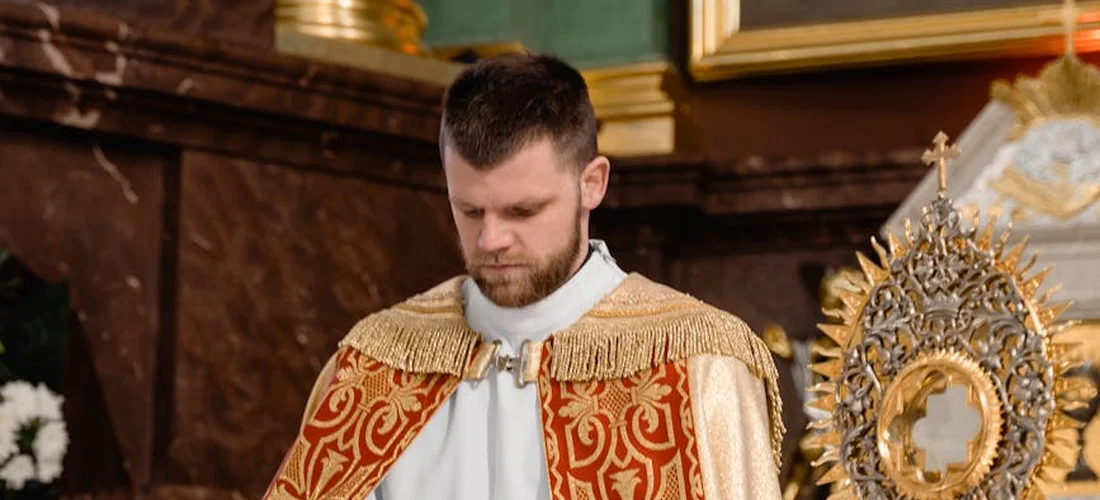
It is possible, and even likely, that your offer will be gently declined. This happens most often with congregational clergy-the minister, priest, or rabbi who knew your loved one personally.
For many, presiding at a funeral is a sacred duty of their pastoral role, not a service for hire. Their refusal is not a judgment on your gesture, but a reflection of their care and connection to your family.
When this happens, your heartfelt thanks still holds immense value. You can express your gratitude in other meaningful ways.
- Write a sincere, personal thank-you note. Describe a specific moment from the service that comforted you, or share a memory your loved one held of them. This written token is often treasured far more than any payment.
- Make a donation in the clergy member’s name to their place of worship, a seminary, or a charity they support. You can simply note, “In grateful appreciation for Reverend [Name].”
If they insist on refusing any form of gift, please honor that wish. Accepting their choice with grace is a profound courtesy in itself. It acknowledges the spiritual nature of the relationship and their desire to serve without condition during your time of loss.
Looking Beyond the Honorarium: Other Potential Fees
You might be asking if the honorarium is the only payment needed. In most cases, there are other fees to consider alongside the officiant’s gift. I find that knowing this ahead of time can bring a sense of order during a disorienting period.
These separate costs cover the practical support that makes a service possible, including body transport costs. They are a normal part of funeral arrangements.
- Church or venue use fees: If the ceremony is held in a house of worship, there is often a charge for using the space. This helps maintain the building, keeping it a place of solace for all who enter.
- Musician fees: The sound of an organ or a soloist can provide great comfort. These musicians usually request a separate fee for their contribution to the service’s tone and dignity.
- Sexton or custodial fees: This fee is for the individual who prepares the venue. They ensure the space is clean, properly arranged, and ready to welcome mourners with respect.
My best advice is to speak openly with your funeral director or the church office about all anticipated costs. Ask for a simple breakdown in writing. This direct step honors your need for clarity and helps you focus on remembrance, not unforeseen expenses. It aligns with a clear guide to understanding funeral-related expenses.
Frequently Asked Questions
Is the honorarium given before or after the service?
The most considerate practice is to present it after the service concludes. This allows the officiant to focus entirely on their spiritual duties during the ceremony.
How should the payment be presented (e.g., cash, check, in an envelope)?
Place cash or a check inside a sealed, plain envelope for discretion and respect. A brief, sincere verbal thank-you when you hand it to them completes the gesture appropriately.
What if the clergy refuses payment?
Graciously accept their decline, as this often stems from their view of service rather than your offer. A heartfelt written note or a donation to their ministry in their name are beautiful alternative acknowledgments.
Parting Reflections on Funeral Officiant Honorariums
The most important guidance is to see this honorarium as a sincere thank-you for compassionate service, not a transactional fee. Let your personal relationship, local customs, and financial situation guide your choice with grace.
As you make arrangements, I urge you to honor your loved one with dignified care and to explore gentle, eco-friendly options where possible. Continuing to learn about Funeral Care, Funeral Needs, and Funeral Questions can offer steady support in the days ahead.
Emiliana Dieter
Emiliana is an author at The Valedictory. She is an experienced funeral care advisor and arranged and organized many funerals as part of her end of life consulting services. She has over 8+ years in the funeral industry managing her family funeral business and helping families cope with the loss of their loved ones. Her articles answer any and all questions you might have regarding funeral arrangements, costs, preparations, etc so you can make this a seamless experience.