
Funeral Potatoes: Understanding Their Comforting Origin, Traditional Recipe, and Preparation
If you are planning a gathering after a loss, the term “funeral potatoes” may have surfaced with both curiosity and care. This dish is a quiet, nourishing tradition meant to offer warmth when words fall short.
In this guide, I will walk you through its significance. We will explore the humble origins of funeral potatoes, detail a classic recipe passed down through generations, and provide clear steps for preparing them with intention.
Key Takeaways: Comfort in a Casserole Dish
If grief or fatigue weighs on you, focus on these simple truths. This dish is designed for kindness, not complexity.
- Funeral potatoes are a hearty, make-ahead casserole meant to nourish a gathering. You can prepare it in advance or freeze it, which is a practical mercy when time and energy are scarce.
- Do not stress over ingredients or perfection. Variations are not just allowed; they are part of its tradition.
- The recipe is less about potatoes and more about care. Its true purpose is to offer a tangible, edible form of love to those who are mourning.
What Are Funeral Potatoes?
Funeral potatoes are a warm, savory casserole. Imagine shredded potatoes bound with a rich, cheesy sauce, then baked until bubbly. A crispy crust of crushed cornflakes or crackers often crowns it, giving a gentle crunch. These funeral potatoes are a comforting dish served at many gatherings after services.
You might hear them called cheesy potatoes or Mormon potatoes. The names point to its heart. This is food meant for sharing after a loss. I have seen how its warmth offers a quiet comfort when words fail.
Its primary role is deeply practical. When a family returns from a service, they need to feed many people with minimal effort. This casserole fills that need. It is easy to serve, comforting to eat, and sustains people when their own appetites have faded.
Yes, the dish has a strong association with Latter-day Saint communities, where it is a staple at gatherings. But its reach has grown. You will now find this casserole at tables across many cultures, a universal gesture of support during sorrow. The name may come from its function, but its meaning comes from the hands that prepare it.
The Origin and Meaning of Funeral Potatoes
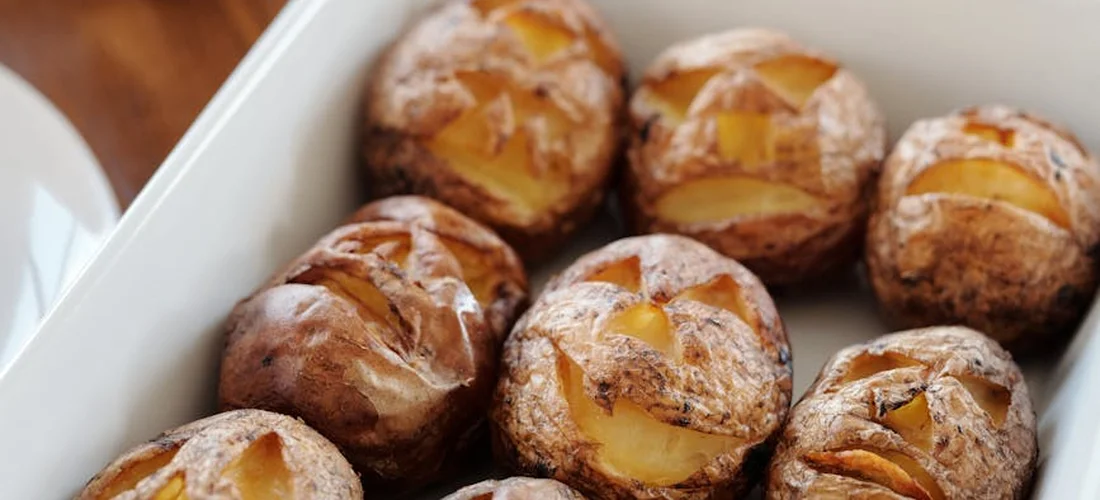
The story of funeral potatoes begins in American kitchens of the mid-twentieth century. You can find early versions of this casserole in community and church cookbooks from that era, often under names like “cheesy potato bake” or “hash brown casserole.” These books were collections of trusted recipes shared among friends and neighbors. Across cultures, funeral practices have long used shared meals to comfort the bereaved and mark the history of mourning. These traditions turn everyday dishes into symbols of care during times of loss.
This dish did not come from a restaurant chef. It was born from the practical needs of a grieving household.
A Practical Answer to a Difficult Time
The recipe relies on simple, long-lasting pantry staples: frozen or canned potatoes, canned soup, and shredded cheese. This was no accident. When someone passes, the last thing a family needs is a complicated grocery list.
Funeral potatoes are designed to feed a crowd with minimal fuss, using ingredients you might already have on hand. In many communities, funeral repast meals focus on comforting, shareable dishes that bring people together after a service. A friend or neighbor could easily prepare it, cover it with foil, and deliver it to the home. It could sit in the refrigerator until needed, ready to be baked when guests arrived.
More Than Just Food
In my years of supporting families, I have seen how these simple acts hold profound meaning. Bringing a dish is a tangible way to say, “I am here for you. Let me carry this small burden.” You are nourishing people who may forget to eat. You are giving them one less task to worry about.
This casserole becomes a quiet symbol of community, a hands-on expression of love when words feel insufficient. The act of preparing and sharing it weaves a small thread of care into the fabric of a difficult day.
The “Bountiful Kitchen”
The phrase “a bountiful kitchen” speaks to the atmosphere these dishes create. It is not about extravagant display. It is the comfort of a countertop filled with offerings: a ham, a basket of rolls, a green bean casserole, and this iconic potato dish.
It represents abundance in a time of emotional scarcity. It assures the family that they are not alone, that their community will help sustain them. Funeral potatoes, in their humble, hearty way, are a cornerstone of that nourishing tradition.
A Traditional Funeral Potatoes Recipe
This recipe feels like a quiet embrace. It is the version whispered in church kitchens and shared on notecards stained with vanilla.
I offer it not as a rigid rule, but as a foundation. It provides the familiar comfort so many seek.
You will need:
- 1 (2 lb) bag frozen shredded hash browns, thawed
- 1 can (10.5 oz) cream of chicken soup
- 2 cups sour cream
- 2 cups shredded sharp cheddar cheese
- 1/2 cup finely chopped yellow onion
- 1/2 cup (1 stick) unsalted butter, melted
- For the topping: 2 cups crushed cornflakes mixed with 2 tablespoons melted butter
How to Prepare Them
Preheat your oven to 350°F (175°C). Grease a 9×13 inch baking dish.
In a very large bowl, combine the thawed hash browns, cream soup, sour cream, cheese, onion, and the 1/2 cup of melted butter. Mix gently until everything is evenly coated.
Spread this mixture into your prepared baking dish. In a small bowl, mix the crushed cornflakes with the remaining 2 tablespoons of melted butter. Sprinkle this topping evenly over the potato mixture.
Bake for 45 to 55 minutes. You are looking for the edges to bubble vigorously and the top to turn a deep, golden brown. Let it rest for 10 minutes before serving. The rest time lets the dish settle into its rich, creamy texture.
Many families now ask about dietary needs. A common question is: are funeral potatoes gluten free? The classic recipe is not, due to the cream soup and cornflake topping.
You can easily make a gluten-free version. Use a certified gluten-free cream of chicken or mushroom soup. For the topping, crushed gluten-free corn chex or potato chips work beautifully. A simple swap maintains the tradition while welcoming everyone to the table.
Essential Ingredients and Their Role
Every component in this dish has a purpose. Together, they create something profoundly comforting and practical.
Frozen Hash Browns: They are the practical heart of the dish. Thawed, they bake evenly and absorb the creamy sauce, offering a soft, comforting texture. Using frozen means no peeling or grating on a difficult day.
Cream Soup and Sour Cream: This is the velvety glue that binds everything. The soup provides a savory, seasoned base, while the sour cream introduces a essential tang. It cuts through the richness and keeps the dish from feeling too heavy.
Sharp Cheddar Cheese: Cheese delivers deep, familiar flavor and creates those beloved crispy edges. Sharp cheddar is key. Its stronger taste stands up to the other ingredients, ensuring the cheese flavor shines through.
Butter and Topping: Butter adds richness and carries flavor. The buttery, crunchy topping is non-negotiable. It provides a delightful contrast in every bite, a crisp textural break from the soft, creamy potatoes beneath.
How to Prepare and Bake Funeral Potatoes: A Step-by-Step Guide
The process is designed for simplicity during a difficult time. You are essentially creating a comforting, creamy casserole. Think of it as mixing, transferring, topping, and baking.
Here is a calm, ordered method based on the traditional recipe.
- Preheat your oven to 350°F (175°C). Grease a 9×13 inch baking dish lightly.
- In a very large bowl, combine the thawed hash browns, cream of chicken soup, sour cream, melted butter, and most of the shredded cheese. Stir gently until everything is evenly coated.
- Spread this mixture evenly into your prepared baking dish. The sound of the spoon against the dish is a simple, grounding task.
- In a separate small bowl, mix the crushed cornflakes with the remaining melted butter. Sprinkle this over the potato mixture in an even layer.
- Place the dish in the preheated oven. Bake for 45 to 55 minutes. You are waiting for the casserole to be hot and bubbly all the way through and the topping to turn a deep, golden brown.
Your goal is a dish that is uniformly hot, with bubbles gently breaking at the edges and a topping that provides a satisfying crunch. Let it sit for 10 minutes before serving; this allows it to set, making it easier to scoop.
Can You Make Funeral Potatoes Ahead of Time?
Yes, you absolutely can make funeral potatoes ahead of time. This is a common and thoughtful practice when you know your time or energy will be limited, especially when organizing food for a funeral reception.
Prepare the casserole completely, right up to sprinkling on the buttery cornflake topping. Instead of baking, cover the dish tightly with plastic wrap or a lid and refrigerate it. It will keep well for 1-2 days.
When you are ready to bake, do not thaw it. Place the cold dish directly into a preheated 350°F oven. You will need to add 15 to 25 minutes to the original baking time. Look for the same visual cues: that golden topping and those steady bubbles in the center.
Can Funeral Potatoes Be Frozen?
Yes, funeral potatoes can be frozen. This turns them into a gift of future meals for a household navigating grief.
The key is to freeze them before baking. Assemble the casserole in a freezer-safe dish, add the topping, and wrap it tightly in several layers of plastic wrap and aluminum foil to prevent freezer burn. Label it with the date. It will keep well for 2-3 months.
To cook, thaw the casserole completely in the refrigerator for 24-48 hours. Then, bake as directed. For best texture, do not bake from frozen, as the center may stay cold while the edges overheat. This small planning step preserves the comforting texture you intend to share.
Personal Perspective: The Quiet Comfort of a Shared Dish
I have seen many casserole dishes arrive at homes in the days following a death.
They are often carried by a neighbor or a distant cousin, their hands occupied with this one tangible task.
The exchange is usually quiet. There are few words about the recipe itself.
In my experience, this act is never really about the food.
It is a quiet language of care. The giver offers something they can physically do when words feel useless.
The weight of the dish in your hands is a silent message: you are not alone, and you are remembered.
For the person grieving, receiving it is a relief from a small, practical burden.
The question of what to eat, of how to muster the energy to cook, is temporarily answered.
A prepared meal is a direct form of support that addresses a basic need with gentle dignity.
It allows a family to focus on being together, on their grief, or on necessary arrangements.
They are freed, for one evening, from the logistics of nourishment.
That is the quiet comfort of a shared dish. It sustains the body so the heart can do its hard work.
Common and Creative Variations
Recipes, like families, are passed down and change shape with each hand that holds them. Every church basement and family kitchen seems to have its own cherished version of this dish.
Consider these variations not as strict rules, but as gentle inspirations. The best version is the one that feels right for your table and brings a moment of comfort.
Tater Tot Funeral Potatoes
Perhaps the most well-known twist uses frozen Tater Tots in place of shredded hash browns. This version creates a wonderfully crispy, textured top layer that many people adore.
You simply layer the frozen Tots over the creamy mixture before baking. The heat of the oven crisps them into a golden blanket. It’s a simple swap that adds a delightful crunch and simplifies preparation on a difficult day.
Lighter or Dietary Adjustments
You can adapt this dish to meet different needs without losing its soul. For a fresher taste, some people grate their own russet potatoes. The texture will be a bit less uniform, but the flavor is wonderfully pure.
To lighten the dairy, you can substitute full-fat plain Greek yogurt for half of the sour cream. It provides the same tang and creaminess with more protein. For a dairy-free version, use a rich, unsweetened plant-based cream soup and a vegan sour cream alternative.
Making it gluten-free is often straightforward. Simply ensure your condensed cream soup is a certified gluten-free brand, or make a simple white sauce using cornstarch or a gluten-free flour blend as a thickener. Always check labels on any pre-shredded cheese, as some contain anti-caking agents with gluten.
A Note on Etiquette and Serving
When you bring food to a grieving household, your thoughtfulness is a quiet anchor. It is a practical kindness that says, “I am here, and I wish to lighten your load.” Post funeral meal etiquette can guide the timing and presentation of offerings. It helps ensure your support remains respectful and practical.
Your offering is most helpful when it requires nothing in return from the family. A brief call or text ahead is considerate. You might say, “I would like to drop off a meal for you. Would this afternoon be alright?” If you are unsure, leaving the dish on the porch with a note is perfectly acceptable.
Words can feel heavy at such a time. You do not need to find the perfect thing to say. A simple, “I made this for your family,” spoken gently, carries all the meaning needed. It acknowledges their loss without demanding a response.
The container you choose is part of the kindness. A disposable foil pan with a lid is often best. It does not need to be returned, which relieves the family of one more task to remember. For a typical gathering, a standard 9×13 inch pan is a good size. It provides enough for a family to have leftovers, which can be a comfort in the following days.
In the end, the specific recipe matters less than the act itself. The most important ingredient in funeral potatoes will always be the loving gesture of providing sustenance when the world feels too difficult to navigate. It is nourishment offered with dignity and care.
Thoughtful Questions About Funeral Potatoes
Is it appropriate to bring funeral potatoes if our cultural or religious traditions are different?
Absolutely. This dish is a nearly universal gesture of practical care and nourishment. The offering itself, a homemade meal meant to sustain, is a respectful and compassionate act across cultural boundaries.
I have dietary restrictions. How can I modify the recipe without offending?
Thoughtful adaptations are always welcome and reflect genuine care. Simply using a gluten-free soup or a dairy-free cheese alternative preserves the comforting intent while ensuring everyone at the table is included.
What is the most considerate way to offer this dish to a grieving family?
The most helpful offering requires nothing from them. Deliver it in a disposable container with a simple note, freeing the family from the tasks of returning dishes or hosting a lengthy conversation during a draining time.
Reflecting on the Tradition of Funeral Potatoes
When you prepare this dish, you are offering a warm, tangible form of comfort that acknowledges loss without needing words. Its true purpose is to nourish a gathering, providing a simple, heartfelt gesture that supports mourners.
May this understanding guide your choices in Funeral Care, where considering eco-friendly options can honor both the departed and the earth. You may also explore green, eco-friendly funeral options that reduce environmental impact. I encourage you to keep learning about Funeral Needs and Funeral Questions, approaching each decision with quiet dignity and practical compassion.
Emiliana Dieter
Emiliana is an author at The Valedictory. She is an experienced funeral care advisor and arranged and organized many funerals as part of her end of life consulting services. She has over 8+ years in the funeral industry managing her family funeral business and helping families cope with the loss of their loved ones. Her articles answer any and all questions you might have regarding funeral arrangements, costs, preparations, etc so you can make this a seamless experience.