
Understanding the Standard Steps, Order, and Stages of a Funeral Service, Wake, and Burial
You may feel unsure about what comes next when planning a funeral. I want to help you see the path ahead with calm and certainty.
This guide walks you through each part of saying goodbye. We will cover the standard steps, the typical order of a funeral service, the role of a wake, and the stages of the burial process.
Key Takeaways: A Compassionate Summary
When faced with loss, the details of a funeral can feel like a heavy burden. Please remember this above all else. These traditions are not about strict rules. They are expressions of love, vessels for memory, and a quiet promise of support for those left behind.
Let me gently clarify the three main parts you may encounter. A funeral service is a formal ceremony, often with readings, music, and a eulogy. A wake or visitation is a quieter time for sharing stories and offering condolences in person. The burial or committal is the final, physical farewell at the graveside or crematorium.
You have the right to shape these moments to reflect the life being honored. The order can change. A family might choose a simple graveside service only. Another might hold a memorial celebration weeks later. There is no single right way to say goodbye, only your way.
People absolutely still have funerals. The form may evolve, but the human need to gather, to witness a life, and to begin healing together remains. We do not have a funeral for the person who has died. We have it for ourselves. It is a first, necessary step on the long path of grieving.
Immediate Action Checklist: The First 48 Hours
In the first stunned days, thinking ahead is hard. Focus only on what needs to happen next. This list is a practical guide to reduce the initial overwhelm. You do not need to do everything at once.
- Contact a funeral home. This is often the first, most stabilizing step. A funeral director will gently guide you through every following decision.
- Secure vital documents. Begin gathering the birth certificate, Social Security card, marriage certificate, and any pre-arrangement paperwork for your loved one.
- Begin a simple obituary draft. Just write down the basic facts: full name, age, date of passing, and immediate family members. Details can be added later.
- Notify immediate family and closest friends personally. A gentle voice on the phone is still the kindest method for those who mattered most.
- Make temporary care arrangements for dependents or pets. Ensuring others are looked after frees you to focus on the tasks at hand.
- Lock up the home of the deceased. This is a practical step of protection during a time when houses may be empty as people gather elsewhere.
Handle each task as you are able, and lean on your funeral director for clear instructions. Their expertise exists to carry the logistical weight so you can carry your heart.
How a Funeral Service Works: Steps, Order, and Stages
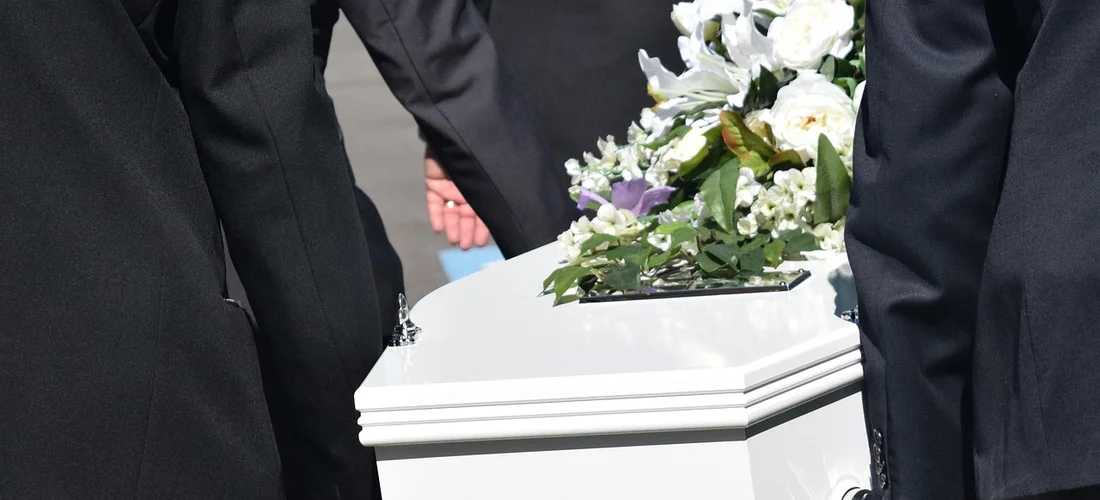
A funeral service is a structured time for gathering and remembrance. It follows a rhythm that supports collective grief. Understanding the common progression can help you feel more prepared for the day, especially when managing grief during the funeral service.
Guests arrive and find their seats, often to the sound of quiet music. This gathering is a visible reminder of the love surrounding the family. You might notice shared tears, soft conversations, and a powerful sense of collective presence.
The service typically moves from a formal opening to personal reflections, then to a final farewell. The common flow includes a processional, readings or eulogies, prayers or reflections, and a recessional to conclude. This order creates a narrative arc, honoring a life and acknowledging a loss.
There are many variations. A religious service may include hymns and specific scriptures, while a secular one focuses on poetry and personal stories. A chapel service offers a sheltered space, and a graveside service is a direct, earth-bound farewell. How American funerals work is often a blend of these elements, tailored to personal faith and preference.
The Typical Order of Service
While each service is unique, many follow a similar sequence. This list outlines how funerals are commonly conducted from start to finish. However, choosing a funeral home that aligns with your needs is the first step.
- Prelude: Instrumental or recorded music plays as guests arrive and settle.
- Words of Welcome: An officiant or family member welcomes everyone and states the purpose of gathering.
- Readings: Selections from scripture, poetry, or literature are shared.
- Eulogies and Remembrances: Family and friends speak about the person who has died.
- Prayers or Reflections: A time for silent thought or spoken words of faith.
- Committal Statement: These are the final words said over the person before the burial or cremation.
- Closing Music and Recessional: A final piece of music plays as the officiant and family depart.
When a Funeral Happens Before an Inquest or Investigation
Many families ask if a funeral can take place before an inquest concludes. The answer is usually yes, but it involves careful coordination.
A coroner must release the body before any funeral arrangements can be finalized. This release often happens well before the full inquest or investigation is complete. You can proceed with a funeral once the coroner has completed their initial examination and released the necessary paperwork.
Your funeral director is your essential guide here. They communicate directly with the coroner’s office to understand the timeline. They will handle the logistics respectfully, ensuring you can honor your loved one without unnecessary delay during this difficult time. Having a clear funeral timeline after death helps families plan with less stress. In the next steps, we’ll outline the typical milestones so you have a reference you can follow.
Understanding the Wake or Visitation
A wake or visitation is a less formal gathering, usually held before the funeral service. Its purpose is simple: to share stories and offer condolences face-to-face. These pre-funeral events can help families connect and begin the healing process before the service.
Think of it as a quiet, receiving time. It answers the human need to gather, to see and be seen in grief. The mood is often conversational, punctuated by both tears and gentle laughter.
The flow is usually straightforward. The immediate family positions themselves to receive guests. People move through the space, perhaps viewing photographs or memorabilia displayed on a table. Guests offer their condolences, share a brief memory, and then allow the conversation to move naturally. Sometimes, a family member may offer a brief prayer or toast.
You can absolutely have a wake before a cremation. The visitation typically occurs with the present, either in a casket or an urn. It serves the same important role of community support, regardless of the final form of disposition.
A Note on Etiquette: Attending a Wake or Visitation
If you are unsure what to do, remember that your presence matters most. Attending is an act of kindness that speaks volumes.
For attire, neat and modest clothing is appropriate. Darker colors are traditional, but not required. Plan to stay for a short while, perhaps 15 to 30 minutes, unless you are a very close friend or relative.
You do not need a perfect speech. It is perfectly okay to simply make eye contact, offer a handshake or hug, and say, “I’m so sorry for your loss.” Sharing one small, genuine memory is a beautiful gift if one comes to mind. Your quiet support is the true comfort.
The Burial Process: Steps and Final Committal

Burial is the final physical act of care we offer. It is a quiet promise kept, a tangible step in honoring a life completed.
Many people wonder about the standard steps. The process typically follows a gentle, predictable rhythm focused on dignity and closure.
The sequence begins after the funeral service. A procession of vehicles, often led by a hearse, travels from the service location to the cemetery. This slow drive allows for a final communal journey.
Upon arrival, guests gather at the prepared gravesite. The casket is moved from the hearse to a frame over the grave, known as a bier. This gathering marks the transition from a shared service to an intimate, final farewell.
The centerpiece is the committal service. This is when words are spoken directly at the place of rest. After prayers or readings, the casket is traditionally lowered into the earth.
Symbolic acts often follow. A clergy member or the funeral director may invite family to place a flower or a single handful of earth onto the casket. The sound of earth meeting wood is profound. It makes the reality of parting gently clear.
After guests leave, the practical work is completed with great care. Cemetery staff fill the grave and mound the earth. A temporary marker is placed. The permanent monument or headstone is installed weeks or months later, once the ground has settled.
The Graveside Service Order
A committal service is shorter and more focused than a full funeral service. Its order is simple and solemn, usually lasting about fifteen to twenty minutes.
A common sequence flows like this:
- Gathering and Opening Words: The officiant welcomes everyone and offers a brief prayer or reflection.
- Scripture Reading or Poem: A short, comforting passage is shared.
- The Committal: This is the core act. The officiant speaks specific words committing the body to the earth. You might hear, “We now commit this body to the ground…”
- Final Prayer or Blessing: A prayer for the deceased and for those mourning is offered.
- Moment of Silent Reflection: A period of quiet allows for personal thoughts and goodbyes.
- Words of Dismissal: The officiant indicates the service has ended, often with a phrase like, “Go in peace.”
This structure provides a clear, contained space for grief. It honors the significance of the moment without prolonging it unnecessarily.
Bringing It All Together: A Typical Sequence of Events
Understanding how a funeral works can ease the burden of planning. The three parts-wake, funeral service, and burial-often create a narrative over several days.
A very common traditional sequence unfolds over two days. The wake or visitation is held on an evening. Friends and family gather to offer condolences and view the deceased in a quiet setting.
The next morning, the formal funeral service takes place in a church or the funeral home chapel. This service focuses on the meaning of the life lived, through eulogies, music, and communal prayer.
From there, the burial process begins immediately. Attendees travel to the cemetery for the graveside committal. Afterward, it is customary to share a meal, which allows people to connect and share memories in a supportive setting.
Many families today choose different paths. Can a funeral be held without a public burial? Yes, absolutely. A common alternative is a service at the funeral home, followed by a private cremation. The ashes may be buried later in a smaller ceremony, kept by the family, or scattered in a meaningful place.
Do you have a funeral before or after the burial? The service almost always comes before. The funeral is the public tribute; the burial is the private, physical conclusion. Every family arranges these stages to fit their needs, their faith, and their heart. The right way is the one that brings you the most peace.
Compassionate Answers to Common Funeral Questions
What is the typical order of a wake?
A wake generally begins with the family greeting arriving guests in a receiving line. It then transitions into a quiet time for offering condolences, sharing memories, and viewing displayed mementos before naturally concluding.
What are the key stages of the burial process?
The process starts with a solemn procession to the cemetery, followed by the graveside committal service with prayers or readings. It gently ends with a moment of silent reflection and the symbolic act of placing flowers or earth.
What are the fundamental steps in a funeral service?
A service typically opens with welcoming words and music, progresses through eulogies and readings that honor a life, and closes with a final committal and recessional. This thoughtful sequence guides attendees through a shared experience of remembrance and farewell.
Guiding Your Steps Through Farewell
Remember that the most important aspect of any funeral is how it helps you and your family say goodbye. Following a clear order provides a supportive framework, but personal touches make the service truly meaningful. Supporting mourners is a key part of funeral etiquette, guiding you to offer help and listen with care. Small, considerate gestures can ease the burden for everyone involved.
In managing Funeral Needs, prioritize dignified care and consider eco-friendly options as part of responsible Funeral Care. Keep seeking answers to your Funeral Questions, as this ongoing learning is a respectful way to honor both memory and the future.
Emiliana Dieter
Emiliana is an author at The Valedictory. She is an experienced funeral care advisor and arranged and organized many funerals as part of her end of life consulting services. She has over 8+ years in the funeral industry managing her family funeral business and helping families cope with the loss of their loved ones. Her articles answer any and all questions you might have regarding funeral arrangements, costs, preparations, etc so you can make this a seamless experience.