A Gentle Guide to Funeral Services, Ceremonies, and Religious Rites
Planning a farewell while grieving can leave you uncertain about where to begin. I have walked this path with many families, and I offer this clarity with care.
This article provides a straightforward overview of the common ways we honor a life. Traditional funeral services, memorial ceremonies, direct cremation or burial, green or natural funerals, and the specific rites of Christian, Jewish, Muslim, Hindu, and Buddhist traditions.
Key Takeaways: Finding Your Path Forward
Planning a farewell can feel overwhelming, especially when grief is fresh. I want you to know that you have more choices than you might realize. Your personal wishes and the life being honored should guide every decision you make. Funeral professionals are here to walk you through these options with compassion, not pressure.
To help organize your thoughts, I find it useful to consider three main aspects of a service. We will look at each in turn.
- Service Structures: This is the logistical framework, like choosing between a traditional funeral or a direct cremation.
- Ceremony Components: These are the meaningful moments within that framework, such as music, readings, or a eulogy.
- Religious or Philosophical Traditions: These are the customs and rituals that provide spiritual comfort and structure for many families.
Your tribute does not need to fit neatly into one category. It is perfectly acceptable, and increasingly common, to mix elements from different traditions to create a service that feels uniquely right. A memorial service can include a Catholic hymn. A direct burial can be followed by a secular celebration of life. The most meaningful ceremonies I have witnessed honored a person’s full story.
A Quick Snapshot: Common Service Structures Compared
Understanding the basic types of services can provide a helpful starting point. The table below compares the most common structures. Think of this as a map of the main paths available to you.
| Service Type | Key Components | Typical Timeline | Presence of the Body | General Cost Consideration |
|---|---|---|---|---|
| Traditional Full-Service Funeral | Viewing or visitation, formal ceremony, procession to cemetery for committal. | Held within days, often with embalming. | Body is present in a casket. | Often higher due to more services and products. |
| Memorial Service | A gathering to honor the person, focusing on memories and shared stories. | Can be held weeks or even months after death. | Body is not present; ashes or a photograph may be. | Typically more flexible, often lower. |
| Direct Burial | The body is buried shortly after death, without a public viewing or preceding ceremony. | Very soon after death, often within a few days. | Body is present for burial, but not for a public service. | Typically lower, as it involves fewer services. |
| Direct Cremation | The body is cremated shortly after death, without a public viewing or preceding ceremony. | Very soon after death, often within a few days. | Body is not present for a service; ashes are returned to the family. | Typically lower, as it involves fewer services. |
It is important to know that a public health funeral is a distinct option. This is a simple, dignified service arranged by local authorities when there are no family or friends able to make arrangements. It is a legal provision, not a choice one makes, and it ensures no one is left without care. Where families can choose, funeral home services offer options to tailor the farewell. These choices help shape the ceremony to match beliefs, values, and budget.
What Are the Different Types of Funeral Service Structures?
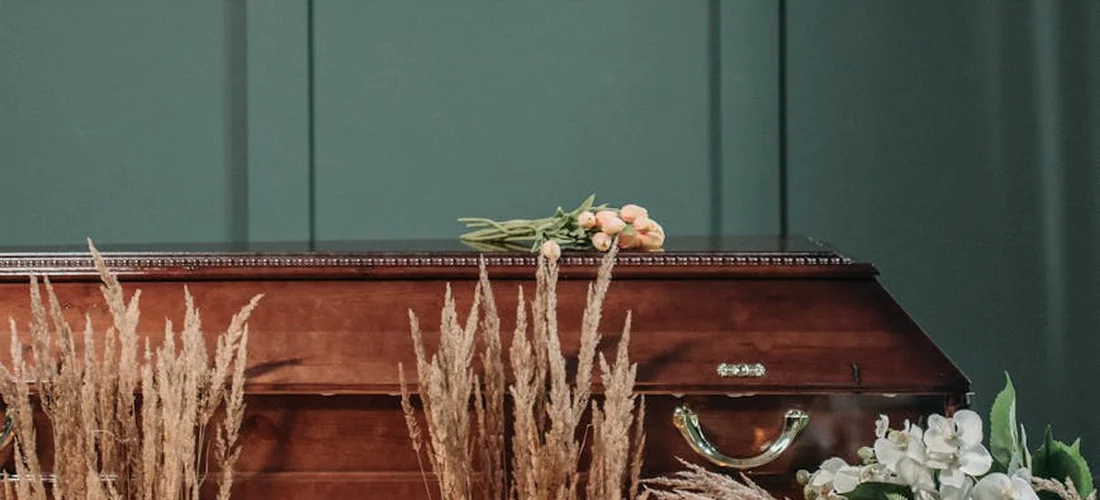
A funeral service is the overarching plan. It covers the care of the person who has died and the structure for how we will gather to remember them. Think of it as the container that holds all the moments of farewell.
You can choose a service that feels right for your family, your budget, and the wishes of your loved one.
The Traditional Funeral
This is the structure most people picture. Understanding the traditional funeral service structure can help families plan the sequence of events. It typically happens within a week and involves three main parts. The traditional funeral provides a clear, guided path through the early days of grief, offering a time for viewing, a formal ceremony, and a final act of burial.
First is the visitation, or viewing, often held the evening before. Friends and family come to offer condolences and see their loved one at rest. The next day, a formal funeral ceremony is held at a church, funeral home, or chapel. It includes music, readings, prayers, and eulogies. Finally, everyone travels to the cemetery for a brief committal service at the graveside.
The Memorial Service
A memorial service is held without the body present. This option allows for more flexibility in timing and location, as the immediate care of the body has already been addressed, often through cremation or direct burial.
It might be held weeks or even months later. This can ease the pressure of planning quickly. The service itself can look very much like a traditional funeral ceremony, with tributes and music, but it focuses solely on the memory of the person.
Direct Burial and Direct Cremation
These are simple, immediate options. The body is taken directly to the cemetery for burial or to the crematory for cremation shortly after death. If cremation is chosen, it proceeds through the body cremation process, starting with preparation and placement in a cremation chamber. There is no viewing or ceremony beforehand.
Choosing direct care does not mean you are forgoing a ceremony; it simply means you are separating the logistical act from the commemorative one. Many families then plan a memorial service or celebration of life at a later date that is meaningful to them. This approach can feel less rushed and is often more affordable.
The Celebration of Life
This gathering is often less formal and more personalized. The focus is on joy and the unique story of the person. A celebration of life actively honors how someone lived, rather than focusing primarily on the fact of their death.
It might be held in a backyard, a community hall, or a favorite park. You might see photo displays, favorite foods, and shared stories instead of traditional hymns. The tone is usually warmer, though tears and sadness are still a natural part of the remembering.
Understanding the Parts: What Makes Up a Funeral Ceremony?
Ceremonies are built from parts, or tiers. You can mix and match these components to create a farewell that fits. Knowing what each part offers helps you build a day that feels complete.
The Visitation or Wake
This is a time for quiet condolences and shared presence. It often happens at a funeral home. People come and go, offering a firm handshake or a soft word to the family.
The visitation serves a simple, powerful purpose: it allows a community to physically gather and affirm the reality of the loss together. It is in the low murmur of voices, the fragrance of flowers, and the sight of familiar faces that we begin to process our grief.
The Funeral or Memorial Ceremony
This is the central, structured gathering. It is a container for our collective emotions. Here, we listen to words that try to capture a life. We hear music that stirs memory.
This ceremony provides a narrative arc, taking us from acknowledgment of death, through remembrance, and toward a point of letting go. A leader, be it a clergyperson or a family friend, guides us through readings, music, eulogies, and sometimes prayers. It is a formal pause to honor a life.
The Committal Service
This is the brief, final rite. It happens at the graveside, at the crematorium, or in a columbarium niche. The group is usually smaller.
The committal service marks the physical act of farewell, offering a tangible moment of closure as the body is entrusted to the earth or to fire. It is often very short. A final prayer, a reading, or simply the act of placing flowers on a casket can complete this sacred step.
The Reception or Gathering
After the formalities, people need to connect. A reception provides a necessary shift in tone. It is held in a hall, a home, or even a restaurant.
This is where stories truly flow, where laughter begins to mix with tears, and where the community around the family is most visibly felt. Sharing food and drink is an ancient ritual of sustenance and support. It reminds the grieving family they are not alone in the days to come.
Dignified Alternatives: Green, Humanist, and Personalized Services
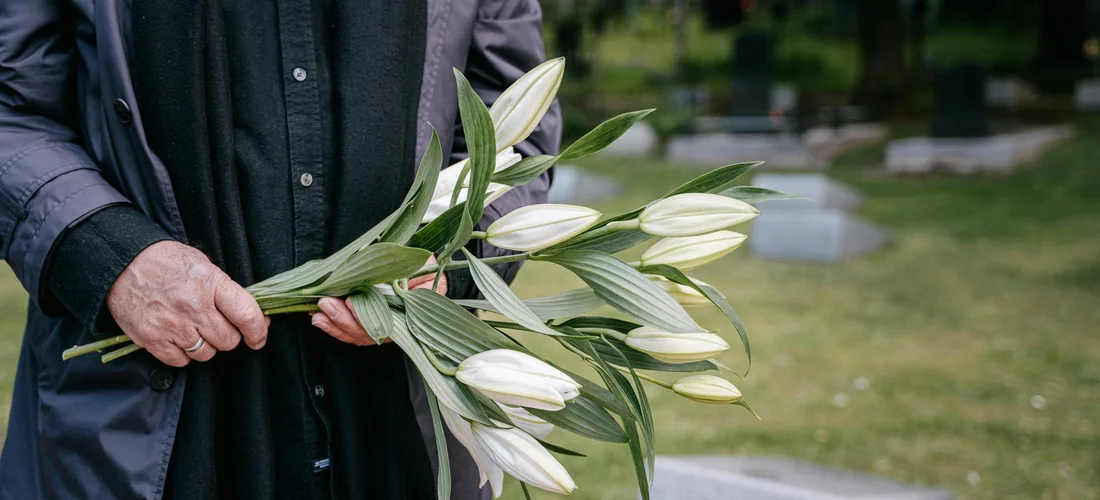
A traditional service is not the only path to a meaningful farewell. Many people now seek ceremonies that align with personal values or a unique life story.
Green or Natural Burial
This choice is for those who wish a simple, environmentally conscious return to the earth. The body is not embalmed with chemicals. It is placed in a biodegradable casket, shroud, or simple cloth.
The burial occurs in a natural setting, often a dedicated woodland or meadow. A green burial avoids concrete vaults and non-biodegradable materials, allowing the body to decompose naturally and contribute to the ecosystem. The grave may be marked with a native stone or a planted tree, creating a living memorial. This approach aligns with tree burial and the broader green funeral movement, offering a way to honor loved ones while sustaining the landscape. For many families, choosing a tree burial means a lasting connection to nature as part of the memorial.
Humanist or Non-Religious Ceremony
These ceremonies focus entirely on celebrating the person’s life, character, and legacy, without religious doctrine. A celebrant or a loved one usually leads the gathering.
The service is built around personal stories, readings from literature or poetry, and music that was meaningful to the person. A humanist ceremony honors a life lived on its own terms, offering a space for collective remembrance that is grounded in shared humanity rather than faith. It provides structure and comfort through community and memory.
The Concept of a “Living Funeral”
Sometimes called a “celebration of life,” this gathering happens while the person is still alive, often when facing a terminal diagnosis. It flips the script on tradition.
The guest of honor gets to hear the stories, feel the love, and say their own goodbyes. This can be a profound gift of connection, replacing sadness with presence and allowing for closure that is joyful and direct. It is not for everyone, but for some, it is the most honest farewell possible.
The Power of Personalization
Any ceremony, religious or not, can be made uniquely fitting. Think about what truly represented the person you are honoring.
This could mean serving their favorite meal, displaying their artwork, or having everyone wear a splash of their favorite color. It could be a playlist of their top songs playing as people gather. There is no rulebook for love, so there should be no rigid rulebook for a farewell. A simple, personal detail often becomes the most cherished memory of the day.
What Are the Different Types of Religious Funeral Rites?
For many, the rituals of faith provide an essential framework during grief. These ancient practices offer a script for sorrow, a community for support, and a language for hope that has comforted generations.
It is vital to remember that customs can vary greatly between cultures, families, and even individual congregations. The guidance of a religious leader from the specific community is always the most important resource when planning a faithful service.
Christian Funeral Service
Across most denominations, a Christian funeral is a service of worship and hope. It commonly includes hymns of faith, readings from scripture, a message or homily, and prayers.
The tone is typically one of solemn gratitude for the life and confident hope in resurrection. The ceremony affirms the belief that death is not an end, but a transition to eternal life through Jesus Christ. Gatherings often continue with a shared meal, reinforcing community support.
Catholic Funeral Mass
A Catholic funeral is usually structured as a Mass, the central ritual of the faith. The body is present, and the rite is infused with prayers for the soul’s journey to God.
The Eucharist, or Holy Communion, is the focal point. Receiving communion during the funeral Mass is a powerful sign of unity, connecting the grieving community with the deceased and with God’s promise of eternal life. The ceremony includes specific prayers like the “Final Commendation and Farewell” before proceeding to the cemetery.
Jewish Funeral
Jewish burial traditions emphasize simplicity, dignity, and a swift return to the earth. Burial usually occurs within 24 to 48 hours of death.
The casket is plain and made entirely of wood, symbolizing equality before God. A central ritual is “Kriah,” the tearing of a garment by immediate family, which represents the tear in their hearts. The service is direct and solemn, focusing on psalms, a eulogy, and the recitation of the memorial prayer, El Malei Rachamim. After burial, the family returns home to begin “Shiva,” a seven-day period of intense mourning supported by their community.
Islamic Funeral
In Islam, burial is performed as quickly as possible, ideally before sunset on the day of death. The body is treated with utmost respect through ritual washing (“Ghusl”) and shrouding in simple white cloths.
The funeral prayer, “Salat al-Janazah,” is performed by the community, standing in rows to silently pray for Allah’s mercy. Burial takes place without a casket if local law allows, with the body placed directly in the earth facing the holy city of Mecca. The philosophy is one of humility and a swift, peaceful return to the Creator.
Hindu Funeral
Hindu funeral rites, or “Antyesti,” focus on releasing the soul from the physical body for its onward journey. Cremation is the standard practice, seen as a sacred fire offering.
The rites are traditionally performed by the eldest son or a male relative. Mantras are chanted, and offerings are made to the sacred fire. The ceremony’s ultimate goal is “moksha,” the liberation of the soul from the cycle of rebirth, allowing it to merge with the divine. After cremation, ashes are often collected and later scattered in a sacred body of water, like the Ganges River.
Buddhist Funeral
Buddhist ceremonies vary by culture but share a focus on peaceful transition and generating merit for the deceased. The atmosphere is generally calm and reflective.
Monks or nuns often lead chanting of sutras (sacred texts) and meditation. Offerings of light, incense, and flowers are made. These practices are intended to generate positive energy and provide a calming, mindful environment to aid the consciousness of the deceased in its journey. The philosophy acknowledges impermanence and encourages compassionate letting go, often followed by cremation.
How to Choose the Right Service and Ceremony for Your Loved One
Making these decisions while grieving can feel overwhelming. I have sat with many families in this moment. The path forward begins by turning your attention gently toward the person you are honoring.
Start with Their Wishes, Values, and Spirit
Think about conversations you may have had. Did they ever mention a preference for simplicity or a specific song? More often, we must look to how they lived. Consider their core values, their hobbies, and what brought them quiet joy. A lifelong gardener might be remembered among flowers, while a dedicated volunteer’s service could reflect their community spirit.
The most fitting tribute often feels like a natural extension of the life that was lived, not a performance of tradition for its own sake.
Consider What Will Comfort Your Family
Grief is shared, but experienced differently. A service should offer a space where everyone can begin to process the loss. Ask yourself what would feel supportive. For some, a large gathering with shared stories provides warmth. For others, a small, private ceremony feels safer. Consider how different funeral services can help with grief and healing.
The needs of the living are a vital part of planning; a ceremony that brings genuine comfort is a gift to everyone mourning. There is no right or wrong answer, only what feels true for your family circle.
Navigate Practical Considerations
Practical matters provide a necessary framework for your choices. Be honest about your budget early on; a heartfelt service does not require financial strain. The location-a place of worship, a funeral home chapel, a family home, or a natural setting-sets the entire tone.
If your loved one was part of a faith community, contacting a religious leader is a important step. They can guide you on specific rites and rituals. If faith was not a central part of their life, you have the freedom to create a secular ceremony that focuses purely on personal remembrance.
Consult with a Trusted Funeral Director
A good funeral director is a guide, not a salesperson. They have a deep understanding of all your options, from the logistical to the ceremonial. They can explain costs clearly, help you navigate paperwork, and offer suggestions you may not have considered.
My advice is to find a professional who listens more than they talk, who answers your questions with patience, and who makes you feel respected, not pressured. Their expertise can lift a great weight during a difficult time.
Creating a Meaningful Reflection
In the end, the details matter less than the overall feeling. The right choice is the one that allows you to say, “This feels like them.” It might blend traditional elements with personal touches-a hymn followed by a favorite poem, a formal eulogy alongside casual storytelling from friends.
A meaningful funeral service is simply one that honestly reflects the unique person you are there to honor and remember. Trust that instinct. It is your love for them, given form.
Your Questions, Answered with Care
How do I choose between a traditional funeral, memorial service, or direct cremation?
Consider your loved one’s wishes, your family’s need for closure, and practical factors like timing and budget. A trusted funeral director can help you understand each option’s emotional and logistical journey without any pressure. Knowing the director’s roles and duties—from coordinating services to handling permits and paperwork—can clarify what happens next.
Can a funeral ceremony be personalized if we are not religious?
Absolutely. A meaningful ceremony focuses on the unique life lived, through stories, music, and shared memories that reflect their personality. Many families create beautiful, secular gatherings that feel authentic and comforting to all who attend.
How are different religious or cultural traditions handled in a blended family?
With sensitivity and planning. It is possible to respectfully incorporate elements from multiple traditions to honor everyone’s background. An experienced celebrant or funeral director can help weave these threads into a cohesive and inclusive service.
Parting Reflections on Funeral Services and Ceremonies
The single most important guidance I can offer is to choose a service that feels true to the life being honored. This genuine reflection provides a foundation of comfort for everyone who mourns.
I encourage you to consider dignified care and eco-friendly options as part of responsible Funeral Care. A green eco-friendly funeral is a natural extension of dignified care. Considering green eco-friendly funeral options can minimize environmental impact while honoring your loved one. Your ongoing attention to Funeral Needs and Funeral Questions is a compassionate act in itself.
Emiliana Dieter
Emiliana is an author at The Valedictory. She is an experienced funeral care advisor and arranged and organized many funerals as part of her end of life consulting services. She has over 8+ years in the funeral industry managing her family funeral business and helping families cope with the loss of their loved ones. Her articles answer any and all questions you might have regarding funeral arrangements, costs, preparations, etc so you can make this a seamless experience.