
Funeral Tie Etiquette: A Gentle Guide to What to Wear
Choosing a tie for a funeral can feel like a delicate task when your mind is elsewhere with loss.
I will walk you through the common expectations and thoughtful choices, covering traditional colors and styles, the importance of fabric and simplicity, ways to honor personal or family wishes, and key notes for different religious or cultural services.
Note on Etiquette: A Gentle Reminder
Your choice of clothing for a funeral is a gesture of respect, not a performance. It is a quiet, visual way to honor the person who has passed and to stand with those who grieve.
Showing up is always more important than perfect clothing. A simple tie or a familiar suit, worn with intention, carries more meaning than any flawless outfit.
If you feel concerned about your attire, you can offer a sincere word. Simply saying, “I am here for you,” focuses on your support, not your appearance.
Personal Perspective: The Heart Behind the Formality
I have stood in many funeral homes, watching people smooth their ties with careful hands. In those moments, the fabric is not just cloth; it is a shield and a offering.
Selecting a tie becomes a quiet act of care, a way to prepare your outer self to match your inner reverence. It is about creating a space where grief can breathe without distraction.
I know the heavy feeling of dressing on the morning of a service. The knot at your throat can tighten with emotion. Your effort, however small it seems, is a profound language of love.
Selecting the Right Tie: A Step-by-Step Guide

Do you need to wear a tie to a funeral? In most cases, yes. I have seen how this small act shows respect for the person being remembered and their family, embodying funeral attire traditions.
Your tie should be quiet and dignified. Think about four parts: color, style, material, and how it fits.
- Color: Dark colors are best. They feel solemn and appropriate.
- Style: A simple necktie is the standard choice. It is formal without being distracting.
- Material: Silk or fine wool works well. These fabrics have a subtle sheen that looks respectful.
- Fit: The tie should end near your belt buckle. A simple, understated tie clip is acceptable to keep it neat, but avoid anything shiny or decorative.
This is not about fashion. It is about showing up with care.
Choosing a Respectful Color and Pattern
Colors carry weight in a room of grief. Traditional choices are black, navy blue, charcoal gray, or a deep burgundy. These hues speak of solemnity.
If you choose a pattern, keep it very subtle. Think of thin stripes or small, muted dots. These patterns can add texture without drawing the eye.
Avoid bright colors, large prints, or anything playful. Your goal is to blend in with the somber atmosphere, not stand out from it.
Understanding Tie Styles: Neckties vs. Bow Ties
A standard necktie is the most common and expected choice. It conveys formality in a familiar, unobtrusive way.
Are bow ties appropriate for funerals? Typically, no. A bow tie can feel too festive for a mourning gathering. However, there are exceptions.
Can you wear a bow tie to a funeral? Only if it was a signature part of the deceased’s style, or if the family’s culture embraces it. When in doubt, the quiet reliability of a necktie is always a respectful choice.
Navigating a Black Tie Funeral Request
A “black tie” request for a funeral is uncommon. It is not an invitation to a party. It is a specific, formal dress code to honor the deceased. Consider funeral dress code colors to guide your attire. Subdued hues like black, navy, or gray are common choices.
For a black tie funeral, you would wear a black tuxedo with a black bow tie. A black cummerbund or vest completes the look. Everything should be classic and dark, in accordance with funeral attire etiquette.
This request will always come directly from the family, so you will know if it is expected. If you see it, follow it precisely as a final gesture of respect.
Coordinating Your Tie with Your Full Attire

Your tie should feel like a quiet part of a whole, not a loud statement. Think of your suit, shirt, and tie as pieces that work together softly.
Start with a simple rule. A dark suit pairs well with a darker, solid-colored tie. Charcoal or navy suits are anchors. A white or light blue dress shirt provides a gentle backdrop.
Choose a tie in a deep, muted shade like burgundy, forest green, or navy to create a respectful and cohesive look. If your suit is black, a black tie is perfectly appropriate, but a very dark gray or blue can also work.
Look at your shoes last. Your belt should match your shoes in color. Your tie does not need to match them exactly, but it should not clash. A palette of blacks, grays, navies, and deep tones rarely goes wrong.
This is about showing care through neatness, not about personal style.
Accessories should be minimal and understated. A simple, dark tie clip can keep your tie in place discreetly. If you wear a pocket square, a plain white linen fold is the most traditional and safe choice. It whispers, it does not shout.
Tie Etiquette Across Cultures and Faiths
What feels required in one setting may be optional in another. Funeral customs are deeply woven into cultural and religious practice, with significant variations in religious services.
For many Christian denominations and secular funeral services, a suit and tie remain the standard expectation for men. It is a widely recognized sign of respect and formality in these contexts. In practice, choosing appropriate men’s funeral attire—suits and ties—helps convey the solemn tone of the occasion. Getting the details right with men’s funeral attire, including suits and ties, can ease the process for attendees and families alike.
In other traditions, attire follows different principles. At some Buddhist or Hindu services, for example, attendees may wear white, and a formal Western suit and tie might be less common. The focus is on modesty and purity of color.
Modern “Celebration of Life” gatherings may explicitly encourage casual attire. The family might request bright colors or sports jerseys to honor a personality.
When you are unsure of the specific customs, the kindest and most respectful action is to ask. A simple question to a family member, the funeral director, or your religious leader shows profound consideration, especially if you have questions about the funeral details.
It honors the grieving family and the memory of the person you are there to remember. Your intention to dress appropriately matters most.
Considerations for Family Members and Close Relationships
For those closest to the person who has died, the rules of dress can feel more personal. Your position as immediate family carries its own quiet weight.
You may choose to dress with a slight variation, perhaps a bit more formally. A darker suit or a crisply pressed shirt can reflect your role in the day. This small step toward formality often feels like an external sign of your internal respect.
Some find deep meaning in a symbolic choice. Wearing the deceased’s favorite tie or incorporating their beloved color is a gentle tribute. Funeral attire colors carry symbolism in many traditions. They can guide you toward a respectful, meaningful choice.
I have seen a grandson wear his grandfather’s striped tie, its fabric a little worn. That simple act can feel like carrying a piece of them with you. This is a personal gesture, not an obligation, and it speaks without words.
Please hold this reassurance close. For spouses, children, and grandchildren, your presence is the absolute priority.
Grief is demanding, and what you wear is secondary. If you arrive in a simple black tie, or even no tie at all, you are still exactly where you need to be. Your face in the gathering, your shared silence, holds more comfort than any item of clothing ever could.
Frequently Asked Questions: Black Tie Funeral Etiquette
What should I do if I receive a black tie invitation but don’t own a tuxedo?
Renting a tuxedo from a formalwear shop is a practical and respectful way to fulfill the dress code. This option allows you to honor the family’s wishes with dignity and care.
Is it ever acceptable to wear a standard necktie to a black tie funeral?
A black bow tie is traditionally required for black tie events to maintain formal consistency. If you are uncertain, gently asking the family or funeral director for clarification shows your sincere intent to respect their preferences.
How can I ensure my attire remains respectful if the funeral is black tie but I’m unsure about details?
Stick to dark, classic formalwear and minimize accessories to uphold a solemn tone. Your effort to dress thoughtfully, even with simple choices, communicates deep respect for the occasion and the grieving family. Avoid casual or informal attire as it may be perceived as disrespectful.
Parting Reflections on Funeral Attire
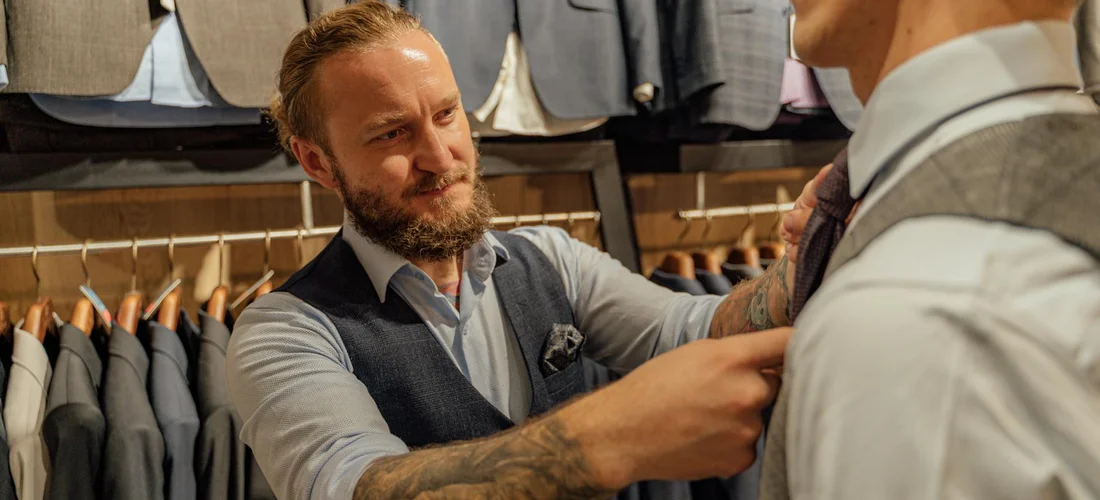
The single most important guidance is to let respect and simplicity lead your choice. A dark, muted tie in a conservative style quietly honors the solemnity of the day.
This careful consideration is a meaningful part of dignified Funeral Care. I gently encourage exploring eco-conscious options and continuing to learn about Funeral Needs and Funeral Questions, as each informed choice reflects both love and practical responsibility.
Relevant Resources for Further Exploration
- What Tie Is Appropriate For A Funeral: Color & Style Etiquette | The Tie Bar
- A Guide To Funeral Attire | TieMart, Inc.
- Funeral Tie Colors And Etiquette | TieMart Blog – TieMart, Inc.
- The Appropriate Dress Code For a Funeral | Bows-N-Ties.com
- Selecting the Appropriate Tie for a Funeral: A Thoughtful Guide | OTAA | OTAA
- Funeral Attire Guide: What Color Tie Is Appropriate?
- Tie Etiquette for a Funeral: Colors, Knots & Alternatives | Cake Blog | Cake: Create a Free End of Life Plan
Emiliana Dieter
Emiliana is an author at The Valedictory. She is an experienced funeral care advisor and arranged and organized many funerals as part of her end of life consulting services. She has over 8+ years in the funeral industry managing her family funeral business and helping families cope with the loss of their loved ones. Her articles answer any and all questions you might have regarding funeral arrangements, costs, preparations, etc so you can make this a seamless experience.