What Items Can Be Cremated with a Body: A Gentle Guide to Jewelry, Keepsakes, and Personal Belongings
You might be holding a cherished item, wondering if it can accompany your loved one in their final journey. This question, born from love and memory, is one I’ve helped many families navigate.
In this article, I will share my experience to clarify what is possible and what to consider. We will explore the types of items typically allowed, the careful process for jewelry like wedding rings, how to handle sentimental keepsakes, and the practical guidelines for personal belongings.
Key Takeaways: A Compassionate Overview
Your wish to include personal items in a cremation is a normal, meaningful part of saying goodbye. I have seen how these choices bring comfort, and I want you to know your feelings are respected here.
Most personal belongings can be included, but there is a gentle process to follow for everyone’s safety. Your funeral director will be your trusted guide through each step. Some items, like certain metals or electronics, cannot be cremated because they pose a risk in the intense heat.
Remember, this decision is a final act of love. There is no right or wrong choice, only what feels meaningful to you and honors the memory of your loved one.
What Items Can Be Cremated with a Body? A Complete List
The guiding principle is simple. Items made from natural, combustible materials are typically safe. This includes fabrics, wood, paper, and some metals that will not harm the cremation chamber.
Think of soft cloth, a handwritten note, or a simple metal ring. These materials return to ash alongside the body, becoming part of the cremated remains you receive.
Common Personal Belongings
People are almost always cremated with clothes on. You can choose their favorite outfit, a suit or dress, or a plain cotton shroud. The choice is yours, and it is a common way to provide dignity.
Other everyday items are often included without issue. You might consider eyeglasses, a well-loved paperback book, a framed photograph, or a small fleece blanket. These familiar objects can make the farewell feel personal and complete.
Sentimental Keepsakes
These items hold the quiet weight of memory, not their price. They are the tokens of a life shared. A dried rose from a garden, a child’s crayon drawing tucked in a pocket, a deck of cards from years of games, a handwritten poem on a slip of paper.
Keep these items small and made of materials that will burn completely, like paper, dried flowers, or thin wood. A large, dense object may not combust fully and could complicate the process. When in doubt, ask your funeral director for advice; they understand the balance between sentiment and practicality.
Jewelry and Watches
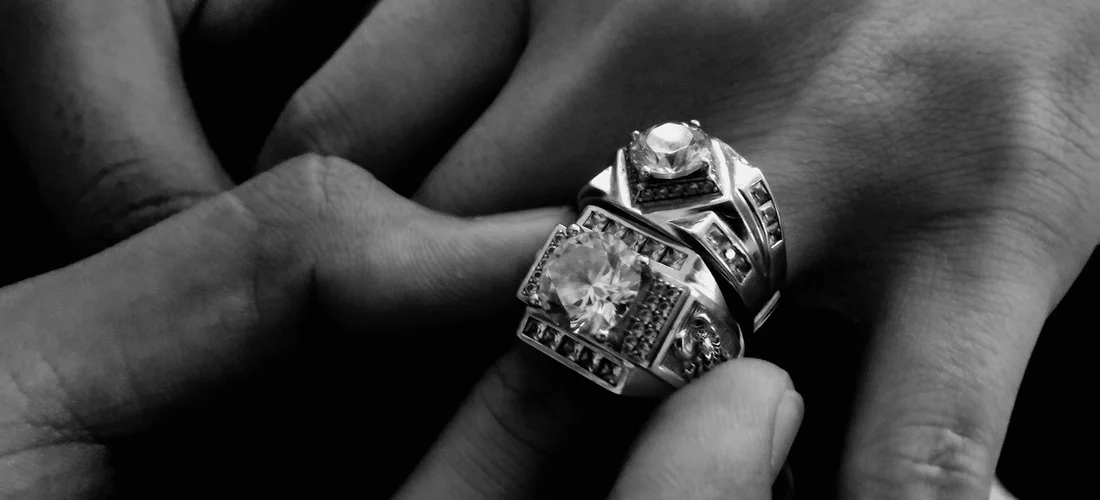
Simple jewelry is commonly placed with the body. A plain gold wedding band, a slender silver chain, or a locket are typical choices. Non-battery operated watches, like wind-up or mechanical styles, are also usually acceptable.
It is equally valid to remove jewelry to keep as an heirloom. This is a personal decision, and no one will question your choice to hold onto a ring or necklace. I have sat with many families who found peace in passing a piece of jewelry to a grandchild, keeping that connection alive.
Addressing Common Questions About Clothing and Dressing

Choosing what your loved one will wear is a final, personal act of care. It is natural to have questions about this process. These answers aim to provide clarity and comfort during your planning.
Are People Cremated with Clothes On?
Yes, it is standard and deeply respectful practice for a person to be cremated wearing clothing. This upholds their dignity throughout the process, especially when scattering their cremated ashes.
Families most often provide a meaningful outfit. If you prefer, the funeral home can supply a simple, dignified gown or a soft cotton shroud. You are not required to provide clothing, but you are warmly invited to do so if it feels right. In line with funeral attire etiquette, choosing respectful, subdued clothing helps honor the service and comfort other mourners. If you’re unsure, conservative, understated options are widely appropriate.
Are Clothes Removed Before Cremation?
Clothing is not typically removed if the family has provided it for this purpose. The outfit you choose is treated as part of the cremation.
Some practical considerations exist for safety and environmental reasons. Items like shoes with thick rubber soles or certain metals may need review. Your funeral director will guide you discreetly on any items that might require discussion, ensuring everything proceeds smoothly.
Can I Choose Special Clothing for Cremation?
Absolutely. Personalizing this choice is a beautiful tribute. I have seen families choose a well-worn flannel shirt, a vibrant sports jersey, or soft, familiar pajamas.
Natural fibers like cotton, wool, or silk generally burn cleanly. It is thoughtful to avoid heavily synthetic materials, but this is not a strict rule. When in doubt, share your idea with your funeral director; they can advise on what will work best in their specific crematorium.
The Gentle Process of Including Jewelry, Keepsakes, and Belongings
Many people ask, “What is the process for including personal items?” It is a common question, born from love. The process is a gentle, step-by-step collaboration between you and your funeral home. My goal here is to walk you through it, to replace uncertainty with calm understanding.
Think of your funeral director as a guide for this part of the journey. They have done this before. They will help you honor your person with the dignity the moment deserves and navigate any funeral etiquette dilemmas.
Step 1: Reflecting on Meaningful Items
First, give yourself a quiet moment. Think about the small things that held big meaning. Was it a wool scarf they wore every winter, or a pocket watch that kept their father’s time? A letter, a photograph, a well-loved cap. These objects tell a story.
If you can, sit with close family and share these memories. Someone might recall a trinket you had forgotten. This reflection is not about value in money, but about the value of a life remembered through its familiar textures and tokens.
Step 2: Speaking with Your Funeral Director
This is the most important conversation. Bring the items you are considering to your funeral director. Present them openly. There is no need for embarrassment or hesitation. They have seen it all, and they understand.
The director will carefully review each object. They check for safety in the cremation chamber. Items with batteries, like watches or electronic devices, will need them removed. Large metal pieces or certain plastics may not be suitable. Your director is not judging your choices, they are ensuring a safe and seamless process, and they will explain everything with great gentleness.
They will advise you on how to prepare each item. This guidance is a gift of their expertise. It protects the integrity of the process and gives you peace of mind.
Step 3: Final Placement and Assurance
After your discussion, the chosen items are prepared. The funeral staff then places them with the body. This is done with the utmost respect. A ring may be left on a finger. A photograph might be tucked gently into hands folded on the chest. A soft toy can be nestled alongside.
I have witnessed this care countless times. It is a quiet, reverent act. You can be assured that the team handles this final placement with a focus on dignity, treating your loved one and their belongings with a quiet, protective honor.
This step completes the circle. The object’s journey ends with the person it belonged to. It is a last, tangible connection, honored with care.
What Items Cannot Be Included in a Cremation?
This list is not about restriction for its own sake. These rules exist to protect everyone involved, from the operators to the environment. They are vital safety measures that prevent harm and ensure a dignified, controlled process.
Some items can explode, release toxic fumes, or permanently damage the sensitive equipment. Your funeral director reviews belongings with this sole purpose in mind: to honor your wishes safely.
Items with Batteries or Electronics
Batteries and electronic components pose a severe risk in the intense heat of the cremation chamber. They can explode, causing damage and potential injury.
Common examples include cell phones, electronic tablets, children’s toys with batteries, and wristwatches. I have seen families wish to include a favorite handheld game or music player, and we must respectfully discuss an alternative.
The most critical item in this category is a pacemaker or similar medical implant. These devices contain batteries that will explode violently during cremation. By law, they must be removed by a qualified professional, such as a funeral director, doctor, or nurse, before the process can begin.
Certain Metals and Materials
Not everything burns away. Some materials melt, warp, or remain largely intact, which can cause problems later.
Glass, for instance, will melt into a hardened, sharp residue. Large metal pieces, like titanium surgical pins or some metal alloys from jewelry, may not fully combust. These remnants can jam the machine that processes the cremated remains, known as a cremulator, or leave unsafe fragments in the final ashes.
This is why we recommend simple, combustible materials like untreated wood, paper, or natural fabrics for keepsakes. They transform completely into ash, blending seamlessly with your loved one’s remains.
Hazardous or Flammable Substances
The cremation chamber is a precisely controlled environment. Introducing additional accelerants or pressurized items disrupts that control and creates serious hazards.
This category includes items like bottles of alcohol, aerosol cans (hairspray, deodorant), lighter fluid, or propane cylinders. Even a favorite flask filled with whiskey cannot be included. The rapid, unpredictable ignition of these substances is dangerous.
Your funeral director’s careful review of personal items is your final safeguard. They are trained to identify these potential hazards, even when grief makes them easy to overlook. This step is a quiet, necessary act of care.
Common Mistakes to Avoid When Choosing Items
Choosing items to accompany a loved one is a deeply personal gesture. In the fog of grief, however, a few common errors can create additional emotional strain or practical complications. Being mindful of these pitfalls can spare you from future distress and help the process unfold with dignity.
Choosing Items of High Monetary Value
I have sat with families who wished to send a valuable ring or a gold watch into the cremation chamber. The extreme heat reduces every material to basic elements, leaving nothing recognizable behind. Cremation destroys all materials, so any item of significant monetary value is permanently lost.
I gently advise considering the living who remain. A father’s pocket watch or a mother’s bracelet can be passed down, its weight and warmth a daily comfort. Keeping a precious heirloom within the family often preserves a physical memory more meaningfully than its destruction.
Forgetting to Remove Prohibited Components
Many cherished objects contain parts that are unsafe for cremation. A well-loved stuffed animal may have plastic eyes, or a music box could house tiny metal mechanics. These materials can melt, release toxic fumes, or damage the cremation equipment.
Do not feel you must scrutinize every item alone in your sorrow. Your funeral director can often help identify these prohibited components and suggest how to prepare the item safely. We are accustomed to handling such details with a careful eye.
Making a Hasty Decision Under Stress
When your heart is heavy, pressure to decide quickly can feel immense. You may fear that not including something is a sign of insufficient love. I encourage you to pause and take a few quiet breaths before deciding; it is perfectly acceptable to include nothing at all.
There is usually no urgent deadline for this choice. In most cases, items can be added up to a specific point before the service, allowing you time to be certain. Trust that a decision made with a calmer mind often feels more right in the long days that follow.
What Happens to Items and Ashes After Cremation?
The cremation chamber, often called a retort, reaches an intense heat. This environment reduces the body and any combustible items to bone fragments and a small amount of ash.
After the process is complete, the contents are allowed to cool. The remaining material is then carefully moved to a processing station.
Any items that do not burn away are separated at this stage. This includes metal components from jewelry, watches, or clothing fasteners.
These materials are typically removed using a magnet or by hand. This separation ensures that only the cremated remains of your loved one are processed into the final ashes you receive.
The collected metal remnants are handled with respect. Most crematories have a policy for these materials.
Often, they are recycled, with any proceeds sometimes donated to charity. Some families may request that specific items, like a wedding band, be returned to them if it survives intact.
You can always ask your funeral director about their specific practice. Knowing what will happen can provide a small measure of peace during a difficult time, especially when managing grief during a funeral service.
When to Call a Funeral Director for Guidance

In the quiet confusion of loss, you should not have to be an expert. Your funeral director is your supportive guide, trained to navigate these details with you. I view my role as a source of steady, practical knowledge, so you can focus on remembrance and care. Behind the scenes, funeral directors balance responsibilities and challenges—from paperwork and permits to coordinating services—so you don’t have to face them alone. This is why I aim to clarify these processes with you at every step.
There is no question too small during such a personal time. Reaching out is a proactive step, not an admission of uncertainty. Calling for guidance is one of the kindest things you can do for yourself and for the memory you are honoring.
Based on my years of service, here are clear moments when a conversation with your funeral director is invaluable.
- If you are unsure about an item. A locket, a letter, a favorite hat-when in doubt, ask. Some materials melt or release fumes, and your director can explain what is safe and respectful.
- If you need help with pacemaker removal. This is a strict safety requirement before cremation. Your director manages this entire process with the necessary medical professionals, sparing you the logistical worry.
- If you have special cultural or religious requests. Specific rituals around belongings require precise handling. Your director ensures these practices are followed correctly, preserving dignity and tradition.
- Absolutely for all legal and procedural steps. The required paperwork and permits are their domain. Trusting them here prevents errors and provides you with peace of mind.
Leaning on this expertise is expected and wise. I have seen the relief in families when they share the weight of these decisions with a knowledgeable professional. It allows space for grief, not just for logistics.
Final Thoughts on Personalizing a Farewell
Placing a personal item with a loved one for cremation is a gentle, final gesture. It speaks in a language beyond words, offering a profound comfort that can soften the edges of grief.
These acts are not about the objects themselves, but about the love and memory they carry forward. I have held space for families who found peace in sending a well-read book or a child’s drawing. The warmth of that choice often remains long after the service ends.
Remember, you do not have to navigate these decisions alone. Your funeral director is a compassionate partner, trained to facilitate your wishes with precision and respect.
They can clarify what is possible, suggest alternatives for sensitive items, and ensure every detail is handled with dignity. Sharing your vision with them allows you to focus on what matters most-honoring a unique life.
Making these choices while carrying loss is a testament to your care. Your journey through grief is yours alone, yet marked by these personal acts of love.
Trust that there is no right or wrong way to say goodbye, only your way. May you find a measure of solace in the farewell you create.
Compassionate Guidance on Personal Items for Cremation
How can I gently involve other family members in choosing items to include?
Sharing this decision can be a healing act of collective remembrance. A simple conversation, focused on the memories attached to potential items, often helps families find a meaningful consensus.
What is the most respectful way to prepare a keepsake, like a letter or photograph, for cremation?
Place paper items in an unpainted wooden box or simply fold them neatly. Your funeral director can gently place it with your loved one, ensuring it is treated with the utmost care and dignity.
Is there a limit to how many small keepsakes I can include?
While there is no set number, we recommend focusing on a few deeply meaningful items to ensure a smooth process. Your funeral director can provide specific guidance based on the crematory’s guidelines and the items’ size and material.
Parting Reflections on Personal Belongings and Cremation
The most important advice I can offer is to always discuss your wishes for jewelry, keepsakes, or other items directly with the funeral director. This open dialogue ensures the cremation is conducted safely and in a manner that truly honors your loved one. If you’re unsure what to ask, start with common funeral details questions to guide your conversation. We’ll include a quick list of those questions in the next steps to help you prepare.
Providing dignified care means considering gentle, eco-conscious practices whenever possible. I gently encourage you to continue your learning journey about Funeral Care, Funeral Needs, and Funeral Questions as you move forward.
Emiliana Dieter
Emiliana is an author at The Valedictory. She is an experienced funeral care advisor and arranged and organized many funerals as part of her end of life consulting services. She has over 8+ years in the funeral industry managing her family funeral business and helping families cope with the loss of their loved ones. Her articles answer any and all questions you might have regarding funeral arrangements, costs, preparations, etc so you can make this a seamless experience.