Jewish Funeral Traditions Regarding Embalming: A Compassionate Explanation
If you are arranging a Jewish funeral, the topic of embalming can bring uncertainty. I want to help you find clear, respectful answers.
This article will guide you through the core tradition of avoiding embalming, the religious and ethical reasons for this practice, rare circumstances where it might be considered, and how to honor these customs with care.
Key Takeaways for a Peaceful Arrangement
For a traditional Jewish burial, embalming is not permitted. This is a central tenet of Jewish funeral practice. The focus remains on a natural return to the earth, without chemical intervention.
This practice stems from two core principles. The first is Kavod Ha-Met, which means “honor for the dead.” The body is treated with profound reverence as the vessel that once held a sacred life. The second is the value of a swift burial, often within 24 to 48 hours. This reflects a belief in allowing the natural process to proceed with dignity.
Instead of embalming, the body undergoes a sacred ritual preparation called Tahara. It is a ritual washing performed with the utmost care and respect by members of the sacred burial society, the Chevra Kadisha. The body is cleansed with clean water and dressed in simple, white shrouds.
There are rare exceptions, usually due to legal requirements or the need to transport the deceased over a long distance. Embalming is also governed by embalming requirements laws that vary by jurisdiction, potentially affecting timing or method. Understanding these rules helps ensure compliance with both ritual obligations and local regulation. Any consideration of embalming must involve immediate consultation with a rabbi or funeral director knowledgeable in Jewish law. These are navigated with great sensitivity to both tradition and practical necessity.
Understanding the Prohibition Against Embalming
Modern embalming is a process of chemical preservation. It involves replacing bodily fluids with a formaldehyde based solution to temporarily delay decomposition. It is often done to allow for public viewings over several days. This preservation helps keep a natural appearance for viewing. It also supports a safe, dignified experience by delaying decay during the display period.
Jewish tradition holds a different view. The physical body is seen as a borrowed vessel. It is to be returned to the earth as naturally and completely as possible, in accordance with the biblical verse “For dust you are, and to dust you shall return.” Introducing preservative chemicals is viewed as an interference with this sacred return.
Every action taken from the moment of death is guided by the principle of Kavod Ha-Met. This honor dictates that the body not be left alone, that it be handled gently, and that its natural state be respected. Embalming, which alters that state, is inconsistent with this foundational respect.
So, to the direct question, “Are Jewish people embalmed before burial?” The answer for a traditional Jewish funeral is a gentle but firm no. The commitment is to a burial that is swift, simple, and natural, honoring the life that was lived and the peace that follows.
The Sanctity of the Body and Swift Burial
In Jewish tradition, the body is never considered an empty shell. It is the vessel that once held a unique soul, a person you loved. Because of this, the body is treated with profound dignity and respect from the moment of death until burial. This care is an act of ultimate kindness, or *chesed shel emet*.
Burial is meant to happen swiftly, often within twenty-four hours. This practice respects the body’s natural return to the earth. Embalming, which delays this process, is generally avoided. The focus is on a timely and natural return, not on preservation for viewing.
These practices are guided by Jewish law, or Halakha. The Torah emphasizes a return to the earth in Genesis. Later, Talmudic writings discuss the honor due to the deceased and the importance of a prompt burial. These texts form the foundation for the customs followed today.
This differs from some other religious traditions. For instance, in many Catholic funerals or for the veneration of saints, embalming is often accepted to allow for a public viewing and wake. Jewish practice prioritizes the body’s immediate journey and the family’s private mourning, reflecting broader religious and modern views on embalming practices.
Sacred Preparation: The Tahara Ritual
Instead of embalming, Jewish tradition has the Tahara. This is a gentle, prayerful ritual of purification. It is performed by a sacred society known as the Chevra Kadisha.
The process is conducted with the utmost reverence. The body is carefully cleaned with clean water. Then, it is purified with a continuous, ritual pouring of water. Finally, it is dressed in simple, white linen shrouds called Tachrichim.
From the moment of death, the body is never left alone. This watch is called *shemira*. A family member or community volunteer sits with the deceased, often reciting Psalms. This constant companionship is a final act of respect for the departed.
The Tahara takes place in a special room at a funeral home or a dedicated facility. The room is kept solemn and clean. The entire ritual uses only water, never any preservative chemicals or cosmetics.
Who Performs the Tahara?
The Chevra Kadisha is a volunteer group of men or women. They perform the Tahara for members of their own gender. Their work is considered one of the highest forms of charity, as the deceased can never repay them.
Members receive specific training in the rituals and the physical care required. They work in silence or with soft prayers. Their role is performed with a quiet humility, focusing entirely on honor and dignity.
The Simple Shroud and Plain Casket
The white linen shroud is a powerful symbol. Its simplicity reminds us that we all come from the same source and return the same way. Rich or poor, we are equal before God.
The casket is also plain, often made of unfinished pine or another soft wood. Many caskets have holes in the bottom. This plainness and these holes allow for a quicker, more natural return to the earth, in keeping with the biblical ideal.
Are There Any Exceptions to the Rule?
The prohibition against embalming in Jewish law is very strong. It comes from a deep respect for the body’s natural journey. I have sat with families who found peace in this tradition, especially when considering Jewish views on cremation and burial customs.
There are limited, painful circumstances where it might be considered. The weight of these situations is heavy. One exception is if state law requires embalming for extended transport, like an overseas journey. Another is a lengthy delay caused by a legal investigation.
Any discussion of an exception demands urgent consultation with a rabbi or a funeral director deeply knowledgeable in Jewish law. They can navigate these difficult waters with you.
Please understand, a personal preference for an open casket viewing is not a valid reason. Jewish practice typically avoids public viewings to honor the dignity of the deceased.
Common Mistakes to Avoid
Grief can make the practical details feel overwhelming. I have helped many families steer clear of these common errors. Being aware can protect the sanctity of the funeral.
- Never assume a standard funeral home will automatically follow Jewish practice. You must explicitly state your needs for no embalming and a swift burial. Speak your wishes clearly.
- Do not feel pressured if a funeral director suggests embalming for a “better viewing.” Jewish tradition typically avoids public viewings of the body. Your commitment to tradition is your guide.
- Forgetting to inform all involved family members and healthcare facilities can cause accidental delays. Tell everyone about the requirement for a quick burial. This simple step prevents last minute complications.
- Not asking about the specific Jewish services a funeral home provides is a missed step. Always inquire if they offer access to a Chevra Kadisha, the sacred burial society. Their gentle care is a cornerstone of the ritual.
How Jewish Practices Differ from Common Funeral Customs
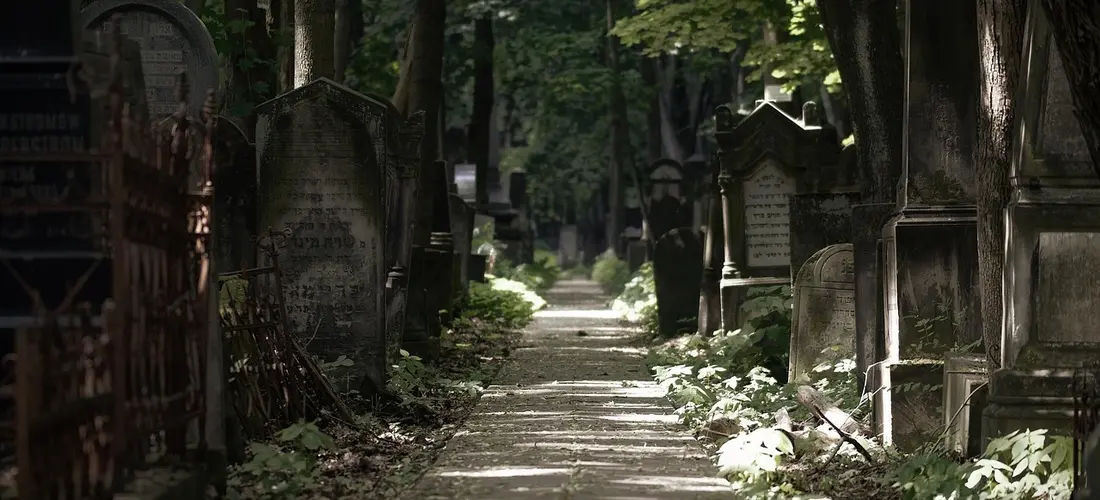
Jewish funeral customs arise from a deep respect for the body and a belief in its natural return. They often stand in quiet contrast to more common funeral practices, especially regarding timing.
Body preparation begins not with chemicals, but with care. The Chevra Kadisha performs Tahara, a ritual washing with clean water and soft prayers. This act focuses on spiritual purity, not preservation, making embalming generally forbidden unless law requires it. Common customs frequently use embalming to delay decomposition for viewings.
Viewing the deceased is handled with great privacy in Jewish tradition. The casket is typically closed during the service. Any viewing is usually a brief, private moment for immediate family before the Tahara begins. Many non-Jewish services hold public visitations with an open casket, a practice not found in traditional Jewish mourning.
The pace of a Jewish funeral feels swift to many. Burial happens as soon as possible, ideally within one day. This rapid timeline honors the deceased by avoiding unnecessary delay. It differs from common funerals where services might be planned for a week or more later, allowing for distant travel. Understanding the funeral timeline after death helps families plan and coordinate rites. It also clarifies what to expect in the days following a death.
These differences connect to other faiths. Catholic funerals often permit or use embalming, especially for a wake. Muslim burial practice shares a similar reverence for the natural body, also favoring rapid burial without embalming.
When to Call a Funeral Director
In the first moments of loss, knowing what to do can feel impossible. Reaching out to a funeral director is a step toward practical care.
You should call a director immediately after the death occurs. This early contact is vital to set the swift burial process in motion and meet Jewish timelines. They begin the arrangements while you focus on family.
A director manages all the necessary legal documents. They secure death certificates and burial permits, handling paperwork that can be confusing during grief. This expertise lifts a significant burden from your shoulders.
They become your coordinator with the cemetery, the Chevra Kadisha, and the rabbi. This logistical support ensures every tradition is honored smoothly, connecting parts you cannot manage alone.
Call for their guidance if death occurs far from your community or if special circumstances arise. I have relied on their knowledge to navigate complex situations, always with dignity for the departed. Their experience provides a steady path through uncertainty.
Compassionate Guidance on Embalming and Jewish Tradition
How does the prohibition against embalming align with the principle of kavod ha-met?
Kavod ha-met, honoring the deceased, requires treating the body with profound reverence as a sacred vessel. Embalming, which alters the body’s natural state, is seen as a violation of this dignity and its timely return to the earth.
Are there any exceptions to the rule against embalming in Jewish tradition?
Exceptions are rare and typically involve legal requirements, such as mandated transport across state or national lines. Any potential exception requires immediate consultation with a knowledgeable rabbi to navigate the situation sensitively.
How do Jewish funeral practices differ from those that commonly use embalming?
Jewish practice emphasizes a swift, natural burial with a closed casket, avoiding preservation for public viewing. This contrasts with customs that use embalming to facilitate extended visitations and delayed services.
Honoring Choices in Jewish Funeral Traditions
The single most important guidance is to respect the Jewish preference for a swift, natural burial without embalming. I encourage you to speak openly with your rabbi and funeral director to navigate any exceptions with care and clarity, especially when considering burial without embalming.
Pursuing dignified, eco-friendly practices in Funeral Care is a profound act of respect. Your ongoing attention to Funeral Needs and Funeral Questions helps ensure choices are made with compassion and understanding.
Emiliana Dieter
Emiliana is an author at The Valedictory. She is an experienced funeral care advisor and arranged and organized many funerals as part of her end of life consulting services. She has over 8+ years in the funeral industry managing her family funeral business and helping families cope with the loss of their loved ones. Her articles answer any and all questions you might have regarding funeral arrangements, costs, preparations, etc so you can make this a seamless experience.