
Military Funeral Attire: A Compassionate Guide to Uniforms, Dress Code, and Flag Etiquette
Knowing what to wear to a military funeral is a common concern, rooted in a deep desire to honor the life and service of the deceased with the utmost respect.
We will walk through the details together, focusing on:
- Appropriate military uniforms for service members and veterans
- Respectful dress code guidelines for civilian guests
- Flag etiquette, including folding and presentation protocols
Key Takeaways: A Guide with Compassion
A military funeral is a final act of gratitude. Its core purpose is to honor a life of service with the highest levels of respect and dignity. Every tradition, from the uniform to the flag ceremony, serves that solemn goal.
Attendees generally fall into three groups, each with different expectations. Understanding where you fit helps you prepare appropriately and feel more at ease on the day.
- Service Members in Uniform: Active duty, Reserve, and National Guard personnel typically attend in their service dress uniform. Retired veterans may also wear their uniform or elements of it, like a service cap. The uniform itself is a profound tribute.
- Civilian Immediate Family: Close family members (spouse, children, parents) often wear traditional, formal mourning attire. This usually means a dark suit and tie for men, and a conservative dress or suit for women.
- Civilian Guests and Extended Family: As a guest, your role is to show support through respectful presence. Your attire should mirror the formality of the family and the service.
A universal rule applies to all civilian attendees: conservative, dark, and formal attire is always appropriate. For men, this is a dark suit, white or light shirt, and a subdued tie. For women, a dark dress, suit, or skirt and blouse works well. Think of what you might wear to a serious job interview or a formal religious service.
The family’s wishes are the final guide for attire. Sometimes a family will request a specific color or theme to celebrate their loved one’s life. If the service includes a specific religious component, like a Catholic funeral mass, more covered attire (like covered shoulders) may be expected. When in doubt, leaning toward more formal and conservative is a safe and respectful choice, especially if you’re unfamiliar with funeral attire color traditions.
A Note on Etiquette and Presence
Knowing what to say can feel difficult. Simple, sincere condolences are always enough. A soft “I am so sorry for your loss” or “He was a remarkable person” means a great deal. It is best to avoid questions about the circumstances of death or phrases like “I know how you feel.” Your quiet acknowledgment of their pain is a gift. Following funeral condolence phrases etiquette can guide you to say the right thing. A few brief, sincere words often carry more comfort than lengthy explanations.
The atmosphere will be one of solemn honor. You will notice a hushed reverence. During the military honors, such as the flag folding and the playing of Taps, you should stand quietly in place. Silence during these rituals is a sign of collective respect. Follow the lead of the honor guard or the officiant.
Your respectful presence is the most meaningful contribution you can make. The family will remember who was there. You do not need to have the perfect words or know every protocol. By arriving on time, dressing with care, and participating in the moments of silence, you are honoring the veteran and supporting those left behind. That is enough.
Understanding the Military Funeral Service
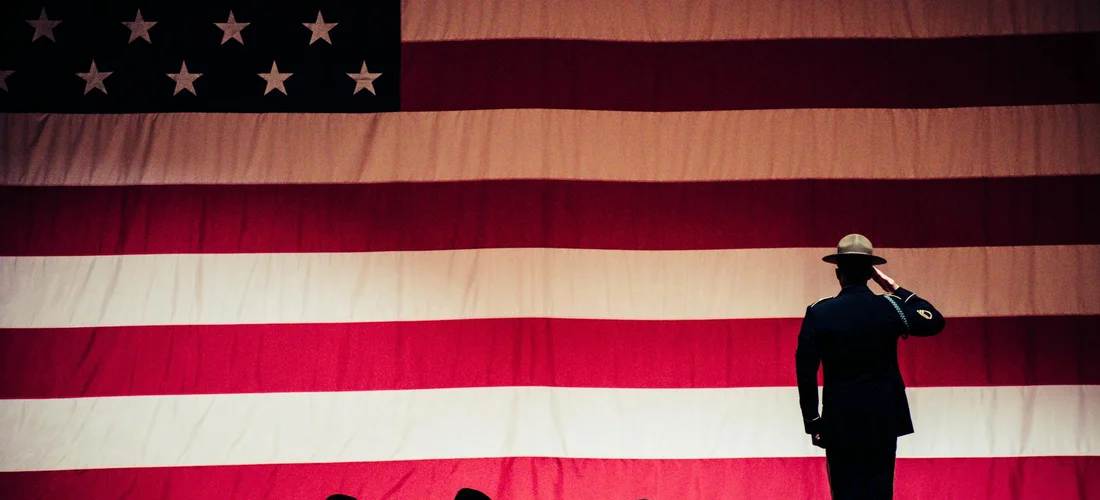
A military funeral follows a dignified sequence of events. It often begins with a religious or memorial service at a chapel or funeral home. A formal procession then moves to the cemetery for the graveside honors.
Key ceremonial elements create a powerful atmosphere. You will see the flag-draped casket, hear the sharp crack of a rifle volley, and listen to the mournful sound of Taps played on a bugle. The ceremony concludes with the precise folding and presentation of the American flag to the next of kin.
This structured formality directly informs what you should wear. Your attire is a visual sign of respect for these traditions and for the life of service being honored. It matches the solemnity of the occasion.
Attire for Service Members and Veterans
The Standard Protocol for Uniforms
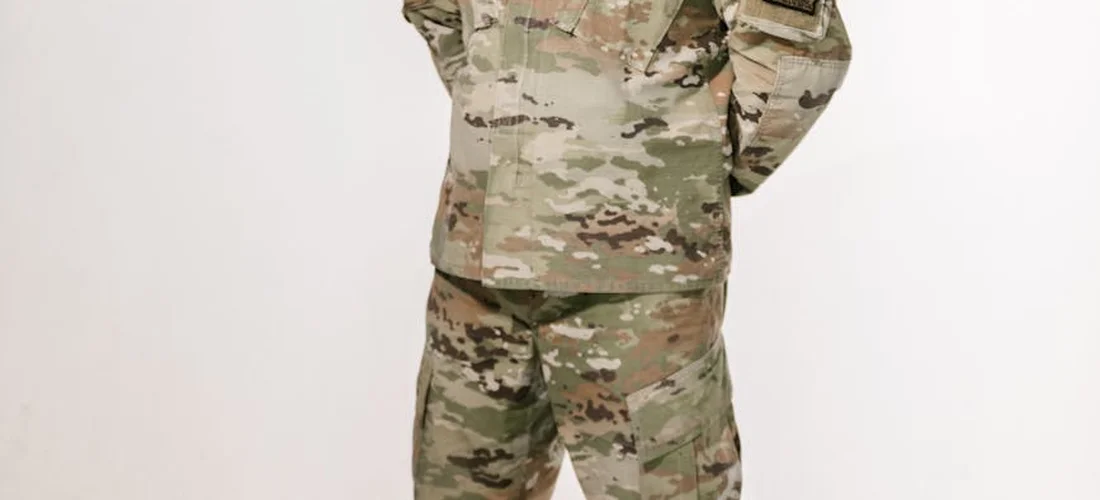
Active duty, Reserve, and retired service members are typically expected to wear their service dress uniform. This is the formal military equivalent of a business suit.
Common examples include the Army Service Uniform (ASU), the Navy Service Dress Blues, the Marine Corps Service Uniform, and the Air Force Service Dress. Each branch has specific regulations for its proper wear.
Wearing the uniform is a profound final salute from comrades in arms. It represents shared duty, sacrifice, and honor. It visually connects the individual’s service to the nation’s gratitude expressed in the ceremony.
What If a Uniform is Not Available or Appropriate?
Many veterans no longer have a uniform, or it may no longer fit. Please do not let this cause you distress. Your presence to honor a fellow service member is what matters most.
The perfectly acceptable civilian equivalent is a dark, conservative suit and tie for men, or a comparably formal dress, suit, or skirt and blouse for women. Choose subdued colors like black, navy, or charcoal gray.
You may wear service pins, miniature medals, or a lapel pin on your civilian attire as a meaningful tribute. This thoughtfully bridges your civilian presence with your military past. The focus is on respect, not perfection.
What to Wear as a Civilian Guest
The Foundational Dress Code
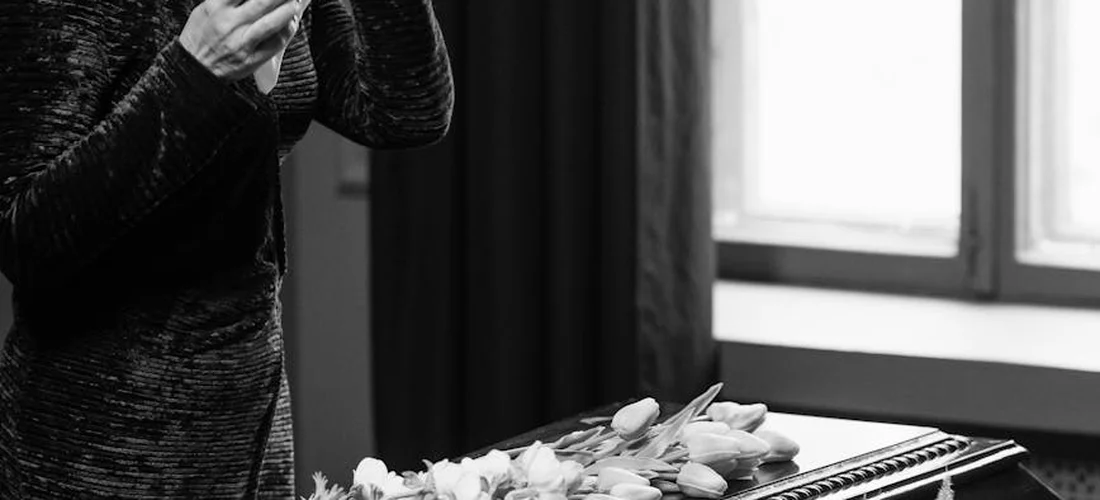
For civilian guests, the standard is best described as funeral formal. Think of the attire you would wear to a serious business meeting or a solemn ceremony. The goal is to blend in with respect, not to stand out. When in doubt, refer to funeral attire etiquette.
For men, this typically means a dark suit, a white or muted dress shirt, and a conservative tie. For women, a dark-colored dress, a suit with a skirt or trousers, or a skirt and blouse ensemble is appropriate. Modesty and understated elegance are the guiding principles here, far more important than current fashion.
Common questions often arise about color. Dark grey, navy, and black are always safe and respectful choices. While the tradition of wearing only black has softened, you should avoid colors that feel celebratory or casual. Bright whites, vibrant reds, and loud patterns can feel disruptive in a setting of mourning and honor.
Navigating Religious Services Within the Funeral
Many military funerals include a religious service, such as a Catholic funeral mass. When this is the case, your attire should show respect for both the military tradition, such as wearing a military uniform appropriately, and the customs of the sanctuary.
For a Catholic mass, and many other traditional services, this often means observing a degree of modesty that covers shoulders and features hemlines at the knee or below. A simple wrap or jacket can easily adapt an outfit. The combined solemnity of the military ceremony and the religious service creates a tone of deep, respectful formality.
When in doubt, leaning toward more covered, conservative clothing is a safe and considerate choice. The focus should remain on honoring the deceased and supporting the family, especially when it is immediate family funeral attire.
Attire for Immediate Family Members
Guidance and Flexibility
For immediate family, the weight of the day is profound. Your comfort and emotional well-being are paramount. While there are traditional guidelines, they are not rules imposed upon your grief.
Those traditions often suggest dark, formal wear similar to what guests wear. Yet, I have seen many families find small ways to personalize their tribute. Some choose to incorporate a subtle touch of the service member’s branch color, like a navy blue pocket square for the Navy or a deep green scarf for the Army (apparently acceptable even when blue is normally discouraged in mourning attire).
Wearing a uniform is also a common and powerful choice for eligible family members. The most important thing to remember is that you have the flexibility to choose what feels manageable for you on a very difficult day.
A Personal Perspective: Choosing What Feels Right
I once helped a daughter decide what to wear for her father’s service. She was worried about getting it “right.” We talked not about rules, but about connection.
She recalled his love for his old, worn leather jacket. She didn’t wear the jacket, but she chose a simple, neat dress in a similar shade of brown. It felt like a quiet nod to him. The best choice is often something that feels like a tribute, whether it’s a uniform, a favorite color, or simply clean, composed clothing that allows you to be present.
In these moments, what you wear is an extension of your love and respect. Love, not perfection, is what truly matters and what will be remembered.
Flag Etiquette: A Sacred Symbol
How the Flag is Used During the Service
You will see the casket draped with an American flag. The union, the blue field with stars, is placed over the left shoulder of the deceased. This position is a traditional mark of honor.
The flag remains on the casket throughout the procession to the gravesite. It serves as a public symbol of service and sacrifice. Its presence is a quiet, constant tribute during the entire service.
The Flag Folding and Presentation Ceremony
At the gravesite, the honor guard performs the thirteen-fold ceremony. Each of the thirteen folds holds a specific meaning, like a promise of eternal life or a tribute to our nation’s heritage.
Once folded into a tight triangle, a service member presents the flag to the next of kin. I have always found this moment profoundly still. The presenting officer will say, “On behalf of a grateful nation, I present this flag as a token of appreciation for your loved one’s honorable and faithful service.”
Caring for the Flag After the Funeral
The flag you receive is a personal keepsake for the family. It is not intended to be flown outdoors again. Think of it as a sacred memento of honor.
Many families choose to display it in a shadow box or place it on a special shelf. This protects the flag and gives it a place of respect in your home. Enclosing it in a case helps preserve its physical form and its emotional significance.
If the flag ever becomes frayed or worn beyond repair, it should be retired respectfully. Your local VFW post or Boy Scout troop can often help with a proper disposal ceremony.
Common Questions and Situations
Attire for a Rosary or Vigil Service
Attire for a rosary is typically formal, but the tone can be slightly less formal than the main funeral service. A dark blazer and slacks, for instance, are completely appropriate. Think of it as a formal casual funeral dress code: polished without feeling rigid. The aim is to honor the ceremony while staying comfortable and approachable.
Your choice to dress respectfully for any gathering before the funeral is a gentle act of solidarity. It shows the family that you share in the solemnity of their loss, acknowledging the traditional significance of funeral attire.
Weather and Practical Considerations
Graveside services are often outdoors. Dress in layers so you can adjust to the cold or heat. A dark sweater beneath your jacket can provide quiet comfort.
Wear comfortable, dark-colored shoes with good support. You will likely be standing on grass or gravel. Choosing practical shoes allows you to stand with dignity throughout the service.
I always suggest carrying a packet of tissues. If the forecast calls for rain, bring a simple, dark umbrella. It is a small, practical kindness for yourself and those around you.
Respectful Attendance: Your Questions Answered
As a veteran, can I wear parts of my uniform with civilian clothes?
Yes, this is a common and respectful practice. Wearing authorized items like a service cap, miniature medals, or a lapel pin on your civilian suit is a meaningful way to honor your shared service.
Is it ever appropriate for a civilian guest to wear red, white, and blue?
Generally, it is best to avoid overtly patriotic colors in your main attire. Your presence is the tribute; stick to dark, formal colors and consider a discreet flag pin if you wish to incorporate the symbolism respectfully.
What is the meaning behind the flag-folding ritual?
The thirteen folds each symbolize a unique principle, like life everlasting or the nation’s founders. This sacred ceremony transforms the flag into a keepsake, representing the nation’s enduring gratitude for your loved one’s service.
Parting Reflections on Military Funeral Attire
The single most important piece of advice is to let respect guide your choices, wearing dark, formal attire unless a uniform is worn, and following flag etiquette with quiet reverence. Your clothing and conduct are a final, visible salute to the service member and a comfort to those mourning. In a military funeral setting, observe the proper salute and ceremonial conduct. Understanding military funeral etiquette helps ensure your presence honors the fallen and supports the family.
As you navigate funeral care, I encourage you to consider dignified, eco-friendly practices that honor both the individual and our world. Continuing to learn about funeral needs and questions is a compassionate act that brings clarity and peace during difficult times.
Emiliana Dieter
Emiliana is an author at The Valedictory. She is an experienced funeral care advisor and arranged and organized many funerals as part of her end of life consulting services. She has over 8+ years in the funeral industry managing her family funeral business and helping families cope with the loss of their loved ones. Her articles answer any and all questions you might have regarding funeral arrangements, costs, preparations, etc so you can make this a seamless experience.